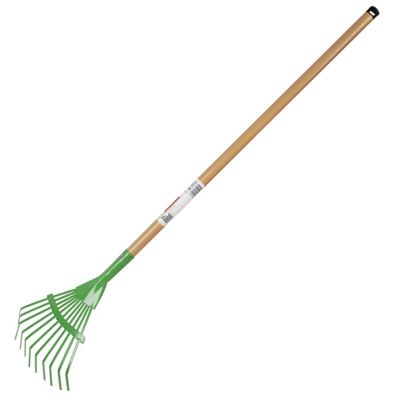
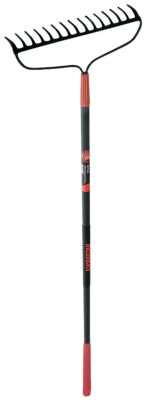
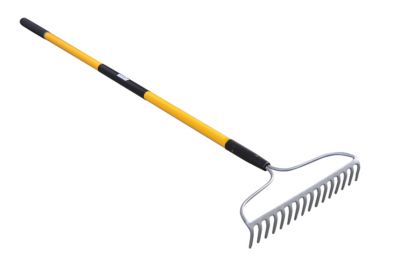
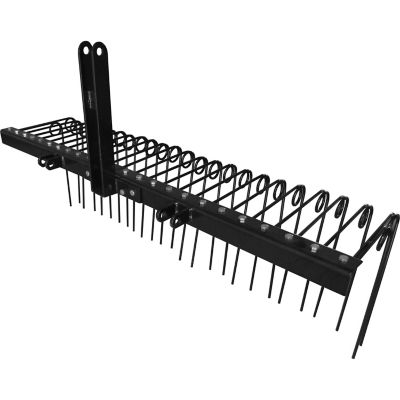
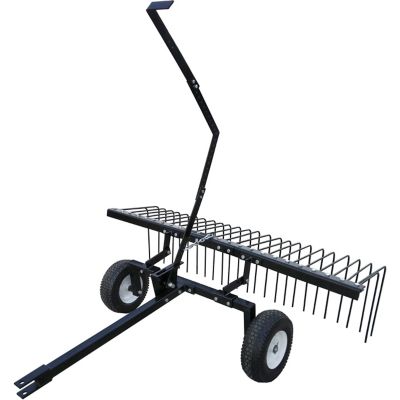
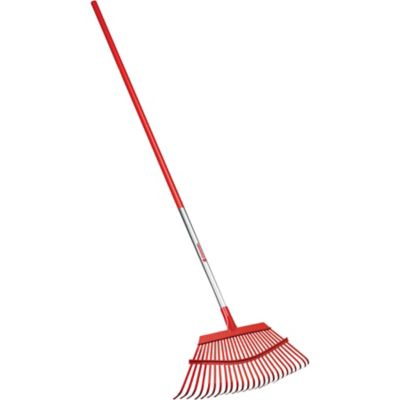
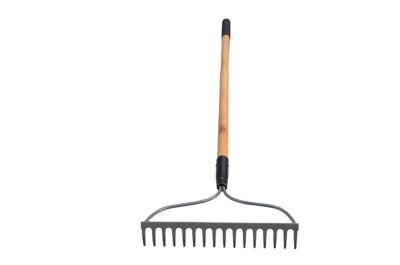
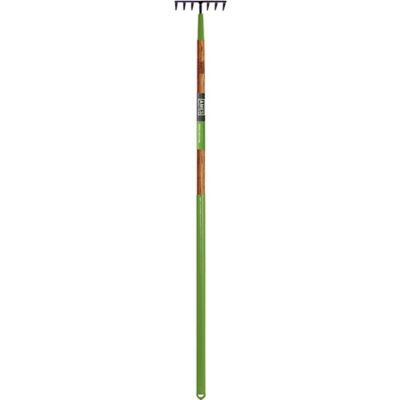
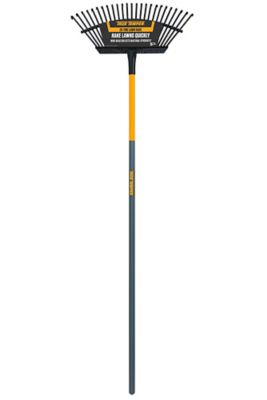
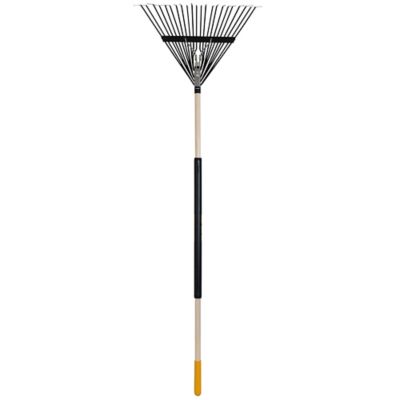
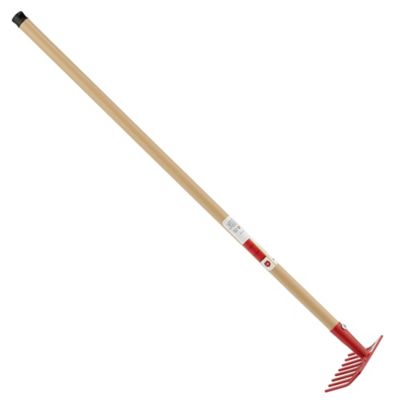
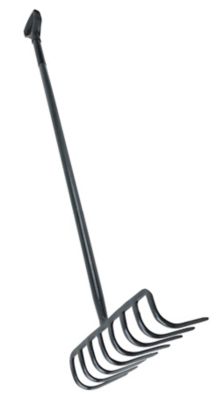
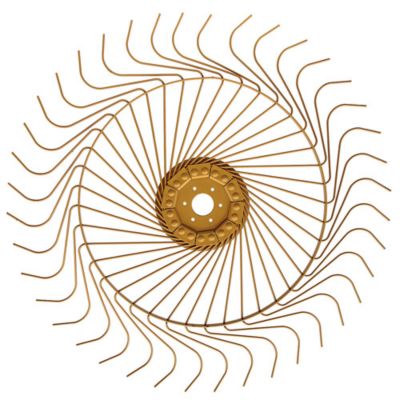
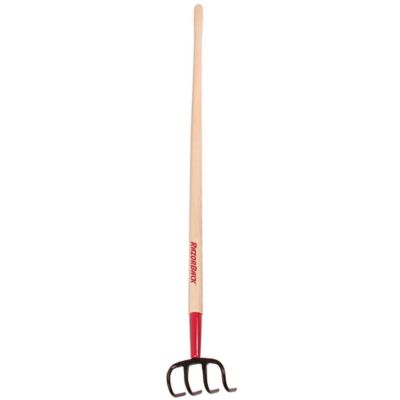
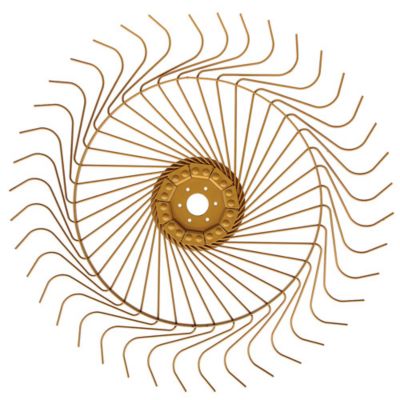
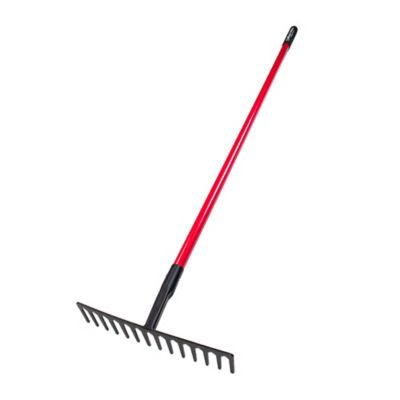
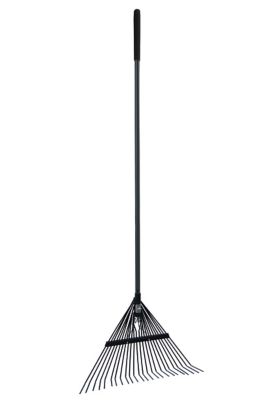
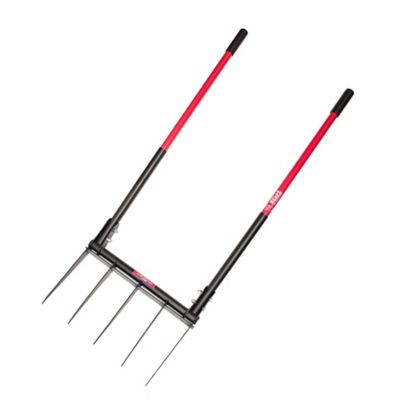
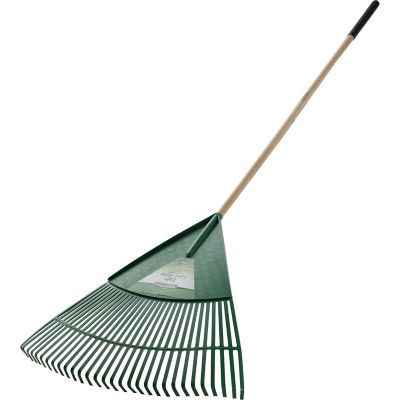
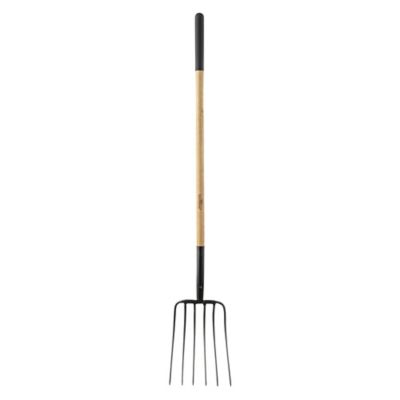
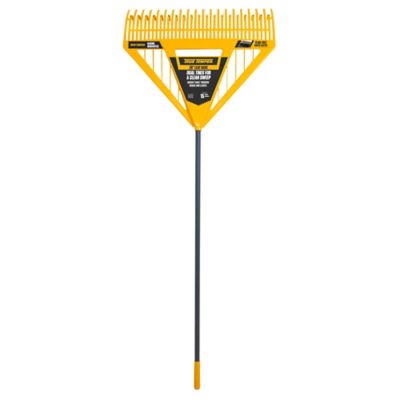
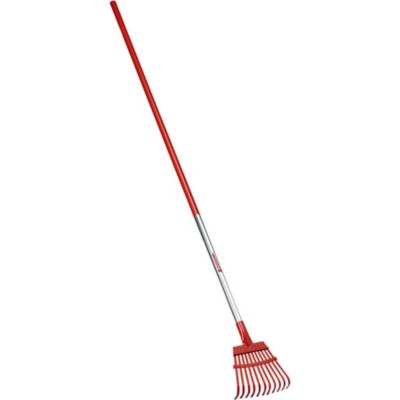
Metal rakes bring the strength of a metal head or metal tines to everyday cleanup, soil preparation, and material spreading. The right shape makes the difference between gathering leaves off the grass and pulling a ridge of loose dirt across a garden bed. Steel leaf rakes have long, springy tines arranged in a fan, giving them enough flex to sweep up leaves, grass clippings, and small twigs without working deeply into the ground. Bow rakes and garden rakes have shorter, rigid teeth built for moving heavier material, breaking apart loose soil clods, and spreading mulch or small gravel. A bow rake typically connects its head to the handle through two curved supports, while other garden rake designs attach through a central socket or shank. Wide landscape rakes often have aluminum heads that help spread loose material across a broader stretch with less weight to carry. These differences matter around a home place, garden plot, or acreage, where one chore might call for a light sweep and the next needs a firmer pull. A flexible leaf rake works well for gathering scattered debris along a fence line, but its tines are not meant to pry stones from packed ground. A rigid steel garden rake is better suited to drawing loose soil into low spots, though it can snag grass if pressed hard into a lawn. For lawn thatch, a metal leaf rake can lift some loose surface buildup; a dedicated thatching rake has a more aggressive tooth design for pulling matted material from near the soil surface. Metal construction alone does not tell the whole story. Tine shape, spacing, head width, and handle attachment all affect how a rake feels and what it can tackle. Matching those details to the job helps homeowners, gardeners, grounds crews, and folks tending a few acres get useful work from a straightforward hand tool.
Head width and tine spacing are worth a close look when comparing metal rakes. A broad fan covers more lawn with each pass, while a narrow head slips more easily between shrubs, along edging, or into the strip beside an outbuilding. Closely spaced leaf-rake tines catch smaller debris, although they may also collect more tangled grass and need clearing more often. Wider spacing lets some fine material pass through and can make a head easier to pull through coarse debris. Adjustable metal leaf rakes can change their working width, making them handy where open ground meets tight planting spaces. The adjustment mechanism should hold the head firmly at the selected width, and a telescoping handle needs a secure lock before work begins. On rigid garden rakes, tooth length and curvature influence how deeply the head reaches into loose material and how readily it releases that material at the end of a stroke. For spreading wood chips around established plants, a head that moves the chips without catching every nearby stem helps keep the work controlled. Related tools such as
Mulch Rakes suit material-spreading chores, where head shape and tooth spacing affect how evenly a layer settles. A straight-backed bow rake can also be turned over to smooth loose soil with the back of its head, provided its shape allows it. That makes it useful for finishing a small seedbed after clods and stones have been addressed. For loose gravel along a walkway, a rigid head offers more control than a springy fan, but spreading shallow material is different from breaking into a hard-packed drive. A rake is not a substitute for a digging tool when the surface needs loosening first. Broad heads move more material per pass, yet they also create more resistance. A narrower head may be a better fit for heavier loads, confined beds, or anyone who prefers several manageable pulls over one hard tug.
Handle material, length, and balance shape the feel of a metal rake just as much as the working end. Wood handles offer a familiar grip and some natural give, fiberglass handles resist rot, and metal handles can provide a slim profile with a firm feel. Each construction has its own care needs, and the connection between the handle and head deserves attention regardless of material. A snug socket, sound fasteners, and a head that does not wobble help transfer effort where it belongs. Handle length should let the person working stand fairly upright and keep the rake within a comfortable reach rather than repeatedly bending at the waist. A shorter handle may offer control in a raised bed or small enclosure, while a longer one reaches farther beneath shrubs or across a wide bed. Padded grips can soften contact with the hands, but grip diameter matters too, especially when wearing work gloves. For longer chores, balance can matter more than the tool’s weight alone: a heavy head at the far end of a long handle takes more effort to lift and reposition. Keeping pulls short and moving the feet along with the work helps avoid reaching too far. Good care supports a longer service life without much fuss. Soil and plant fibers should come off the tines after work, and rinsed metal parts should dry before storage. Protective finishes can slow corrosion, but worn or scratched areas still need attention according to the tool’s care directions. Wood handles benefit from checks for splinters and cracks; fiberglass needs inspection for splitting or exposed fibers. Bent tines, loose hardware, and damaged grips are easier to address before the next big cleanup. Store rakes securely with their teeth away from walkways rather than leaving a head facing upward on the ground. For someone setting up a first garden, caring for a family property, or building out a shed of practical tools, a well-matched metal rake can make a thoughtful gift with a clear place in the everyday chore routine.