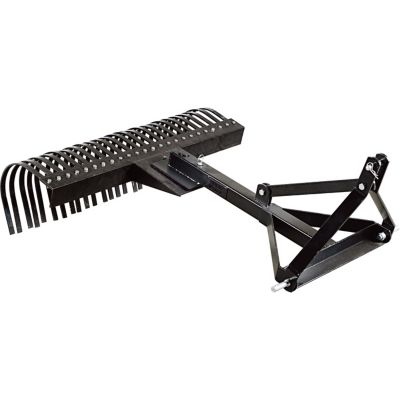
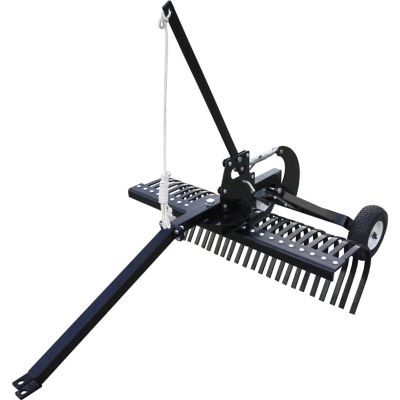
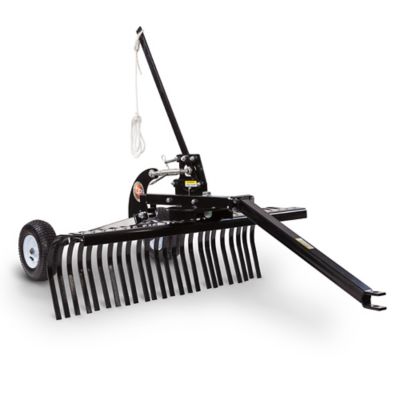
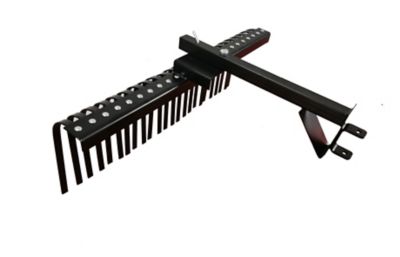
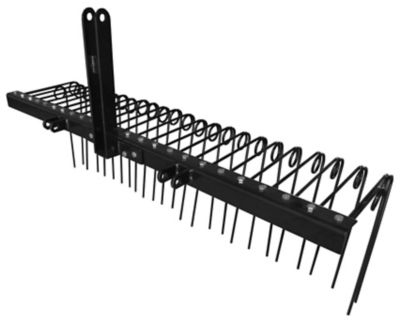
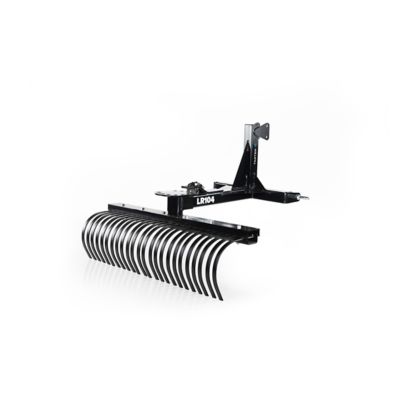
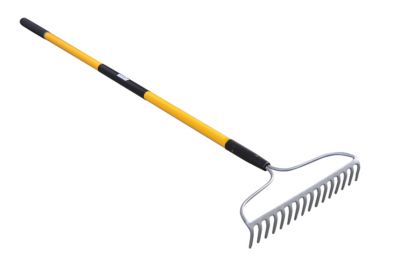
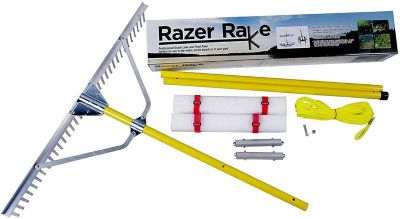
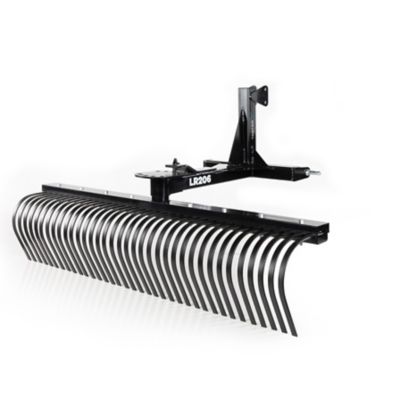
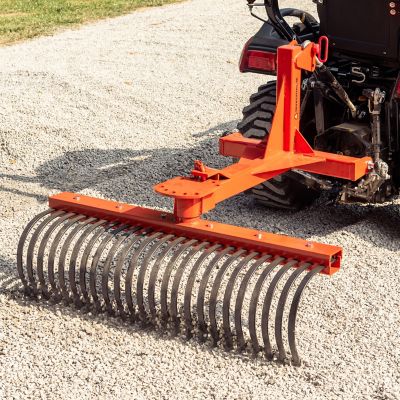
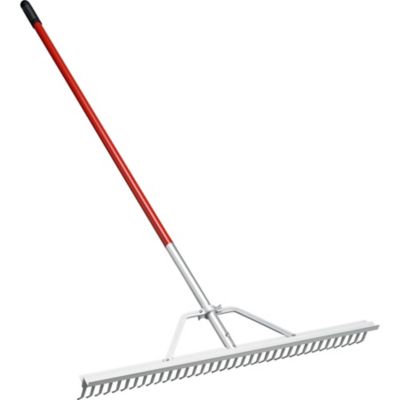
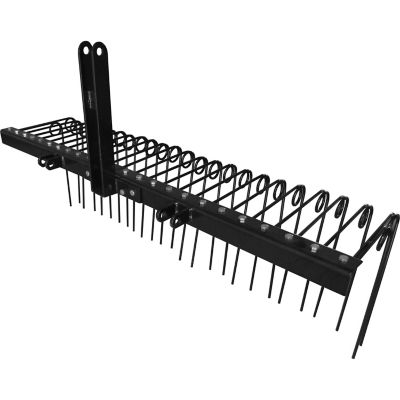
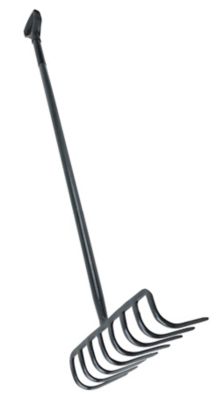
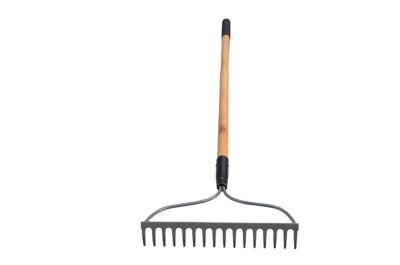
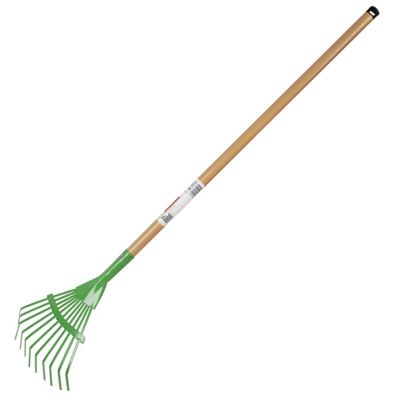
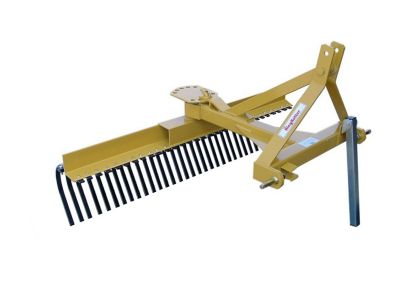
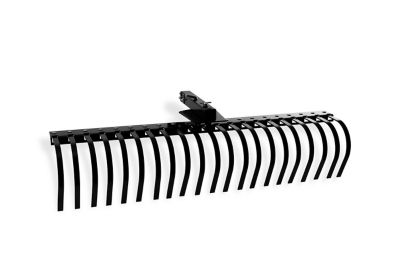
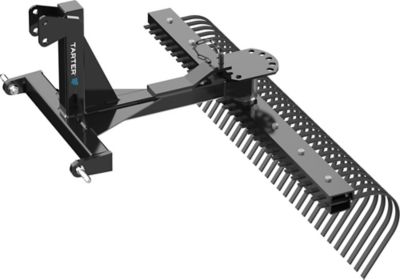
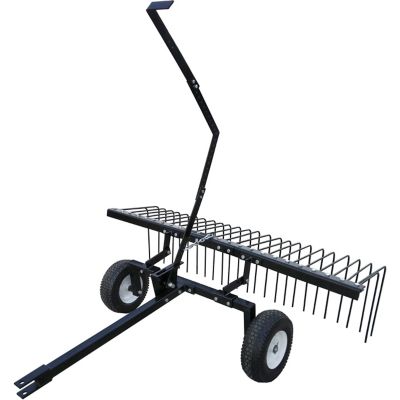
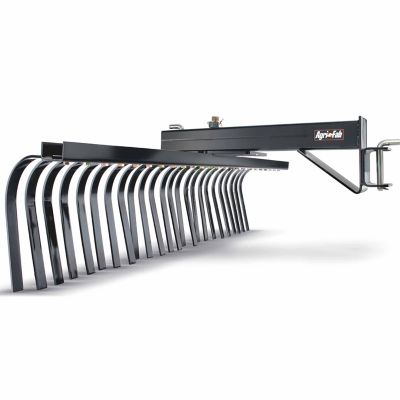
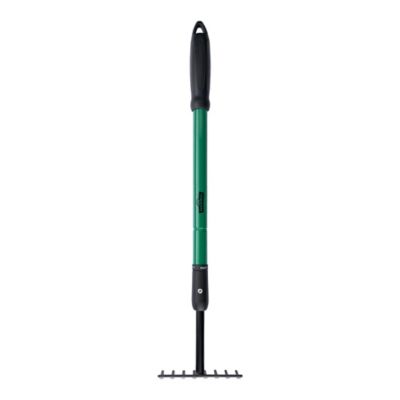
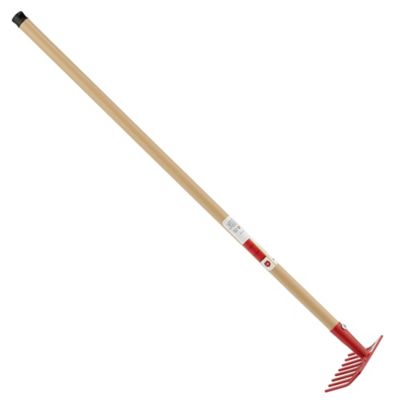
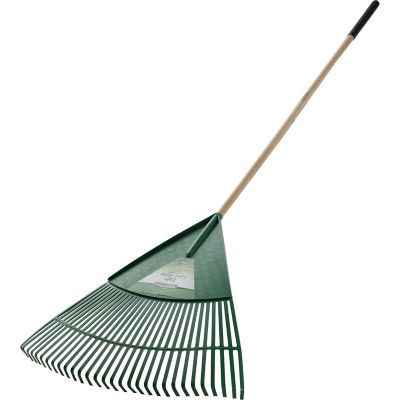
Landscape rakes are handy tools for cleaning up, leveling and preparing ground around the farm, homestead or backyard. They help pull leaves, grass clippings, loose thatch, small sticks, gravel and other surface debris into manageable rows, while also smoothing rough spots in soil, gravel and seedbeds. Depending on the style, a landscape rake may be used by hand for smaller areas or attached to a tractor, ATV or utility vehicle for covering driveways, pastures, garden plots and long stretches of property. They are especially useful after mowing, trimming or light grading, when the ground has been left with scattered clumps and uneven patches. A well-matched rake can make a big difference in how quickly a job comes together, whether you are tidying the edge of a gravel lane, spreading fresh soil over a low place or getting a planting area ready for seed. During the cooler months, a landscape rake can help gather windblown leaves and loose debris before it mats down, while still leaving room to handle cleanup and ground work as weather conditions change.
When choosing a landscape rake, start by considering the size of the area and the equipment available to pull or carry it. A wider rake can cover more ground with each pass, which is helpful in open fields or along a long driveway, but a narrower model may be easier to maneuver between trees, garden rows, fence lines and outbuildings. Check the attachment style, hitch requirements and lift capacity of your tractor or utility vehicle before making a selection, and pay attention to the rake’s working width and adjustment options. Some rakes are built to angle from side to side, allowing material to be pushed away from a path or pulled toward a low spot instead of simply gathered straight behind the machine. Adjustable tine positions can also help with different jobs. Wider spacing may move leaves, straw and light debris without digging in too deeply, while closer spacing is better suited to fine cleanup and leveling. Strong metal tines are a good choice for gravel, packed soil and rough ground, while lighter-duty designs may be more comfortable for lawn care and routine yard cleanup. It is also worth thinking about storage, transport and the kind of finish you want to leave behind. For general yard cleanup and smaller planting beds, take a look at our
Rake For Yard Use options, which can help match the job to a more manageable tool.
The right landscape rake can earn its keep through many seasons and a wide range of chores. On a small farm, it may be used to smooth a freshly worked garden, pull loose bedding from a livestock area or spread a thin layer of soil across a patch that has settled unevenly. Around a country home, it can freshen up a gravel driveway, clear leaves from the edge of a pond or help prepare an open space for grass seed. Hunters, landowners and property managers may use heavier rakes to maintain access roads, trails and clearings, while landscapers and grounds crews can use them for final passes after grading or hauling in fill. Even homeowners who only tackle a few outdoor projects each year may appreciate having one ready when a storm scatters branches, a driveway develops washboard ridges or a garden needs to be leveled before planting. Before each use, walk the area and remove larger rocks, wire and hidden branches that could damage the tines or create a hazard. Work at a steady pace, make overlapping passes and avoid digging too aggressively into wet ground, since damp soil can cling to the rake and leave deeper grooves than intended. With sensible care and the right fit for your equipment, a landscape rake is a practical addition to the shed—one of those dependable tools that helps turn a rough, cluttered patch of ground into a cleaner, more useful space.