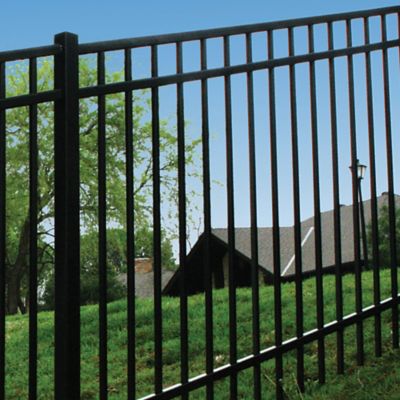
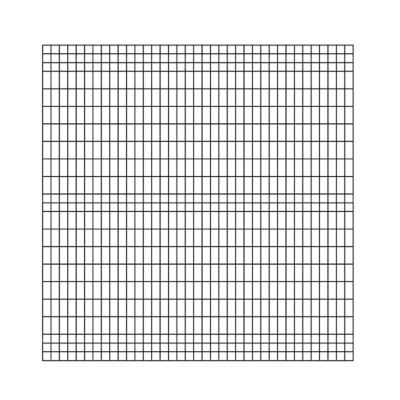
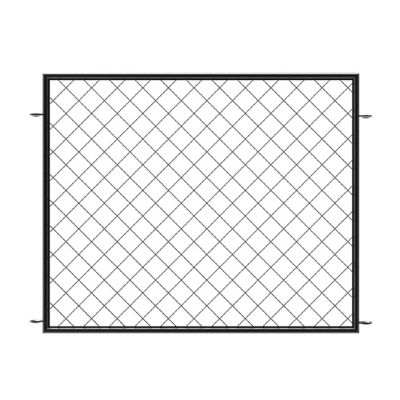
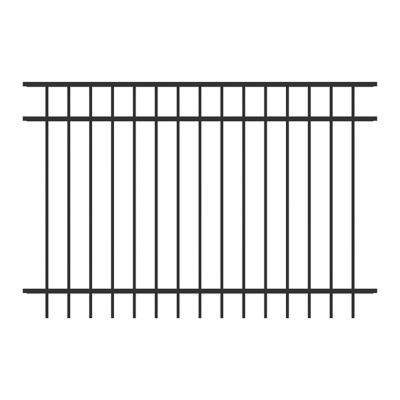
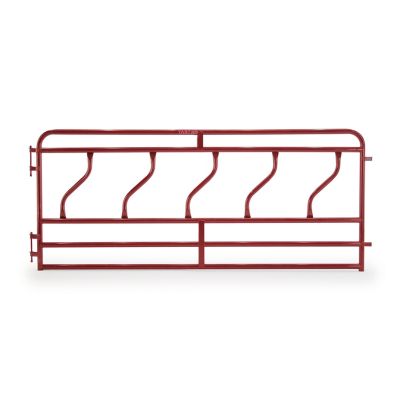
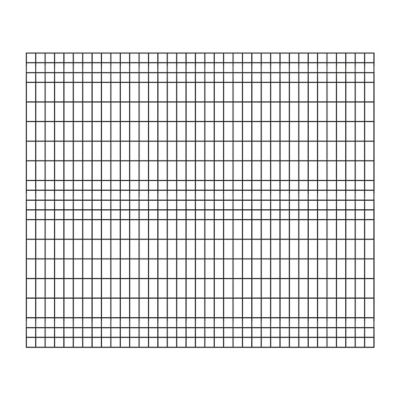
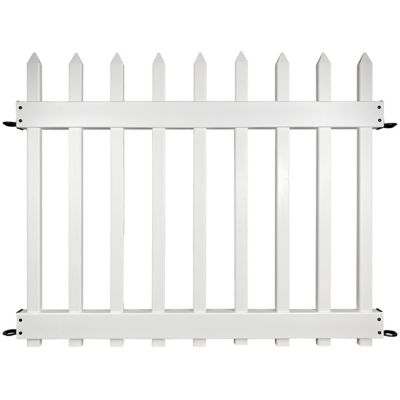
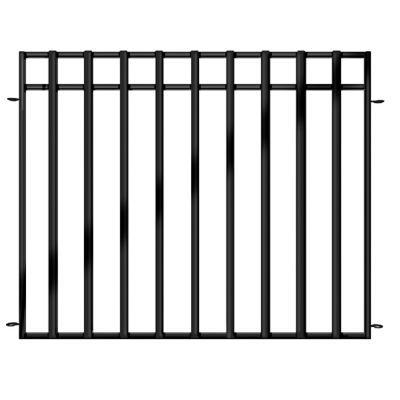
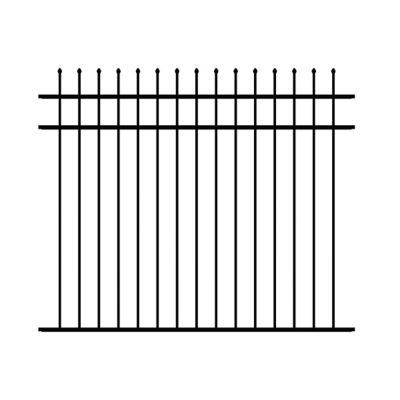
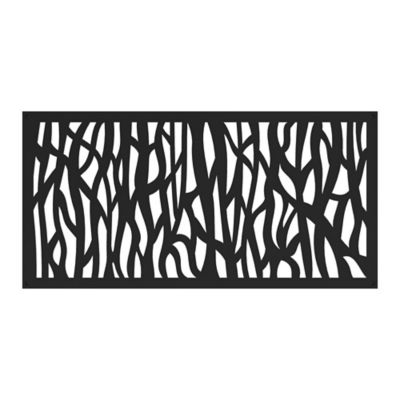
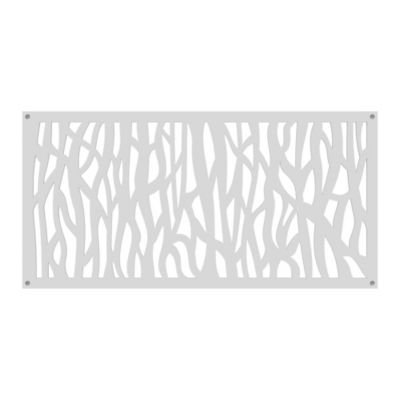
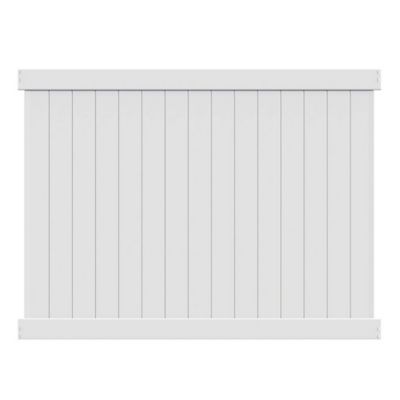
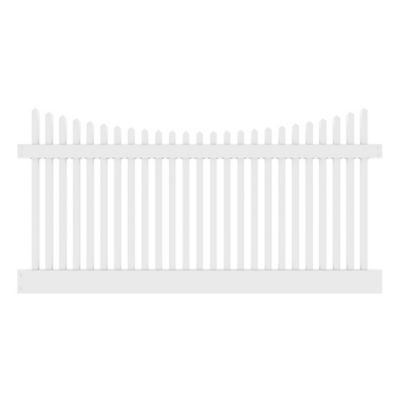
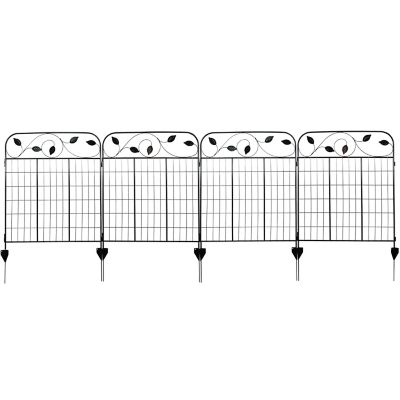
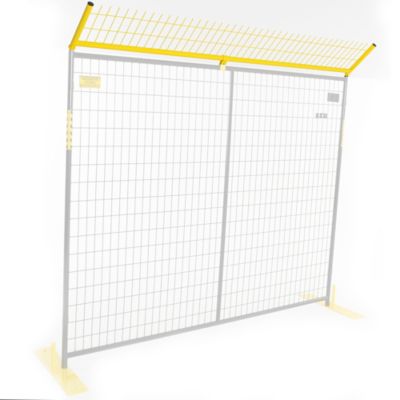
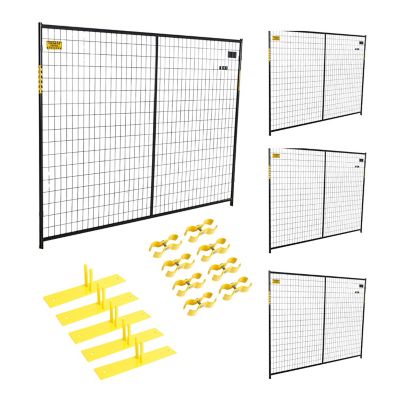
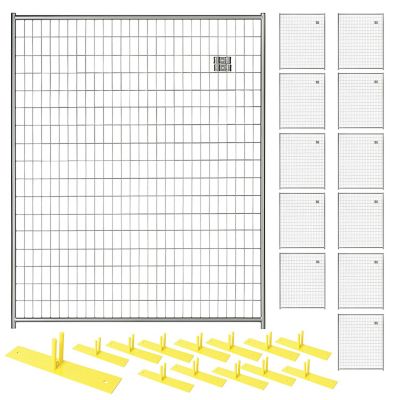
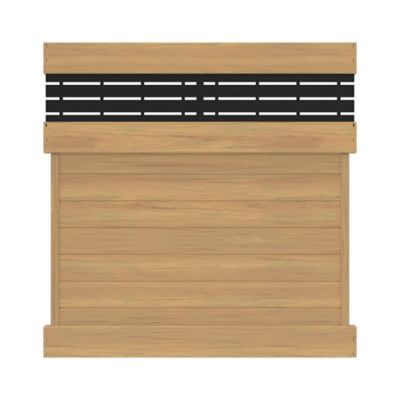
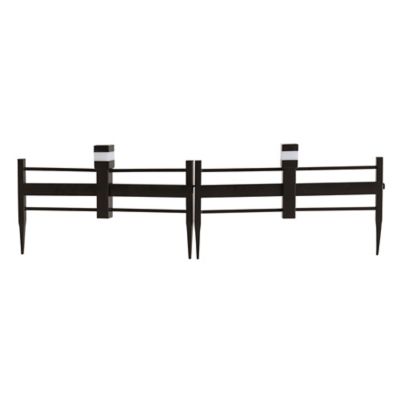
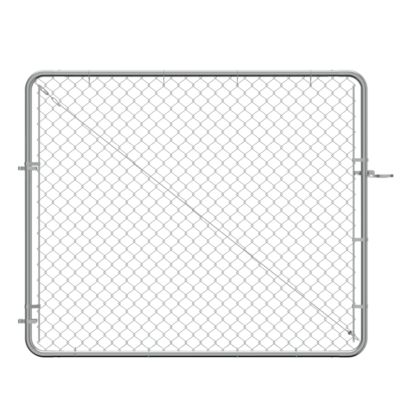
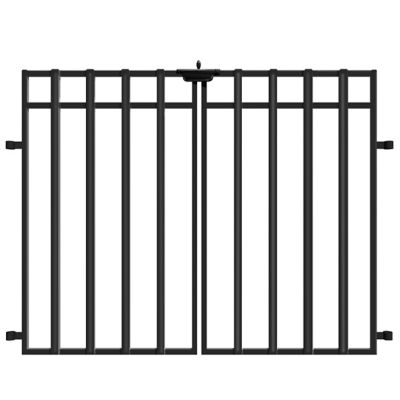
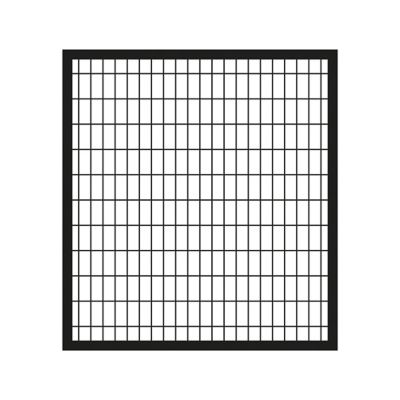
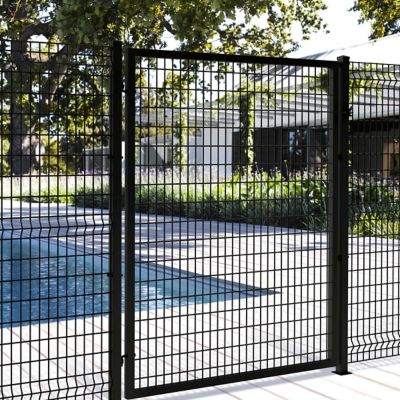
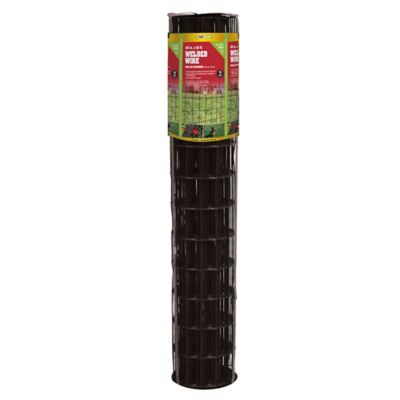
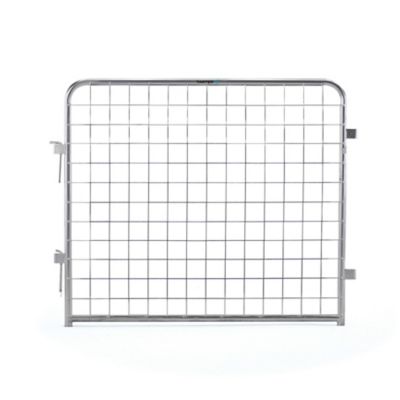
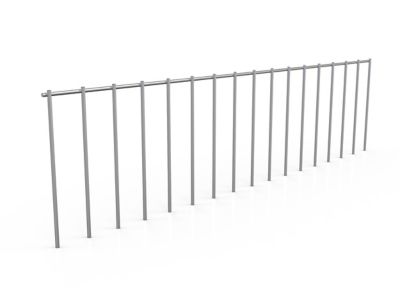
Prefab fencing panels, also called pre-made fence panels, are ready-built sections designed to make fence installation faster and more manageable. Instead of assembling each rail, picket, or infill board one piece at a time, you install a complete section between sturdy fence posts. Many panels are made in standard lengths, with 6-foot-by-8-foot sections being a common size, although dimensions and designs vary by material and manufacturer. That standard sizing can help a homeowner cover a long, straight run with a consistent look, especially around a backyard, garden, livestock area, driveway, or rural property. Prefab panels are a practical choice for handy property owners, do-it-yourselfers, farmers, and anyone who wants to spend less time building a fence from scratch. They can also reduce the need for a large installation crew, since much of the assembly is already done before the panels arrive. Wood panels bring a familiar country look and can blend nicely with barns, sheds, raised garden beds, and older homes. Pressure-treated wood is commonly chosen for outdoor use, though wood still benefits from good drainage, proper spacing above the soil, and regular inspection for moisture damage, warping, sagging, or loose fasteners. Vinyl panels are a low-maintenance option with a clean, uniform appearance and do not need the same routine staining or painting as wood. Aluminum panels offer a strong, lighter-weight choice that can handle outdoor exposure while adding a more open or finished appearance to the property. Since every yard and farmstead has its own character, the best material depends on the look you want, the amount of upkeep you are willing to handle, the amount of privacy or airflow needed, and the kind of weather the fence will face.
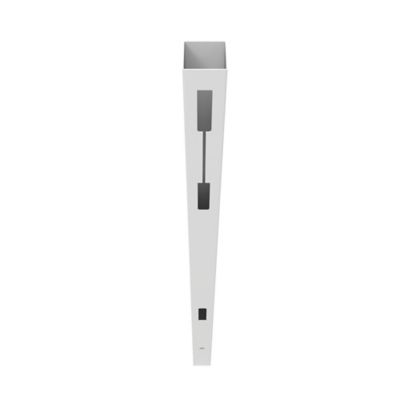
Accurate measuring is the part of a prefab fence project that deserves the most attention. Measure the full fence line, mark corners and ends, and account for gates, turns, slopes, and changes in the ground before ordering panels. Standard sections are convenient, but their fixed lengths cannot always be adjusted to fit an unusual property line. A short leftover space may require a trimmed section, a narrower finishing piece, a different layout, or an extra post, so it is wise to plan the spacing before digging. Posts need to be set at the correct distance from one another, level from side to side, and deep enough for the soil and local conditions. Soft ground, frost, heavy rain, and strong wind can all put stress on a fence, especially when a tall solid panel catches the breeze like a sail. Use posts, brackets, screws, and other hardware suited to the panel material, and check local property rules, utility markings, and any neighborhood or livestock requirements before installation. A level stretch may go together quickly, while rocky soil, steep slopes, tree roots, or a rolling pasture can take more time and may call for a stepped or racked layout. Keep panels clear of standing water and avoid letting wood rest directly on soil. For vinyl or aluminum, look over the frame and connections from time to time, particularly after rough weather. For wood, watch for cracked boards, soft spots, rusting hardware, and areas where water collects. These small checks are easier to handle during mild weather than after the ground freezes or a storm has already caused damage.
Prefab fencing panels can serve several jobs around a property. A homeowner may use them to define a boundary, add privacy along a patio, keep children and pets away from a garden, or give a side yard a more finished appearance. On a small farm, they may help organize work areas, separate a holding space, or create a neat enclosure near a barn, though the panel’s strength, height, spacing, and intended use should always match the animals involved. Gardeners often appreciate a fence that helps protect plantings from pets and foot traffic, while rural property owners may use panels to improve the look of a driveway, screen equipment, or mark the edge of a homestead. During the cooler months, a well-planned fence can help shield a sitting area from wind and give outdoor spaces a settled, finished feel; as the weather warms, it can support a busy garden, play area, or gathering spot. Prefab panels are different from
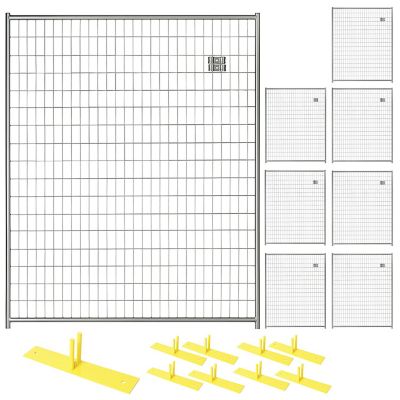
Portable Fence Panels, which are generally selected when an enclosure needs to be moved, rearranged, or taken down more often. The right choice comes down to whether the fence is meant to be a lasting part of the property or a flexible barrier for changing chores and spaces. Before purchasing, compare panel dimensions, material, finish, privacy level, post spacing, hardware needs, and the total number of sections required. A little planning helps avoid wasted panels and awkward gaps, while choosing a style that fits the home, barn, or landscape can make the finished fence look like it belongs there from the start.