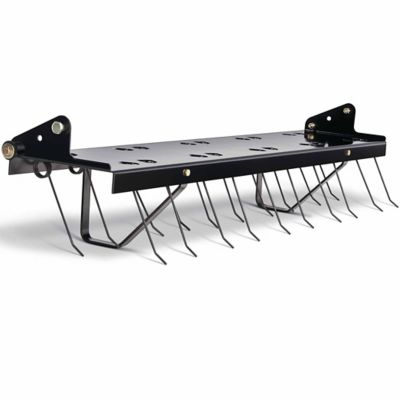
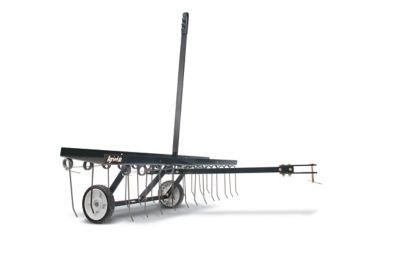
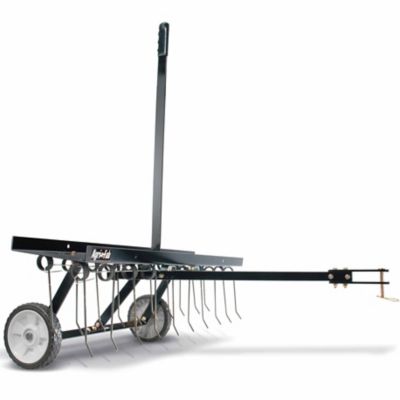
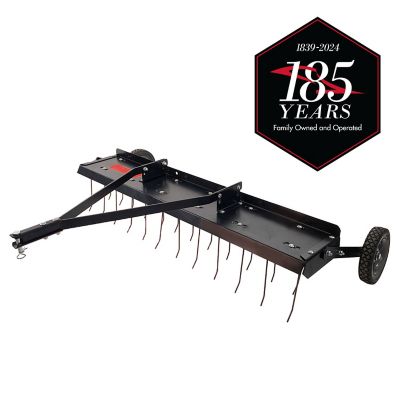
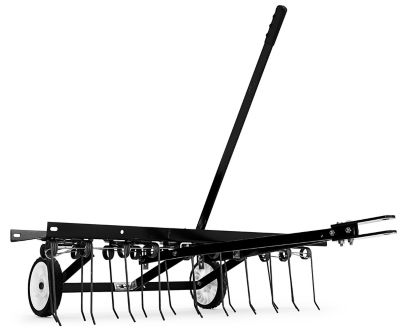
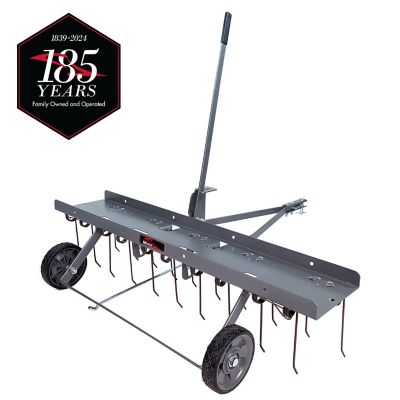
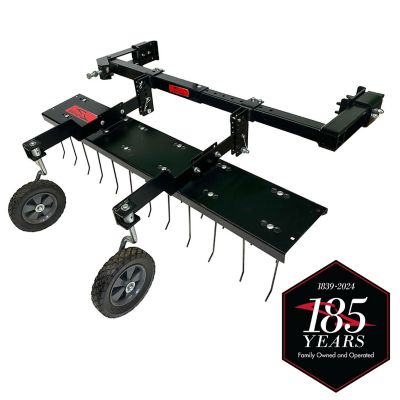
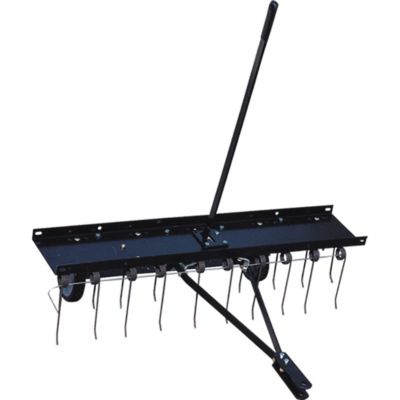
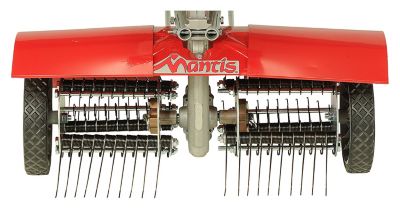
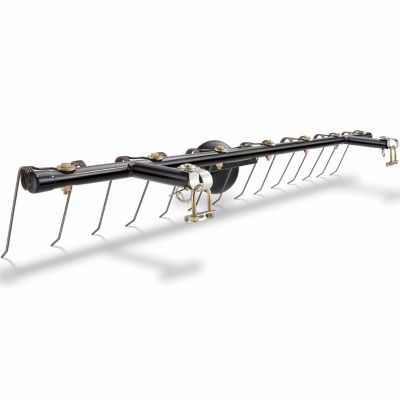
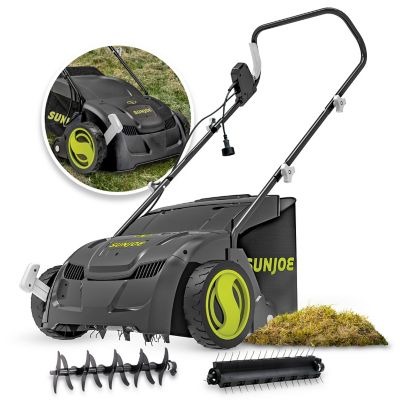
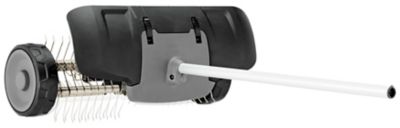
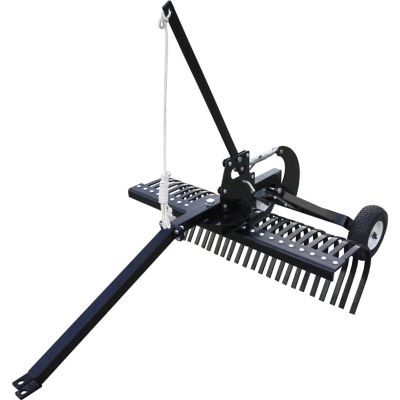
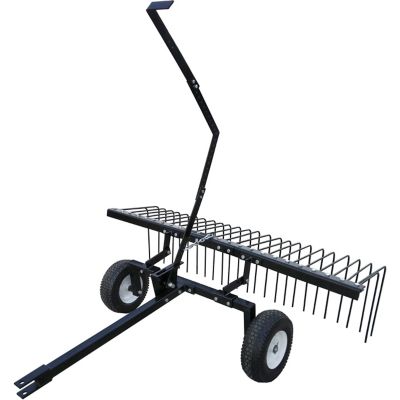
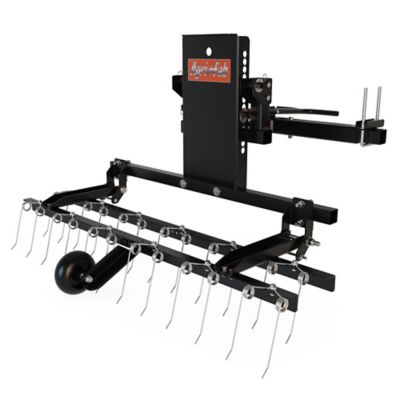
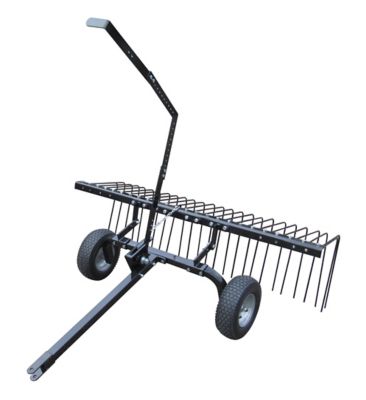
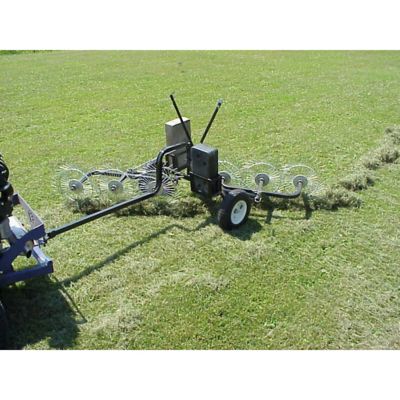
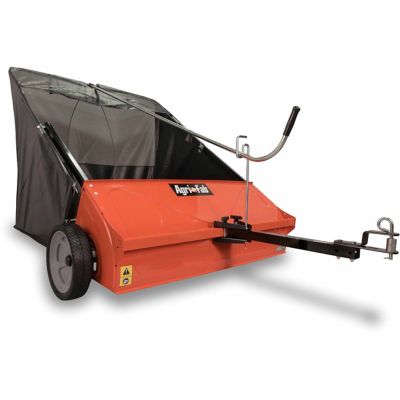
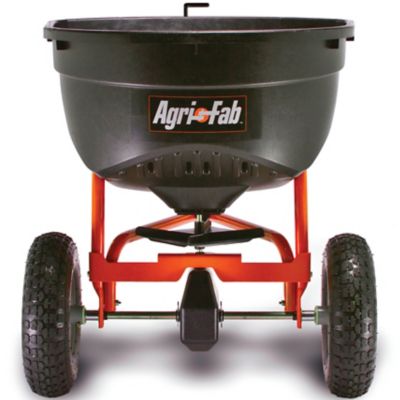
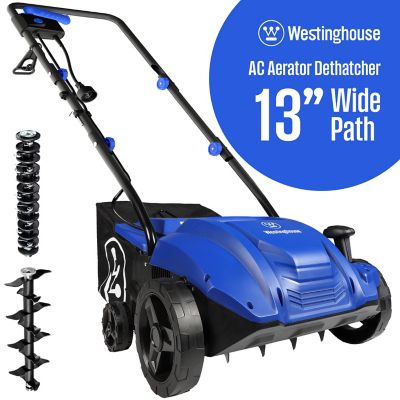
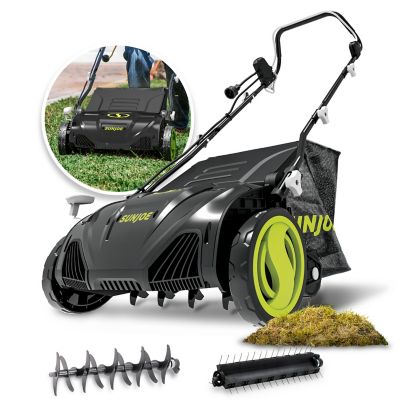
Yard dethatchers help clear away the dense layer of dead grass, moss, roots, and other organic material that can collect between green blades and the soil. A little thatch is normal and can help protect the ground, but a thick, spongy layer may keep water, air, fertilizer, and sunlight from reaching the grass roots. When the lawn feels springy underfoot, dries out quickly even after watering, or shows a matted layer of brown material near the soil line, dethatching may help open things back up. These lawn tools use spring tines or steel blades to lift that buildup as they pass over the turf, leaving the loosened material on top for raking or collection. They can be useful for homeowners caring for a modest suburban lawn, property owners maintaining a larger stretch of grass, landlords keeping rental grounds in shape, and anyone who takes pride in a neat, healthy yard. Dethatchers are also practical for new homeowners or lawn-care-minded friends and family members who already have the basics, such as a mower, rake, and spreader, but need a better way to handle stubborn thatch. Used at the right time and depth, a dethatcher can be an important part of lawn maintenance and can prepare an established lawn for overseeding, helping new grass seed make better contact with the soil.
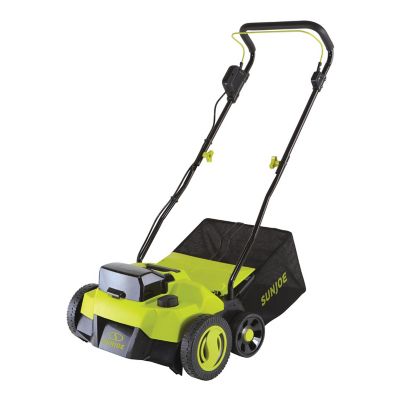
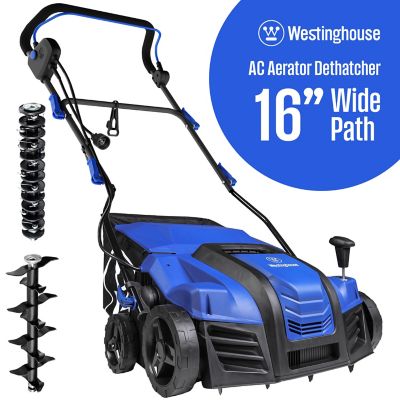
Choosing the right yard dethatcher starts with the size and layout of the area you plan to maintain. Manual dethatching rakes offer simple, quiet operation and can work well for small patches, narrow side yards, or spot treatment around garden beds and trees. They require more physical effort, but they do not need fuel, a battery, or an extension cord. Electric dethatchers are a convenient choice for many residential lawns, with corded models suited to areas within reach of an outdoor outlet and battery-powered models offering more freedom of movement around the property. When comparing powered options, consider working width, handle comfort, adjustable depth settings, battery runtime if applicable, cord length, storage space, and whether the tool is easy to lift and maneuver. Spring tines are useful for loosening thatch across the surface, while heavier steel blades may be better suited to more stubborn buildup, depending on the lawn and the tool’s design. Look for a depth adjustment that lets you begin gently rather than digging aggressively into the soil. A dependable tool should feel balanced in your hands, move steadily across the grass, and make it easier to cover the lawn in organized passes. For additional ideas about choosing a tool that makes lawn cleanup more manageable, see
Efficient Dethatcher for Quick Cleanup. Protective eyewear, sturdy shoes, gloves, and hearing protection for louder powered equipment can make the work more comfortable and safer, especially when dry debris begins to fly.
Dethatching works best when the grass is actively growing and has enough time to recover, which generally makes the growing periods of spring and fall useful windows for the job. During the warmer stretch of late summer, watch the condition of the lawn and avoid working in extreme heat, drought, or very dry soil, since stressed grass may have a harder time bouncing back. As cooler weather settles in, a well-timed pass can clear away excess thatch before overseeding or help tidy turf ahead of the dormant season, provided the grass type and local conditions are suitable. Before starting, mow slightly shorter than usual, remove sticks, stones, pet toys, and other debris, and check the lawn for sprinkler heads or low obstacles. Begin with the highest or gentlest depth setting, make a test pass in an inconspicuous area, and lower the setting only if the thatch is not being lifted. Move at a slow, steady pace instead of forcing the machine through the grass, and avoid repeated passes that may disturb healthy roots. A healthy lawn usually needs only enough pressure to pull up the loose brown layer, not enough to scrape bare soil. Afterward, rake up the loosened material or use a lawn vacuum, then water and fertilize according to the needs of the grass. If overseeding, spread seed after the surface has been cleared and prepared, following the recommendations for the grass variety in your region. Keep in mind that a dethatcher is not the same as a core aerator: dethatchers remove surface buildup, while aerators create openings in compacted soil. Used separately or as part of a broader lawn-care routine, yard dethatchers can help turn a tired, matted lawn into a cleaner surface where moisture, air, and nutrients can reach the roots more effectively.