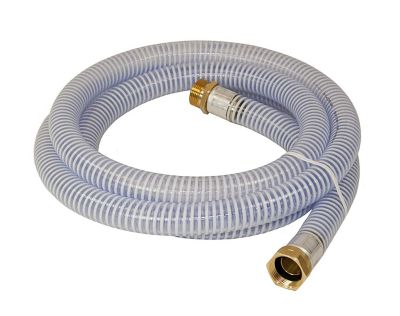
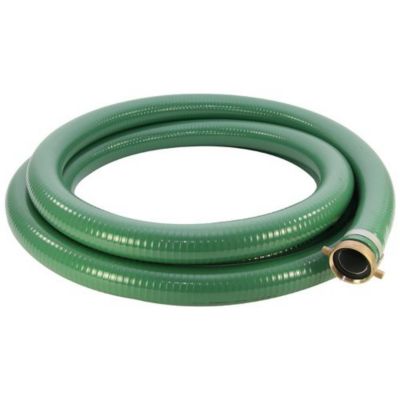
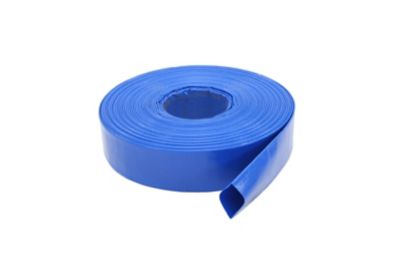
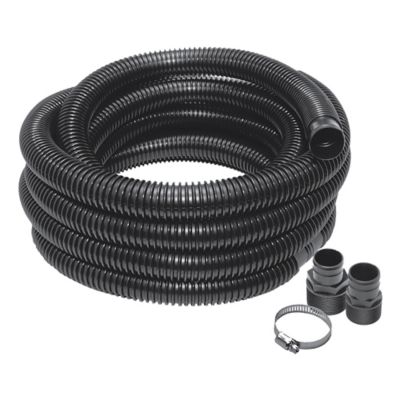
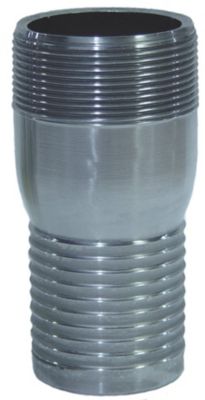
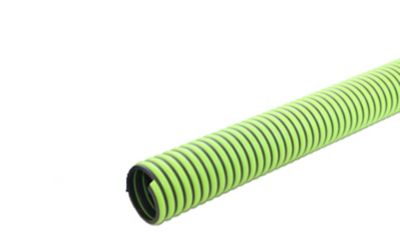
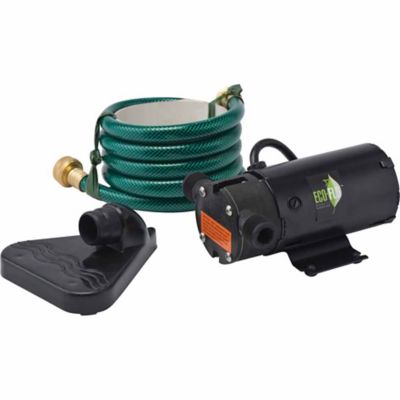
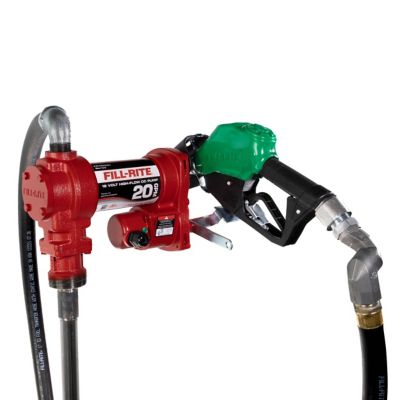
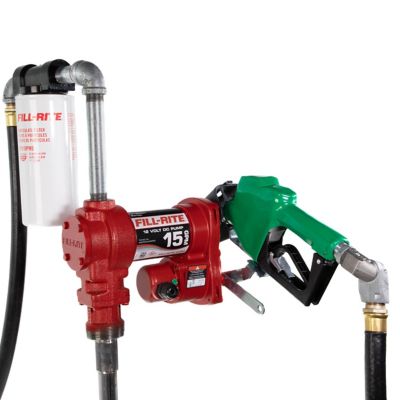
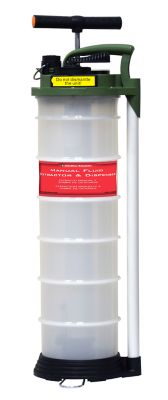
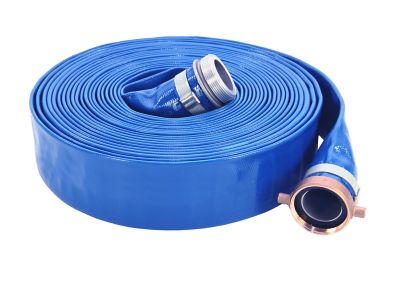
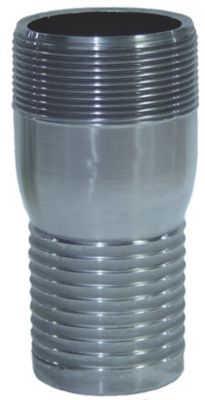
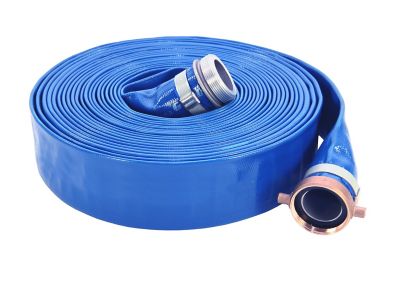
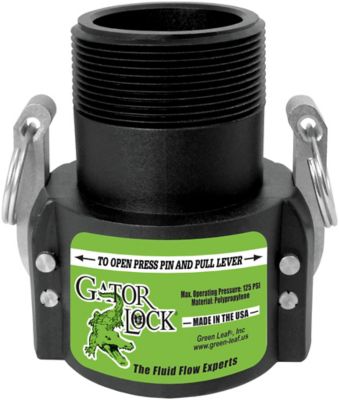
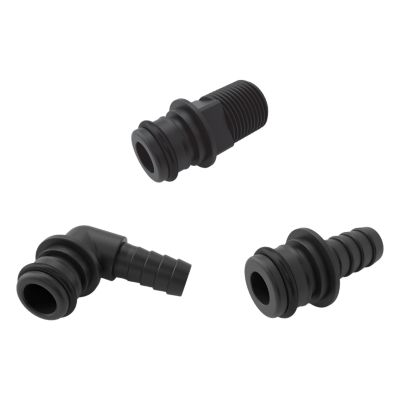
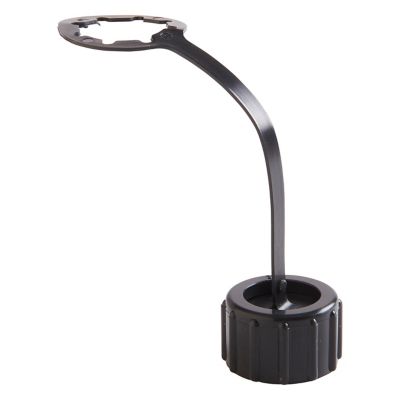
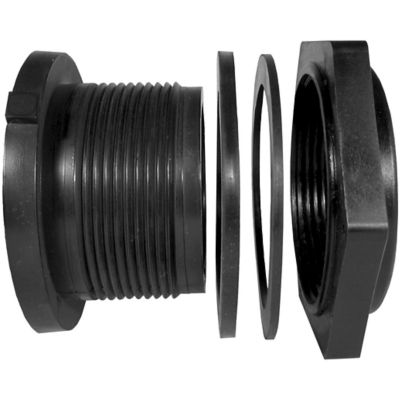
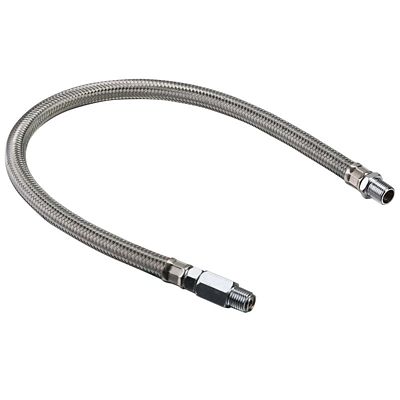
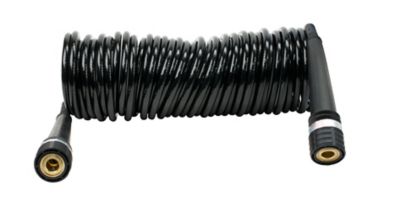
When you’re working out on the farm, in the shop, or keeping things running around the homestead, having the right suction and discharge line setup can make a world of difference. These hoses and lines are the backbone for moving water, chemicals, or other fluids wherever they need to go—whether you’re irrigating crops, draining a flooded field, filling stock tanks, or keeping your pool clean and clear as the weather warms up. Folks who run livestock operations, manage greenhouses, or handle any kind of water transfer know just how important a quality tractor supply suction hose or tractor supply discharge hose can be. These hoses aren’t just for the big jobs either; even smaller operations or backyard projects can benefit from a reliable suction and discharge line when it comes to things like transferring rainwater, running sump pumps, or tackling seasonal maintenance chores.
When you’re picking out the right hose or line, it’s worth thinking about what you’ll be moving and how far you need to move it. Suction lines, for example, need to be tough enough to handle negative pressure—meaning they can’t collapse or kink when your pump draws water in. That’s why you’ll usually see them reinforced with spiral wire or built from heavy-duty materials that can take a beating, even if you’re running them over rough ground or dragging them through the barnyard. Discharge lines, on the other hand, have to stand up to high internal pressure as the pump pushes water out, sometimes over long distances or up a hill. Folks who’ve ever had a hose burst mid-job know how important it is to get something rated for the pressure your pump puts out. You’ll also want to look at hose diameter—wider hoses can move more water, but they’re heavier and might need bigger fittings. If you’re setting up a new irrigation system, replacing old lines on your sprayer, or just making sure your emergency sump pump is ready for the next heavy rain, it’s worth investing in the right size and style for your needs.
These hoses and lines aren’t just practical—they can make a thoughtful gift for anyone who likes to keep their land in shape or enjoys tinkering with projects around the place. A new suction and discharge line setup can save time and hassle, making chores easier and more efficient all season long. Whether you’re helping a neighbor gear up for a busy summer, surprising a family member who’s always fixing something, or just treating yourself to an upgrade, a reliable hose is something you’ll appreciate every time you fire up the pump. And if you’re working with HVAC or refrigeration systems, don’t forget to check out our selection of
Condenser Lines—they’re just as important for keeping things cool and running smoothly during those hot stretches. No matter your project, having the right suction and discharge lines on hand means you’re ready to tackle whatever comes your way, from daily chores to those unexpected jobs that pop up as the seasons roll on.