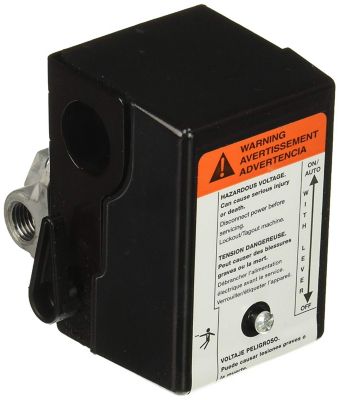
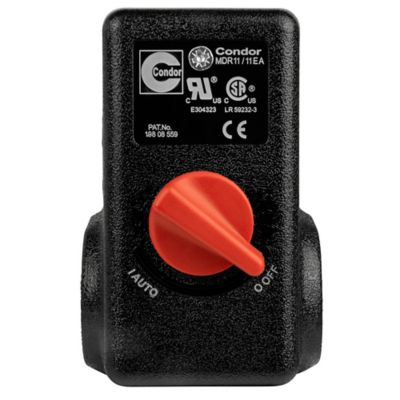
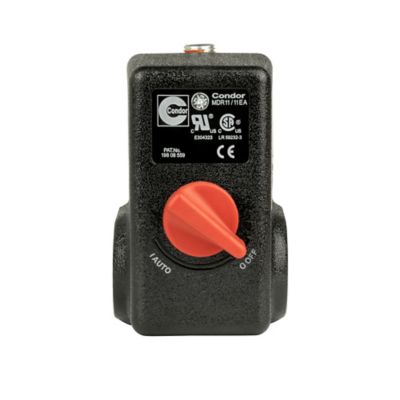
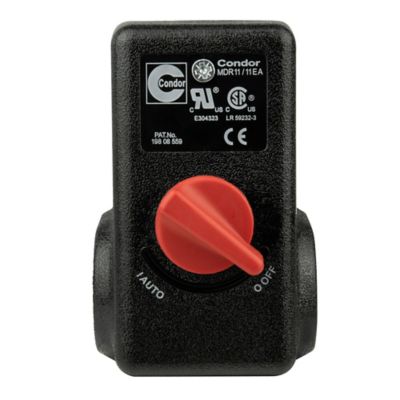
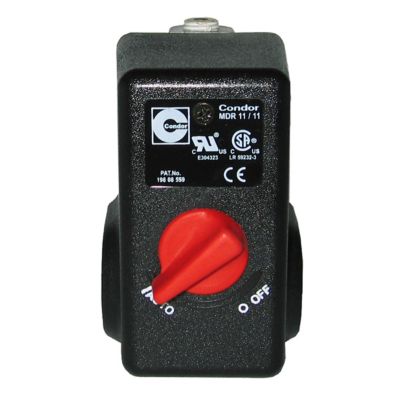
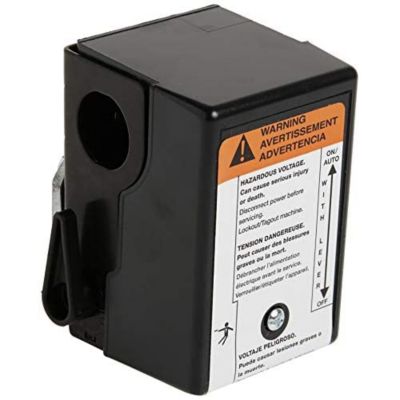
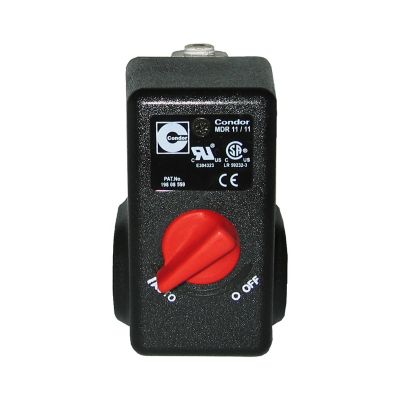
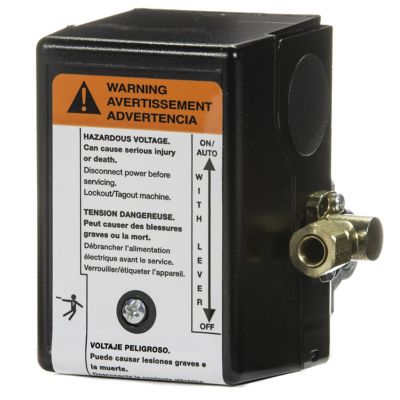
When it comes to keeping your tools and equipment running smooth out in the shop, barn, or garage, having the right compressor switches on hand can make all the difference. Folks who rely on air compressors—whether for airing up tires, powering nail guns, running spray equipment, or tackling a list of farm chores—know just how important a dependable air compressor pressure switch is. These switches are the heart of your compressor’s control system, automatically kicking the motor on when tank pressure dips below a set point (the “cut-in” pressure) and shutting it off once it reaches the “cut-out” pressure. That means you don’t have to babysit your compressor or worry about over-pressurizing the tank. For anyone who’s ever been elbow-deep in a project and heard that familiar click as the air compressor shut off switch does its job, you know just how much you rely on these little workhorses.
Choosing the right air compressor pressure switch is about more than just matching up thread sizes or voltage. You’ll want to think about your compressor’s max PSI, the type of work you’re doing, and the environment it’s operating in. If you’re running a small portable unit for quick jobs around the farm, a universal 4-port switch might do the trick, while bigger shop compressors or those used for heavy-duty work may need a more specialized cut off switch or even a combination air compressor regulator and pressure switch for finer control. Folks who use their compressors through the heat of summer and into the cooler months—whether it’s for inflating tractor tires before harvest, keeping tools clean, or running air-powered fencing staplers—will appreciate a reliable switch that can handle frequent cycling and changing temperatures. And if you’re looking for a practical gift for the DIYer, mechanic, or farmer in your life, a quality replacement air compressor pressure switch is a thoughtful pick—especially for someone who likes to keep their equipment in top shape.
When it comes time to replace or adjust your switch, safety comes first. Always disconnect the power and bleed the air from your tank before getting started. If you’re swapping out a faulty switch—maybe you’ve noticed your compressor won’t shut off, won’t start, or keeps leaking air—it’s a good idea to double-check the wiring, use Teflon tape on threaded ports, and reconnect everything just as it was. Adjusting the cut-in and cut-out points can help you dial in your compressor to match your specific needs, but be sure not to exceed your tank’s rated PSI. Whether you’re a seasoned pro or just learning the ropes, having the right switch means you can spend more time getting things done and less time worrying about breakdowns. If you’re looking to learn more or find a wider selection of replacement parts and options, check out our
Air Pressure Switches page for everything you need to keep your compressor running strong, season after season.