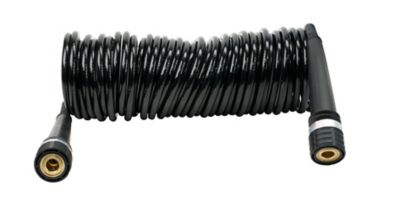
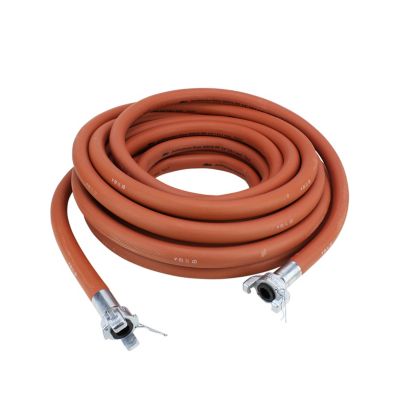
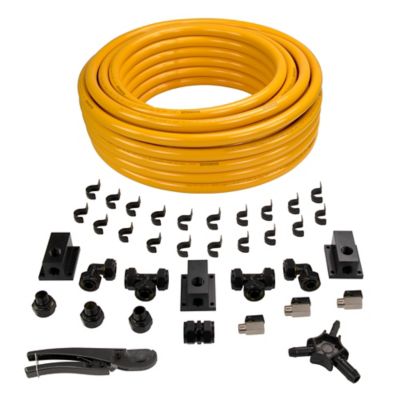
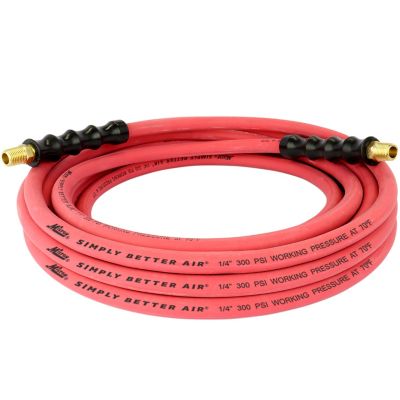
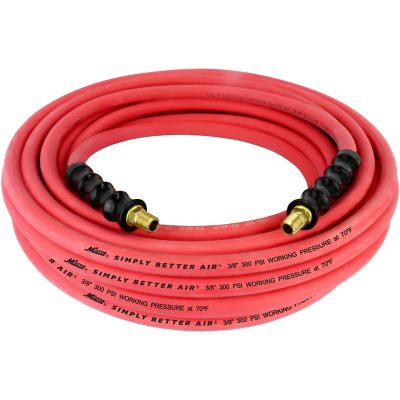
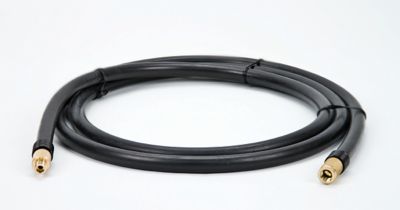
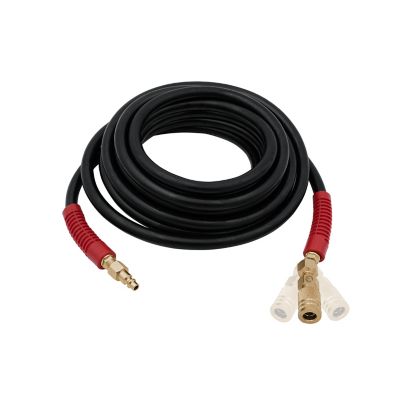
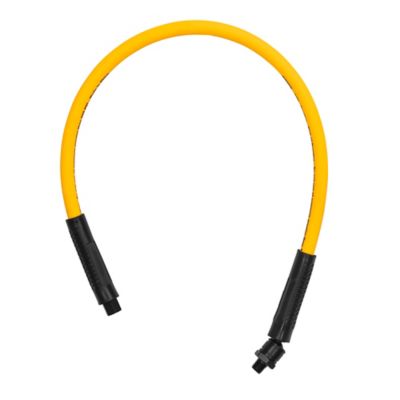
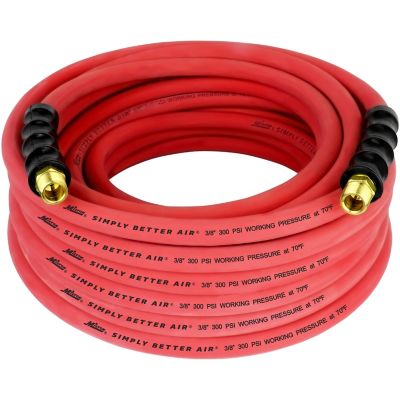
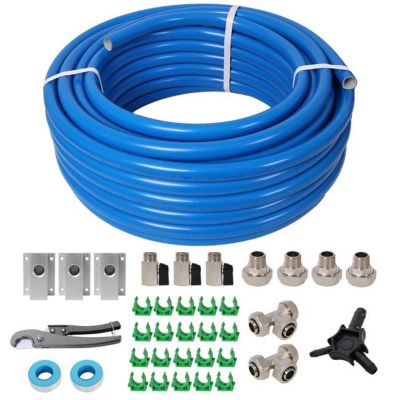
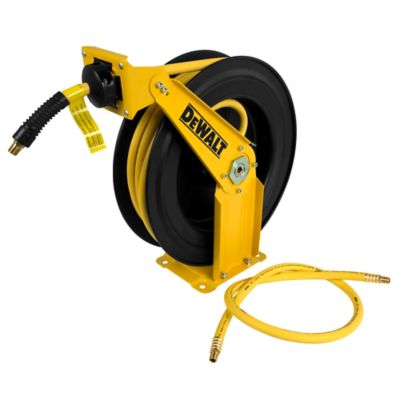
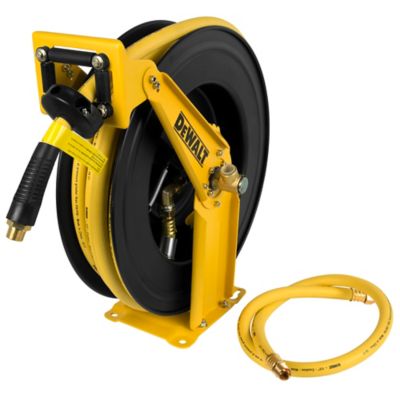
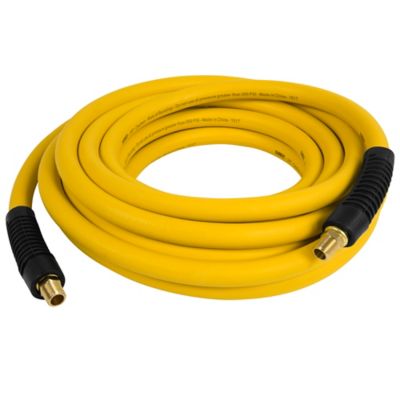
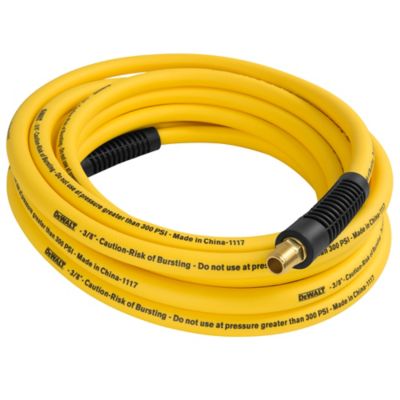
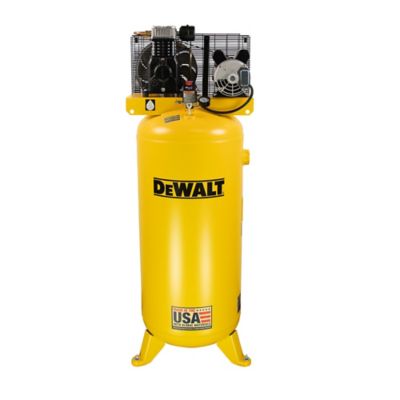
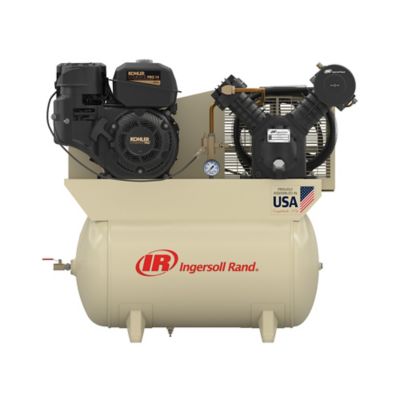
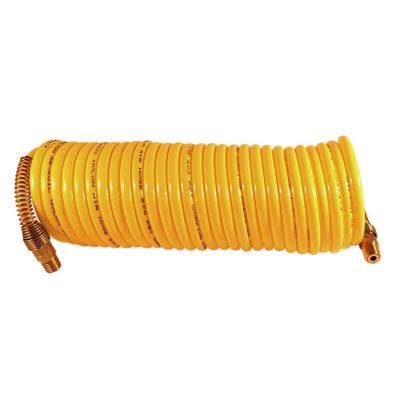
An air compressor tube, also called a discharge tube or discharge line, carries hot, high-pressure compressed air from the compressor pump head to the air tank. On many compressors, that connection runs through a tank check valve, which helps keep stored air from flowing back toward the pump after it stops. This tube is part of the compressor itself, not the flexible air hose that stretches across the shop to a nailer, impact wrench or tire chuck. That distinction matters when choosing a replacement: a discharge line has to handle the pressure, heat and vibration produced at the pump, along with the connection requirements at both ends. Around a farm shop or home garage, a sound connection helps keep the compressor ready for jobs such as airing up equipment tires, running compatible air tools and handling routine repairs. A properly matched tube also keeps the air path routed where the manufacturer intended, away from moving belts and other parts that need clearance. The pump, discharge line, check valve and receiver work together on
Air Tank Compressors, so tube selection depends on the whole setup rather than tank size alone. Two machines with similar-looking tanks can have different pump locations, outlet fittings and operating requirements. A tube that looks close on the bench may not line up once it reaches the machine. For folks keeping an established shop compressor in service, the equipment model information and original part specifications provide a better starting point than appearance. The right fit preserves the intended connection between pump and tank without pulling either fitting sideways or leaving the line rubbing against the frame. Whether the compressor supports fence repairs, equipment maintenance or weekend woodworking, that small stretch of tubing has an important job every time the pump cycles. Its shape and connections deserve the same attention as the larger components surrounding it.
Material is one of the main differences among air compressor tubes. Depending on the equipment design, discharge tubing may be copper, aluminum, steel or another material specified by the manufacturer for that application. Each brings its own requirements for wall thickness, fittings, support and resistance to corrosion. Copper tubing can provide a formed metal air path, while steel and aluminum lines appear in other compressor designs; none should be treated as a universal substitute for another. Material choice needs to match the compressor’s operating pressure and discharge temperature, not just the size of the opening. General-purpose plastic tubing and ordinary tool hoses are not substitutes for a pump-to-tank discharge line unless the equipment manufacturer expressly specifies them for that location. Fit also involves more than overall length. Outside diameter, wall thickness, end style, thread size and thread type all affect whether a replacement will connect and seal as intended. Some assemblies have compression connections, while others have threaded ends or a combination of connection styles. A compression fitting depends on the correct tube dimensions and matching components; a threaded connection depends on the proper thread form and sealing method. Forcing mismatched parts together can damage the connection instead of solving a leak. The bends matter, too. A formed line may need to pass around the motor, clear a belt guard and approach the check valve at a particular angle. Too much tension at either end can put stress on fittings as the pump vibrates. Too little clearance can leave the tube chafing against nearby metal. Specified brackets, clamps and supports help maintain the intended routing. Smaller control or unloader tubing may sit close to the main discharge line, but it serves a different purpose and should not be confused with the larger pump-to-tank connection. Checking the equipment diagram helps keep those lines and their fitting requirements straight before a replacement is chosen. A well-matched assembly should sit naturally in its intended position, with no need to wrestle the tube into alignment or alter surrounding guards.
Service life depends on correct installation, proper support and attention to the conditions inside the compressor area. Pump vibration, repeated pressure cycles, moisture and contact with nearby components can all take a toll on tubing and connections. A line that stays clear of the frame and sits firmly in its specified supports has less opportunity to rub or flex where it should not. Routine attention can reveal flattened spots, corrosion, cracks near a fitting or a shiny wear mark where the tube has been touching another surface. A persistent hiss or a compressor that runs longer than expected can have several causes, including leaks elsewhere in the system, so those signs alone do not identify a bad discharge tube. The tubing, fittings, check valve and other components need to be considered together. Any hands-on inspection, tightening or replacement calls for power to be disconnected or otherwise isolated, stored pressure to be fully relieved according to the equipment instructions, and hot parts to be allowed to cool. A quiet motor does not mean the tank or discharge line is safe to open. Connections should never be loosened under pressure, and suspected leaks should not be checked with bare hands against a hot or pressurized line. Cracked tubing, damaged fittings and questionable connections belong in the hands of a qualified service technician when the repair is beyond the owner’s experience. Improvised patches or changes to the original routing can create problems that are not obvious from the outside. For a compressor that earns its keep beside the workbench, careful matching is more useful than simply choosing the nearest-looking tube. Keeping the model number, connection measurements and required tube specifications together makes future maintenance less of a guessing game. Air compressor tubes may be small compared with the tank and motor, but their materials, fit and condition help maintain the compressed-air path that everyday shop work depends on.