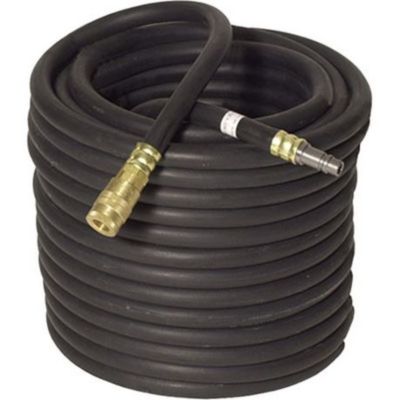
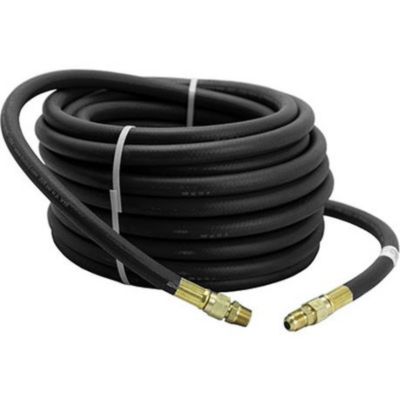
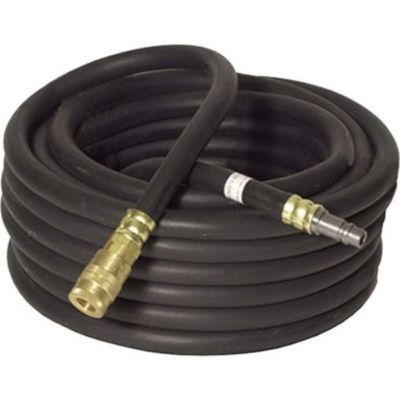
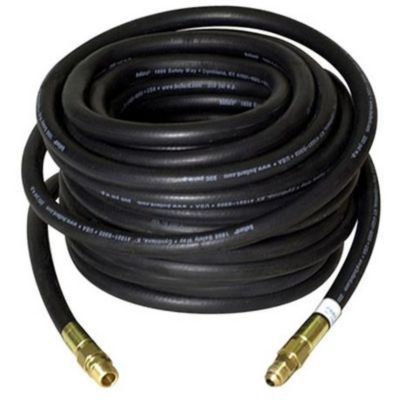
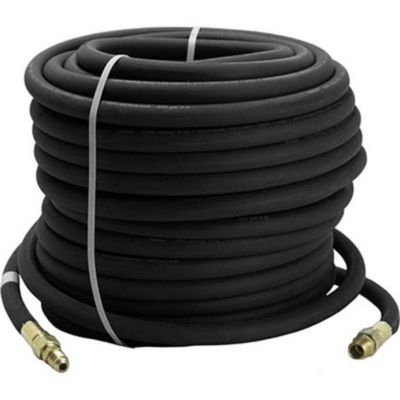
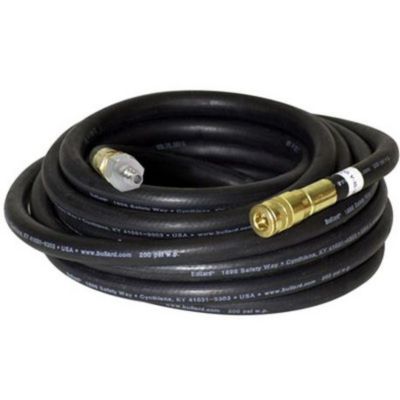
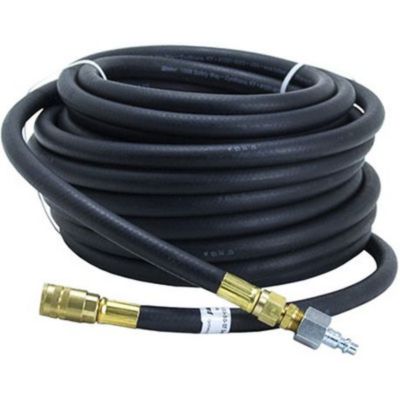
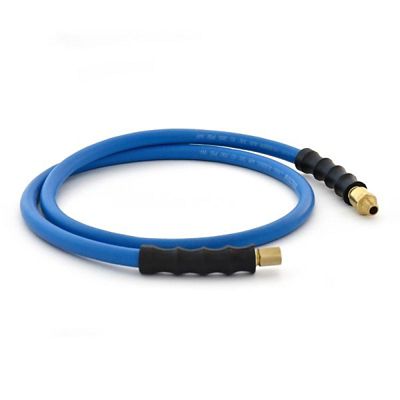
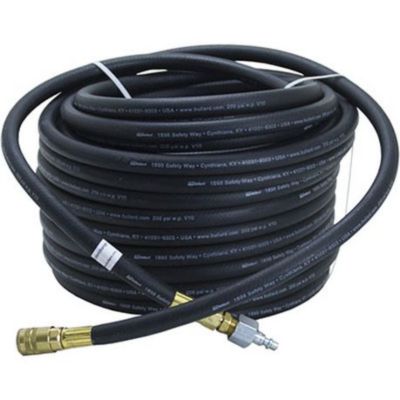
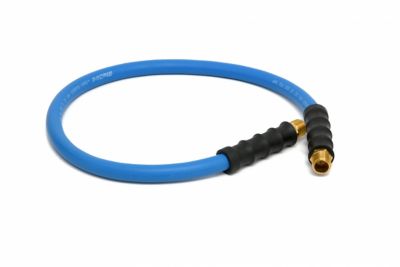
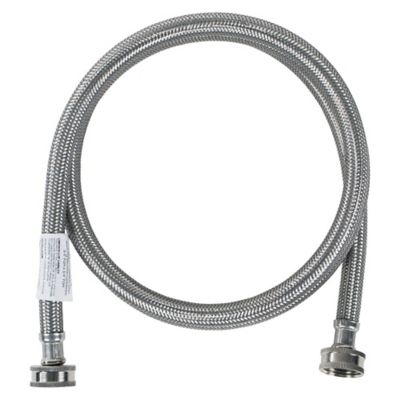
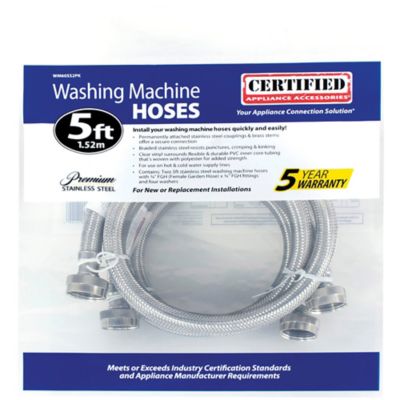
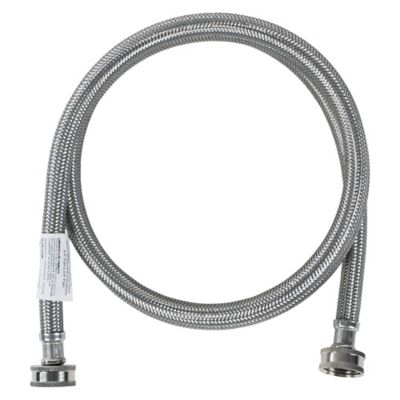
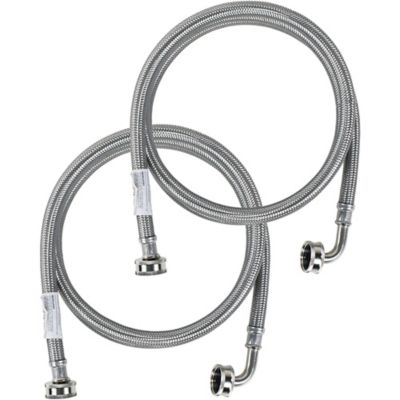
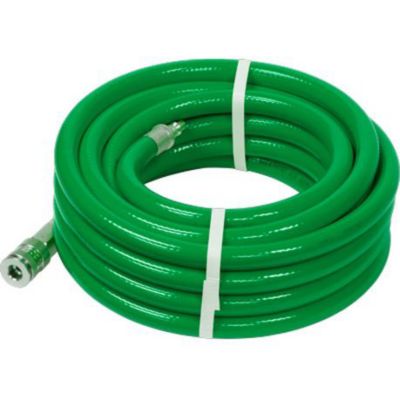
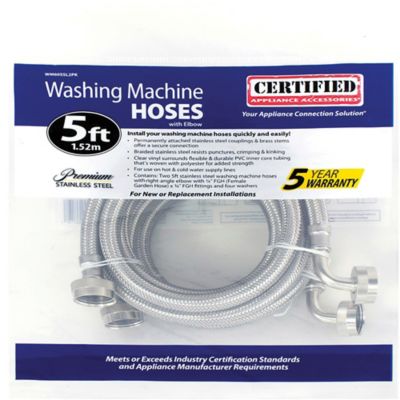
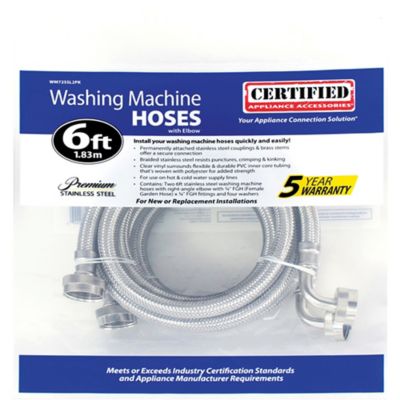
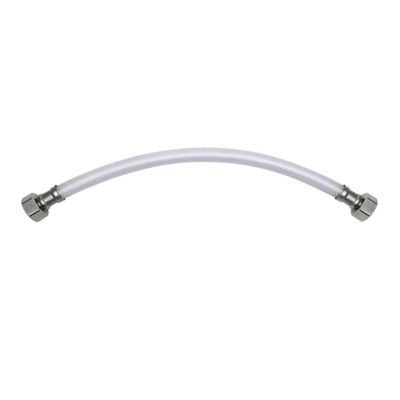
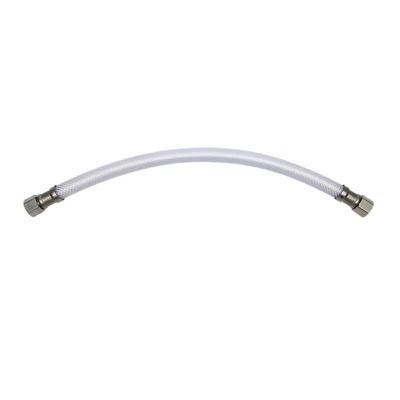
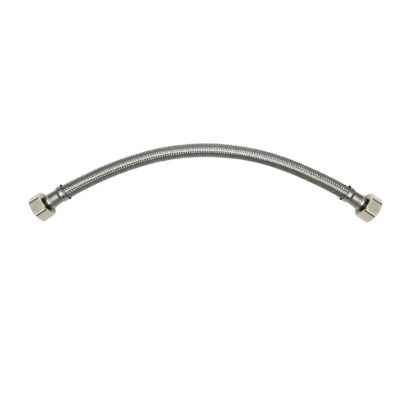
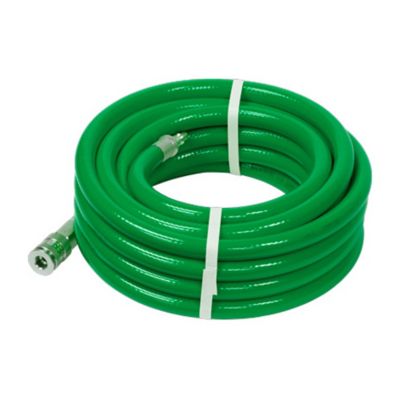
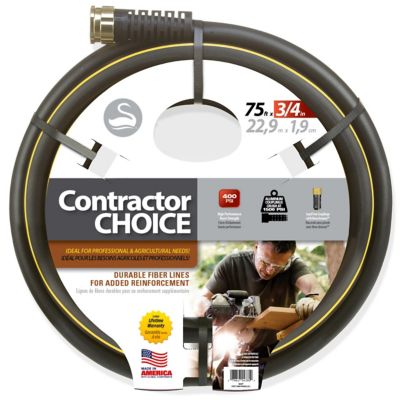
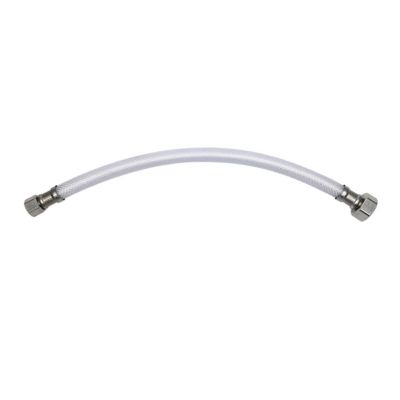
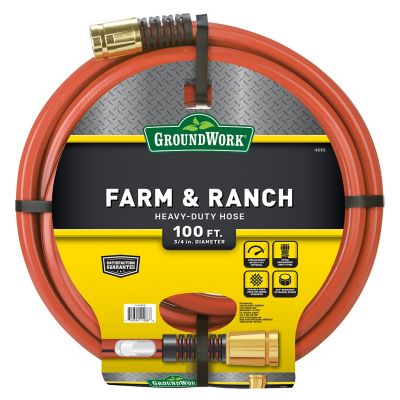
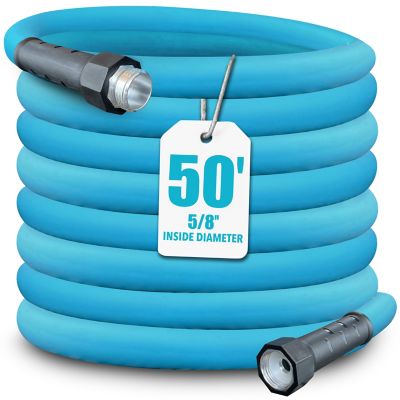
Supply hoses, also called water supply lines or supply connectors, carry water from a supply pipe or shutoff valve to a plumbing fixture or appliance. They form the final link behind a washing machine, beneath a sink, or beside a toilet, bringing water where it needs to go without requiring a rigid pipe connection at every turn. Around a farmhouse, workshop, laundry room, or utility space, that flexibility helps accommodate tight cabinets, nearby drainpipes, and hookups that do not line up perfectly. The application matters: a faucet connector, toilet supply line, dishwasher hose, and washing machine hose can have different fittings, flow requirements, and construction. An ordinary yard hose is not a substitute for a connector rated for a permanent indoor hookup. Common supply hose materials include reinforced rubber, reinforced vinyl or other polymers, and flexible tubing covered with stainless steel braid. Each construction has its own handling characteristics, bend limits, and application ratings. A braided exterior can help protect the inner tubing, but the visible metal is only part of the assembly; the liner, end fittings, and seals also affect suitability. Rubber and polymer hoses may offer flexibility for routing around nearby plumbing, while reinforced designs help the hose manage the demands of its intended service. Material choice also includes the connections themselves, which may incorporate brass, stainless steel, or other materials specified for the application. For lines serving drinking-water fixtures, the relevant drinking-water certifications matter more than appearance. A silver braid alone does not establish that a hose meets those requirements. Supply hoses make sense for homeowners replacing an aging connector, property managers maintaining several bathrooms, and folks setting up a practical laundry or wash area. Whether the connection sits beneath a kitchen sink or behind a utility tub where muddy boots get rinsed, the goal is the same: a properly matched line that fits the space and carries water within its stated limits. The best match depends on the whole assembly, not just how sturdy the outside looks.
Fit comes down to more than hose length. Both ends need to match the fixture, appliance, or shutoff valve, and those ends may differ from one another. Connection descriptions can refer to compression fittings, pipe threads, hose threads, or appliance-specific connections; similar-looking ends do not necessarily thread together or seal the same way. Nominal pipe sizing can also differ from a simple measurement across the opening. Keeping track of the connection type and size at each end helps narrow the choices without forcing a fitting that is close but not right. Sealing methods vary, too. Some connections depend on a washer or gasket, while others rely on a different sealing arrangement, so thread tape is not a catchall fix. Length affects both fit and everyday service. A hose needs enough room to follow a gentle path without pulling against its fittings, yet excess length can create crowded loops behind an appliance or beneath a shallow vanity. Tight bends, twists, pinching, and sharp cabinet edges can place stress on the hose even when its ends fit correctly. Behind a washing machine, clearance matters because pushing the appliance back can compress a connector that looked fine with the machine pulled forward. Beneath a sink, the route may need to clear a disposal, drain trap, pull-out faucet weight, or shelf. Compact spaces call for attention to fitting shape as well as overall length, including whether a straight or angled connection suits the hookup. Working-pressure and water-temperature ratings need to match the application, especially where hot water serves laundry or dishwashing equipment. Interior diameter can affect flow, so a connector should meet the fixture or appliance requirements rather than simply fit the threads. Gas appliance connectors belong to a separate category with their own ratings and installation requirements; water supply hoses are not substitutes. Manufacturer specifications and applicable plumbing requirements provide the basis for choosing a compatible assembly, including any restrictions on routing or concealed installation. Those details matter just as much in a small cabin bathroom as they do in a busy household laundry room.
Everyday conditions around the hookup also influence which supply hose makes sense. A laundry area may have appliance movement and limited access, while a utility sink in a shop may sit near tools, cleaning supplies, and stored equipment. A bathroom vanity often has less room than expected once towels and cleaning bottles fill the cabinet. In any of these spaces, the hose benefits from a clear route that keeps it from rubbing against rough surfaces or becoming a support for stored belongings. Easy access to the shutoff valve and visible connection points also makes routine checks less of a chore. Care generally centers on keeping the assembly clean enough to inspect and watching for changes such as swelling, cracking, frayed braid, corrosion, dampness, or mineral buildup around fittings. A dry cabinet floor does not rule out a slow seep at the back of a connection, and a small water mark deserves attention before it spreads into shelving or flooring. Harsh cleaners and chemical exposure can affect certain hose materials, so care should follow the assembly’s instructions rather than a one-size-fits-all approach. Service life varies with construction, operating conditions, and manufacturer recommendations; there is no single replacement interval that applies to every supply hose. Moving or replacing an appliance is a useful opportunity to evaluate its water connections instead of assuming the existing lines still suit the job. For rental houses, farm offices, and homes with several utility areas, keeping a record of hose applications and installation dates can simplify maintenance. Matching a connector to its intended task also avoids unnecessary strain on nearby plumbing and leaves room for future service. For related fixture and appliance hookups, browse
Connection Hoses with the same attention to materials, end fittings, ratings, and routing space. A well-matched supply hose is a small part of the plumbing setup, but it has an important job wherever daily chores depend on a steady water connection.