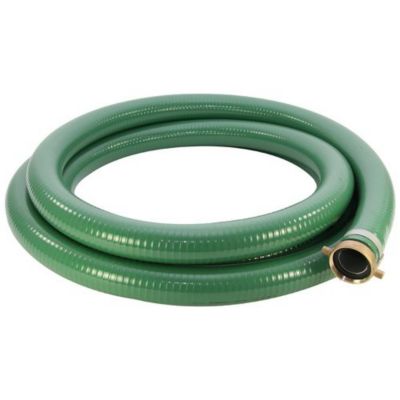
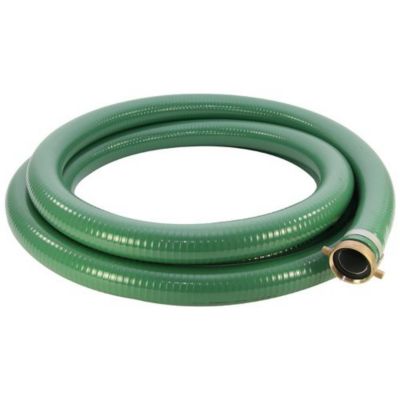
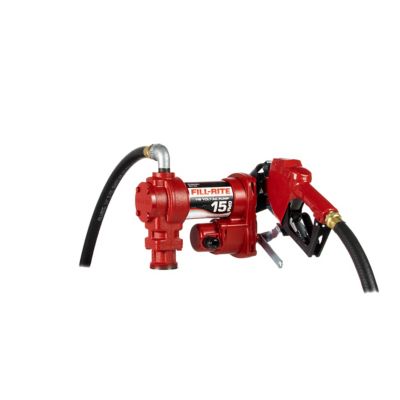
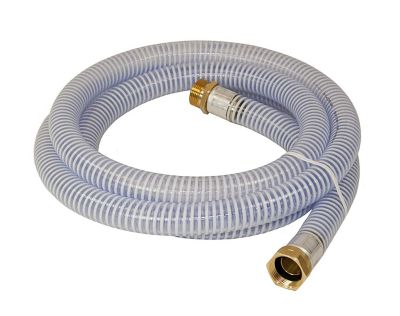
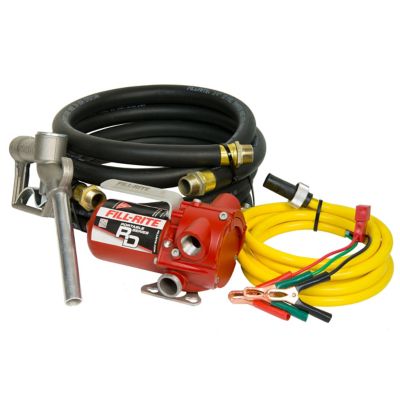
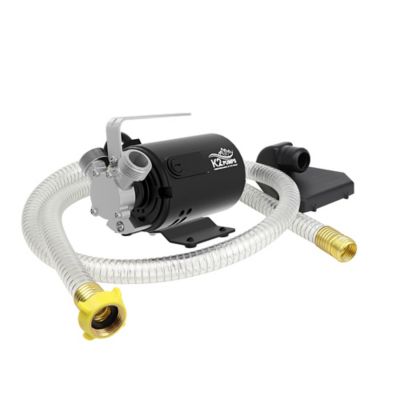
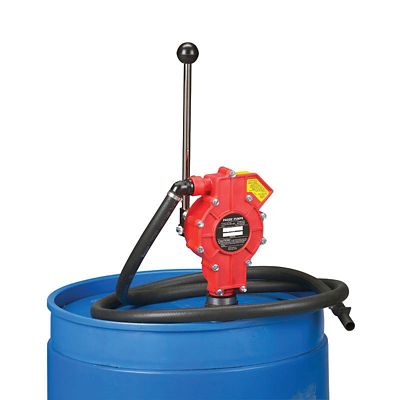
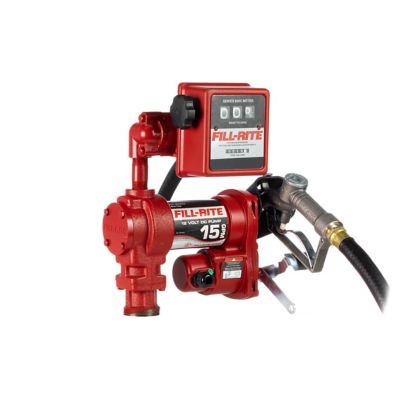
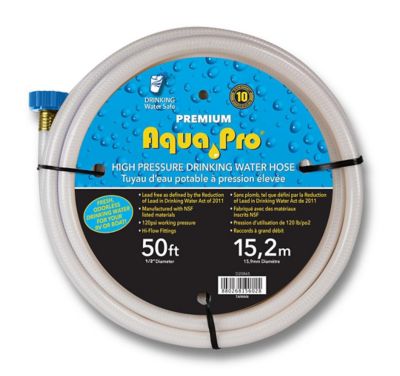
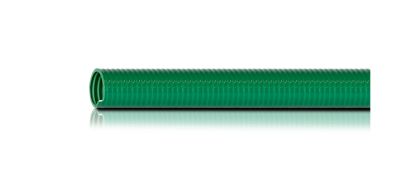
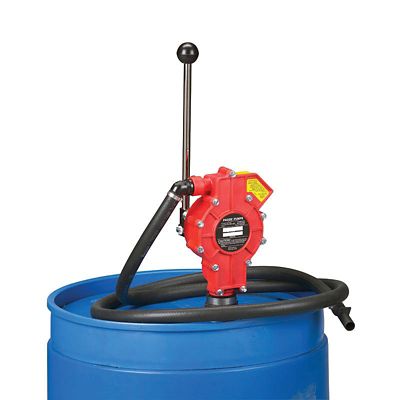
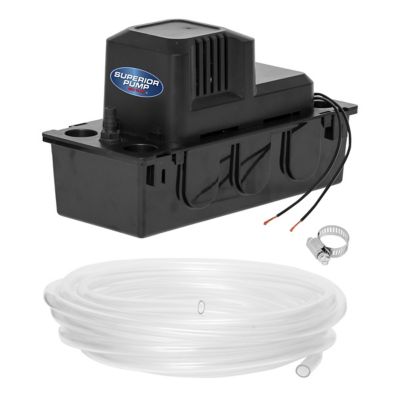
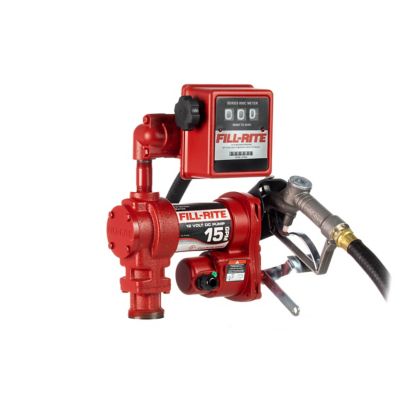
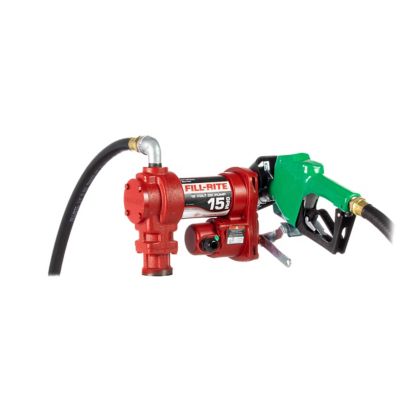
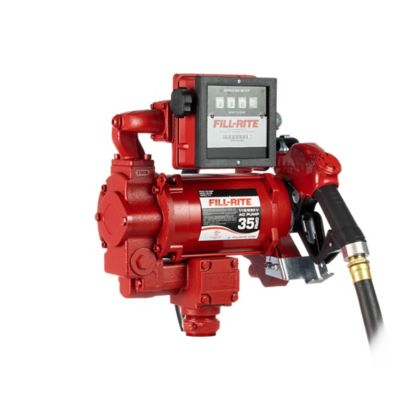
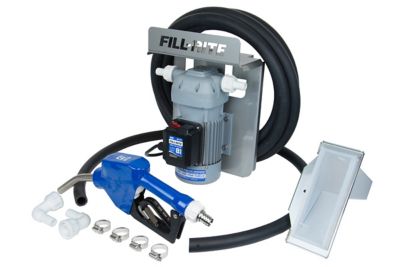
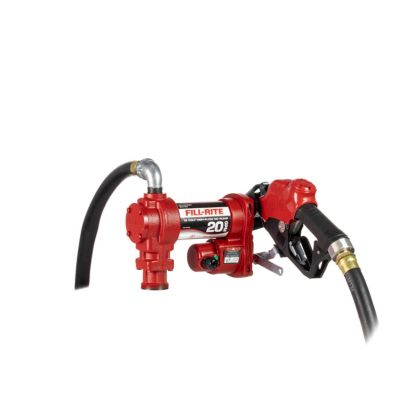
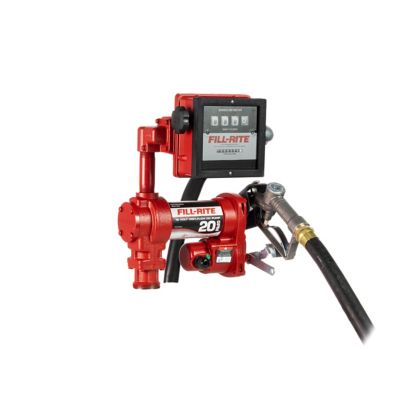
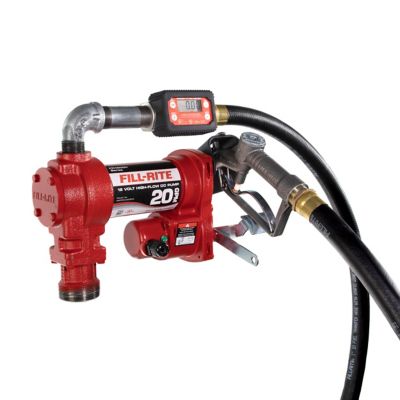
Pump hoses carry water or other compatible liquids into or away from a pump, helping move them between a water source, a tank, an irrigation setup or a suitable drainage area. Around a farm, acreage or home, that can mean transferring water for routine chores, clearing standing water from a work area or handling drainage after a stretch of wet weather. The main difference between suction and discharge hoses comes down to which side of the pump they serve. A suction hose connects to the inlet and needs reinforcement that resists collapse under the pump’s vacuum. A discharge hose connects to the outlet and carries liquid away under pressure. Some discharge hoses have a lay-flat design that rolls up for storage, while others hold their shape. Those differences matter when there’s a muddy patch beside the barn and a fair distance between the pump and the place where the water needs to go. A hose that packs neatly onto a shelf may suit occasional drainage work, while a reinforced suction line serves a different purpose altogether. Farmers, property owners, grounds crews and contractors all have reasons to keep pump hoses close at hand, but the right fit depends more on the task and pump specifications than on the size of the property. Pool drainage, irrigation transfers and sump pump discharge each bring different connection, pressure and routing needs. Water transfer hoses also aren’t automatically suitable for fuel, chemicals or drinking water; those applications call for materials and ratings expressly approved for the liquid involved. For everyday water-moving jobs, it helps to think of the hose as part of the whole pumping setup rather than an afterthought. The pump provides the force, but the hose’s diameter, length, construction and connections all affect how well that force translates into flow. A well-matched setup keeps the job practical, whether the water is traveling across a small yard or along the edge of a pasture.
Size and reach are two of the biggest purchase considerations for pump hoses. Common connection sizes include 1-1/4 inch, 1-1/2 inch and 2 inch, though pump requirements vary. Matching the hose’s inside diameter and connection style to the pump manufacturer’s specifications is a sound starting point. The measurement alone doesn’t tell the whole story: threaded fittings, hose-barb connections and quick-connect couplings attach differently, and threads with similar measurements may not be compatible. Where a hose-barb connection calls for clamps, the clamp type, size and placement need to suit the hose and fitting. Other coupling styles may require their own gaskets or locking parts. A secure suction-side connection is especially important because an air leak can interfere with priming and water movement even when there isn’t an obvious drip. Length deserves just as much attention. Enough hose to reach the destination without pulling tight makes routing easier, but extra footage adds friction loss and can reduce flow. Smaller diameters, tight bends and a discharge point uphill from the pump also affect performance. A long run across a field is a different job from a short run beside a foundation, even with the same pump doing the work. Working-pressure ratings should meet the system’s requirements, and a burst-pressure figure is not a substitute for an allowable working-pressure rating. On the inlet side, look for a suction or vacuum rating appropriate for the application rather than assuming any thick-walled hose will do. If the water contains sand, silt or other debris, both the pump and hose assembly need to suit those conditions. The hose doesn’t make a pump capable of handling solids beyond its limits. These details are worth checking before bringing a hose home, especially when connecting to equipment already on the property. Having the pump’s port measurements, required hose ratings and approximate run length handy makes it easier to compare options without guessing from a photograph.
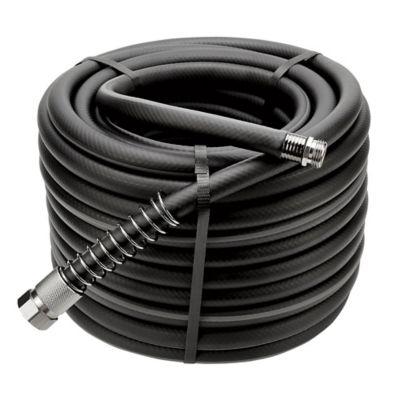
Construction and handling make a noticeable difference once the hose leaves the shelf. Reinforced walls help suction hoses hold their shape, while a suitable lay-flat discharge hose can offer convenient storage between jobs. Neither design is a stand-in for the other unless its stated ratings allow that application. Material choices affect flexibility, weight, abrasion resistance and compatibility with the liquid moving through the line. A hose dragged over gravel faces different wear than one routed across grass, and a setup moved from shed to pasture every few days brings different handling needs than a line that stays in one place. For shoppers also browsing by appearance,
Black Hoses offers another place to look, though color alone says nothing about pressure capacity, drinking-water approval or suction suitability. The ratings and intended application still come first. During the cooler months, temperature limits become especially important because some hose materials grow stiffer as temperatures drop. Flexibility that makes a hose manageable on a mild afternoon may change on a frosty morning. A stated operating-temperature range is more useful than judging the material by feel indoors. Water left inside a hose can freeze, blocking flow and potentially damaging the hose or connections, so ease of draining and storage is worth factoring into the purchase. For seasonal chores, manageable coils and fittings that disconnect as intended can make putting equipment away less of a wrestling match. For frequent work, access to compatible replacement seals and connection parts can matter just as much as the hose itself. Picture the usual route before choosing a length: around a gatepost, past the shed and out toward an approved discharge location, with room to avoid sharp bends and traffic. Discharged water should stay clear of foundations, septic areas and neighboring property, with local requirements in mind. The best match is a pump hose that fits the equipment, handles the liquid and reaches the destination without unnecessary strain. That leaves more time for the rest of the chores and less time sorting out a mismatched connection with wet gloves.