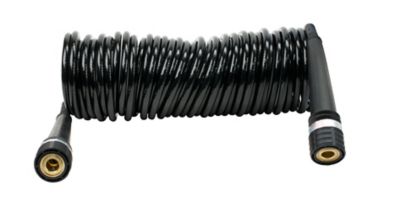
Condenser lines help move refrigerant and moisture through an air-conditioning system, keeping indoor spaces comfortable when the weather warms and helping equipment run as it should during long cooling cycles. In many setups, the term refers to the refrigerant lines connecting the indoor evaporator coil with the outdoor condenser unit. The larger suction line usually carries cool, low-pressure refrigerant gas back toward the compressor and is covered with foam insulation to help hold its temperature. The smaller liquid line generally carries warm, high-pressure liquid refrigerant from the outdoor condenser toward the indoor coil. Because line sizes, fittings, insulation requirements and connection styles can vary by system, matching replacement parts to the equipment specifications is an important first step. Check the existing line, fitting style, outside diameter, length and manufacturer requirements before ordering, and compare those details with the model information on the unit. A line that looks close but does not fit correctly can lead to leaks, restricted flow, poor cooling performance or extra wear on the compressor. For another related connection, shop the
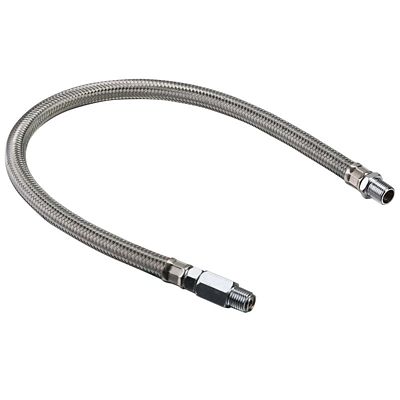
Compressor To Condenser Hose page. These parts can be useful for HVAC technicians, maintenance crews, rural homeowners, landlords, workshop owners and anyone responsible for keeping a home, barn office, shop or outbuilding comfortable. They also make a practical addition to a maintenance shelf for a property owner who likes to have common repair supplies on hand, though refrigerant-side work should be handled by a qualified professional with the proper tools and certifications. Before starting any service, shut off power to the equipment and follow the system manual and applicable local requirements.
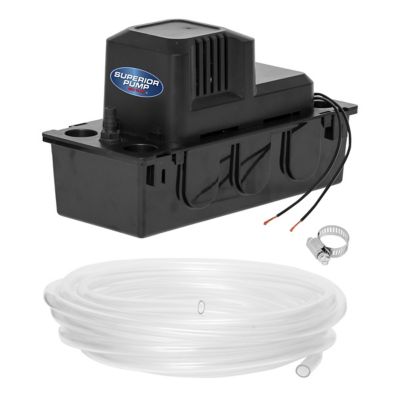
“Condenser lines” can also be used when talking about condensate drain lines, which serve a different purpose from copper refrigerant tubing. As an air conditioner removes humidity from indoor air, water collects at the evaporator coil and drains away through a primary condensate line, often made from PVC or another approved drain material. A secondary or overflow drain may provide backup protection if the primary line becomes clogged, and it may be routed to a noticeable location where dripping can alert you to a problem. When a condensate line is blocked by algae, dust, dirt or other buildup, water can back up around the indoor unit, stain ceilings, damage insulation or leave a damp spot near the equipment. A slow drain may show up as a musty smell, unexpected moisture, reduced cooling or a safety switch that shuts the system down. Keep the area around the indoor unit clear, inspect visible drain sections for cracks or loose connections, and make sure the outlet is not buried under leaves, weeds or mud. Some homeowners use a small amount of distilled white vinegar in an accessible primary drain line as part of routine upkeep, but the equipment instructions should always take priority, and bleach or other cleaners may damage components or create unsafe fumes. Never force a tool into a line without knowing where it leads, and call an HVAC professional when the drain is inaccessible, repeatedly clogging or connected to a system that requires specialized service. During the cooler months, condensation-related concerns may be less noticeable, making it a good time to look over exposed lines and address worn fittings before the next extended cooling season.
When choosing condenser line parts, focus on a dependable fit and a suitable installation rather than relying on appearance alone. Measure carefully, identify whether you are replacing a refrigerant line, a flexible hose, a fitting or a condensate drain component, and note whether the line runs indoors, outdoors, underground or through an area exposed to livestock, vehicles and farm equipment. Outdoor refrigerant lines may need sound insulation and protection from sun, rain, rubbing and accidental impact. Foam insulation that has become brittle, split or weathered should be replaced so the larger suction line can better maintain the proper temperature and reduce unwanted condensation. Keep copper tubing capped until installation to help prevent dirt and moisture from entering the system, and avoid sharp bends or flattened sections that can restrict refrigerant movement. For condensate drains, look for smooth routing, a proper slope and secure connections that will not sag and hold standing water. In a dusty shop, feed room or busy outbuilding, regular inspections can catch trouble before a small drip becomes a soaked wall or a hot afternoon without cooling. A seasoned maintenance worker knows that five minutes spent looking over a line during other routine chores—checking a filter, clearing leaves from the outdoor unit or sweeping around the mechanical area—can save a much bigger repair later. Condenser line products are less of a decorative gift and more of a useful, practical choice for someone caring for a home, farm property, rental building or small business. With the right measurements and system information, they can help support steady airflow, proper drainage and reliable comfort from late summer through the cooler stretch of the year.