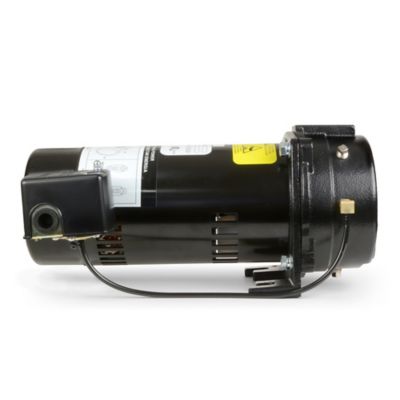
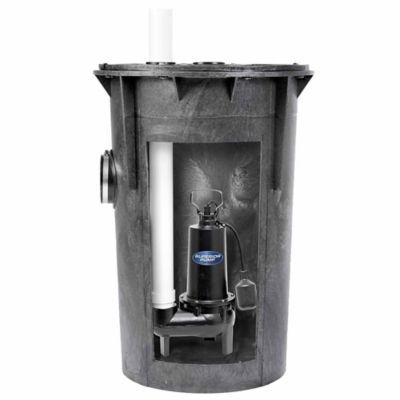
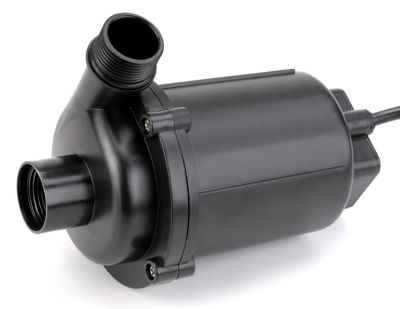
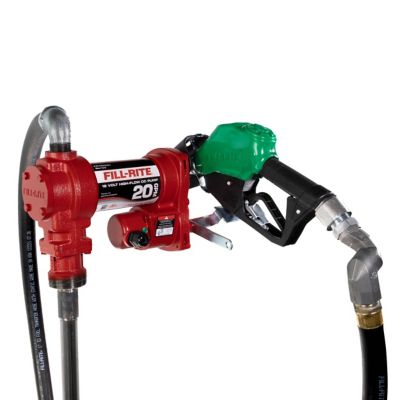
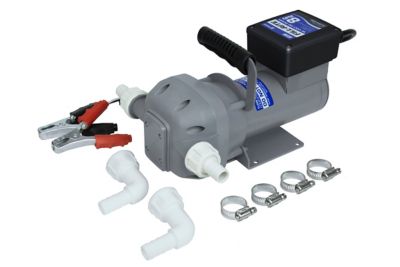
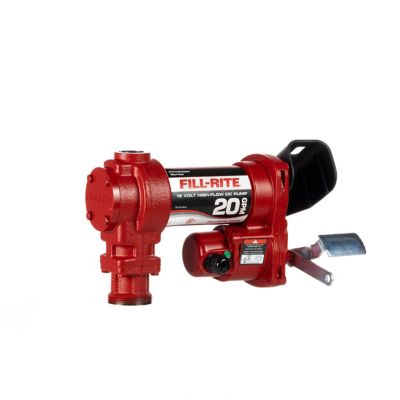
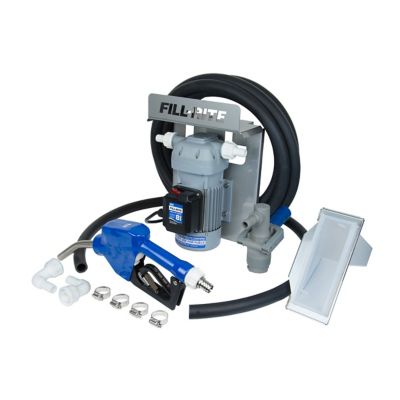
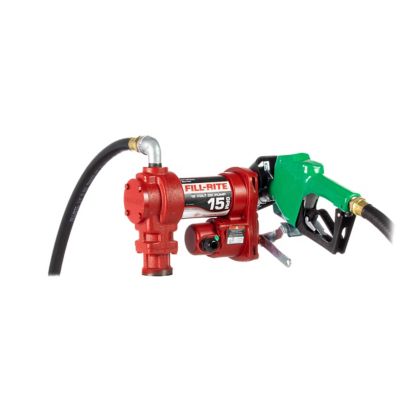
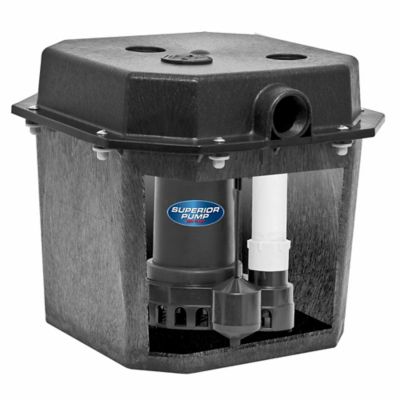
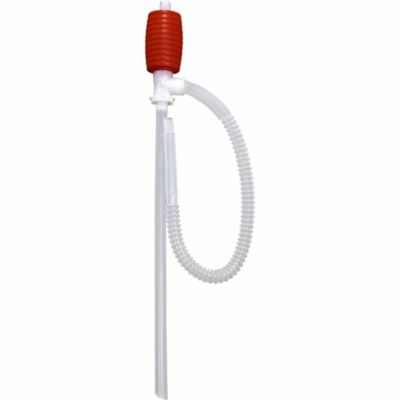
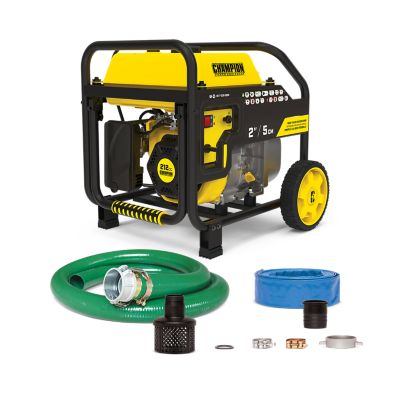
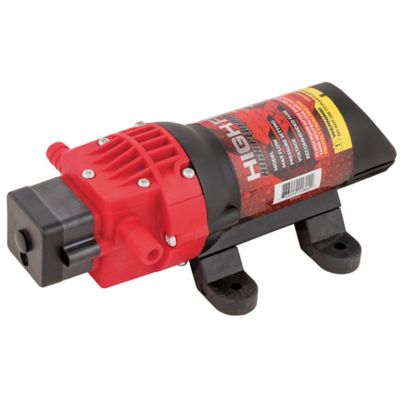
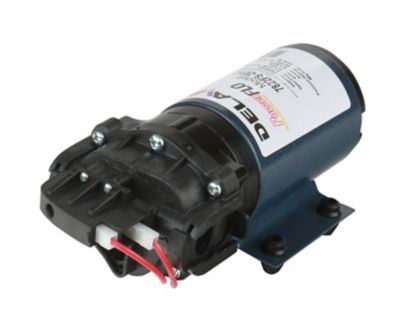
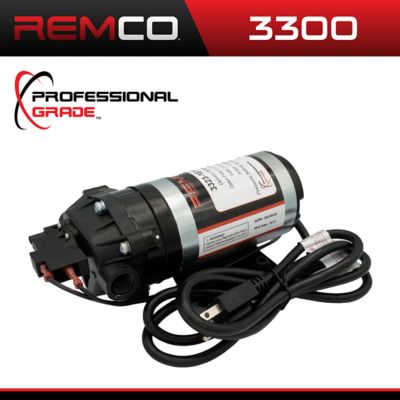
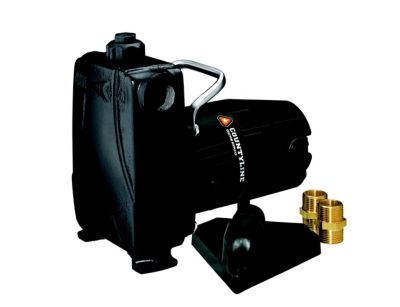
When it comes to pump installations, there’s a lot to consider, whether you’re gearing up for a big irrigation project, fixing up your well, or making sure your basement stays dry during the rainy season. Folks living out in the country know just how important it is to have the right pump setup—water’s not just a convenience, it’s a necessity for daily life and keeping things running smooth on the homestead. From submersible well pumps that keep the water flowing to sump pumps that protect your basement from flooding, the right equipment can make all the difference. The process usually starts with sizing up your needs: how deep is your well, how much water do you use, and what kind of pressure do you need? For those working with livestock or tending big gardens, a reliable pump system is crucial for keeping animals watered and crops healthy, especially as the weather heats up and demand goes up. Even if you’re just looking to upgrade an old sup pump or do a quick repair, having the right fittings, check valves, and seals handy can save you a lot of hassle down the line.
Pump installations aren’t just for the seasoned farmer or ranch hand—they make a practical gift for anyone who’s taken on a new property, started a backyard garden, or needs to keep their workshop or barn dry as the seasons change. DIYers can tackle a weekend project like swapping out a sump pump or adding a utility pump for extra water management, while larger installations like deep well pumps might call for a little more precision and know-how. No matter the job, it’s important to take safety seriously: always cut the power before working with wiring, make sure plumbing connections are tight and leak-free, and don’t forget to run a quick dry or wet test before calling it done. A well-installed pump can last for years, saving you money and giving you peace of mind when storms roll through or the summer heat puts extra strain on your water system. If you’re working with above-ground setups or pressure tanks, getting the right thread tension and hose clamps will keep things running steady, and for bigger jobs, you’ll want to check out more robust equipment like what’s available in our
Industrial Pumps selection.
As the days get longer and the weather shifts from warm to cool, folks around here know that water management is a year-round job. Whether you’re prepping for summer storms, keeping your pastures green, or making sure your basement stays bone dry during those unexpected downpours, having the right pump installation is a smart move. For families settling into a new place, a dependable pump system is a thoughtful housewarming gift—one that shows you care about their comfort and security. From small repairs to full-blown upgrades, taking the time to choose the right pump and install it properly pays off in fewer headaches and more time enjoying your land. And if you ever need to compare your options or find heavy-duty solutions for bigger operations, you’ll find plenty of choices and expert advice to help you get the job done right.