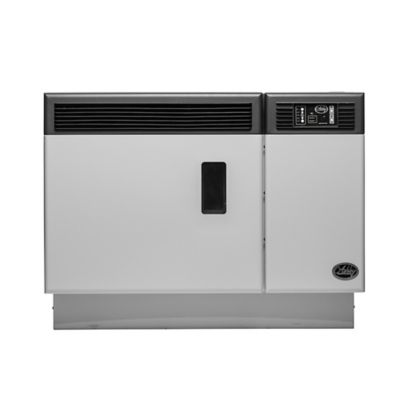
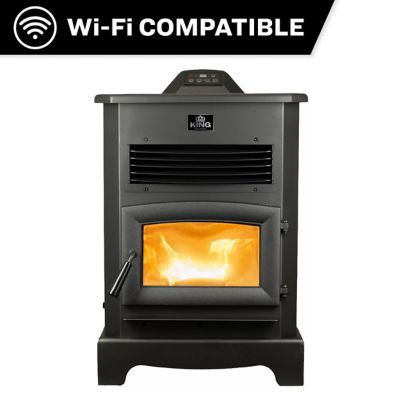
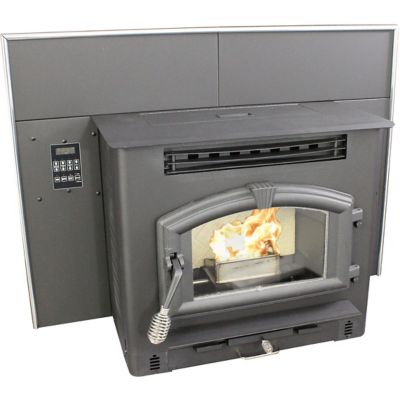
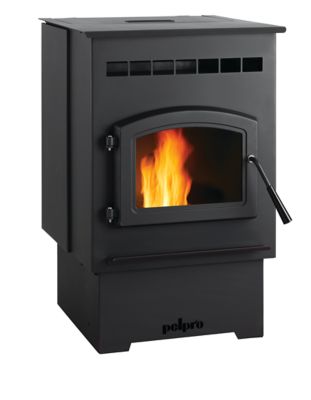
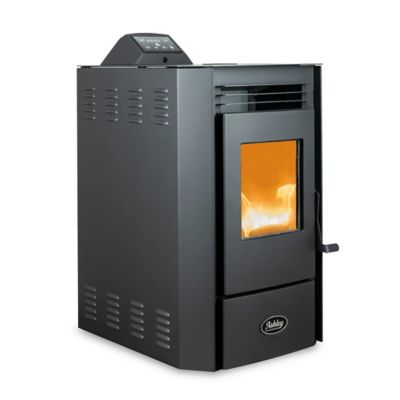
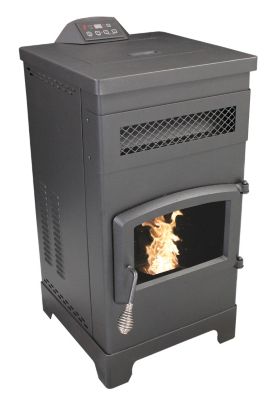
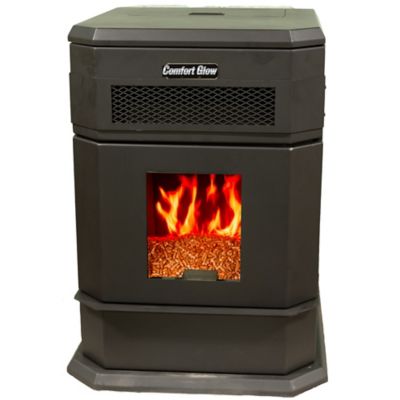
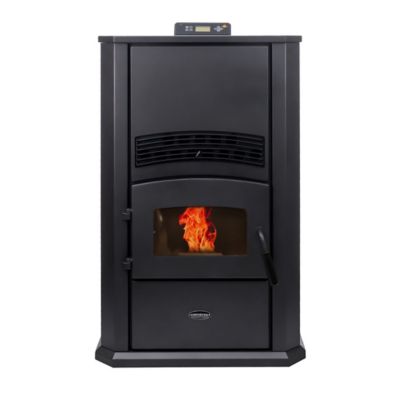
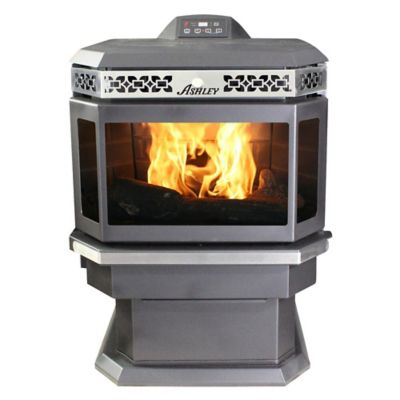
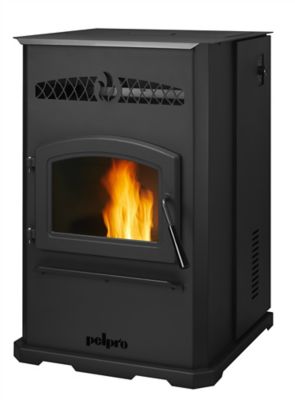
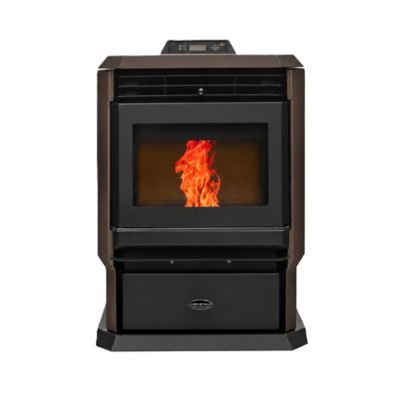
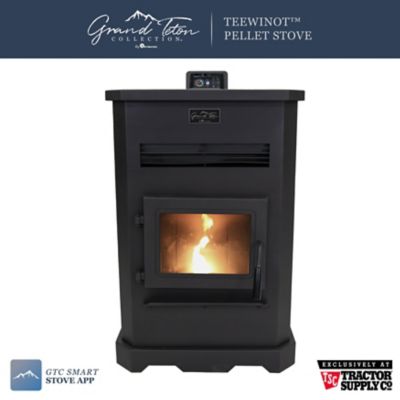
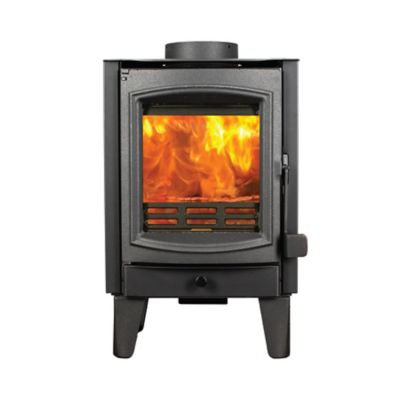
A pellet stove boiler burns compressed wood pellets to heat water for a hydronic heating system, sending warmth through compatible radiators, baseboard heaters, or radiant floor tubing. That makes it different from a standard pellet stove, which primarily heats the air around the appliance. For a farmhouse with several rooms, a home with an existing hot-water heating system, or a building with radiant floors, the distinction matters: the goal is to move heat where it belongs rather than depend on warm air traveling down a hallway. An automatic feed mechanism, often an auger, carries pellets from a storage hopper into the burn chamber. Heat transfers through a water jacket or heat exchanger, and circulating pumps move the heated water through the connected heating circuits. Thermostats and appliance controls manage heat demand, although the operating features vary by design. Some pellet stove boilers also release heat into the room where they sit, while dedicated pellet boilers may belong in a mechanical room or another approved location. Those differences affect both comfort and placement. Certain systems can also support domestic hot water through a compatible indirect water heater or another approved heat-exchange arrangement; household tap water stays separate from the boiler’s heating-water circuit. That capability depends on the complete system, not simply on an appliance being called a boiler. An insulated buffer tank may store heat between calls from the thermostat and help reduce frequent starting and stopping, particularly when individual heating zones need less heat than the boiler produces. Not every installation needs the same tank arrangement. For shoppers comparing pellet heating equipment, the useful distinction is between an appliance that warms a room and equipment designed to supply a water-based heating network. A pellet stove boiler belongs in the second group, with its suitability tied to the building, the heating connections, and the demands placed on the system.
The right fit involves more than a square-foot heating claim. Ceiling height, insulation, air leakage, window area, local winter conditions, and the temperature requirements of the heating system all influence the output a building needs. A drafty farmhouse with tall rooms can have a very different heating load from a tighter home with the same floor area. A professional heat-loss calculation gives a firmer basis for sizing than floor area alone, and proper sizing helps limit both insufficient heat and excessive cycling. Output also needs to match the connected heat emitters: radiant floors often operate at lower water temperatures than some radiator or baseboard systems, so mixing controls and system design matter. Construction details can include steel heat exchangers, cast-iron burn components, insulated panels, and access doors that make routine service easier. Material thickness, corrosion protection, replaceable wear parts, and access to the burn chamber all contribute to long-term serviceability, but construction materials alone do not establish how well an appliance will suit a particular home. Physical fit deserves equal attention. The appliance needs an approved floor surface or hearth protection where required, specified clearances, and room for loading pellets, removing ash, and servicing pumps or feed components. A narrow basement stairway, low doorway, or cramped utility corner can complicate delivery and upkeep even when the footprint looks manageable on paper. Venting must match the appliance’s listing and installation instructions; an existing chimney is not automatically suitable without evaluation. Indoor and outdoor equipment also have different enclosure, piping, and freeze-protection requirements. Most pellet systems need electricity for feed motors, fans, pumps, and controls, so burning pellets does not mean the heat will continue through a power outage. Any backup-power arrangement needs to suit the equipment and its shutdown requirements. Qualified installation, required permits, appropriate pressure and temperature safeguards, and working smoke and carbon monoxide alarms are part of a complete heating setup, not optional finishing touches.
Everyday ownership comes down to fuel handling, cleaning access, and a routine that fits the household. Heating pellets are typically made from compressed sawdust and other wood residues, but pellet dimensions, composition, moisture content, and ash content can differ. The appliance manufacturer’s fuel specifications take priority, including any required pellet certification or limits on permitted materials. Animal bedding pellets, cooking pellets, and other compressed fuels are not interchangeable with approved heating fuel. Pellets need dry storage because moisture can make them swell and break apart, creating feed trouble and wasted fuel. A sheltered storage space near the loading route can spare repeated trips across a wet porch or down steep steps, while keeping bags clear of appliance heat and required service areas. Hopper capacity affects the amount of fuel held at one time, but burn time changes with heat demand, fuel characteristics, and operating settings; a larger hopper does not guarantee the same stretch between refills in every home. Regular care generally includes attention to the burn pot, ash collection areas, heat-exchange surfaces, and venting, following the appliance’s shutdown, cooling, and maintenance instructions. Ash buildup can interfere with airflow and heat transfer, while hard deposits in the burn area may point to fuel or combustion issues that need attention. Ash can hold hidden embers long after a fire appears out, so handling and disposal call for a covered metal container in a safe outdoor location away from combustible materials. Feed components, gaskets, fans, sensors, and water-side controls also need periodic inspection or service as specified. This hands-on upkeep makes pellet heating a better match for households comfortable with regular refilling and scheduled attention than for anyone expecting a completely unattended system. For a home that needs room heat rather than a water-based heating network,
Combination Wood And Pellet Stoves represent a different heating approach; the ability to burn more than one fuel does not by itself establish boiler capability. Matching the appliance’s heating method, installation requirements, and care needs to daily life matters just as much as its rated output.