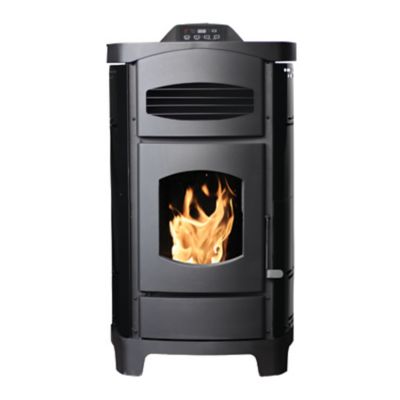
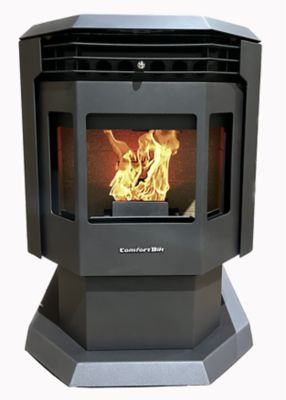
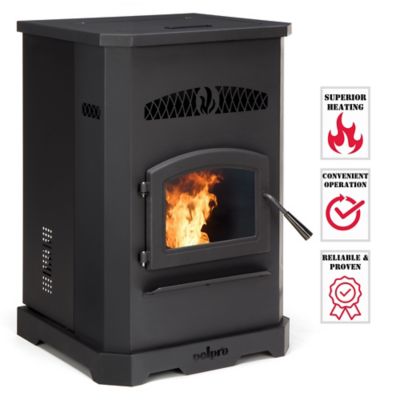
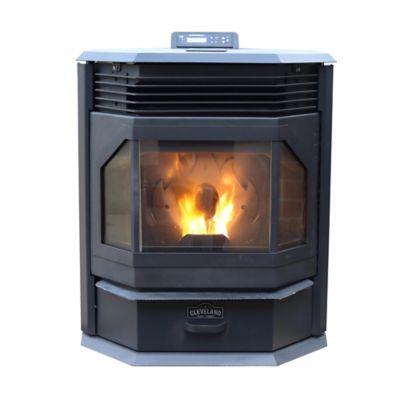
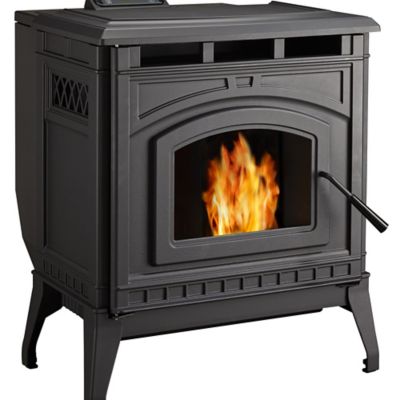
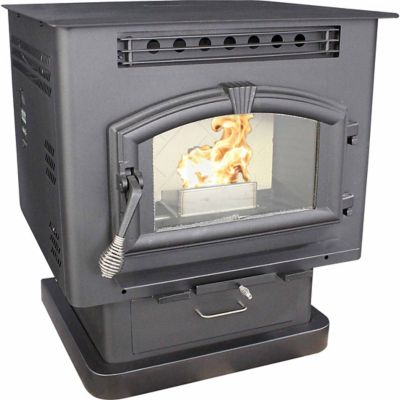
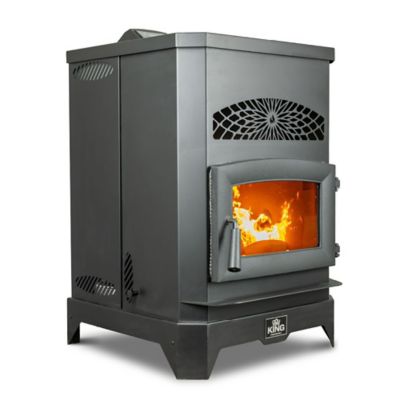
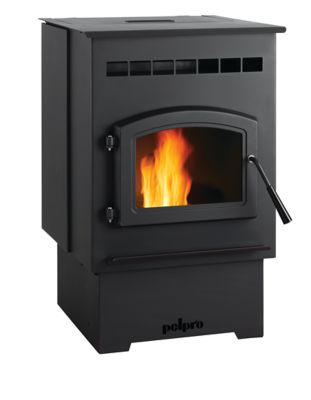
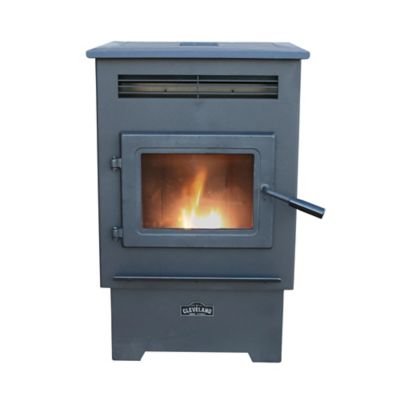
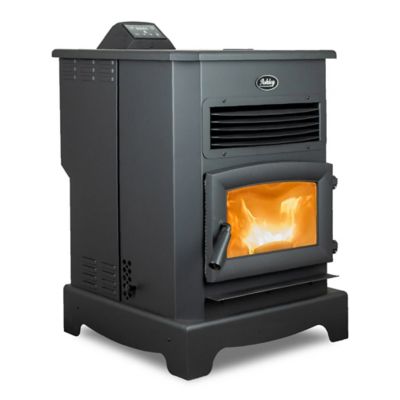
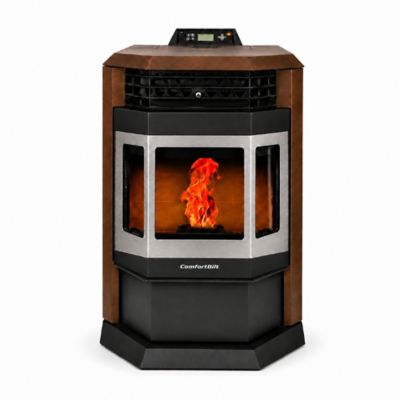
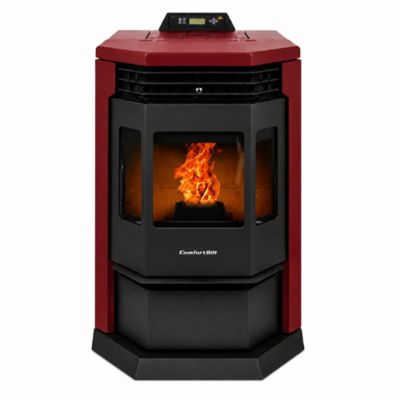
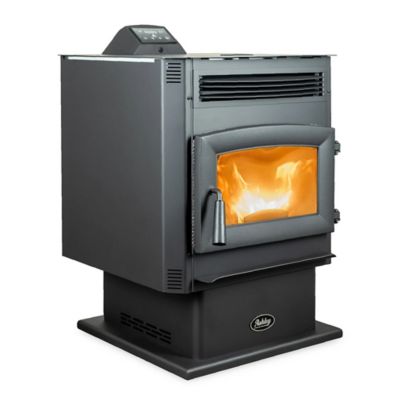
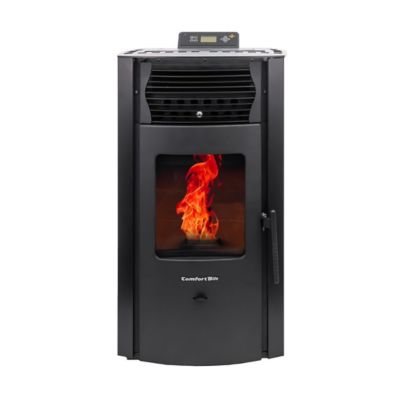
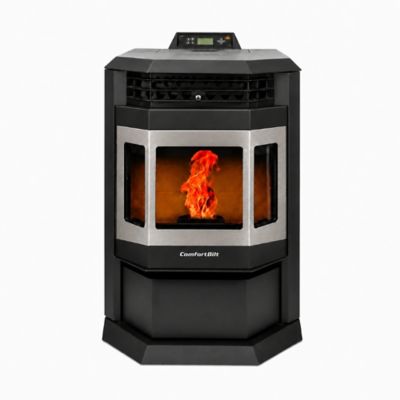
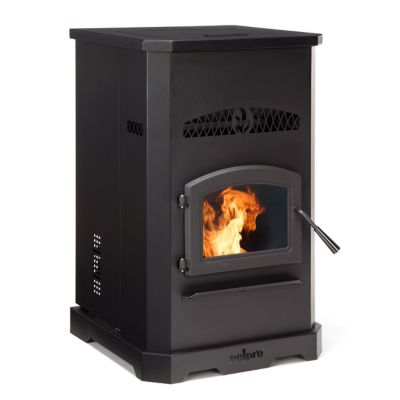
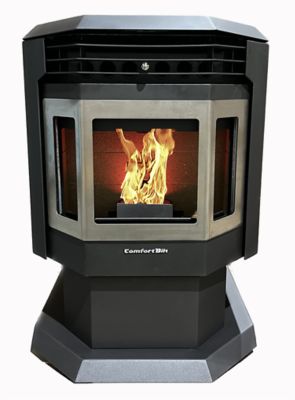
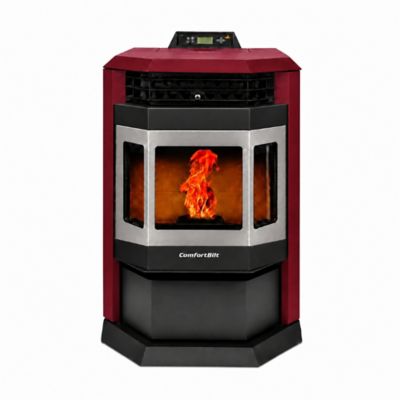
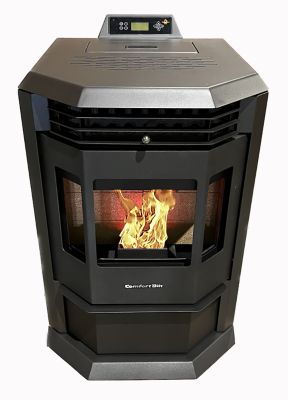
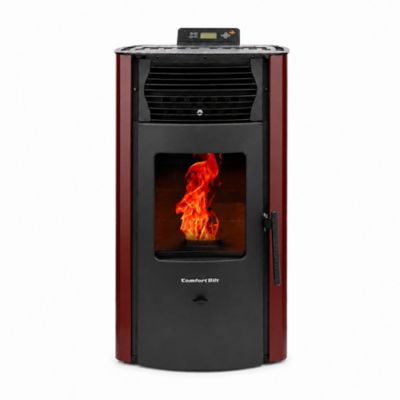
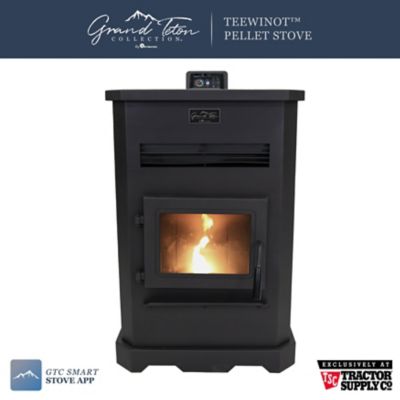
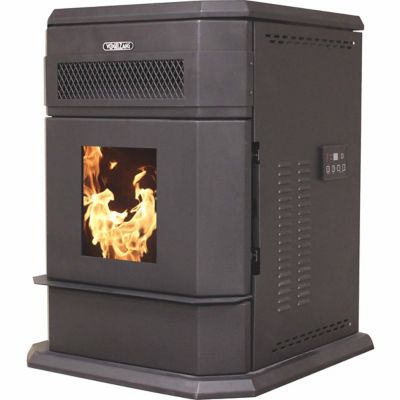
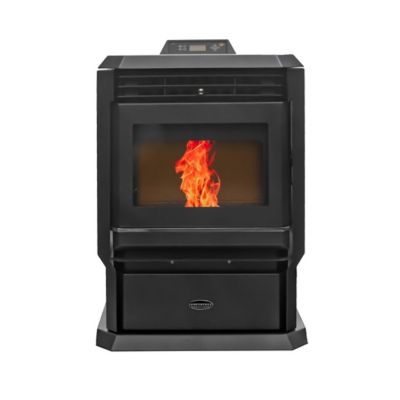
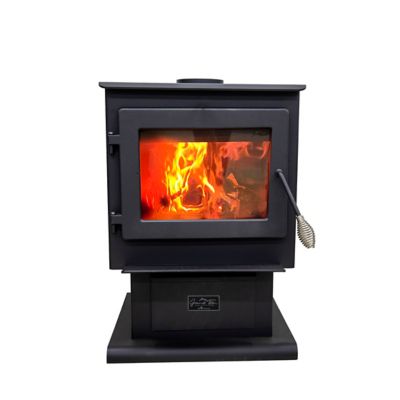
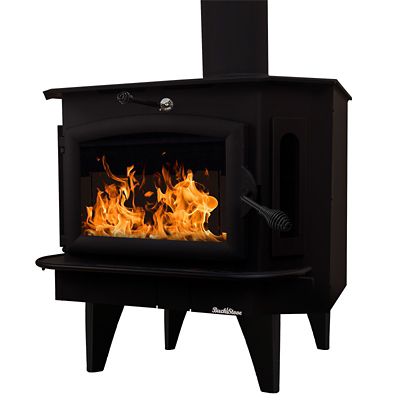
Combination wood and pellet stoves bring two fuel options together in one heating appliance, giving homeowners more flexibility through the cooler months. These stoves can burn split firewood for the familiar snap and glow of a log fire, while also accepting compressed wood pellets for steady, controlled heat. That flexibility can be handy on a rural property where a supply of firewood is close at hand, as well as in a home where pellets offer a cleaner, easier-to-manage option for everyday heating. Wood logs provide a traditional fire and may continue heating during a power outage, depending on the stove’s design, while pellet operation commonly uses electricity to run an auger, blower, thermostat, or control panel. Some combination units are built to recognize the selected fuel and adjust the burn automatically, while others require the homeowner to choose the operating mode. Before selecting a stove, measure the room or connected living area you want to heat and compare that space with the manufacturer’s listed heating range. A stove made for a large open floor plan may overwhelm a small room, while a smaller unit may struggle in a drafty farmhouse, workshop, hunting cabin, or garage apartment. Ceiling height, insulation, windows, doorways, and the layout between rooms all affect how heat moves. A well-insulated space with an open stairway may warm more evenly than a larger home divided by several closed rooms. BTU output, burn time, hopper capacity, and blower settings are useful details to compare, but they should be considered along with your home’s construction and local climate. If you are also comparing pellet-only heating options, browse
Top Rated Pellet Stoves to review additional choices for steady pellet heat. Combination wood and pellet stoves can suit full-time residents who want flexible heating, weekend cabin owners who appreciate a warm arrival, and shop or outbuilding owners who need heat while working with tools or tending chores. They may also make a thoughtful housewarming gift for someone settling into a country home, provided the recipient has the right chimney, hearth, ventilation, and fuel storage in place.
Fuel preparation and installation deserve just as much attention as the stove itself. Firewood should be properly seasoned, split to the size listed by the manufacturer, and stored off the ground under cover with room for air to move around it. Damp logs can smolder, create more smoke, and leave extra residue in the flue, so give wood plenty of time to dry before burning. Pellets should remain dry as well; moisture can cause them to swell, crumble, or feed unevenly through the hopper. Keep bags in a sheltered area away from rain, melting snow, and damp floors, and store only as much fuel as you can handle safely. A combination stove also needs a suitable hearth and venting arrangement, with clear space around the appliance for walls, furniture, rugs, curtains, and stored materials. Follow the installation manual and local building rules, and have chimney or vent work handled by a qualified professional. Carbon monoxide detectors and smoke alarms should be installed and tested on every level where appropriate. Daily care is usually simple but important: remove ash as directed, check the burn area, keep air passages clear, and empty the ash pan before buildup affects airflow. Pellet systems may need regular attention to the hopper, auger, sensors, and exhaust path, while wood operation calls for inspection of the firebox, door gasket, and chimney. During the first fires of the season, watch how quickly the room warms, whether heat reaches nearby spaces, and how often fuel needs to be added. A small notebook near the stove can help track pellet use, log size, ash removal, and preferred thermostat settings. On a frosty morning, that routine may be as simple as loading a few split logs, checking the controls, and letting the stove take the chill off the kitchen before the day’s work begins. Look for features that fit your habits, such as a larger hopper for fewer refills, adjustable heat settings, a programmable thermostat, quiet operation, an ash drawer, viewing glass, or battery and manual controls for added flexibility. The best choice is one that matches the available fuel, the size and layout of the space, the electrical setup, and the amount of hands-on tending you expect to do. Proper fuel, careful installation, regular cleaning, and safe operating habits help a combination wood and pellet stove provide steady comfort from the first cool evenings through the heart of winter.