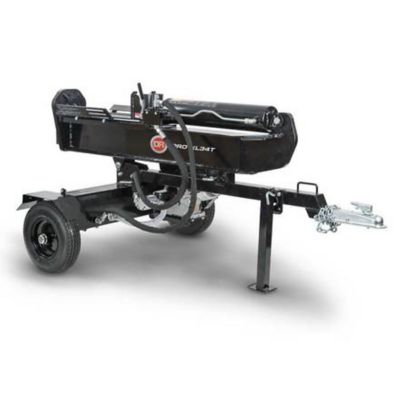
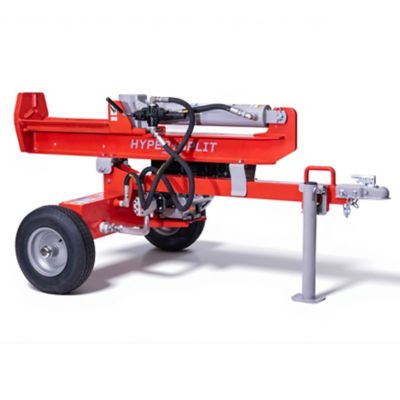
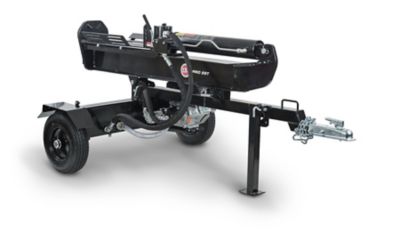
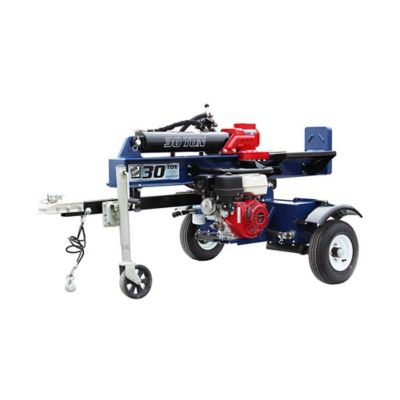
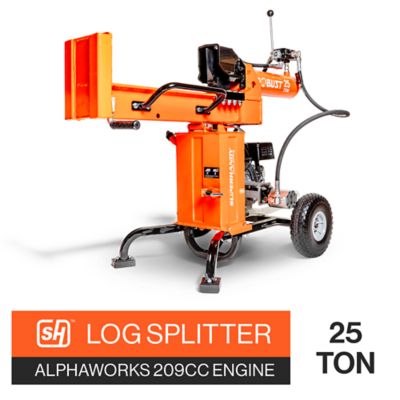
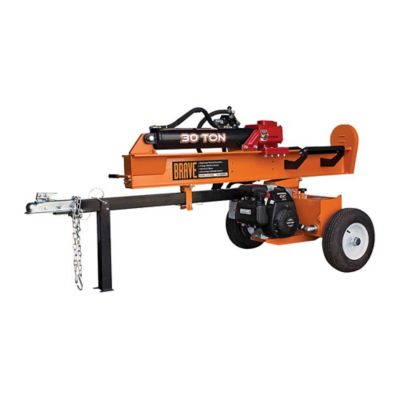
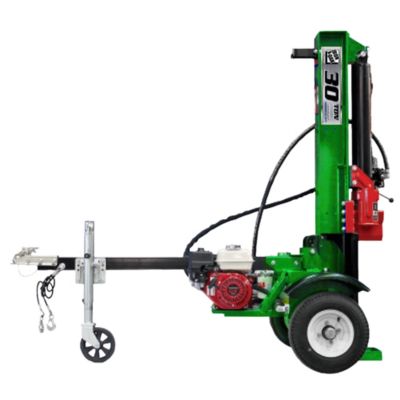
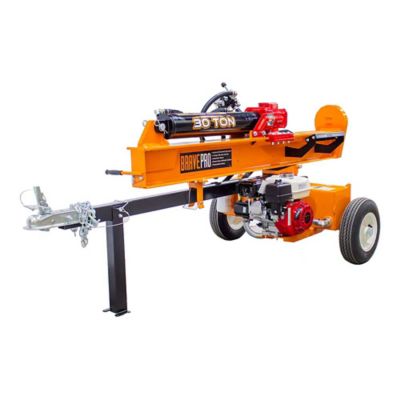
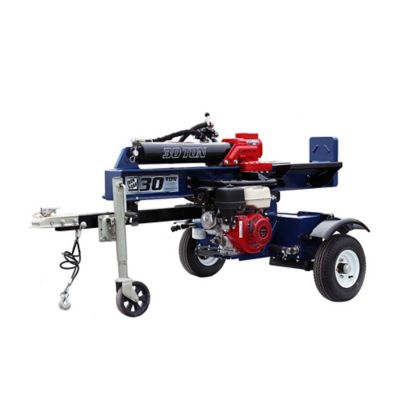
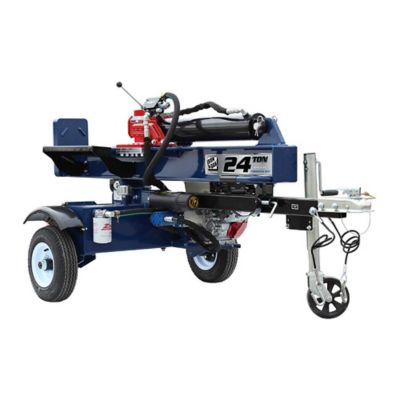
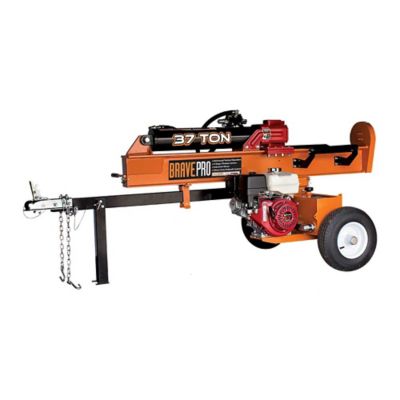
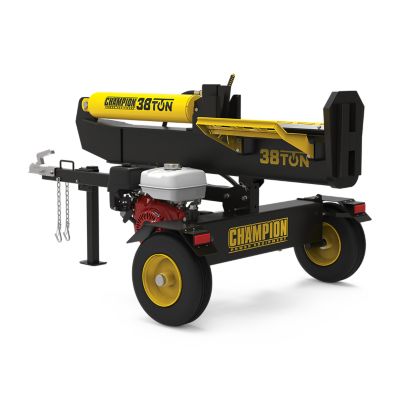
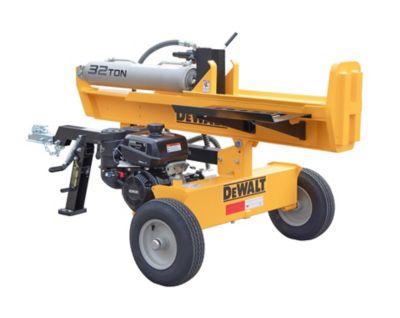
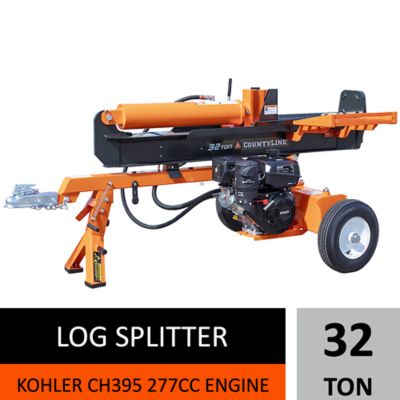
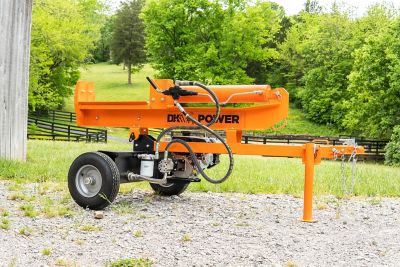
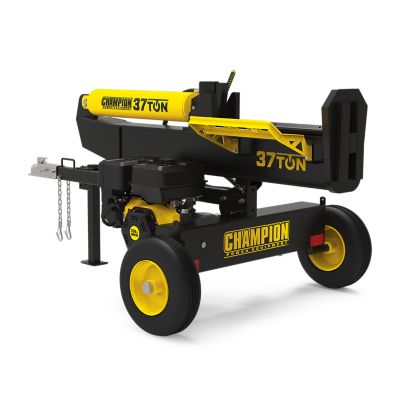
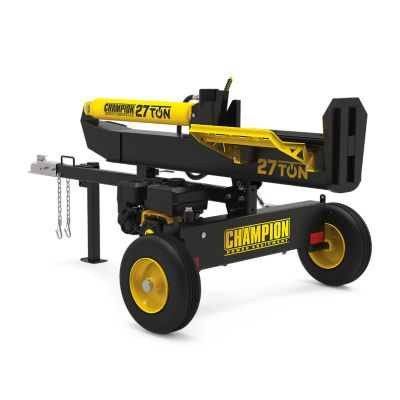
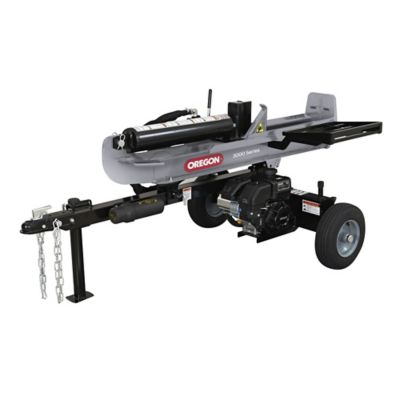
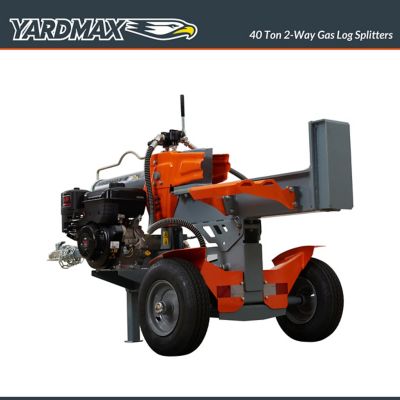
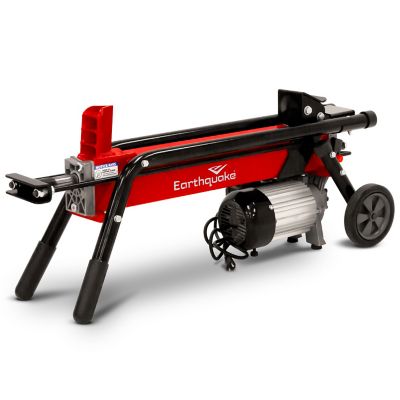
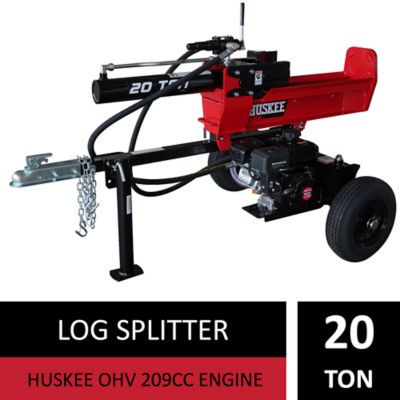
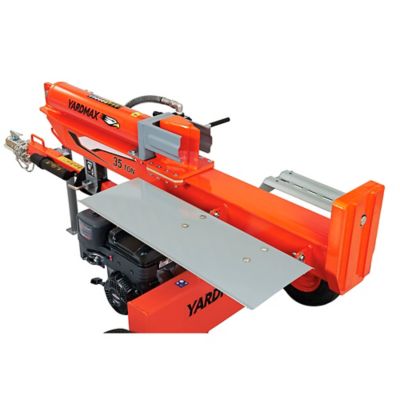
Vertical log splitters are powered machines that split wood with the splitting assembly in an upright position, allowing large rounds to rest on a ground-level or near-ground-level base plate instead of being lifted onto a raised horizontal beam. A hydraulic cylinder typically drives a wedge down through the wood while the plate supports the round beneath it. That layout can reduce the lifting involved in processing heavy logs, although getting a round into place still takes care and sometimes additional handling equipment. For landowners, folks maintaining a woodlot, and households that burn firewood, the upright position makes practical sense when a pile includes thick trunk sections that are awkward to handle at waist height. Picture a broad oak round beside the splitting area: being able to move it onto a low plate is a different job from hoisting it onto a beam. The splitter separates the wood along its grain; it does not replace a saw for cutting trunks into lengths that fit the machine. Maximum log length, cylinder clearance, and the shape of the base plate all affect what fits beneath the wedge. A wide round also needs enough surrounding space for positioning and for the split pieces to fall without blocking the controls. Some log splitters operate only in one position, while others convert between horizontal and vertical operation. A convertible design can suit a mixed pile, with smaller rounds handled at beam height and heavier pieces split upright. Conversion methods, locking points, and the effort needed to reposition the beam vary by design. The vertical position is especially helpful for reducing repeated lifts, but it is not a substitute for a firm, level work area or a manageable log size. For a small acreage, farm, or rural home, the right fit depends as much on the wood coming through the gate as on the machine itself. Straight-grained rounds, forked trunk sections, and knotty pieces from a fence row can put very different demands on the same splitter.
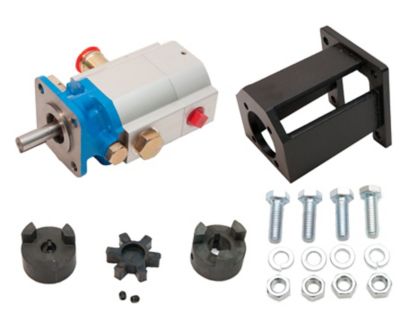
Splitting force, commonly expressed in tons, is one of the main specifications associated with vertical log splitters, but that number tells only part of the story. Wood species, diameter, grain direction, knots, and moisture content all influence how a round responds to the wedge. A straight section of pine may separate readily, while a smaller piece with twisted grain or a heavy branch junction can take considerably more force. More tonnage does not automatically mean a faster job, either. Cycle time describes how long the ram takes to extend and return under the conditions stated by the manufacturer; actual progress also includes positioning rounds, clearing pieces, and dealing with wood that does not split cleanly on the first pass. Wedge shape, usable stroke length, and access to the controls affect the rhythm of the work. A splitter with ample clearance for the lengths in your woodpile can save the frustration of finding that a round is just too long to stand beneath the wedge. Gas-powered designs offer flexibility around a property without requiring an electrical connection, making them a practical match for a splitting area beyond the barn or equipment shed. Engine displacement alone, however, does not establish splitting force; the engine, hydraulic pump, cylinder, and operating pressure work together. Electric-powered designs require a suitable power source and electrical setup, and any extension cord must meet the machine’s stated requirements. Their suitability for a particular pile still depends on rated capacity and vertical operating capability. Steel beams, reinforced plates, welded frame construction, and the cylinder mounting arrangement are worth considering alongside the power source. These parts carry the working load, while coatings help limit corrosion on exposed surfaces. Machine weight and footprint matter when space is tight or the splitter needs to move between work areas. Tires, handles, and hitch arrangements affect transport, but a towable frame does not necessarily make a splitter suitable for public-road travel. Towing limits, connections, and permitted travel conditions belong to the individual machine’s specifications.
Owning a vertical log splitter also means making room for the machine, the incoming rounds, and the finished firewood. A pile beside a shed can look manageable until split pieces begin spreading across the work area, so a layout with clear access to the controls and a separate place for finished wood helps keep the job moving. Upright operation calls for particular attention to footing, log balance, and pinch points around the wedge and plate. Hands and feet belong clear of the splitting path, and the machine’s operating instructions determine proper body position and control handling. Children, pets, and bystanders need to stay away from the work zone. Eye protection, sturdy footwear, close-fitting clothing, and hearing protection where required are part of the setup, not extras saved for a bigger pile. Heavy rounds may still call for handling equipment rather than muscle alone. Long-term upkeep centers on the hydraulic system, frame, wedge, and power source. Hydraulic fluid type, fluid level checks, filter service, lubrication, and engine maintenance should follow the manufacturer’s schedule. Hoses and fittings need attention for wear or leaks, and hydraulic pressure must be relieved as directed before service; suspected leaks should never be checked with bare hands. Keeping bark, chips, and dirt from collecting around moving components makes inspection easier, while covered storage helps protect exposed metal and controls. A sharp splitting wedge is not the same as a knife edge, so sharpening or reshaping should follow the maker’s instructions rather than guesswork. Once rounds are split, smaller pieces offer more exposed surface for drying, but splitting alone does not make fresh wood ready to burn. Firewood still needs suitable drying time and storage with airflow. For jobs alongside powered splitting,
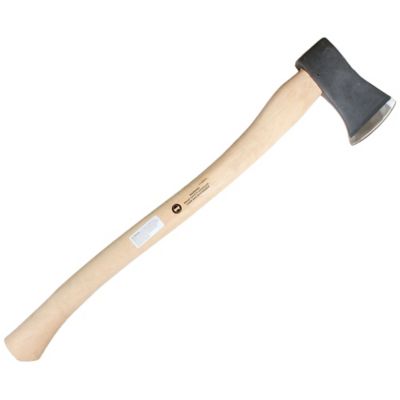
Wood Splitting Tools includes the broader category of equipment associated with preparing rounds and kindling. A vertical log splitter earns its place when its capacity, handling layout, and upkeep needs match the woodpile and the person doing the work.