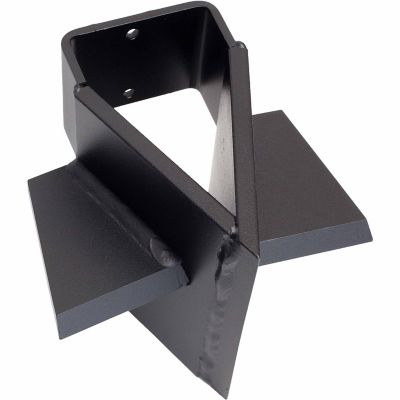
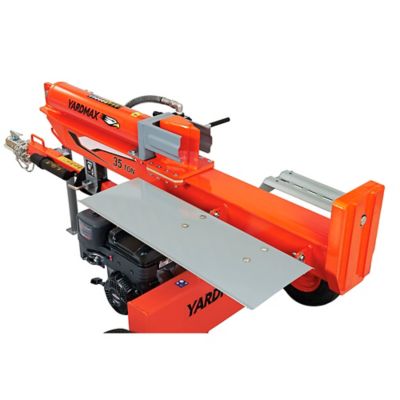
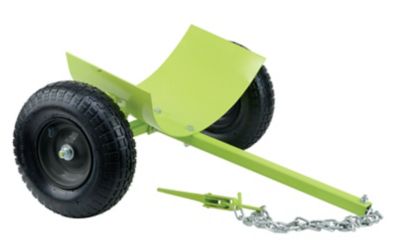
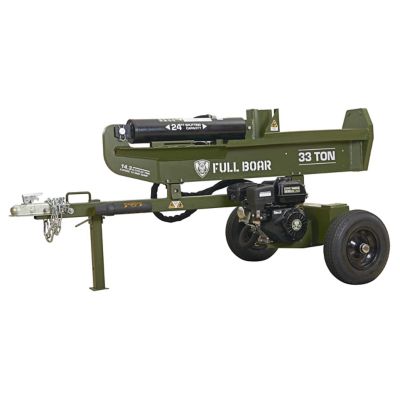
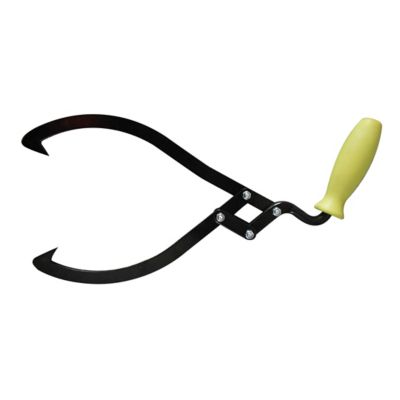
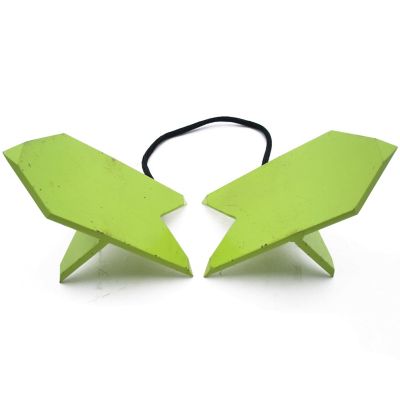
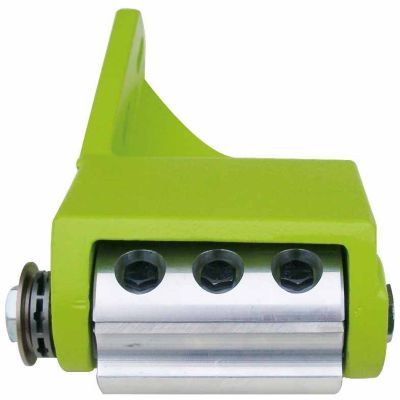
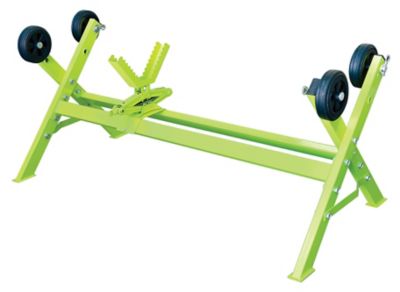
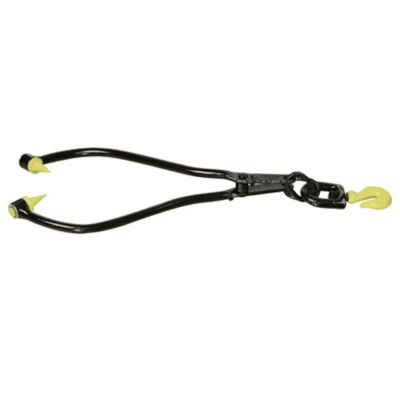
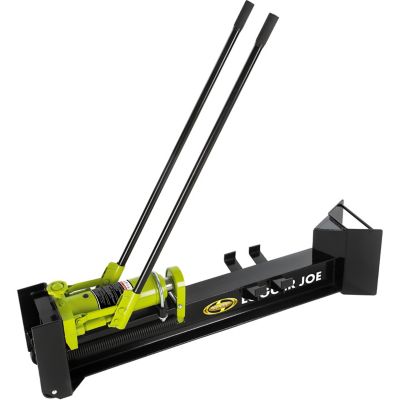
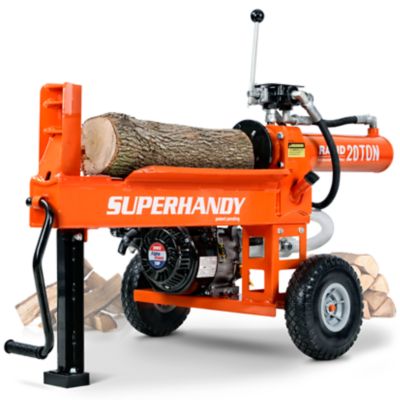
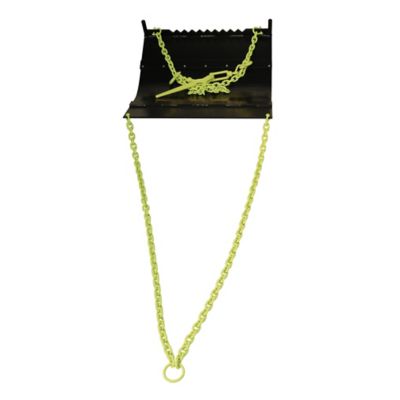
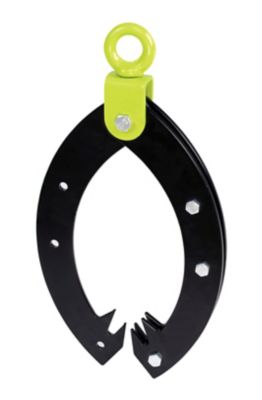
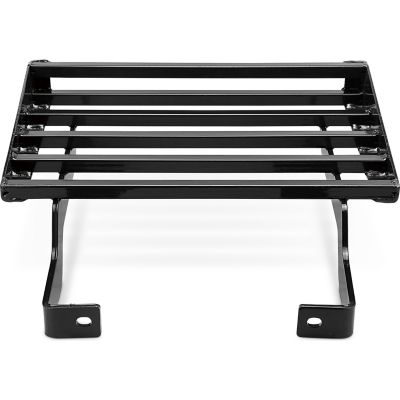
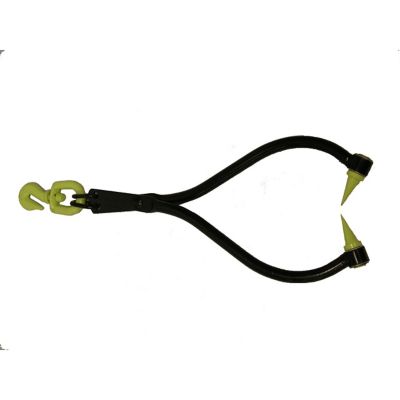
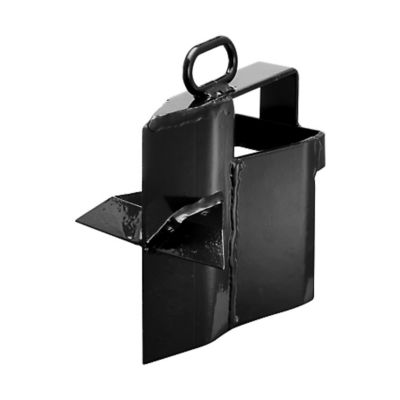
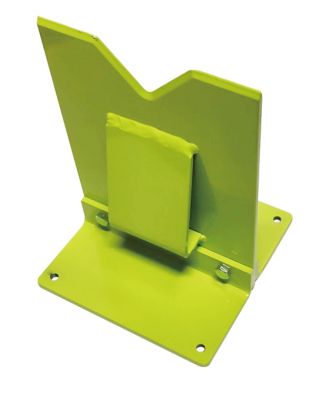
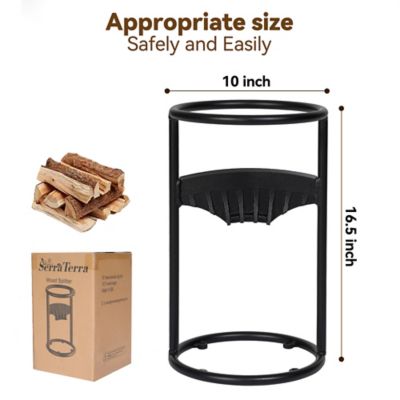
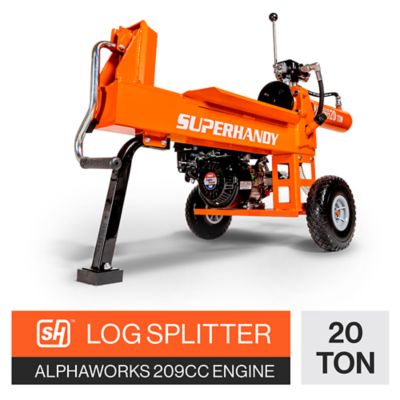
Log splitter accessories can make a big difference when you are turning a stack of rounds into firewood, especially during the busy stretch between warm weather and the cooler months. The right add-ons help you work more steadily, keep cut wood close at hand, protect your equipment between uses, and handle heavy timber with less reaching, lifting, and dragging. A multi-way splitting wedge is a popular upgrade for people who want to divide a round into several pieces in one pass. Slip-on cross wedges and similar attachments are made to fit over a splitter’s existing blade, but fit and operating requirements can vary, so check your splitter’s make, model, beam size, wedge design, and recommended tonnage before ordering. A log catcher or work table is another handy choice for anyone tired of watching split pieces tumble into the dirt. Mounted alongside the beam, a catcher keeps wood within arm’s reach and can save countless trips around the machine. It is especially helpful when processing a large pile or when you are working alone and want to keep the splitting area organized. Log lift attachments serve a different purpose by helping raise heavy rounds from ground level to the splitter beam. They can be a welcome addition for seasoned firewood cutters, landowners cleaning up storm-damaged trees, and anyone who would rather not wrestle a big, awkward round into place. For moving logs before they reach the splitter, cant hooks, peaveys, lifting tongs, and dragging tongs provide leverage and a more secure grip. A cant hook or peavey can help roll a round into position, while tongs can make it easier to pull or reposition timber without wrapping your arms around a rough, muddy log. These tools are useful around the farm, homestead, woodlot, and hunting cabin, too, so they can make thoughtful gifts for somebody who heats with wood, manages acreage, or spends weekends cleaning up fallen trees. Look for sturdy handles, comfortable grips, strong pivot points, and jaw or hook sizes suited to the wood you handle most often. A tool that feels balanced in your hands is easier to control when the ground is uneven or the log is heavier than it first appears.
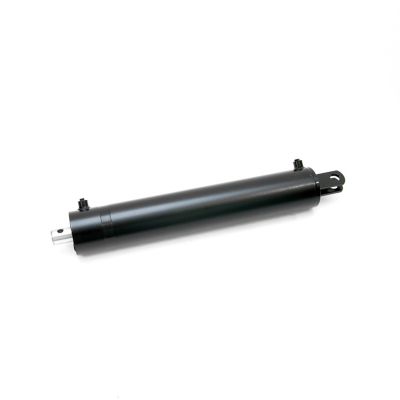
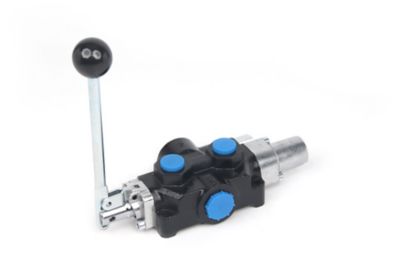
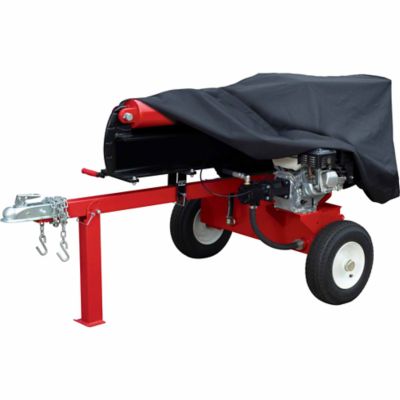
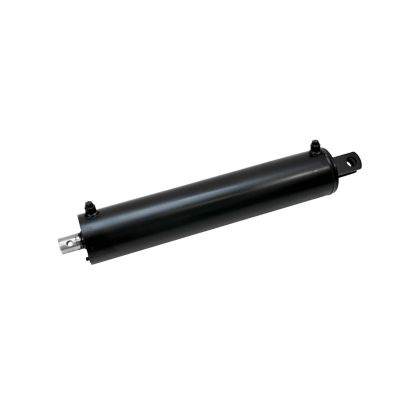
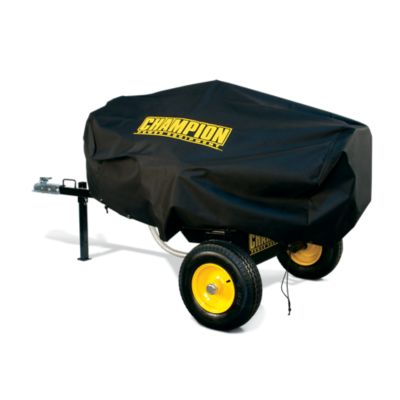
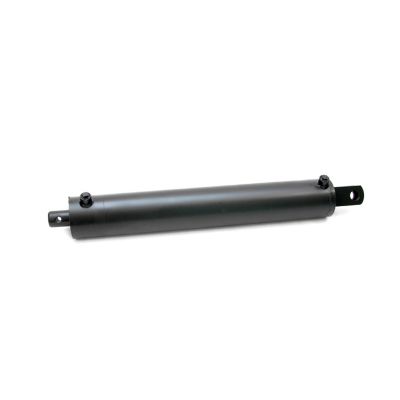
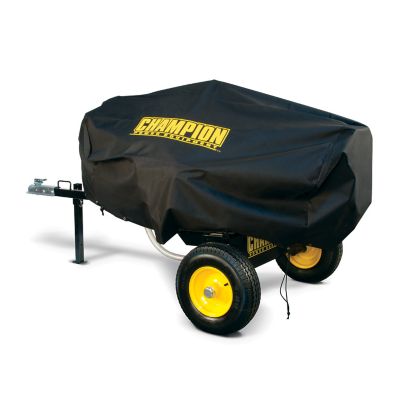
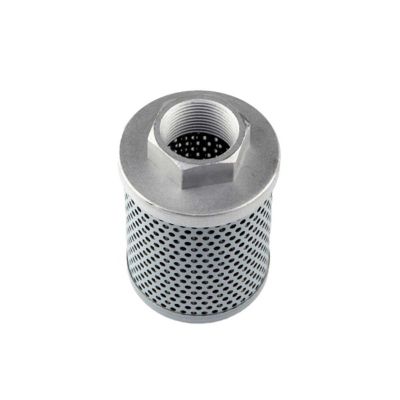
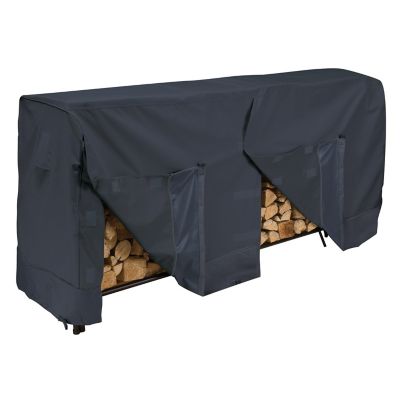
Maintenance and storage accessories are just as important as performance upgrades. Hydraulic filters and the correct hydraulic fluid help support clean, consistent operation, but always follow the equipment maker’s service instructions for fluid type, filter specifications, fill levels, and change intervals. Keeping a spare filter on hand can be convenient when a splitter is seeing steady use, though replacing parts with the wrong size or using an unsuitable fluid may cause trouble. Control valve handles, linkage pieces, replacement grips, and auto-return components can help restore a worn control area and make the machine easier to operate, provided the replacement parts match the valve and linkage already installed. A weather-resistant storage cover helps shield the engine, hydraulic tank, tires, controls, and other exposed areas from sun, rain, dust, leaves, and tree sap when the splitter is parked. Choose a cover with dimensions that allow room for the machine’s beam, wheels, controls, and any attached equipment without pulling tightly across sharp edges. Before covering, let hot components cool, clear away chips and dirt, and store the splitter on a reasonably dry, level surface. If your splitter lives in an open shed or beside the barn, a cover can be a simple way to limit weather exposure between wood-cutting sessions. When comparing log splitter accessories, start with the jobs that slow you down most: lifting rounds, catching split wood, moving logs, maintaining the hydraulic system, or keeping the machine protected. Measure mounting points and working clearances, review weight limits, and confirm whether an attachment is intended for vertical, horizontal, or both operating positions. It also helps to think about the wood itself. Small, straight-grained rounds may not need the same setup as large, knotty hardwood, and a multi-way wedge can behave differently depending on log diameter, moisture, grain, and splitter power. Keep the work area clear, use stable footing and suitable protective gear, and follow the operating instructions for every attachment. For additional options that help with handling, splitting, and stacking firewood, browse
Wood Splitting Tools. With a few well-matched accessories, the whole job can feel more orderly: rounds stay where you can reach them, split pieces land closer to the pile, and your equipment is ready for the next stretch of cool-weather work.