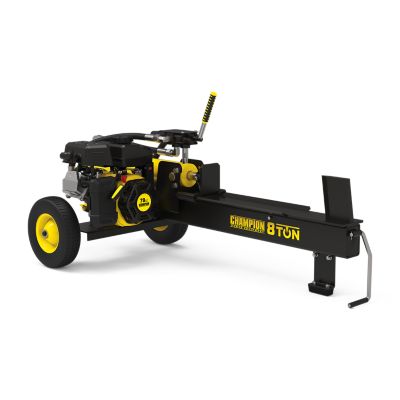
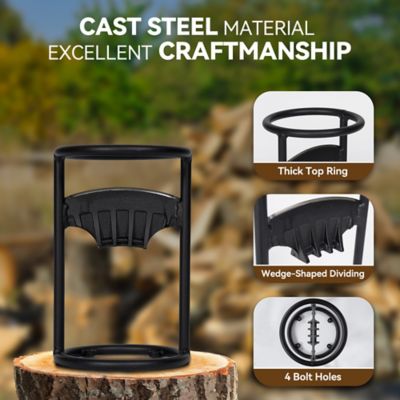
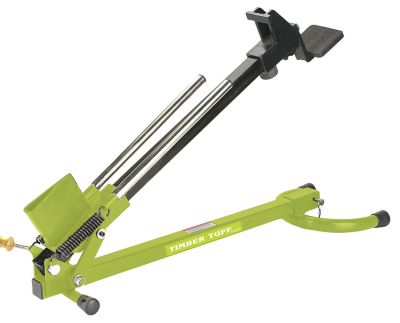
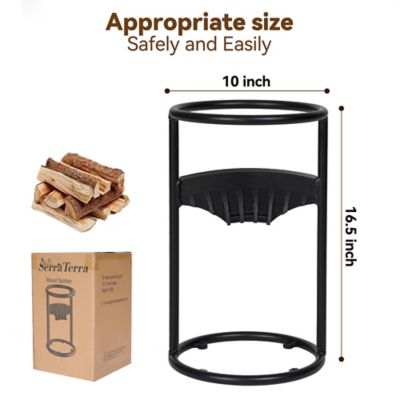
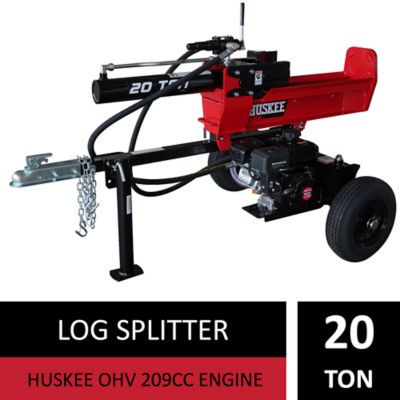
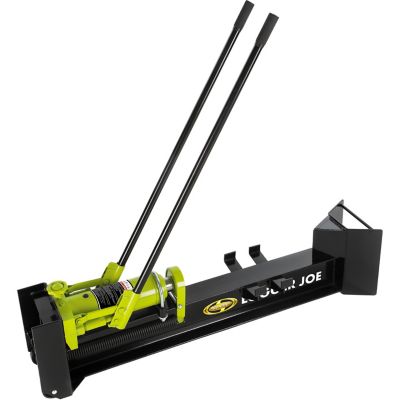
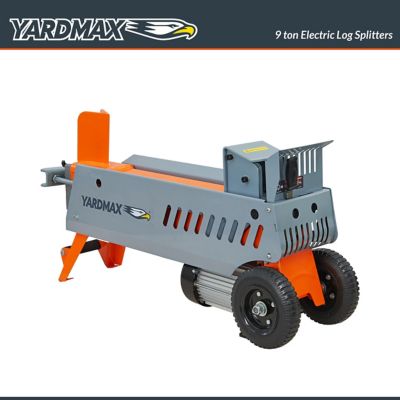
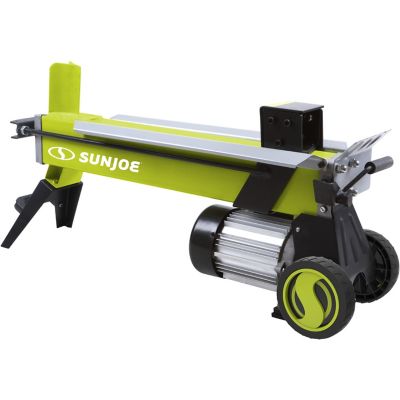
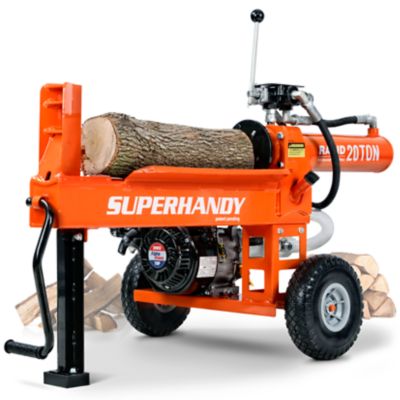
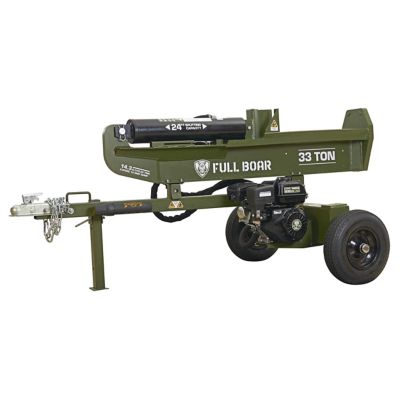
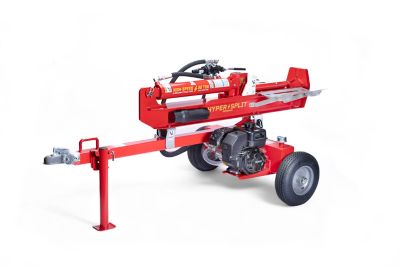
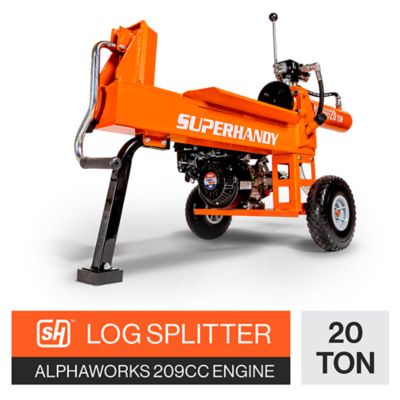
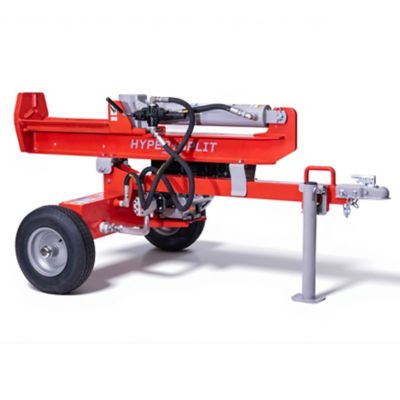
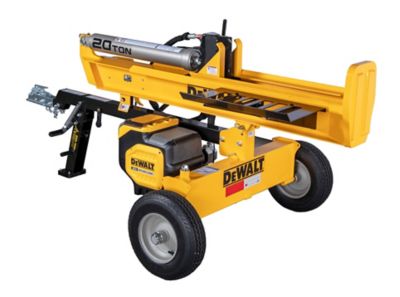
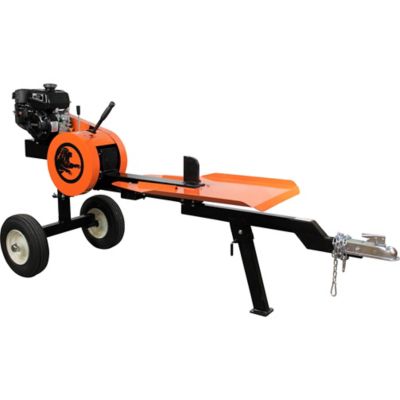
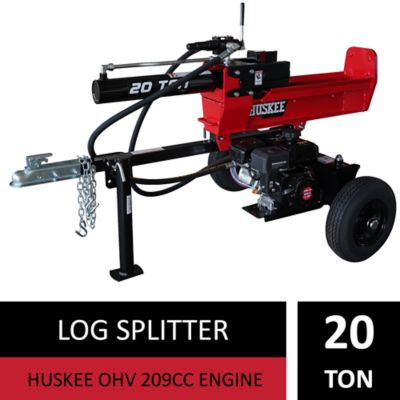
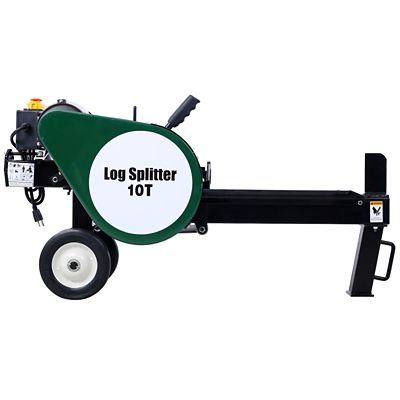
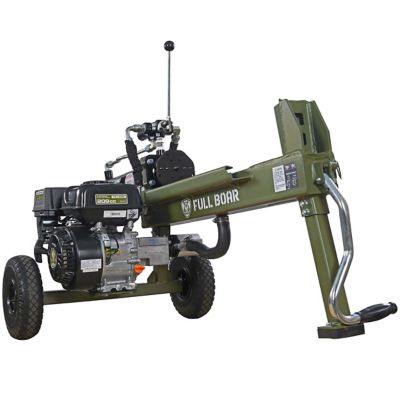
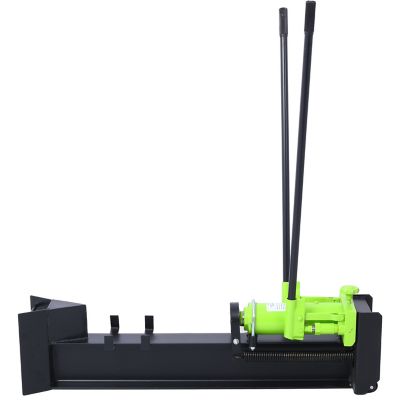
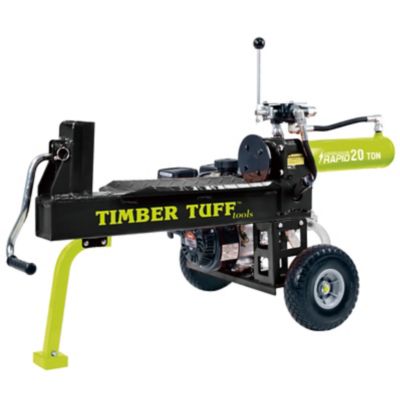
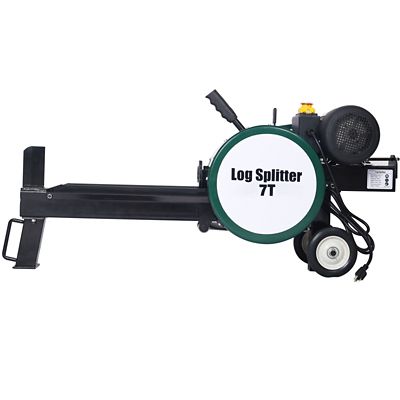
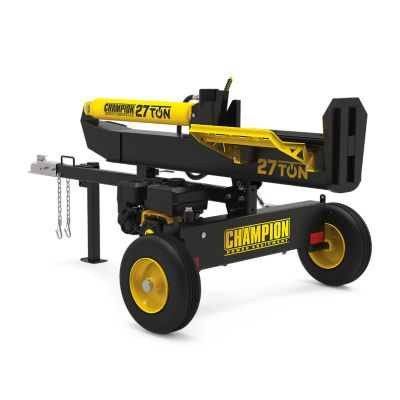
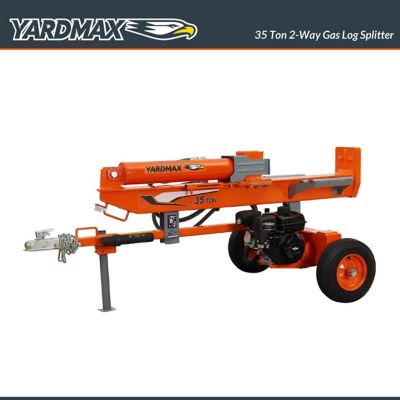
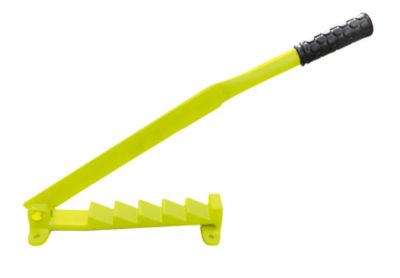
Small log splitters are compact tools and machines that divide manageable logs into firewood or kindling without the repeated swinging of a splitting maul. Options include manually operated splitters, electric models and smaller gas-powered machines, with many designs using hydraulic pressure to push wood against a wedge. Their smaller footprint suits folks who process modest amounts of firewood, keep a cabin supplied or turn a pile of short rounds into pieces that fit a wood stove. A compact splitter can also help a property owner handle wood left after routine tree work, provided the rounds fall within the machine’s stated limits. The right fit depends on more than how much room the machine takes up beside the workbench. Maximum log length, permitted log diameter, splitting force and working height all affect how comfortably a splitter handles the wood at hand. A short, straight-grained round can split quite differently from a similar-size piece with a knot running through its center. Wood species, grain direction and moisture content also influence resistance, so a tonnage rating alone does not tell the whole story. Small electric log splitters often suit occasional firewood work within reach of a suitable electrical supply, while manual designs trade powered operation for a simpler setup and a hands-on pace. Compact gas-powered hydraulic splitters offer another option for work farther from an outlet, though they require fuel, engine upkeep and outdoor operation. For someone who brings home a few manageable rounds at a time, a smaller machine may match the workload better than equipment built around large woodpiles. Compact size does not make every splitter easy to lift, however. Overall weight, wheel placement, handles and storage dimensions matter when the machine needs to travel between a shed and a splitting area. A narrow storage spot calls for a different footprint than an open equipment bay, and any upright storage position needs the manufacturer’s approval.
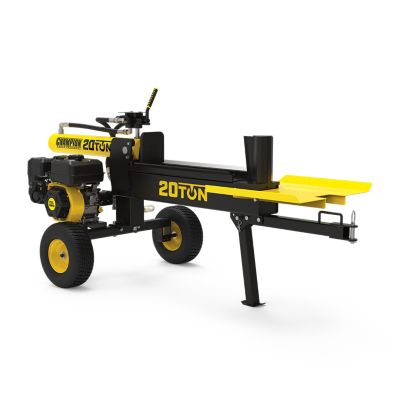
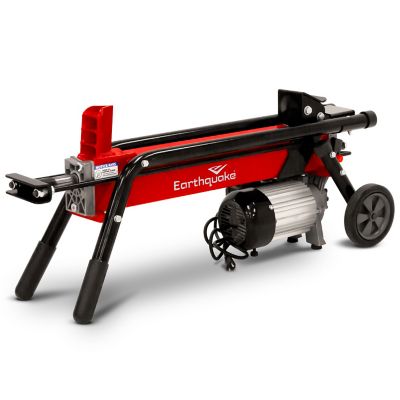
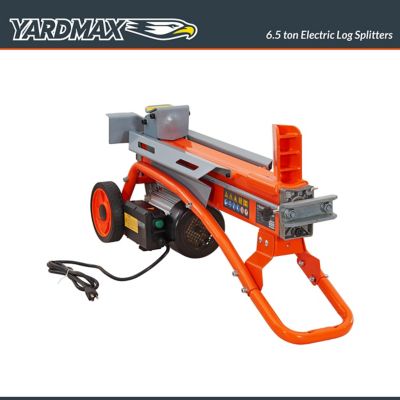
The way a small wood splitter holds and moves a log makes a noticeable difference over an afternoon of work. Horizontal designs generally support the round along a beam or cradle as a ram advances it toward a wedge, although the moving components vary by design. Log supports can help keep suitable rounds positioned during a cycle, but they do not replace the handling steps laid out in the operator’s manual. Working height deserves a close look, too. A low splitter may fit neatly into storage while still requiring repeated bending, whereas a model with an approved stand can bring the work closer to a comfortable height. Rounds that are awkward to lift may call for a different arrangement altogether;
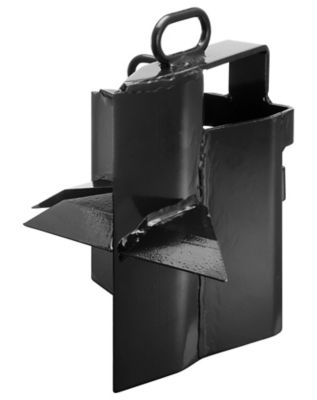
vertical log splitters can allow suitable logs to be positioned near ground level rather than lifted onto a horizontal beam. With any configuration, the machine’s limits still govern what belongs on it. A compact splitter is not a way around an oversized round, embedded metal or a heavily twisted section of trunk. Steel frames, supported beams and splitting wedges form the working backbone of many machines, while welds, wheel assemblies and control placement influence everyday handling. Hydraulic hoses and fittings need protection from pinching, abrasion and contact with sharp wood. Cycle time can matter when several rounds are waiting, but a faster return stroke is only one part of the workflow. Space for unsplit rounds on one side and finished pieces on the other helps keep the operator from stepping around loose wood between cycles. A pile of stove-length rounds beside a clear splitting area is a different job from scattered branch sections tangled with brush. For electric equipment, the power supply and any permitted extension cord must match the manufacturer’s requirements. For gas equipment, exhaust means operation belongs outdoors, away from buildings’ openings—not inside a garage or shed, even with the door open.
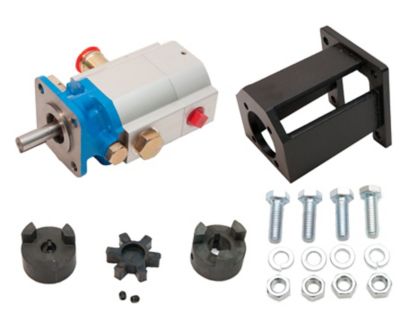
Care and safe handling help a small log splitter stay ready for the next load. Hydraulic models need the specified fluid and inspection schedule, along with attention to leaks, damaged hoses and loose hardware. Hydraulic leaks can cause serious injury, so suspected leaks call for stopping the machine and following the manufacturer’s service directions, never checking a pressurized line with a hand. Electric models need sound cords, intact plugs and connections protected as directed in the manual. Gas-powered equipment adds engine oil, air-filter and fuel-system care to the routine. Chips and bark can collect around the beam and moving parts; clearing that buildup belongs between work sessions with the machine shut down and secured according to its instructions. Protected storage helps limit corrosion, while supported hoses and neatly routed cords are less likely to snag during the next move. At the splitting area, firm, level footing and a clear operating space matter as much as the machine’s size. Eye protection, sturdy footwear and hearing protection where appropriate belong with the job, along with clothing that stays clear of moving components. One person should control the splitting operation, with hands away from the wedge, ram and pinch points and bystanders and pets outside the work area. A stuck piece requires the specified clearing procedure, not reaching into the machine or trying to force another cycle. For a household that burns a modest amount of firewood, a compact splitter can make steady work of suitable rounds without taking over the whole shed. It can also be a practical gift for an experienced firewood burner or acreage owner when its weight, controls, power needs and log capacity match that person’s setup. The best match is equipment sized for the wood that actually comes through the gate, with handling and upkeep that fit the owner’s routine.