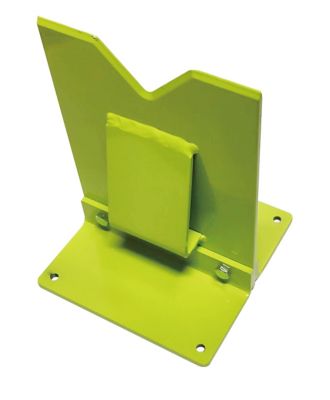
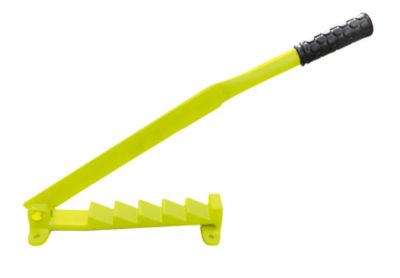
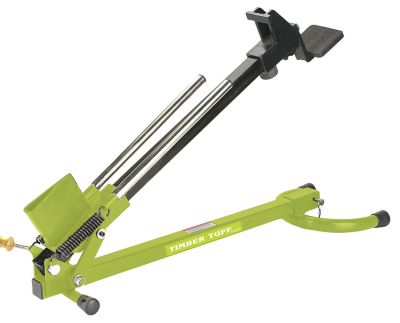
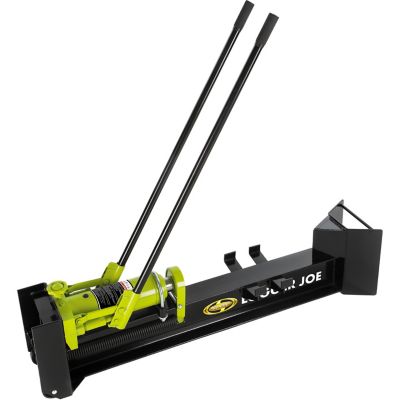
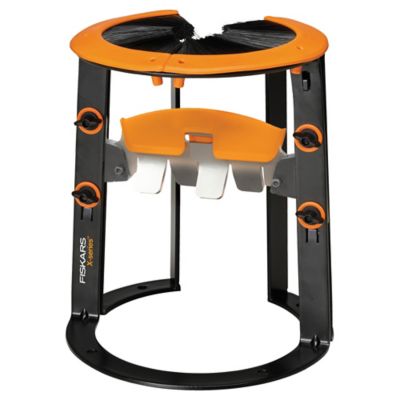
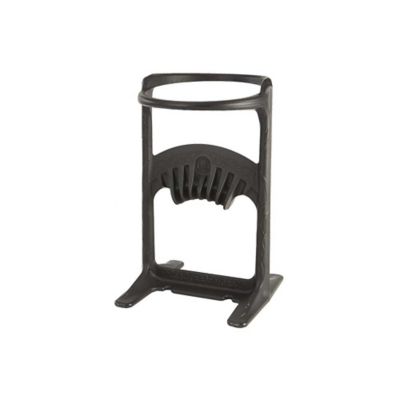
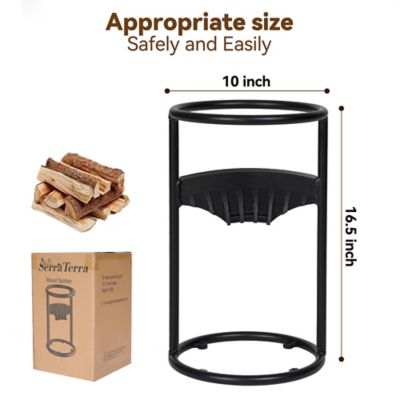
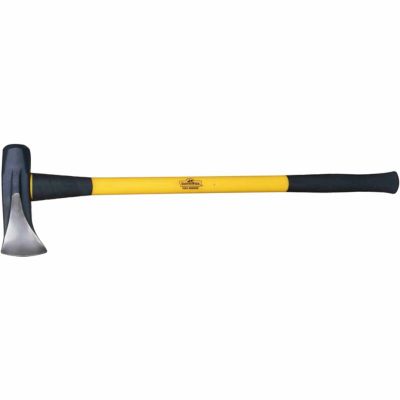
A wood kindling splitter is a tool that turns suitable pieces of firewood into smaller sticks for starting a fire. Most manual designs work with either a fixed splitting edge that the wood is driven onto or a mounted lever that brings a blade through the wood. The result is kindling: narrow pieces with enough exposed surface to catch more readily than a full-size split log. For someone tending a wood stove, building a backyard fire, or keeping a cabin hearth ready, that smaller wood fills the gap between tinder and larger fuel. Ring-style splitters commonly hold a stationary wedge inside an open frame, with room above it for a piece of wood and a striking tool. This arrangement reduces the need to swing an exposed axe blade, though it still involves a splitting edge, impact, and moving wood. Wall-mounted lever designs work differently, bringing leverage into the job and requiring a suitable mounting surface. Neither style eliminates the need for care, and the right choice depends on the wood being split, the space around the tool, and the operator’s comfort with its motion. A compact splitter can make sense beside a dedicated chopping block, while a mounted design may suit a sheltered work area with solid structural support. The appeal is straightforward: a manageable way to prepare a small basket of fire-starting wood without bringing out a larger firewood-processing machine. These tools are generally meant for reducing suitable split pieces into kindling, rather than breaking down every round that comes off the woodpile. Picture a few straight-grained pieces set aside from a stack, ready to become slender sticks for the next fire. That is the kind of everyday task a wood kindling splitter is built around. Matching the tool to that task matters more than choosing the largest frame or the heaviest body, especially when the work is a handful of pieces at a time.
Construction and working capacity make a real difference in how a kindling splitter fits into that routine. Cast iron and steel are common materials, with body shape, edge design, and mounting points all contributing to how the tool handles splitting forces. Weight can help a freestanding design feel planted, but a heavy frame is no substitute for fastening it as directed. A broad base and mounting holes may suit a solid wood block; a wall-mounted tool needs support that can handle the leverage applied during operation. Check both the opening width and the usable height when comparing enclosed designs. A piece that fits through a top ring may still be too long or awkward to position properly above the wedge. Lever designs have their own limits for wood dimensions and species, so a tool intended for softwood should not be treated as an all-purpose hardwood splitter. Straight grain generally separates more readily than twisted grain, knots, or branch junctions. Dry wood also serves the fire-starting job better than damp pieces, although moisture content alone does not determine how easily a particular piece will split. For a household burning dense hardwood, the practical question is whether the tool can handle the smaller splits already coming from that woodpile. For someone working mainly with pine or similar softwood, a lighter-duty design may fit the task when its stated limits allow it. Long service life comes from appropriate loads, sound mounting, and routine attention as much as material choice. Protective finishes help shield exposed metal, but scratches and moisture can still leave openings for rust. A splitter stored under cover, kept free of packed wood fibers, and checked for loose hardware has a better starting point for regular work. Blade maintenance varies by design, so the maker’s directions matter; an edge should not automatically receive the same treatment as an axe. Cracks, bent components, and damaged mounting points call for attention before another piece goes onto the tool.
The best fit also depends on where kindling preparation happens and who handles it. A portable manual splitter may suit an adult who takes firewood along for camping, provided its weight, mounting needs, and carrying arrangement match the trip. A permanently mounted version makes more sense where the work stays in one place and there is clear room for its full range of motion. A comfortable working height helps keep the task from turning into repeated stooping, while firm footing and an uncluttered work area leave room to manage pieces that fall away from the split. Eye protection, suitable footwear, and any other protective equipment specified by the manufacturer belong in that setup. Hands need to stay clear of the splitting path, and a fixed blade does not make a tool appropriate for unsupervised children. For a household that processes substantial amounts of firewood, kindling preparation is often a separate job from splitting larger logs. A
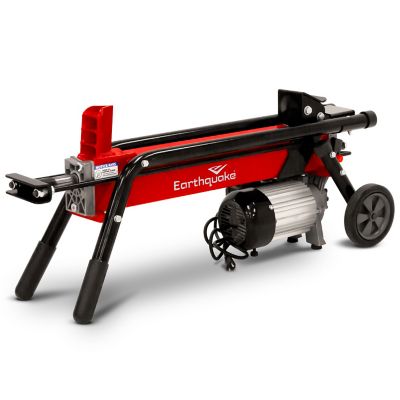
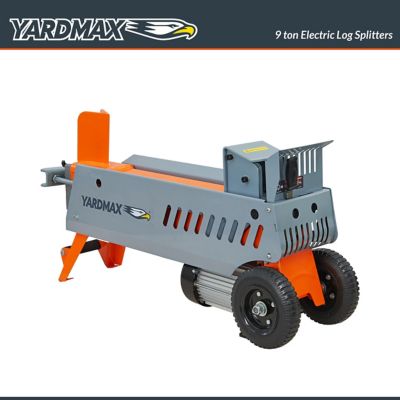
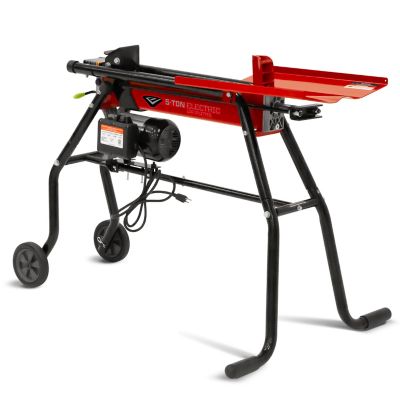
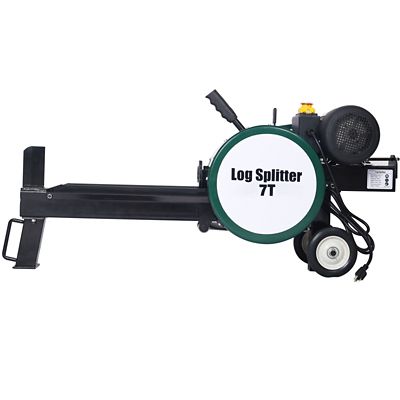
Kinetic Log Splitter stores energy in a flywheel system and transfers that energy through a ram to split wood, serving a different role from a hand-operated kindling tool. Larger equipment can handle the main firewood work within its rated capacity, while a smaller manual tool can help turn suitable pieces into fire starters. That distinction is useful for shoppers outfitting a wood shed, replacing an awkward kindling setup, or choosing a practical gift for an adult who regularly tends a stove or fire pit. The gift makes the most sense when the recipient already has suitable wood, a place to mount or support the tool, and a preference for its operating style. A well-matched wood kindling splitter earns its place through an ordinary chore done with less fuss: turning a few manageable splits into a basket of narrow sticks, ready alongside the larger firewood. Look for clear capacity information, sensible mounting provisions, and care requirements that fit the workspace rather than expecting one design to handle every piece in the pile.