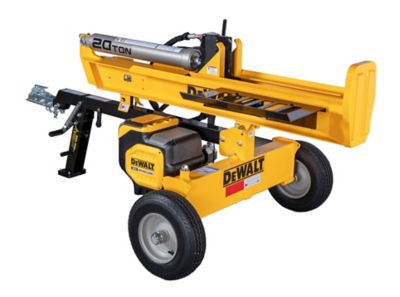
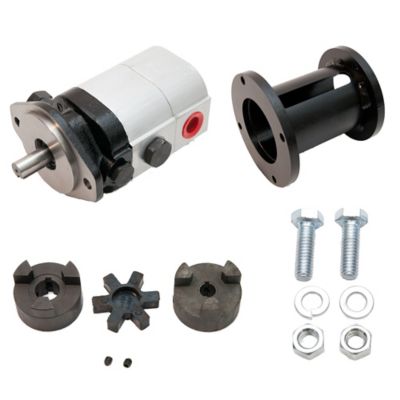
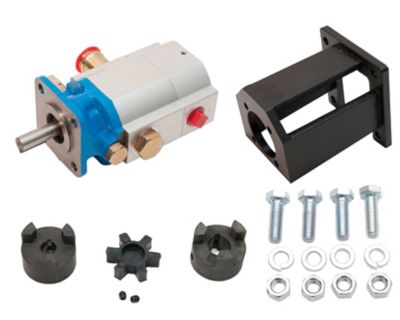
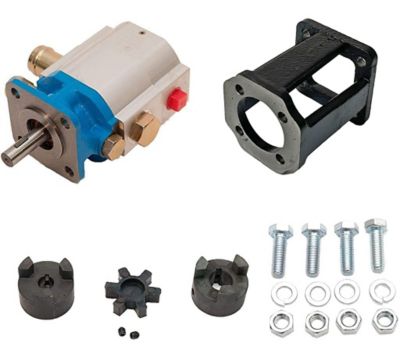
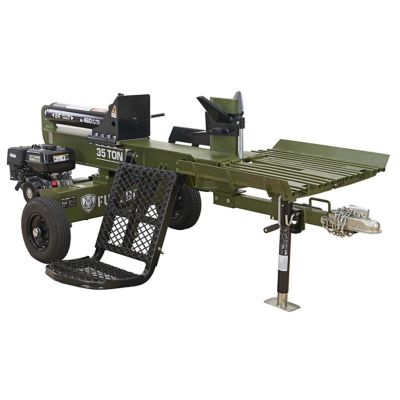
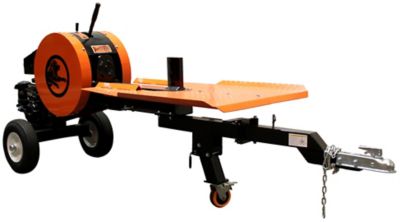
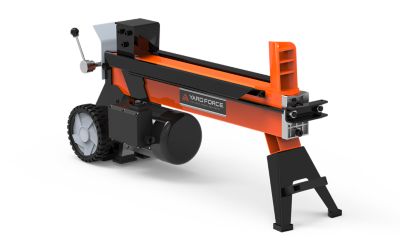
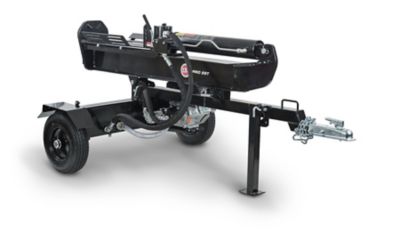
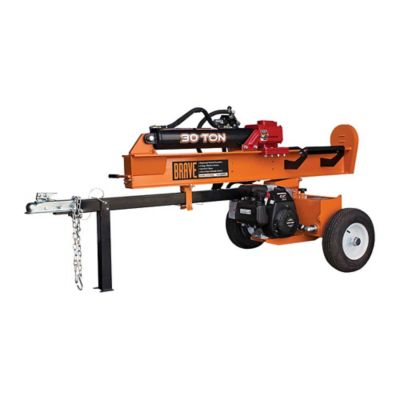
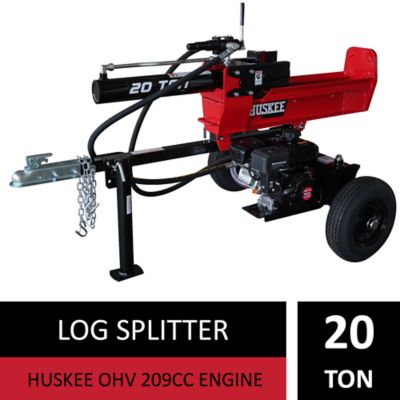
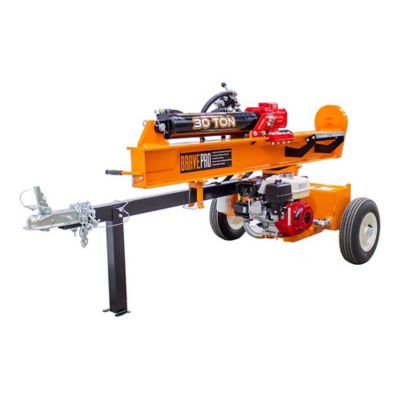
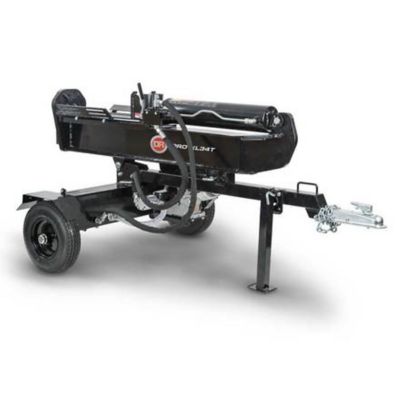
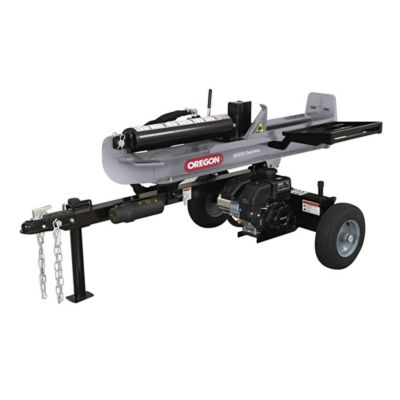
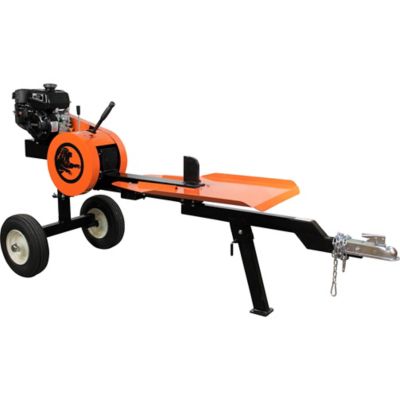
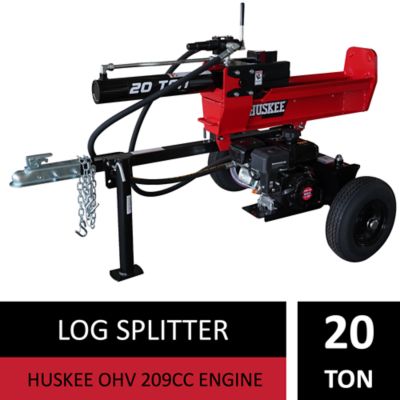
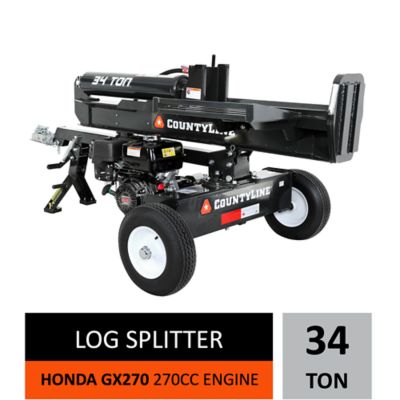
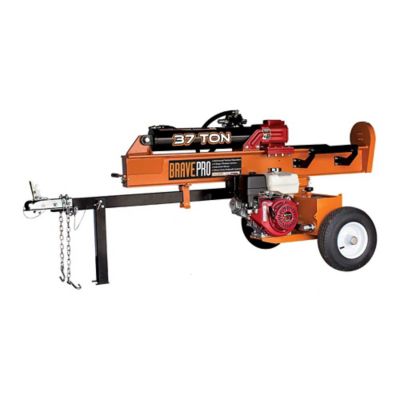
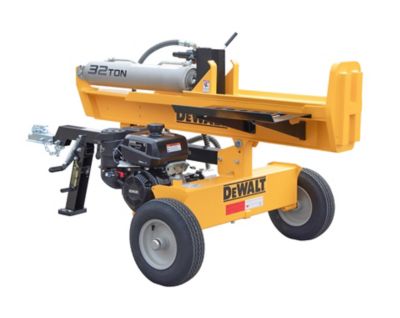
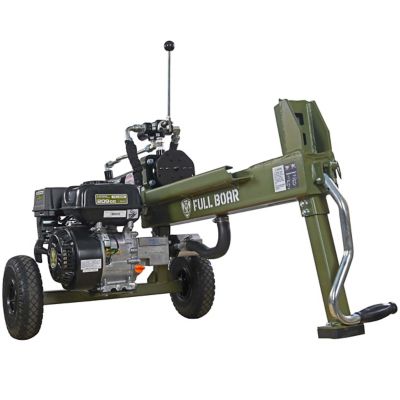
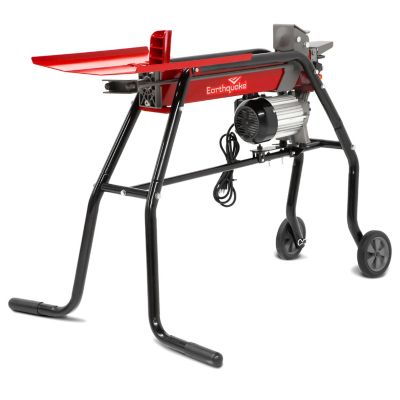
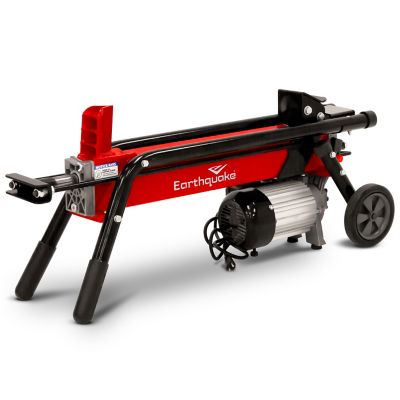
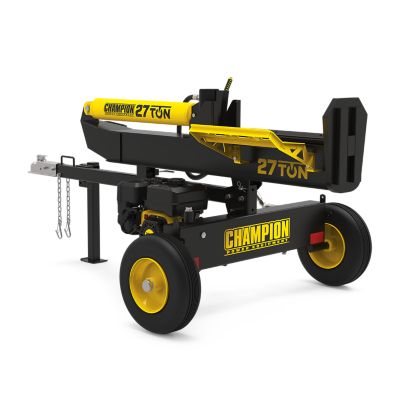
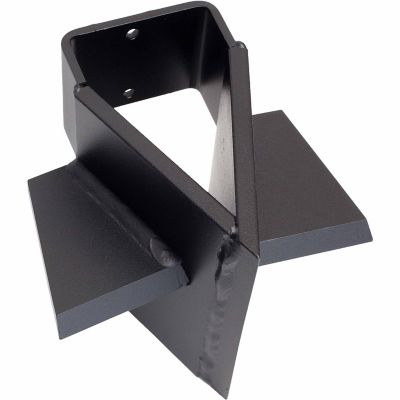
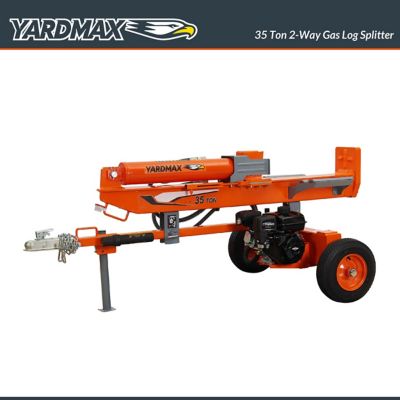
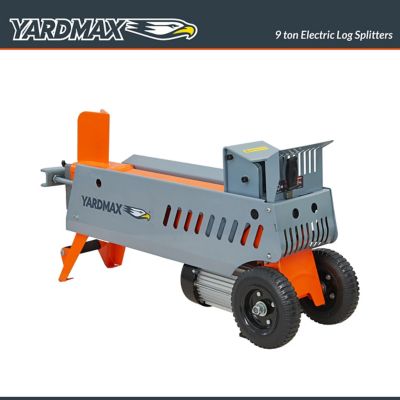
Log splitter kits give landowners, firewood cutters and hands-on do-it-yourselfers a practical way to build, repair or improve equipment for handling rounds of wood. Depending on the setup, a kit may include a hydraulic pump, pump mount, engine adapter, coupler, valve, cylinder components or the hardware needed to connect an existing power source. Other kits are built around a screw or cone auger, using a threaded steel cone and belt-and-pulley drive to bore into a block and force it apart. Ready-to-run electric or battery-powered units may also be listed as kits, offering a simpler option for homeowners who want splitting power without assembling a complete machine from individual parts. This range makes it important to look closely at what is included before buying. A basic hydraulic pump and coupler package may be a good match for someone who already has a suitable engine, frame and reservoir, while a more complete engine-and-power bundle can help simplify a new build or a major repair. Larger cylinders and higher-flow pumps are intended for heavier equipment and generally call for a larger gasoline engine, stronger mounting points and hydraulic components rated for the added demand. The right kit depends on the wood being split, the machine being built or repaired, and the time and tools available for the project.
Compatibility is the heart of a successful log splitter kit purchase. Start by checking the engine or motor specifications, shaft size, rotation direction, mounting pattern and available horsepower. Hydraulic pump flow is commonly listed in gallons per minute, with smaller kits often falling in the roughly 11 to 13 GPM range and larger setups using higher-flow pumps. Flow affects cycle speed, but it must be matched with the engine, valve, hoses, fittings and cylinder so the system works as a balanced whole. Operating pressure, cylinder bore, cylinder stroke and wedge design all play a part in real-world splitting force; a pump with a higher GPM rating does not automatically make a machine a higher-tonnage splitter. Check whether a kit includes a two-stage pump, auto-return detent valve, coupler, bracket and mounting hardware, or whether those pieces must be purchased separately. A hydraulic reservoir, suction line, return filter, pressure hose, control valve and compatible fittings may also be needed to complete a build. For cone-style kits, pay attention to the cone diameter, replaceable tip, pulley arrangement, belt size and recommended operating speed. These systems are generally designed for slow, controlled rotation rather than the high speed used by many other auger tools. Battery-powered choices bring a different set of considerations, including battery voltage, runtime, charging needs, noise level and whether the kit includes the battery and charger. Reading the specifications alongside the equipment you already own can prevent mismatched parts, extra trips for fittings and a project that stalls halfway through the woodpile.
Log splitter kits can be useful for a wide range of people, from a rural homeowner processing a few cords of seasoned hardwood to a small firewood operation keeping a steady stack ready for the cooler months. They can also make a thoughtful gift for a new acreage owner, a family member who heats with firewood or a capable do-it-yourselfer who enjoys bringing older equipment back to life. Someone with a reliable small engine and a solid splitter frame may only need a pump, coupler and mounting hardware to get back to work. Another user may prefer a more complete power bundle that reduces guesswork when replacing worn components. When the weather warms, many folks begin clearing storm-damaged limbs, trimming trees and getting ahead on firewood while the ground is easier to work. As the season turns cooler, a dependable splitter helps turn rounds into manageable pieces for stacking, hauling and seasoning. Always match the kit to the size and species of wood being handled, since dense hardwood, knotty sections and oversized rounds place more strain on a machine than straight-grained softwood. Set the splitter on firm, level ground, keep hands and feet away from the wedge or cone, wear eye protection, gloves and sturdy footwear, and follow the equipment maker’s instructions for hydraulic pressure, fuel, battery use and maintenance. Keep bystanders, children and pets clear of the work area, and never defeat a safety feature to speed up a cycle. For more options to round out a firewood setup, browse
Wood Splitting Tools. With the right match of power, fittings and frame strength, a log splitter kit can turn a demanding chore into steady, controlled work and help keep a well-seasoned woodpile ready when it is needed.