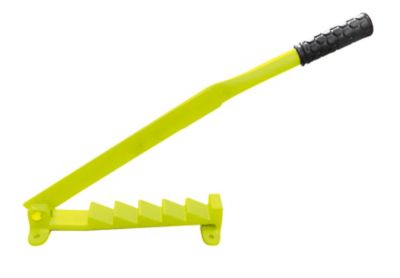
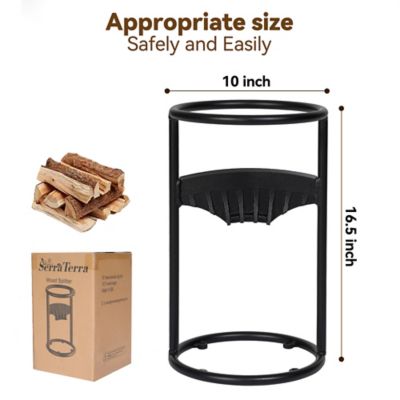
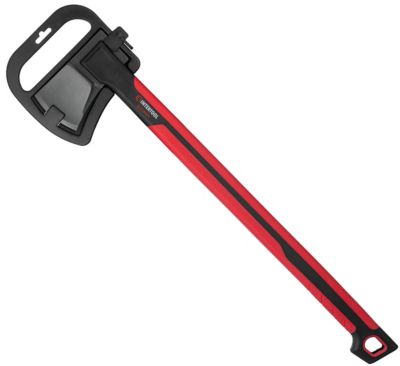
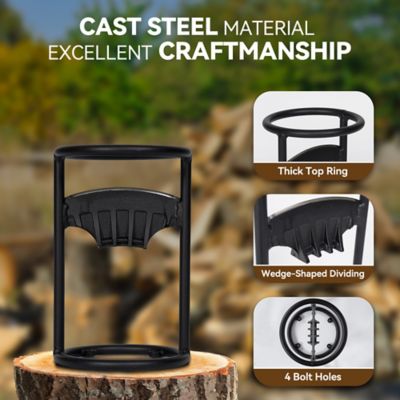
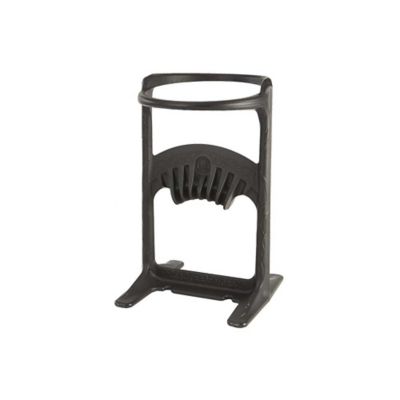
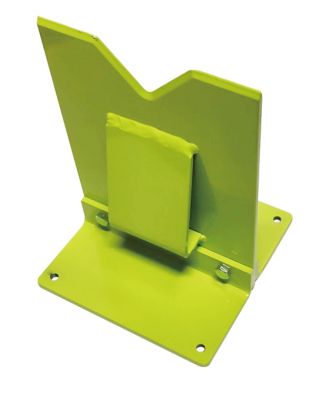
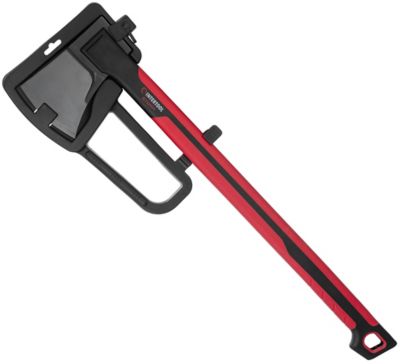
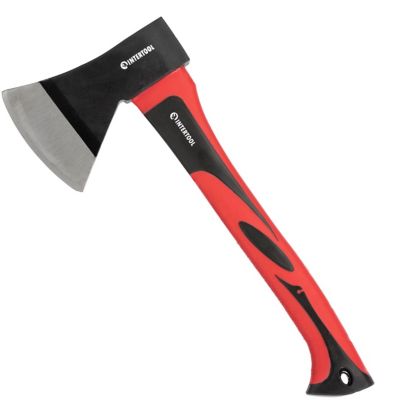
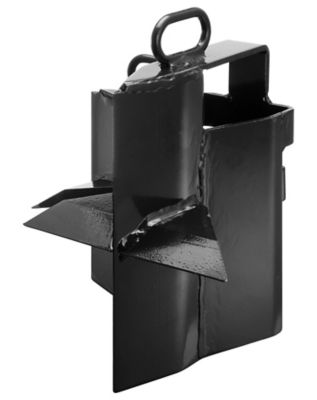
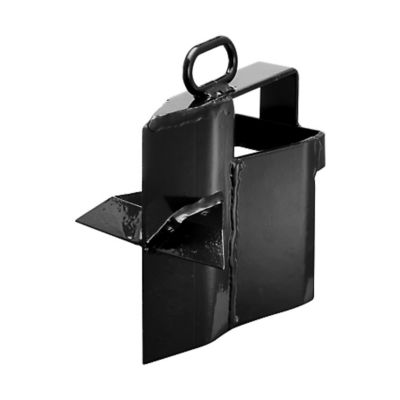
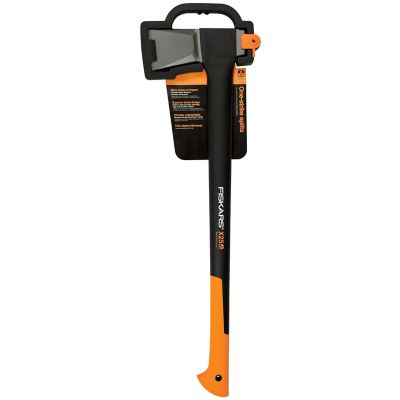
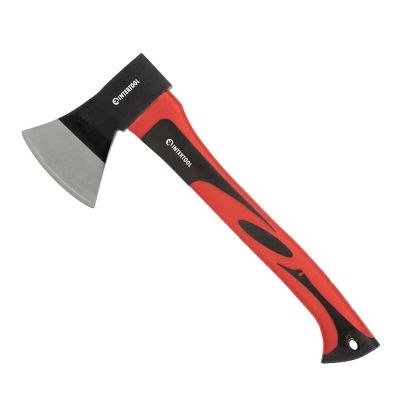
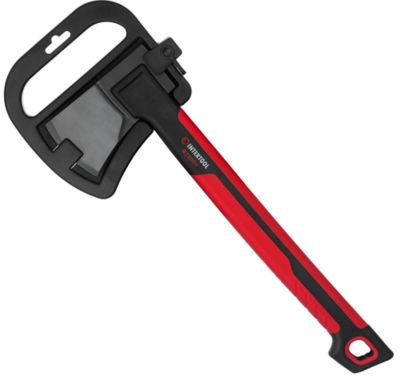
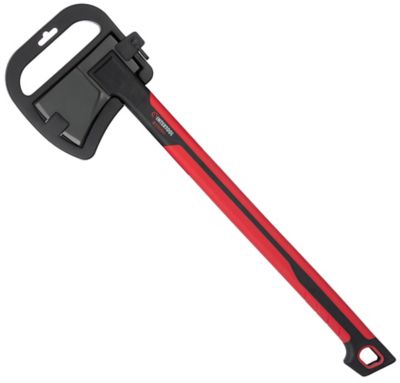
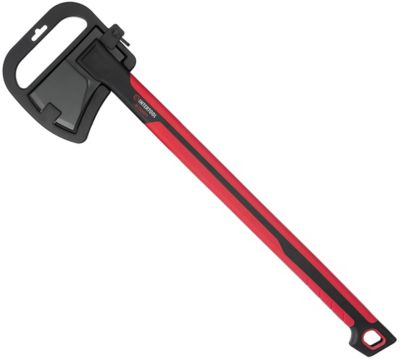
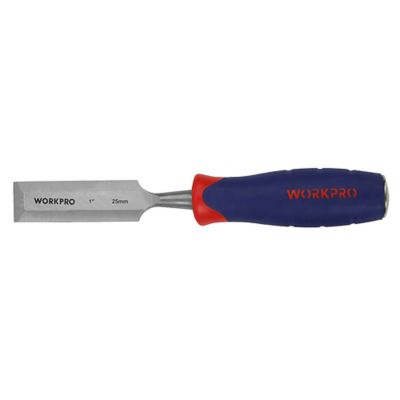
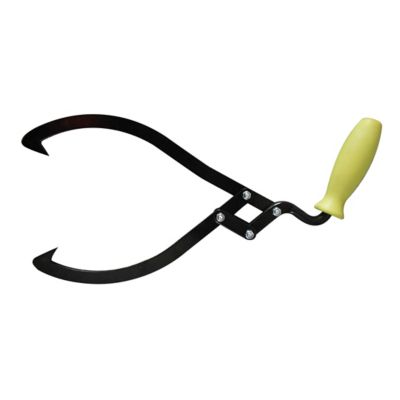
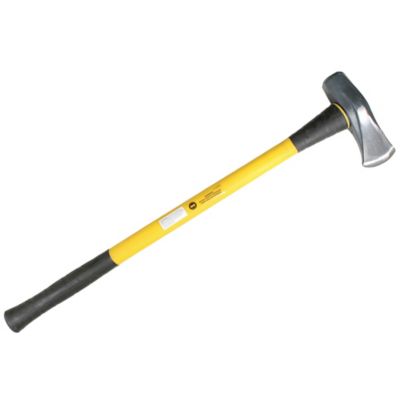
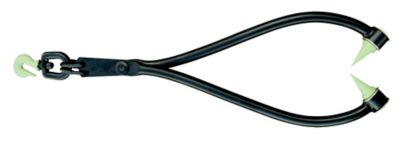
Wood splitting tools help turn rounds, logs and larger pieces of firewood into manageable splits for the stove, fireplace, outdoor fire pit or campfire. The right choice depends on the kind of wood you handle, how much you need to split and how much hands-on work fits your routine. A splitting axe has a relatively sharp, thinner profile that works well for straight-grained wood and smaller to medium-sized rounds, while a splitting maul uses a heavier, wedge-shaped head to drive force into larger pieces, tough hardwoods and stubborn knots. A hatchet is handy for smaller work, trimming rough edges and making kindling, especially when you only need a few pieces for a fire. For rounds that resist an axe or maul, splitting wedges and a heavy sledgehammer can help open the grain a little at a time. Wedges are especially useful for oversized, twisted or knotty sections where the wood fibers do not split cleanly. When choosing a hand tool, pay attention to head weight, handle length, grip comfort and overall balance. A heavier head can deliver more force, but it also takes more control and energy to swing. Longer handles may provide added leverage, while shorter handles can feel easier to manage for close, careful work. Look for a comfortable grip that stays secure in both dry and damp conditions, and check that the handle and head are firmly fitted before each use. A sturdy chopping block gives the tool a solid target and helps keep the cutting edge out of the soil, gravel and grass. Set the round upright on a level surface, keep your feet clear of the swing path and let the tool do the work instead of trying to muscle every strike. Eye protection, sturdy footwear, gloves and a clear work area are smart additions to any wood-splitting setup.
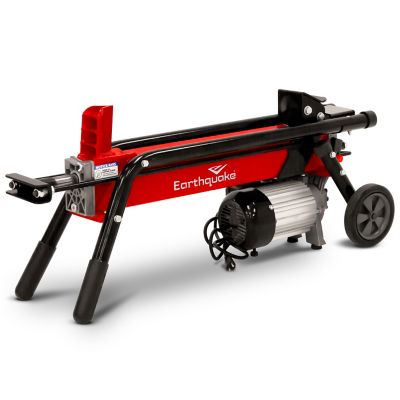
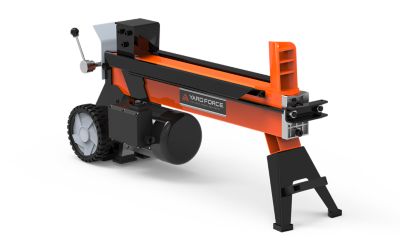
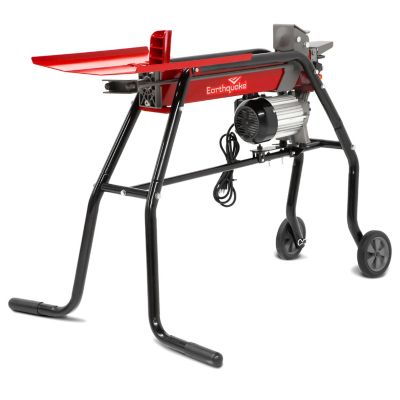
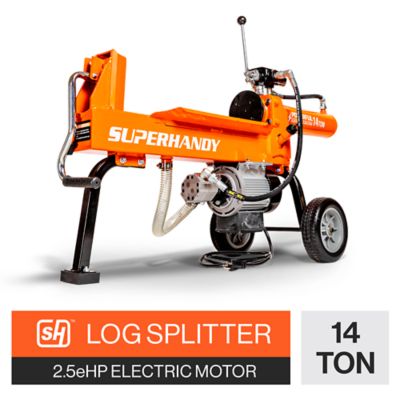
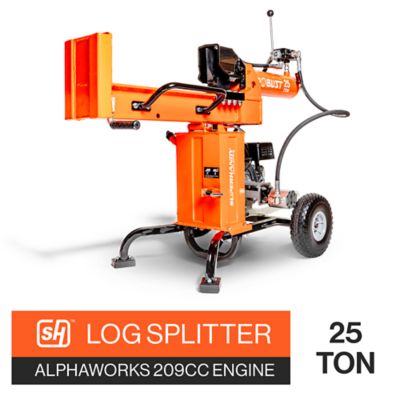
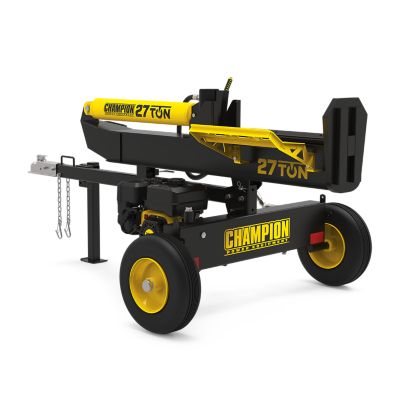
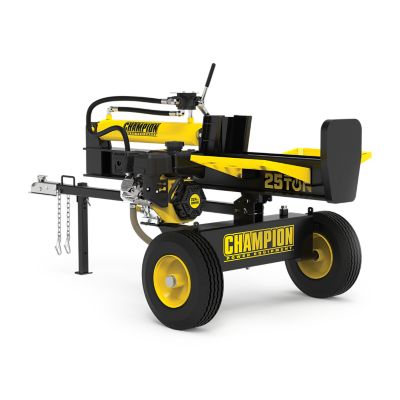
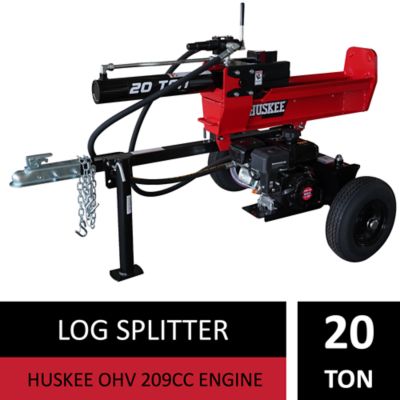
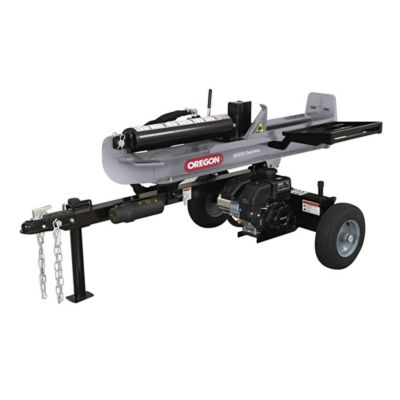
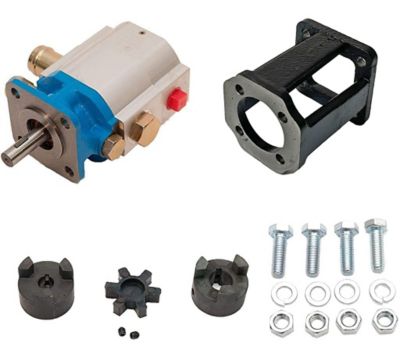
For larger quantities of firewood, powered equipment can reduce the strain and make short work of rounds that would be tiring to handle by hand. Manual hydraulic splitters use a hand pump to build splitting force without fuel or an electrical cord, making them a practical fit for smaller loads, remote areas and folks who want more power with a slower, controlled pace. Electric log splitters are useful around a home, barn or workshop where an outlet is available. They typically offer a convenient balance of splitting strength, lower noise and simple operation for moderate workloads. Gas-powered and heavy-duty hydraulic splitters are built for bigger jobs, dense hardwoods and regular firewood processing, including work on larger properties or when preparing a substantial supply for the cooler months. Before buying, compare the splitter's force rating with the diameter and species of wood you expect to handle. Softer wood and smaller rounds may need less force, while seasoned hardwood, forked grain and knotty pieces call for more capacity. Consider whether the machine can be used horizontally, vertically or in both positions. Horizontal operation can be comfortable for smaller rounds, while vertical operation may save lifting effort when dealing with large, heavy pieces. Check the cycle time, table height, wheel design, storage footprint and power source, too. A unit that is easy to move and store is more likely to get used regularly. For people building a complete setup,
Log Splitter Kits can bring together useful components for a more organized wood-processing area. Keep powered splitters on stable ground, inspect hoses and connections, follow the operating instructions and never reach into the splitting area while the machine is running. Children and bystanders should stay well away from the work zone, and the operator should remain focused on the ram, wedge and movement of each round.
Wood splitting tools can be useful for a wide range of people, from a homeowner preparing firewood for a wood-burning stove to a camper getting a stack of dry pieces ready for an evening fire. They also make practical gifts for a new homeowner, a first-time landowner, a neighbor who heats with wood or anyone who enjoys working outside and keeping a supply of firewood close at hand. A compact hatchet or kindling tool may suit someone with limited storage space, while a splitting maul, wedge set or powered splitter can be a better match for someone handling larger rounds on a regular basis. Think about the recipient's experience, strength, available storage and intended workload before choosing a gift. Someone who enjoys the rhythm of outdoor chores may appreciate a well-balanced hand tool, while a homeowner with back or shoulder strain may benefit from a hydraulic option that reduces repeated swinging and lifting. No matter which type fits the job, dry, properly seasoned wood is generally easier to split than green wood, and a clean stack helps keep finished pieces ready for use. Split wood into sizes that suit the appliance or fire pit, then stack it off the ground with room for air to move through the pile. During the warmer part of the year, many people take advantage of comfortable outdoor work to prepare and organize firewood before colder weather settles in. As the seasons turn and evenings become cooler, having the right wood splitting tools on hand can make it easier to maintain a neat supply without turning every load into an all-day chore. Inspect cutting edges for damage, replace worn handles or damaged parts and store tools in a dry location where they are protected from weather and easy to reach when the next load of wood is ready.