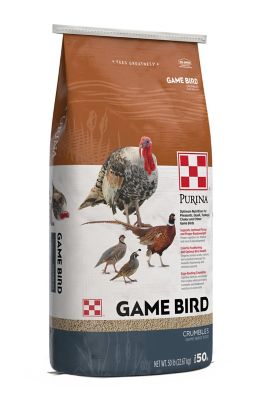
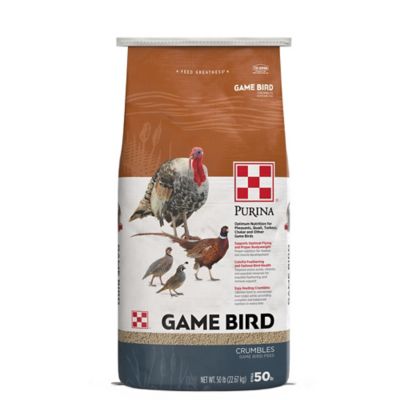
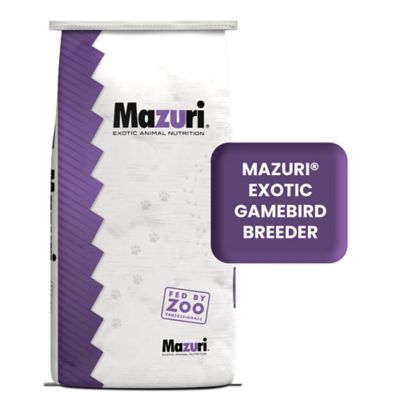
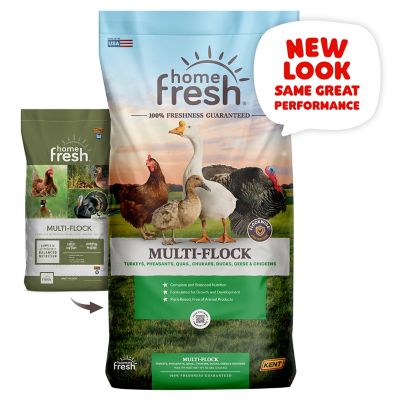
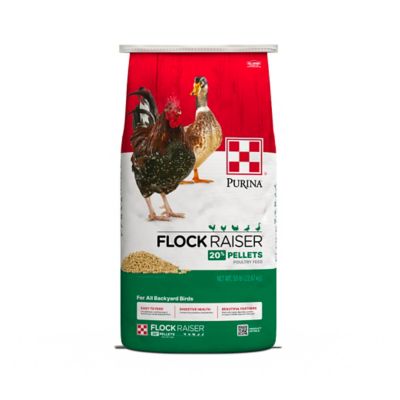
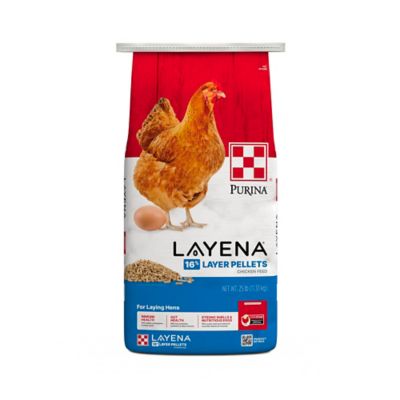
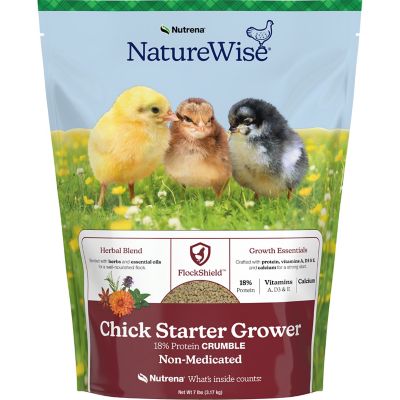
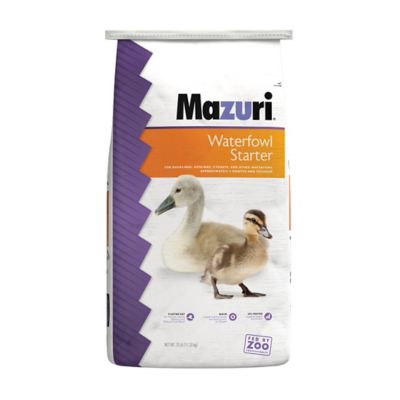
Quail feed plays a big part in keeping a small flock active, steady-growing, and productive. These compact birds have a fast metabolism and need more protein than many backyard chickens, so a properly balanced game bird or poultry ration is usually the best foundation. Look for feed labeled for the right age and purpose, and check the guaranteed analysis on the bag rather than choosing by appearance alone. Young chicks from hatch through roughly six weeks generally need a starter ration with about 28% to 30% protein to support feathering, bone development, and early growth. Starter crumbles should be fine enough for tiny beaks; if the pieces seem too large, gently mash them before serving. Growing quail raised for meat or continued development often do well on a grower or maintenance ration in the neighborhood of 19% to 24% protein, depending on the bird’s age, breed, and goals. Adult laying hens commonly need a layer or breeder feed with approximately 20% to 26% protein, along with dependable access to calcium for strong shells. Keep an eye on the flock as conditions change during the warmer and cooler parts of the year. Birds may eat differently when temperatures shift, when daylight changes, or when they are producing heavily, and a sudden drop in appetite, loose droppings, poor feather condition, or thin-shelled eggs can signal that the ration, water supply, housing, or overall flock care needs attention. Clean, fresh water should be available at all times, and feeders should be positioned where bedding, rain, and droppings cannot easily contaminate the food. Quail are small, quick, and wonderfully curious, but their size also means a tipped feeder or damp feed can become a problem in a hurry. Store unopened feed in a cool, dry place, then transfer opened bags to a clean, tightly covered container that helps keep out moisture, rodents, and insects. A scoop reserved for feed makes it easier to keep the storage area tidy, while regular checks for clumping, mold, stale odors, or pest activity help protect the flock.
Feeding needs depend on more than age alone. A mixed pen may include hens, males, young birds, and quail being raised for different purposes, so one ration may not suit every bird. Layer feed is formulated with additional calcium for egg-producing hens, but it should not be the only feed offered to young birds or males in a mixed flock because too much calcium can place unnecessary strain on the kidneys. When laying hens need extra calcium, crushed oyster shell or another suitable calcium source can be offered in a separate dish so birds can choose what they need; keeping it separate also helps prevent young quail and males from consuming more than necessary. Always provide fine poultry grit or clean, appropriately sized sand when quail receive anything besides a complete commercial crumble. Grit is not a nutrient, but it helps birds grind supplemental foods in the gizzard. Small treats such as finely chopped leafy greens, suitable vegetables, sprouted seeds, dried insects, or live mealworms can add variety and enrichment, but extras should remain a small part of the diet so they do not dilute the protein, vitamins, and minerals in a complete feed. Avoid whole, hard grains that are too large for the birds to handle, as well as salty, greasy, sugary, or heavily processed kitchen scraps. Never offer avocado, chocolate, citrus, raw potato, tomato leaves or stems, or other parts of nightshade plants that may be harmful. Remove uneaten treats before they spoil, especially when the weather is warm, and introduce any new food in small amounts while watching how the flock responds. Quail keepers often find that the simplest routine works best: fill a clean feeder, refresh water, check the ground for spilled feed, and take a few moments to watch the birds eat. That daily glance can reveal a bird being pushed away, a feeder that is too deep, or a change in behavior before a small issue becomes a larger one.
Quail feed can be a practical addition to a new keeper’s setup or a thoughtful gift for someone raising quail for fresh eggs, meat, breeding, education, or simple backyard enjoyment. It pairs naturally with the rest of a well-planned care routine, including secure housing, dependable ventilation, suitable bedding, and a safe place for chicks to stay warm. Anyone preparing for a new hatch or bringing home young birds may also want to review
Quail Brooders while gathering supplies, since feed, warmth, water, and clean surroundings all work together during the early weeks. As the weather warms, protect feed from humidity and keep waterers shaded when possible; during cooler conditions, watch that water does not become chilled or dirty and make sure birds can reach feed without crowding. Feed consumption may vary with flock size, bird age, breed, activity, and whether hens are laying, so buying an amount that can be used while it remains fresh is often wiser than storing a large surplus. Keep feed off the ground and away from damp corners, and clean feeders regularly without leaving soap residue behind. For a flock with unusual needs, repeated health concerns, or a noticeable change in egg production, an avian veterinarian or local extension professional can help evaluate the ration and management routine. Whether the quail live in a small backyard enclosure, a dedicated farm pen, or a hobby setup tucked beside the garden, dependable nutrition starts with the right protein level, clean water, sensible portions, and feed matched to the birds in front of you.