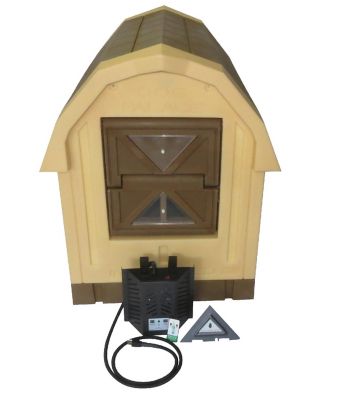
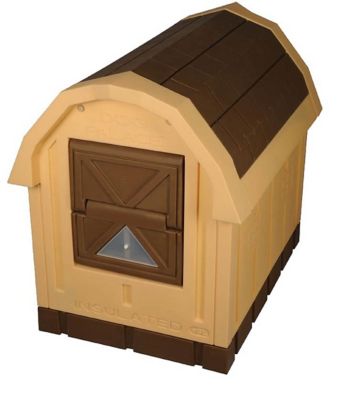
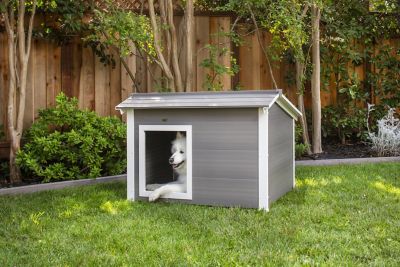
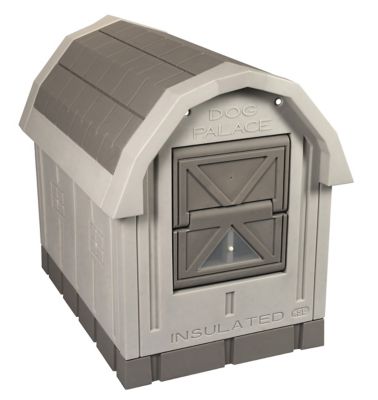
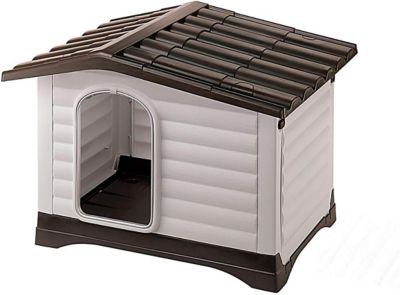
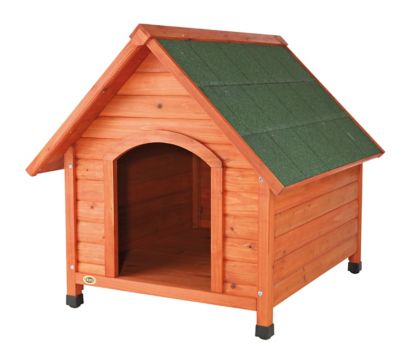
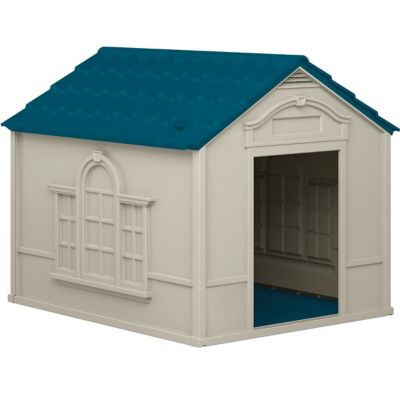
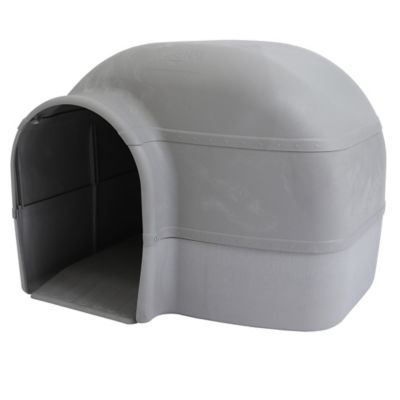
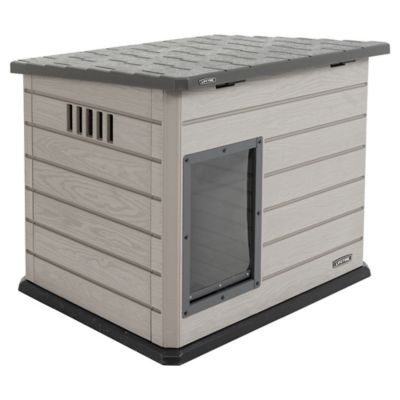
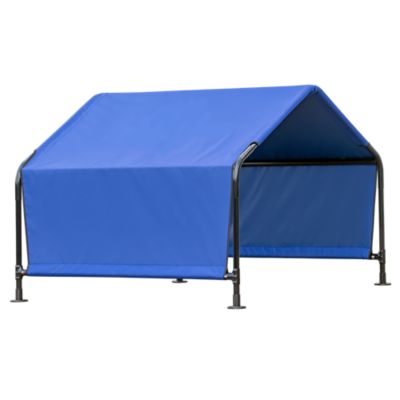
Outdoor heated dog houses give dogs a warmer, more protected place to rest when they spend time outside during cooler weather. They can be a practical choice for farm dogs, working dogs, hunting companions, and pets that enjoy the yard but still need a comfortable retreat from chilly wind, damp ground, and changing temperatures. A well-designed shelter does more than add a heating element. The best fit combines a weather-resistant exterior with insulation, a raised floor, a roof that helps shed rain, and an entryway that cuts down on drafts. Some dogs use a shelter as their regular outdoor resting spot, while others may only step inside when the air turns cold or a light rain starts. For more outdoor animal care ideas and shelter options, visit
Outdoor Animal Shelter. These shelters may also make a thoughtful gift for a dog owner with a large yard, acreage, kennel area, or covered run, especially when paired with other practical items such as a sturdy outdoor mat, food and water bowls, or a durable leash. Before choosing one, consider where it will sit, how often the dog uses the yard, and whether the shelter will serve a small companion, a broad-chested working breed, or more than one dog. Measure the dog from nose to tail and from the ground to the top of the head, then compare those measurements with the shelter’s interior dimensions. A house that is too small can feel cramped, while one that is much too large may be harder for a dog to warm with its own body heat. The doorway should be roomy enough for easy entry and exit without leaving excessive open space around the dog.
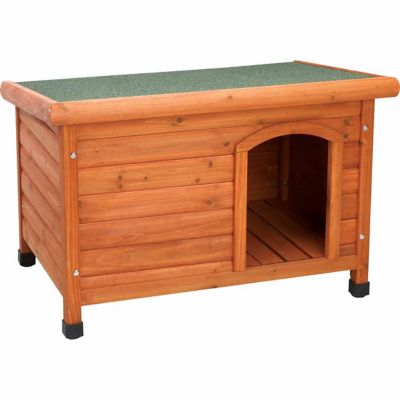
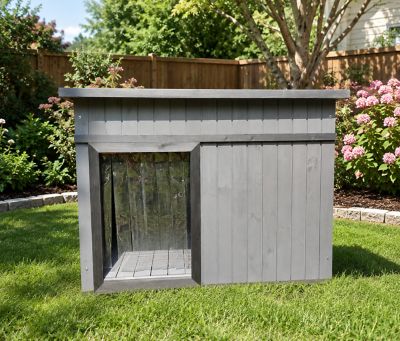
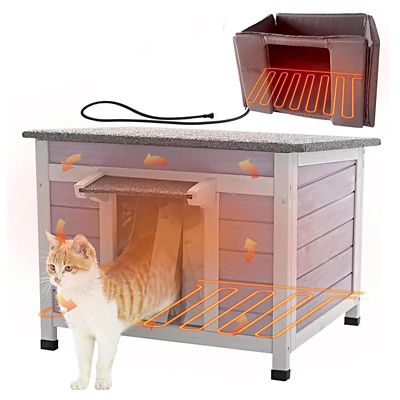
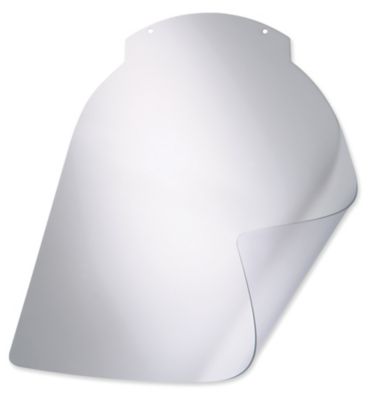
Insulation is one of the most important features to compare when shopping for an outdoor heated dog house. Look for designs with insulated walls, floors, and roofs rather than a thin shell with heat added inside. Six-sided insulation, sometimes described as thermal lining or full-coverage insulation, helps hold warmth in the sleeping area and keeps cold surfaces from pulling heat away. A raised floor is useful on gravel, soil, concrete, or grass because it creates a small buffer from cold, wet ground and helps air circulate beneath the shelter. Feet or a built-in platform should be stable enough to keep the house level, even when a dog moves in and out or leans against the sides. Sloped or overhanging roofs can help direct rain and melting snow away from the entrance, while weather-resistant wood, coated metal, and sturdy plastic exteriors can make cleanup easier and extend outdoor use. Draft control matters, too. An offset doorway, flexible flap, or wind-blocking entrance can help keep gusts from blowing straight into the sleeping area, although the opening should never be covered so tightly that ventilation is limited. Good airflow helps reduce trapped moisture, odors, and condensation. Check whether the roof, liner, cushion, or floor panel can be removed for cleaning, since muddy paws and wet coats can quickly turn a cozy shelter into a damp one. Size, access, and placement all work together. Set the house on a firm, well-drained surface near the areas where the dog already spends time, and position the doorway away from the strongest prevailing winds when possible. A covered porch, barn wall, garage side, or fenced corner may provide another layer of protection, but the shelter should still have enough clearance for inspection and cleaning.
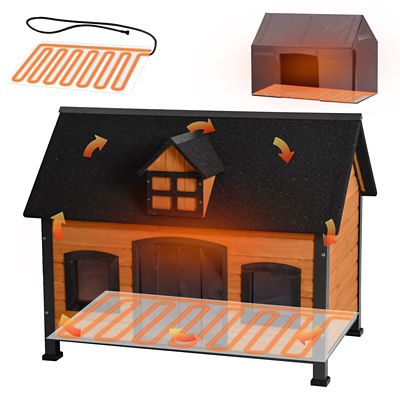
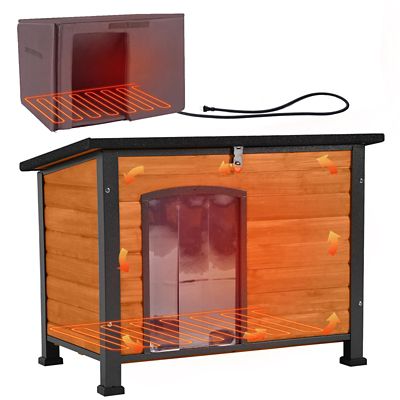
When comparing heated dog houses, pay close attention to the heating system and the way power is managed. Thermostat-controlled heating pads and similar low-profile warming elements can provide supplemental warmth without running constantly, helping maintain a more even temperature inside the resting area. Look for heating components that are identified as tested for safe use, along with cords designed to resist chewing, such as metal-wrapped or chew-resistant cord covers. Keep all electrical connections dry, follow the manufacturer’s placement instructions, and use an outdoor-rated outlet and properly protected extension setup when one is permitted. A heating pad should not be folded, pinched, covered with loose bedding, or placed where a dog can damage it. Check the shelter and cord regularly for fraying, cracked insulation, moisture, or chew marks, and remove damaged equipment from service. Heated housing is supplemental warmth, not a substitute for bringing a dog indoors during dangerous cold, severe storms, flooding, or other unsafe conditions. Older dogs, short-coated breeds, puppies, and pets with health concerns may need extra attention, and every dog should have access to fresh, unfrozen water and a dry place to rest. Introduce the shelter gradually by placing familiar bedding or a favorite toy inside, leaving the entrance open, and allowing the dog to explore at its own pace. Some dogs settle in right away; others need a few quiet days before treating the house like their own little bunkhouse. As the weather warms, clean and inspect the shelter before storing or switching off the heating equipment, and continue checking for loose panels, insects, moisture, or worn flooring. With the right size, insulation, weather protection, and carefully managed heat, an outdoor heated dog house can help create a dependable retreat for dogs that spend part of their day outside during the cooler months.