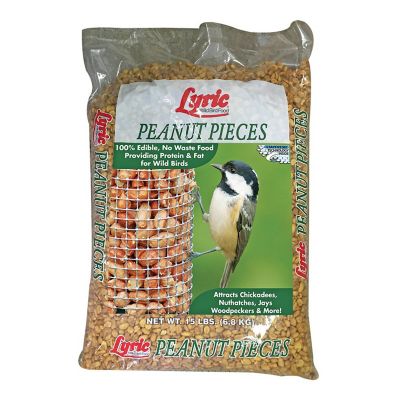
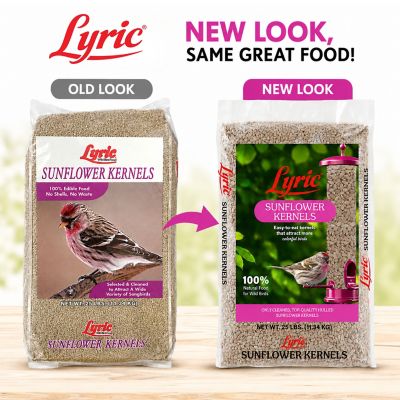
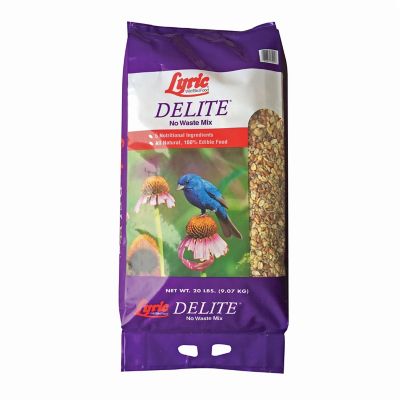
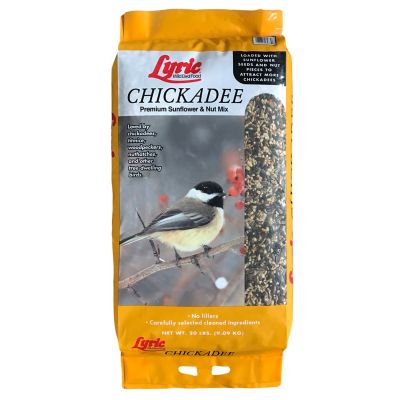
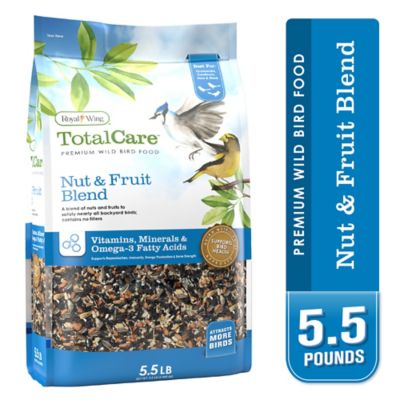
When the cold winds of January sweep across the fields and woodlots, chickadees become a bright spot of life and activity around the homestead. These little songbirds are hardy, clever, and always on the lookout for a good meal, making them some of the most welcome visitors to backyard feeders all winter long. Folks who want to keep chickadees coming back know that the right chickadee bird food makes all the difference—especially when natural sources like insects and berries are in short supply. The best chickadee bird seed blends focus on high-energy ingredients like black oil sunflower seeds, shelled peanuts, and suet, which help these tiny birds keep their engines running through the coldest mornings. You might also see them nibbling on mealworms, peanut butter, or even a few bits of cracked corn, but they’ll always go for the richest, most nutritious options first. Setting out a variety of bird essentials not only supports the chickadees, but also brings a cheerful flurry of activity to your yard when things can feel a little quiet and gray.
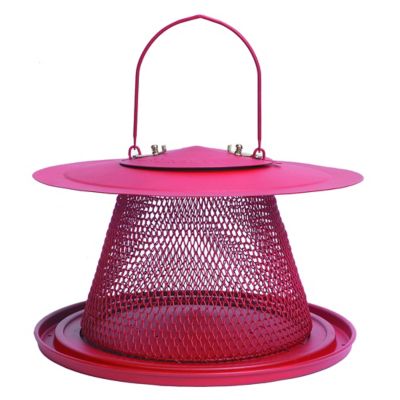
For anyone living in the country or just outside of town, feeding chickadees is more than a hobby—it’s a way to stay connected to the land and the changing seasons. Many folks remember their grandparents keeping a feeder stocked all winter, watching chickadees dart in and out, sometimes even taking seeds from a friendly hand. Chickadee bird food isn’t just for the birds; it’s a thoughtful gift for anyone who enjoys wildlife watching, from retirees with a kitchen window view to kids learning about nature for the first time. It’s also a practical choice for folks managing larger properties or small homesteads, where attracting chickadees can help keep insect populations in check come spring and summer. Whether you’re filling a classic hopper feeder, a suet cage, or just sprinkling seed on a snowy stump, you’ll be rewarded with the sight of these lively birds flitting and chattering, stashing seeds for later or sharing a meal with their flock. And if you’re interested in providing for other feathered friends, you might also want to check out our selection of
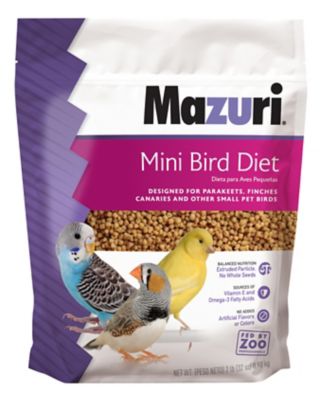
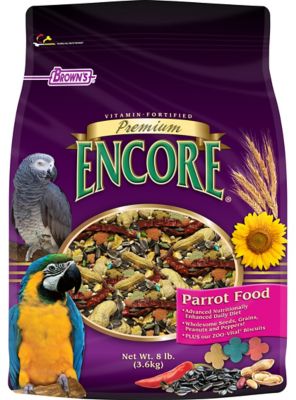
Parakeet Food for indoor companions.
Choosing the right chickadee bird food is about more than just filling a feeder—it’s about understanding what these birds need to thrive, especially during the lean winter months. High-fat, high-protein options like sunflower seeds and suet are favorites because they provide the quick energy chickadees need to stay warm. Adding a few mealworms or chopped nuts can mimic the variety they’d find in the wild, especially as the days start to lengthen and they begin thinking about nesting. When you stock up on bird essentials for chickadees, you’re not just helping the birds—you’re inviting a little more life and color into your everyday routine. There’s nothing quite like watching a flock of chickadees swoop in on a frosty morning, their black caps and white cheeks bright against the snow, reminding you that even in the heart of winter, nature’s still going strong.