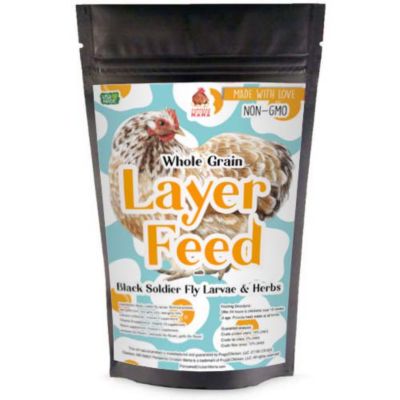
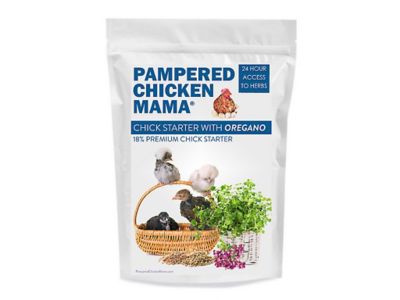
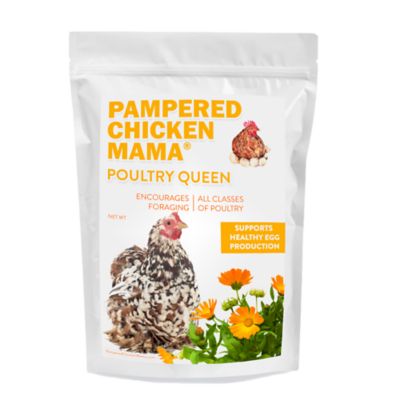
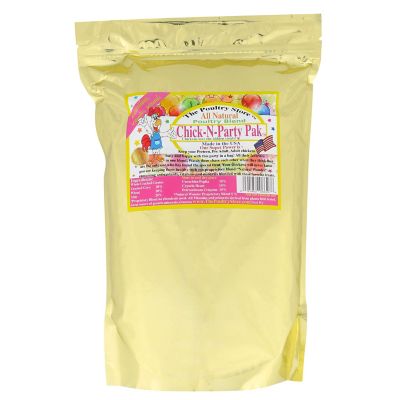
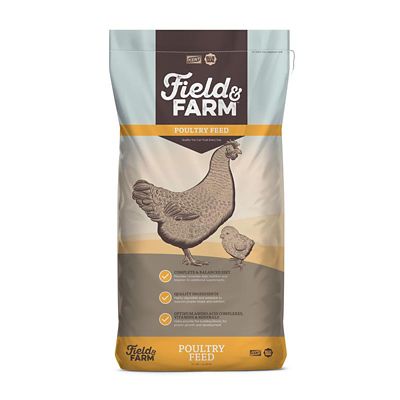
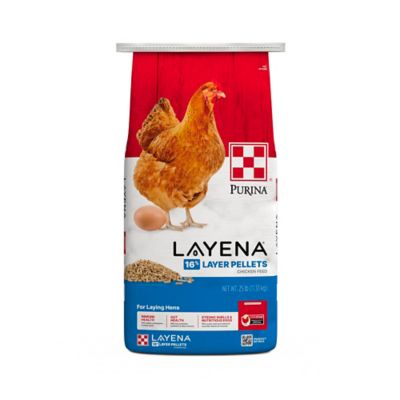
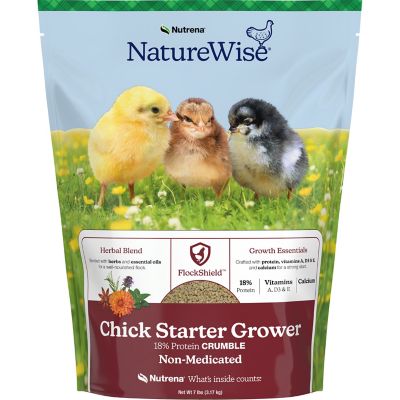
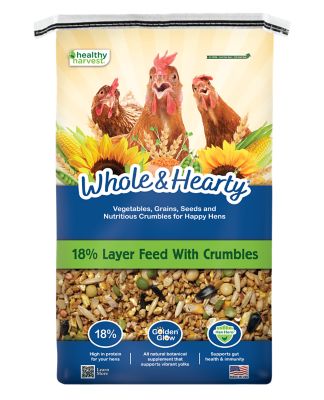
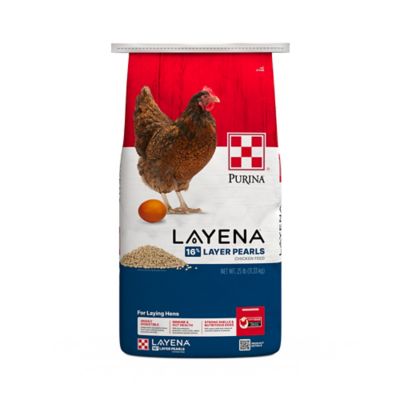
Corn chicken feed supplies concentrated energy from the starch in each kernel, making it a familiar ingredient in poultry rations and a supplemental feed for adult backyard flocks. Its role depends on what is in the bag: plain whole or cracked corn is not the same as a complete chicken feed that contains corn along with protein sources, vitamins, and minerals. Corn alone does not provide the balance of protein, essential amino acids, calcium, and other nutrients chickens need for steady growth, normal body condition, and egg production. A complete ration suited to the birds’ age and purpose should remain the foundation of their diet. For adult chickens, plain corn and other treats generally belong within a small allowance of no more than about 10% of the daily diet, leaving at least 90% for complete feed, unless the feed label or a poultry professional recommends otherwise. That distinction matters in a laying flock, where a hen filling up on grain may eat less of the ration that supplies nutrients for eggshells and overall health. Extra corn does not automatically mean more eggs, and a bird that eagerly cleans up every kernel is not necessarily getting balanced nutrition. Complete rations and corn supplements fill different roles within
Chicken Food, so the ingredient list, guaranteed analysis, and feeding directions tell more than the presence of corn alone. For someone keeping a few hens behind the house or tending a larger farm flock, corn can have a place in a feeding routine without becoming the whole menu. The best fit comes from matching the feed’s intended purpose to the birds rather than choosing by grain color or kernel size alone. Yellow corn also contains pigments that can contribute to yolk color, but a deeper-colored yolk is not proof that a hen’s diet meets all her nutritional needs. A balanced ration still does the heavy lifting, whether the flock includes steady layers, adult roosters, or birds kept mainly for companionship.
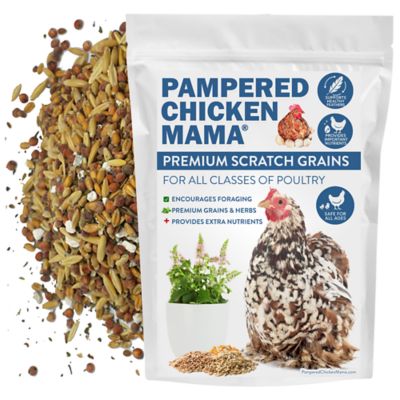
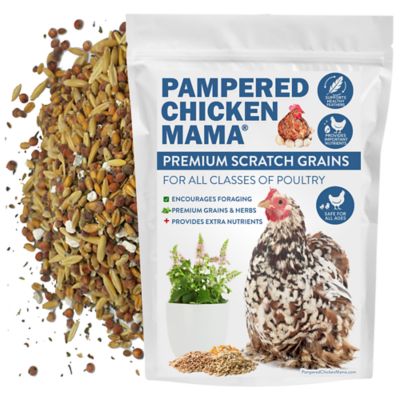
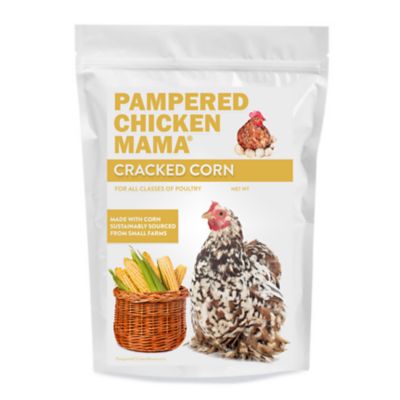
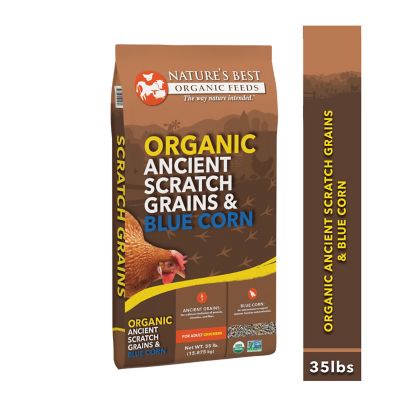
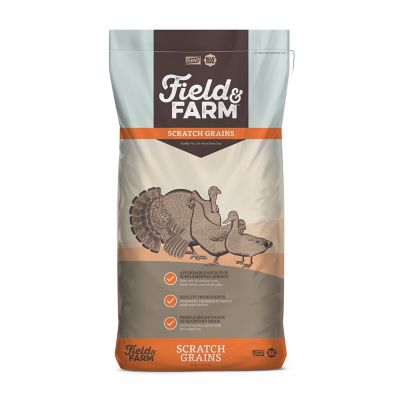
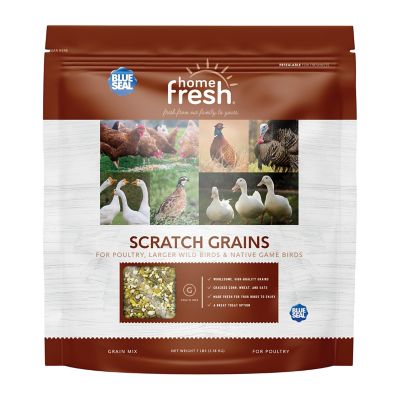
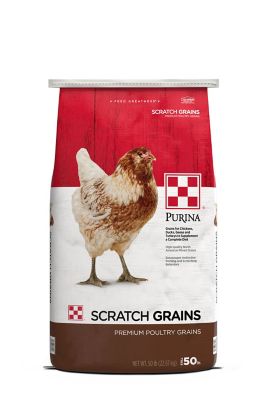
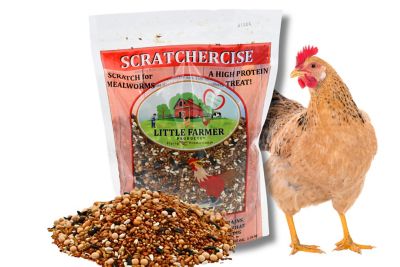
Whole corn, cracked corn, and ground corn differ in texture and feeding application, even though each begins with the same grain. Whole corn keeps the kernel intact and may suit adult chickens that can comfortably handle it. Cracked corn breaks the kernel into smaller pieces, offering a different texture for mature birds and making it a common component of scratch grain mixtures. Ground corn has a finer consistency and commonly serves as an ingredient in formulated rations; on its own, it still lacks the balance of a complete feed. Smaller particles do not turn plain corn into chick starter, and young chicks need a complete starter ration formulated for their growth stage. Likewise, meat birds, growing pullets, and laying hens have different nutritional demands, so a corn-based complete feed needs to match the flock it is meant to nourish. The label should make that intended use clear. Scratch mixtures containing corn also remain supplements unless the label specifically identifies the feed as complete for the intended birds. A mix of several grains can look varied in the feeder while still falling short on protein, minerals, or vitamins. Texture matters at feeding time, too: finely ground material can create more dust and sorting, while larger pieces call for birds that can manage them. Chickens eating whole or cracked grain need access to appropriately sized insoluble poultry grit, which helps the gizzard grind feed. Oyster shell serves a different purpose by supplying calcium and does not replace that grinding grit. For a mixed-age flock sharing a run, the needs of the youngest birds deserve particular attention, since a supplement suited to adult hens may not suit chicks. Keeping complete feed as the main meal and supplemental grain as a measured extra helps prevent the eager birds at the front of the flock from filling up on corn before the rest reach the feeder. A small serving spread across a clean feeding area can encourage natural scratching without turning the run into a carpet of leftover grain.
Freshness, storage, and feeding setup matter just as much as grain form when comparing corn chicken feed. Sound grain should be free of visible mold, unusual clumps, excessive debris, and musty or sour odors. Moldy feed can contain harmful toxins, and simply drying it out or mixing it with fresh grain does not make it safe. Because harmful contamination is not always visible, buying from a trusted source and keeping feed properly stored are important parts of flock care. A clean, dry container with a snug-fitting lid helps protect corn from moisture, insects, and rodents. Food-safe storage containers should sit away from damp floors and places where water can drip or collect. Keeping the original bag information, including feeding directions and lot details, makes it easier to track what the flock is eating and address a concern if one comes up. Bag size should make sense for the number of birds and the amount of supplemental grain they actually eat; a small backyard flock can take a long time to finish a large bag when corn stays within its proper share of the diet. Older feed should move through the routine before a newly opened bag, and containers need to be emptied and cleaned rather than continually topped off over stale grain. Around the coop, spilled corn can attract mice and wild birds, while damp leftovers can spoil beneath a feeder or along the edge of a run. Feeders that limit scratching and spillage help keep portions where the chickens can reach them without leaving piles behind. Fresh drinking water belongs alongside every feeding routine, and birds should have room to eat without constant crowding. Whether corn is part of a complete ration or an occasional supplement, clear labeling, sensible portions, and careful storage help keep its role straightforward: energy for the flock, supported by the balanced nutrition each bird needs.