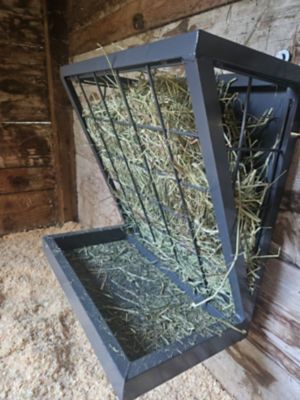
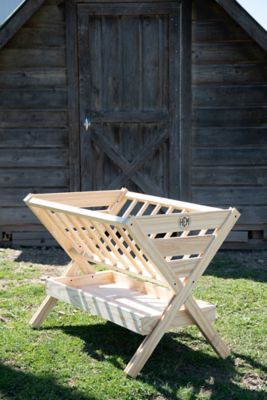
Sheep feeds work best as part of a feeding plan built around forage, clean water, and the needs of the flock. For most sheep, pasture grasses, browse, and stored hay should make up the largest share of the daily diet. Grass hay can support mature sheep during maintenance, while legume hay, such as alfalfa, may provide added protein and energy for ewes carrying lambs, nursing mothers, and growing animals. When pasture growth slows during the cooler months, a steady supply of dry hay helps keep sheep eating and gives them something to work through when fields are dormant. Look for hay that is leafy, fresh-smelling, free of mold, and suited to the animal’s age and stage of production. Dusty or spoiled forage can reduce intake and create health concerns, so store bales off damp ground and protect them from rain while allowing good airflow. Feed bunks, racks, or troughs can help keep hay clean and reduce waste, especially when sheep are housed in a pen or small lot. Fresh water should be available every day, with containers checked often for mud, algae, ice, bedding, or spilled feed. A flock’s water use can rise during warm spells, after eating dry hay, or while ewes are nursing, so clean water is one of the simplest ways to support steady intake.
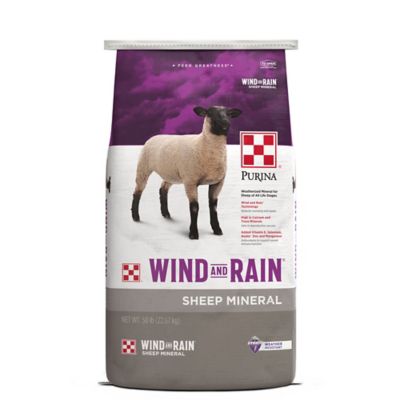
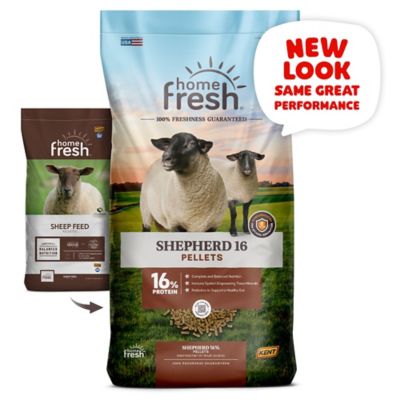
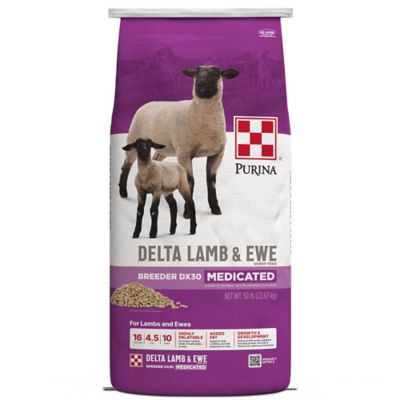
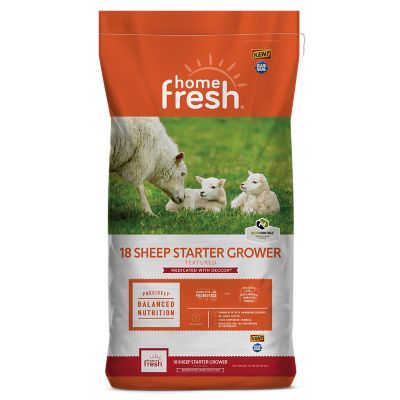
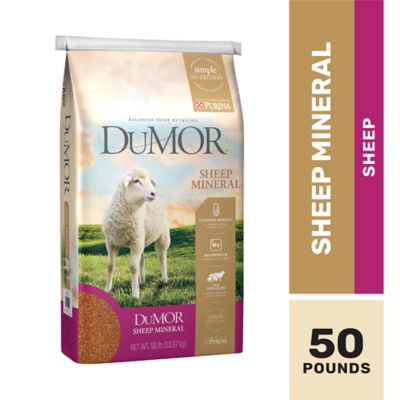
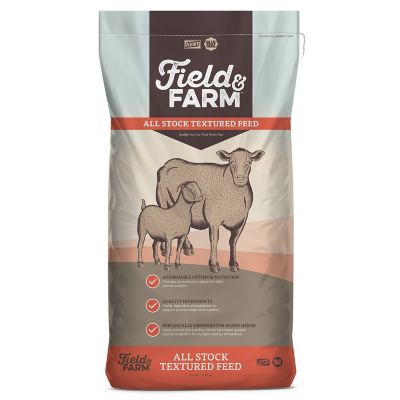
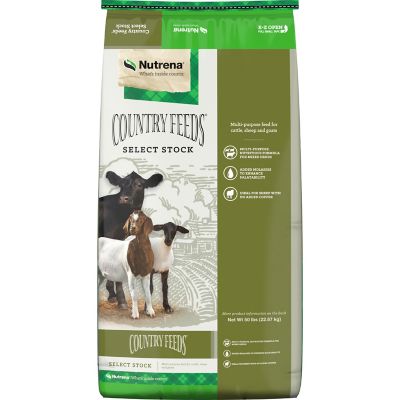
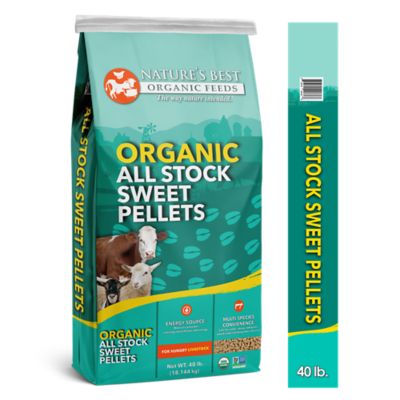
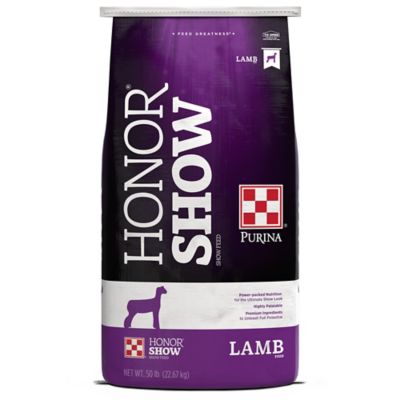
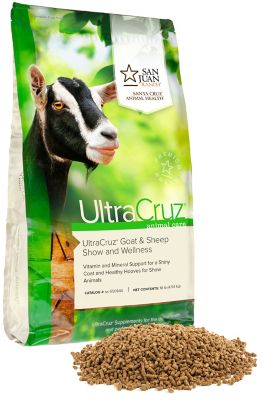
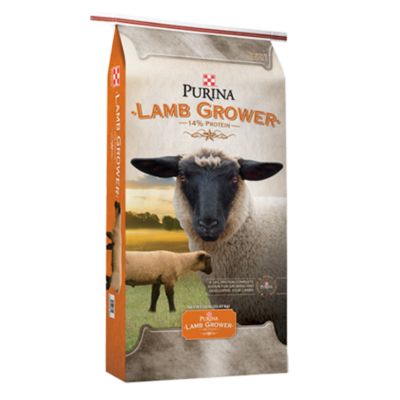
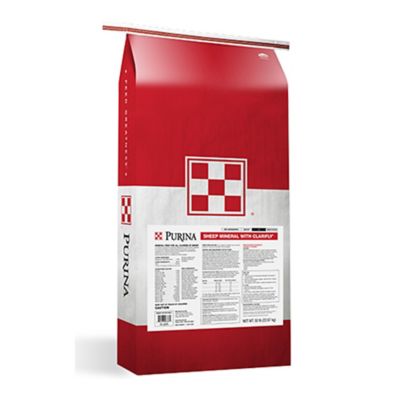
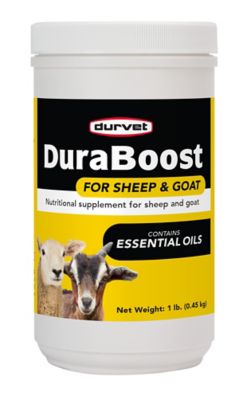
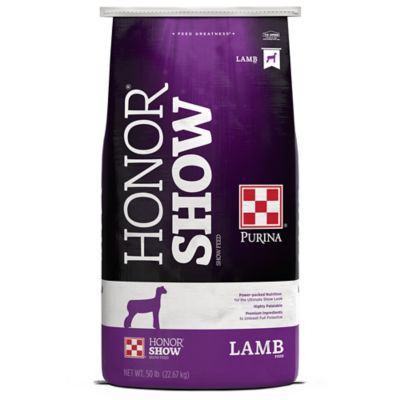
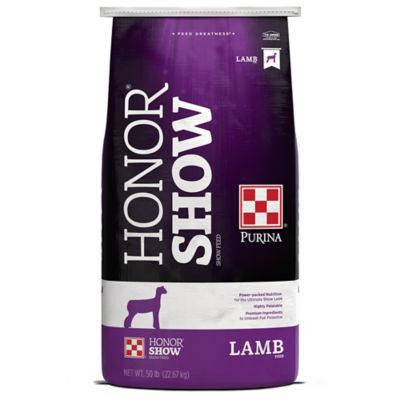
Commercial sheep feeds, grains, and pelleted rations can fill nutritional gaps when pasture or hay alone does not meet the flock’s needs. Lambs in a growing stage, replacement animals, pregnant ewes, nursing ewes, breeding rams, and sheep being prepared for a show or market may each require a different balance of protein, energy, fiber, vitamins, and minerals. Read the feed tag before buying and match the formula to the animal’s life stage and purpose. Introduce any new feed slowly over several days, beginning with a small amount and increasing it as the sheep adjust. Sudden changes, large grain meals, or unrestricted access to rich feed can upset the rumen and may lead to serious health problems. Measured portions and a regular feeding schedule make it easier to watch appetite, body condition, manure, and overall behavior. Males and wethers also need special attention to urinary health; a sheep ration that includes ammonium chloride may help reduce the risk of urinary calculi when followed as directed, alongside plenty of fresh water and a properly balanced diet. Sheep are highly sensitive to copper, and too much can be dangerous or fatal. Choose feed and mineral products made specifically for sheep, and never substitute cattle, goat, poultry, or other livestock rations unless the label clearly confirms they are suitable for sheep. Offer sheep-specific loose minerals or salt according to the label and keep them dry and available, since mineral needs can vary with forage, soil, age, pregnancy, lactation, and local conditions. For younger animals needing a separate feeding plan, browse the selection of
Lamb Feeds.
Choosing sheep feed starts with knowing who will eat it and what the flock is doing through the season. A small homestead flock kept for pets may need a simpler plan centered on pasture or hay, while a breeding operation may keep several feeds on hand for lambs, dry ewes, late-pregnancy ewes, and rams. Sheep raised for wool, meat, or the show ring can have different energy and protein demands, so the right choice depends on body condition and the goals for each animal rather than the bag alone. During early fall, sheep may still make good use of pasture, but changing forage and cooler nights can gradually lower available nutrition. As winter settles in, stored hay often becomes the foundation of the ration, with supplemental feed added when animals are growing, maintaining body condition, carrying lambs, or producing milk. Keep feed in a dry, secure area where rodents and moisture cannot reach it, and use clean scoops and containers to prevent contamination. When several age groups share a pasture, watch that larger or more assertive sheep do not crowd younger animals away from feed and water. A quick look at the flock each day can tell you plenty: bright eyes, steady movement, a healthy appetite, firm footing, and consistent body condition are encouraging signs, while a tucked-up appearance, poor appetite, coughing, scours, or unusual isolation calls for closer attention and guidance from a veterinarian or livestock nutrition professional. With suitable forage, sheep-specific feed, clean water, proper minerals, and gradual changes, these products can help support a steady routine from pasture season through the colder months.