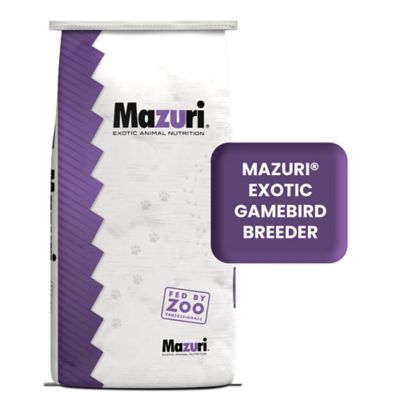
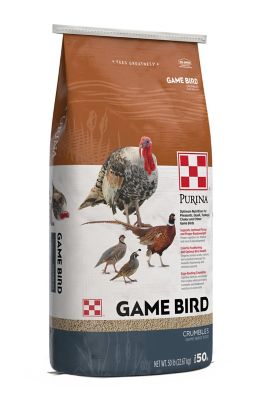
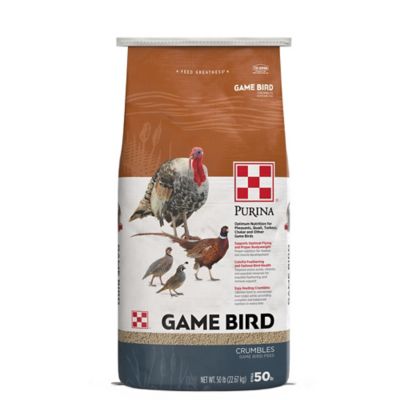
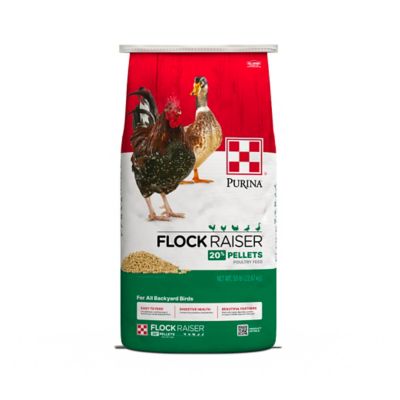
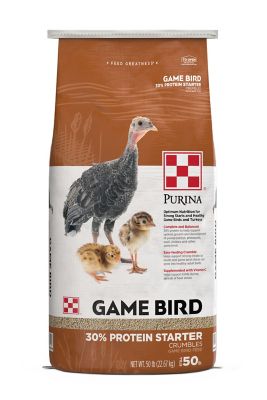
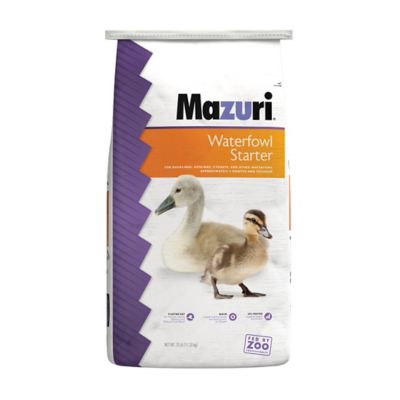
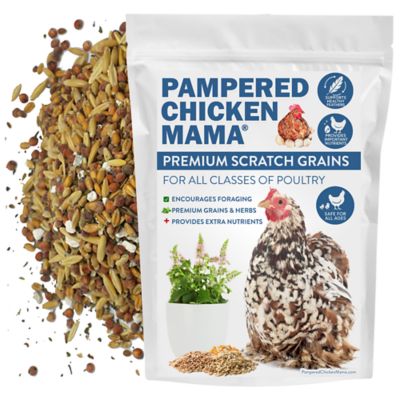
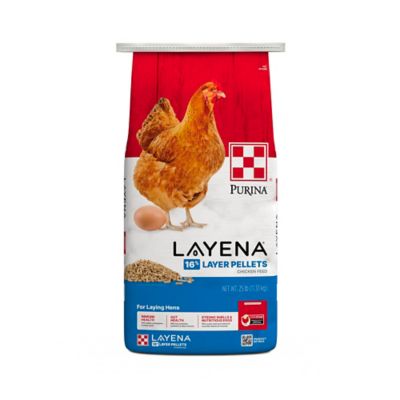
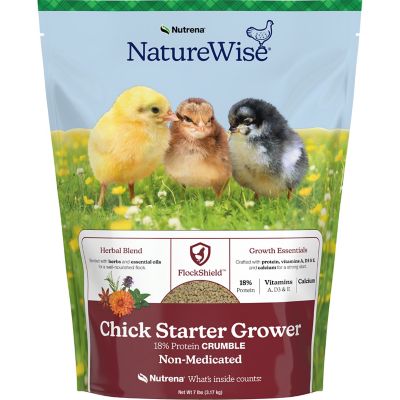
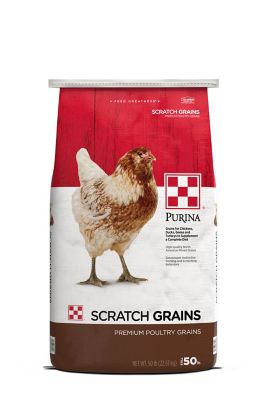
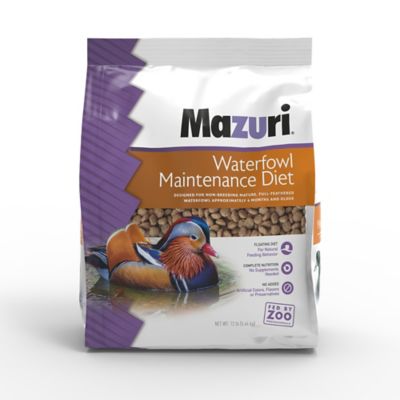
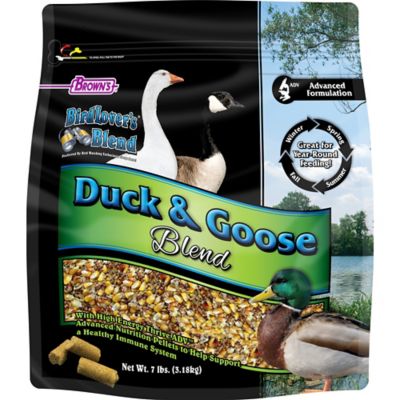
Raising healthy, vibrant pheasants takes more than just a sturdy coop and a patch of open land—it all starts with the right feed. Folks who keep pheasants, whether for hunting preserves, breeding, or just to enjoy their colorful beauty around the homestead, know that these birds have unique dietary needs that shift as they grow. Pheasant chicks, for example, need a high-protein starter crumble—something in the ballpark of 28–30% protein—to support their rapid growth and feathering out during those first few weeks. As they get older and start to fill out, growers can step them down to a 20% protein blend that keeps them strong without overdoing it. Adult pheasants, on the other hand, do best with a maintenance ration that sits somewhere between 14–18% protein, or a breeder formula with a little extra calcium if you’ve got hens laying eggs. Texture matters, too—crumbles or small extruded particles are easier for young birds to eat and help cut down on waste, while mature birds can handle a wider range of feed forms. No matter the age, fresh water is a must, and it’s a good idea to keep some grit or oyster shell handy, especially if you’re raising layers.
Pheasant feed isn’t just for folks running big operations, either. Hobbyists, backyard bird keepers, and even those who enjoy watching wild birds thrive on their land can all find a use for quality game bird blends. These feeds make a thoughtful gift for anyone with a passion for upland birds, whether they’re raising a few hens for eggs, managing a small game preserve, or introducing kids to the joys of caring for livestock. As the seasons shift from late summer’s heat to the cool, crisp days of fall, it’s especially important to keep your flock’s nutrition dialed in—birds need a little extra fuel to grow in new feathers and prepare for the colder months ahead. Some folks like to offer treats like mealworms, cracked corn, or safe garden scraps in moderation, both as a supplement and as a way to keep their birds active and engaged. Just remember to balance treats with their main ration to keep nutrition on point. And for those who spend time out in the fields each autumn, whether managing birds or enjoying a day of hunting, it’s worth checking out the right gear for the job—like a sturdy pair of
Pheasant Hunting Boots that’ll keep your feet dry and comfortable through long days outdoors.
No matter how you’re involved with pheasants, choosing the right feed is key to raising strong, healthy birds that thrive all season long. Paying attention to protein levels, feed texture, and the little extras like grit and calcium can make all the difference, whether you’re nurturing young chicks or supporting adult hens through their laying cycle. Keeping your birds well-fed and cared for not only helps them look their best, but also brings a sense of satisfaction and pride that comes from watching a flock flourish under your care. With the right supplies and a bit of know-how, anyone can enjoy the rewards of raising pheasants, from the bright flash of feathers in the morning sun to the steady rhythm of life on the land.