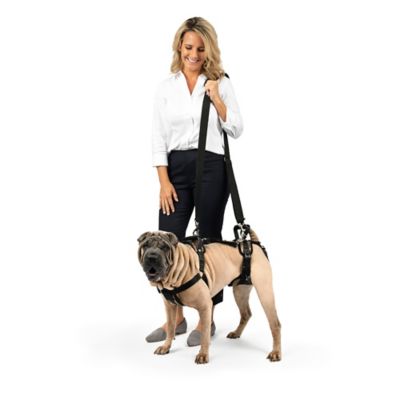
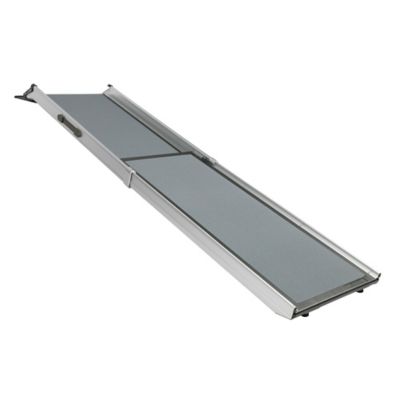
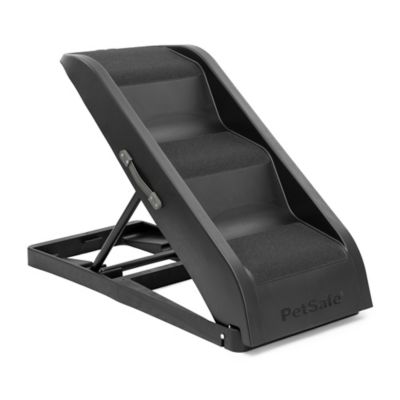
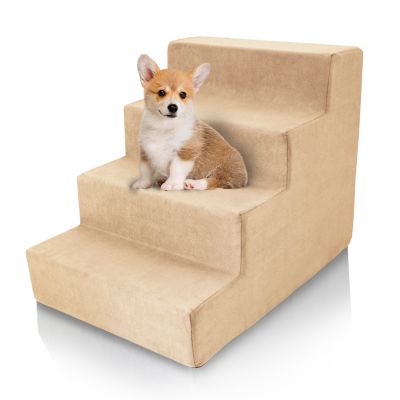
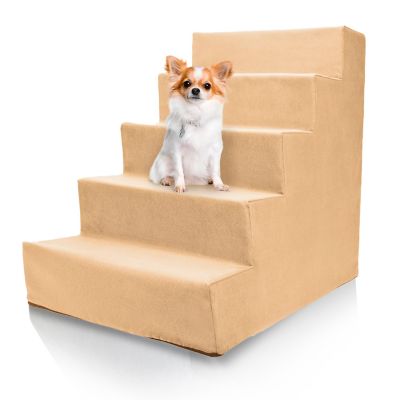
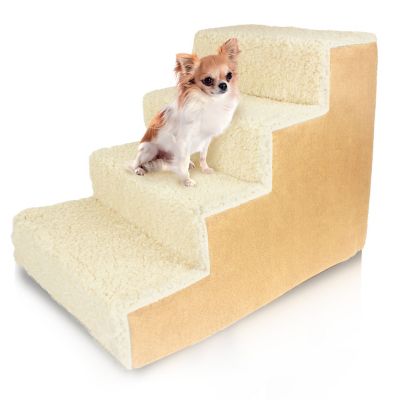
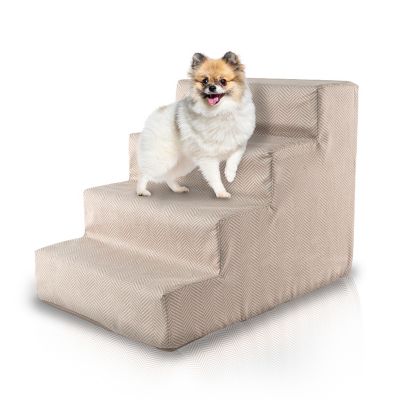
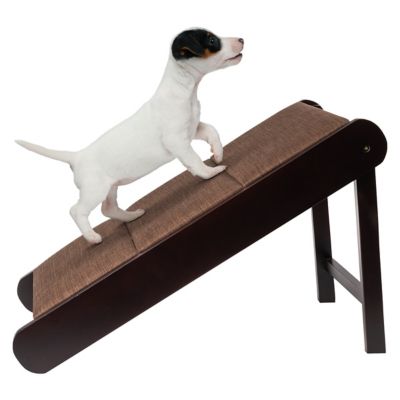
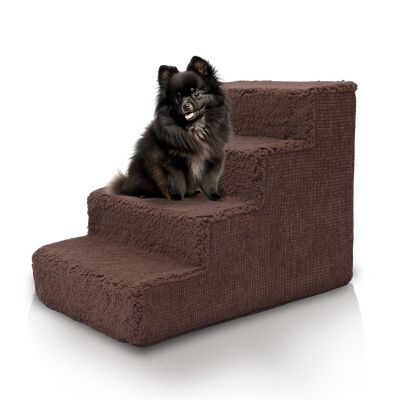
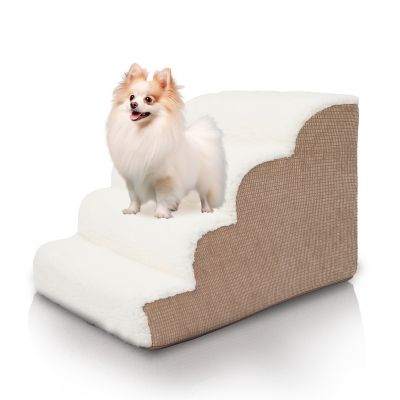
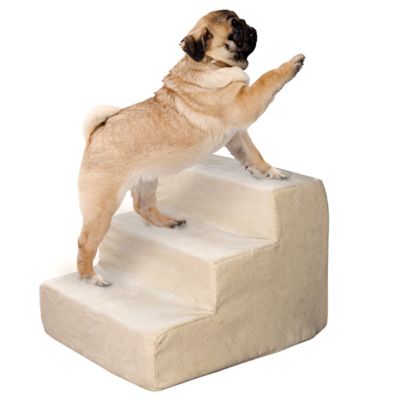
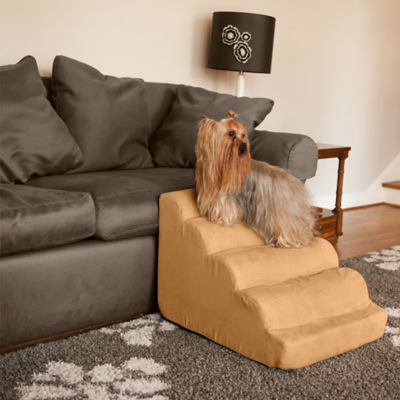
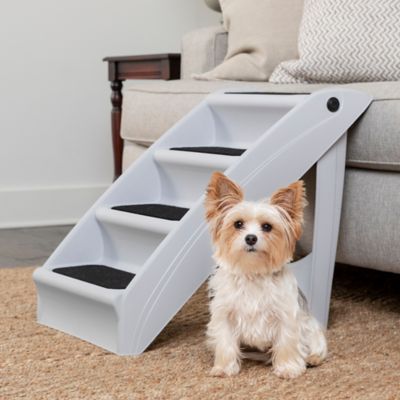
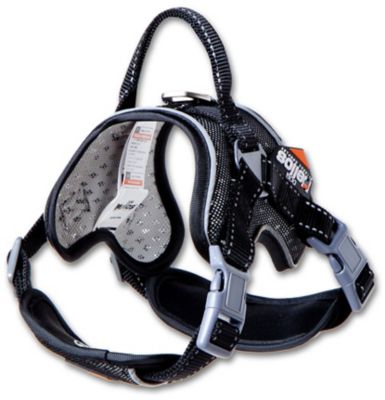
Mobility aids for dogs provide support, stability, or traction when walking, standing, or getting around takes more effort than it once did. This category includes dog wheelchairs, support harnesses, lifting slings, ramps, joint braces, and paw traction aids, along with halo-style devices for dogs with limited vision. Each serves a different purpose: a lifting harness helps a person assist a dog, a wheelchair supports part of the dog’s body during movement, and a ramp creates a sloped route between different heights. These tools can help older dogs with stiffness, pets recovering from certain injuries or surgeries, and dogs living with weakness, limb loss, or neurological conditions. The right match depends on where support is needed, how much strength the dog retains, and what the veterinarian recommends. A longtime farm companion that hesitates at the porch steps may need something different from a small house dog whose paws slide on the kitchen floor. Rear-support carts generally carry weight beneath the hindquarters while the front legs provide movement; four-wheel carts offer support at both ends. Neither style replaces rest, hands-on care, or a treatment plan, and suitability depends on the dog’s condition. Support harnesses and slings place assistance closer to the body, with handles that let a caregiver help during short walks, bathroom breaks, or transfers. Front, rear, and full-body designs address different needs, so the location of a handle matters as much as the overall size. Braces and splints serve a more targeted role by supporting a particular joint or limb. Because the wrong brace can create pressure or change the way a dog walks, veterinary guidance is especially important for this equipment. Traction aids address footing rather than body support, while vision halos provide a physical buffer that can contact an obstacle before the dog’s face does. Understanding those differences helps keep expectations grounded: dog mobility equipment is meant to assist a particular task, not make every movement possible or treat the underlying cause.
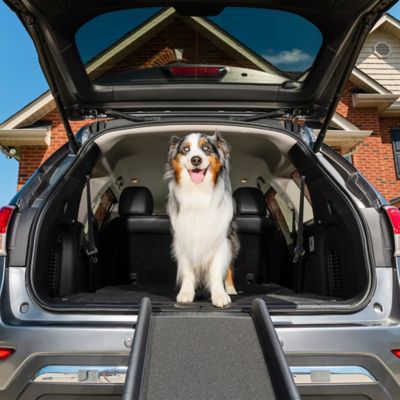
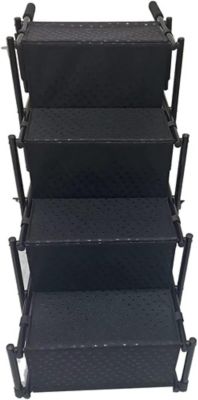
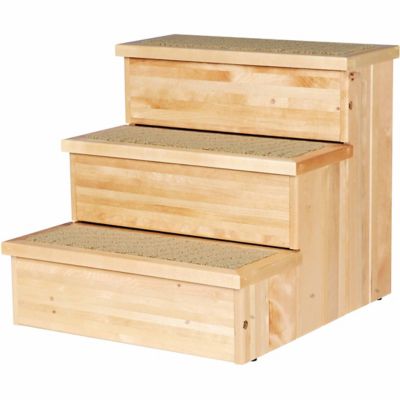
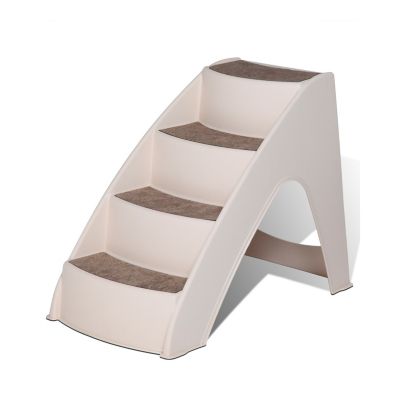
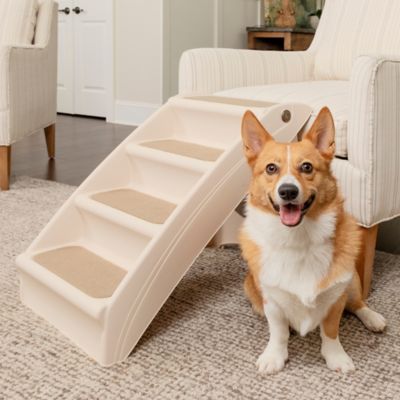
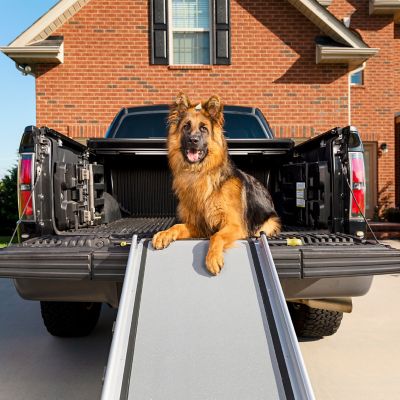
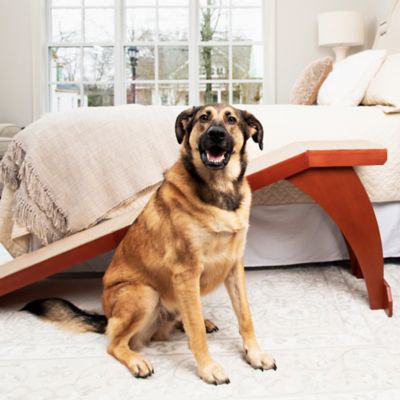
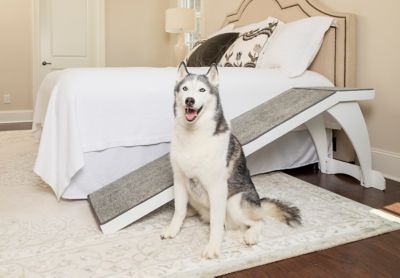
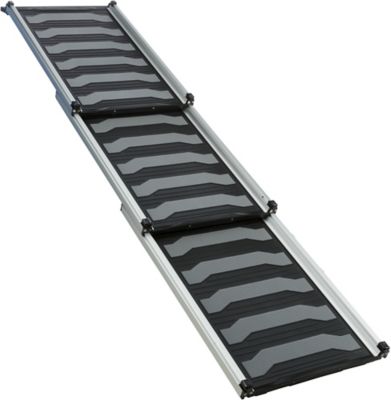
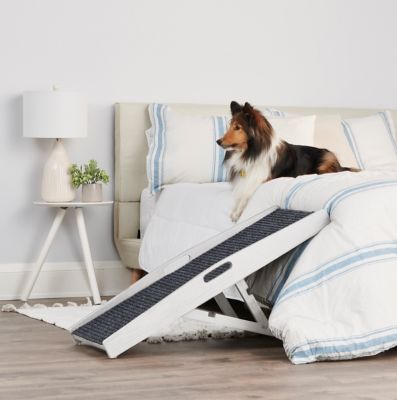
Fit and construction make a real difference in how comfortably a dog moves with assistance. Body weight is only one part of sizing; chest circumference, belly shape, leg length, and the distance between support points can all matter, depending on the equipment. A deep-chested hound and a stocky little terrier may weigh about the same yet need very different harness proportions. Adjustable straps allow a closer fit, but padding should sit where support belongs without crowding the throat, pinching behind the front legs, or interfering with bathroom breaks. Broad lifting panels can spread pressure over a larger area, while soft edges help limit rubbing against the skin. Washable woven fabrics, breathable mesh, and cushioning are common considerations for harnesses and slings, especially when a dog needs assistance several times a day. Handle height also affects the person doing the lifting. A caregiver helping a tall dog across the yard has different reach needs from someone supporting a short-legged companion beside the couch. The equipment’s weight rating and lifting instructions matter, and a support handle does not automatically mean the entire dog can be carried by it. For dog wheelchairs, frame weight, adjustment range, wheel size, and harness placement influence handling and fit. Lightweight metal frames can be easier to move between outings, while wheel design affects how a cart travels across packed paths, grass, or indoor flooring. Loose gravel, deep ruts, and tight turns can still present obstacles. Ramps bring another set of practical details into play, including length, width, footing, load rating, and how securely the ends rest against their supporting surfaces. A longer ramp generally creates a gentler slope at the same height, though it also needs more room. Raised edges and a grippy walking surface can offer reassurance, but they do not replace supervision. Folding joints, carrying handles, and overall ramp weight are worth considering when the route includes getting into a vehicle for veterinary visits. The best fit is a setup that works for both the dog’s body and the person lending a hand.
Everyday care and intended use are just as important as the initial fit. Equipment that sees repeated lifting, rolling, or contact with the ground needs sound stitching, secure fasteners, and parts that can be checked without a struggle. Harness fabric and removable pads may have different washing requirements from metal frames, wheel assemblies, or brace components, so care should follow the manufacturer’s directions. Dirt caught in a buckle, tangled hair around an axle, or grit beneath a padded strap can turn a helpful tool into an uncomfortable one. Clean contact surfaces and fully dried padding help reduce irritation, while regular checks for frayed webbing, cracked components, and loosened hardware help keep the equipment ready for its next outing. Paw traction products also need close attention to fit and skin condition. Socks or boots that twist, slip down, or hold moisture against the paw may cause more trouble than they solve, and they should not be treated as a substitute for clear walkways and secure floor coverings. At home, the route from the bed to the water bowl or back door is often where support matters most. A wide, uncluttered path gives a dog room to turn with a cart or walk beside a caregiver holding a sling. Short, supervised introductions can help a dog become familiar with new equipment without making the first attempt a long trip across the property. Rest breaks remain important, and wheelchairs are generally intended for supervised activity rather than sleeping or all-day wear. Redness, rubbing, swelling, dragging paws, or increased reluctance to move are reasons to stop and reassess the fit with a veterinarian. Sudden weakness, inability to stand, or signs of significant pain call for prompt veterinary attention rather than a new aid alone. For households supporting an aging companion,
Care for Senior Dogs offers related context alongside mobility needs. Whether the goal is a steadier bathroom break, an easier transfer, or a manageable stroll along a familiar path, thoughtfully matched support can help a dog stay involved in daily life while keeping comfort and safety at the center.