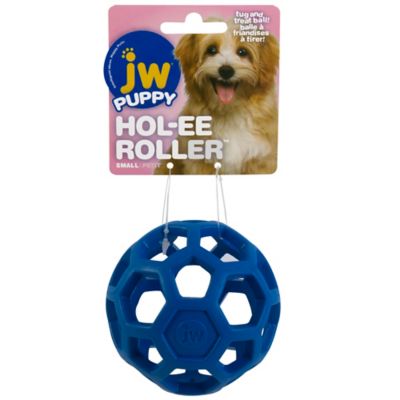
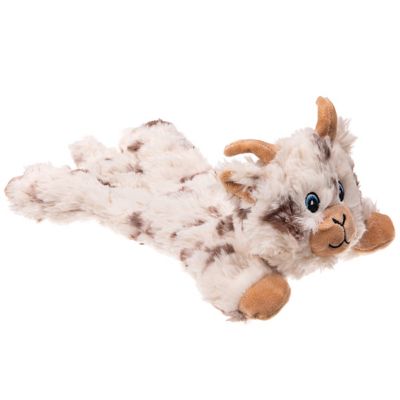
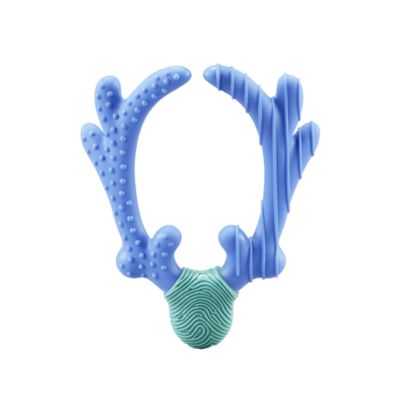
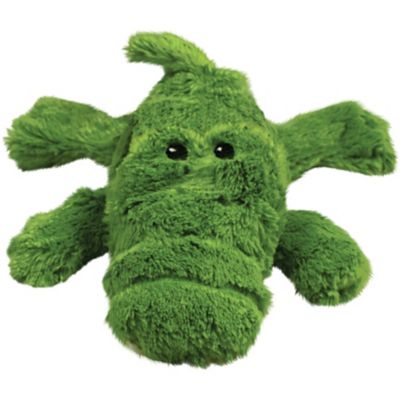
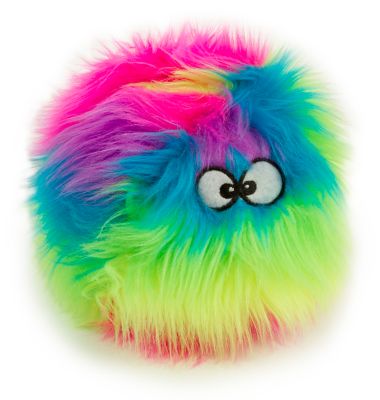
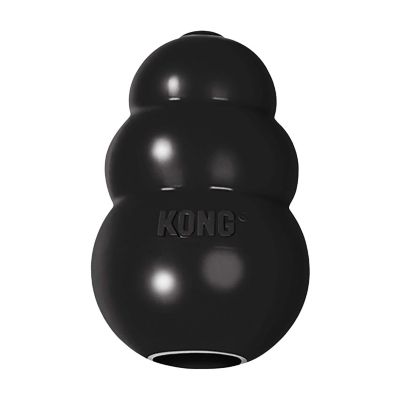
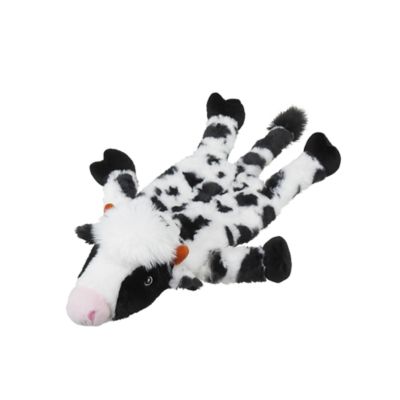
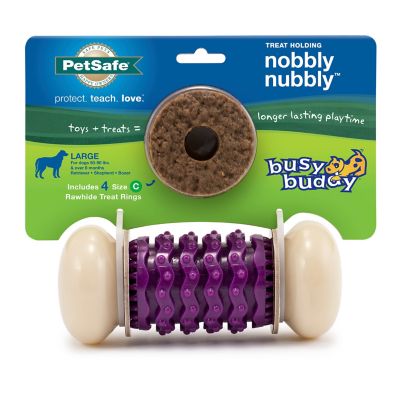
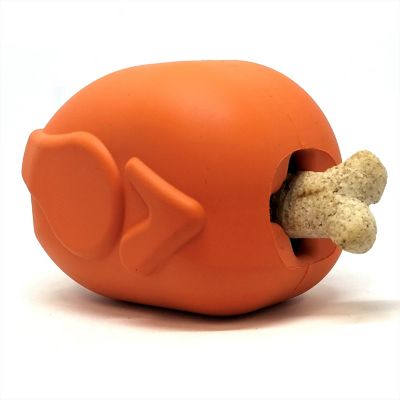
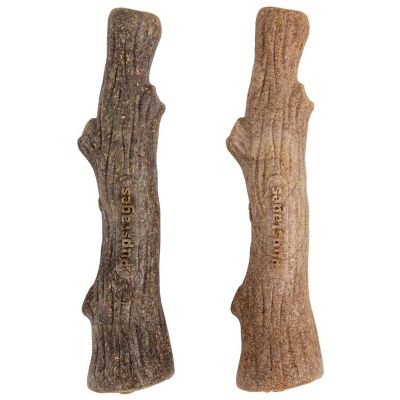
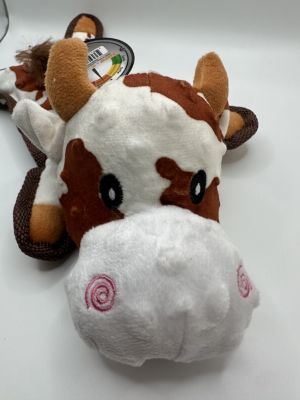
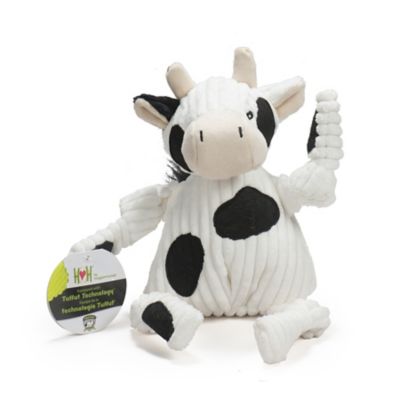
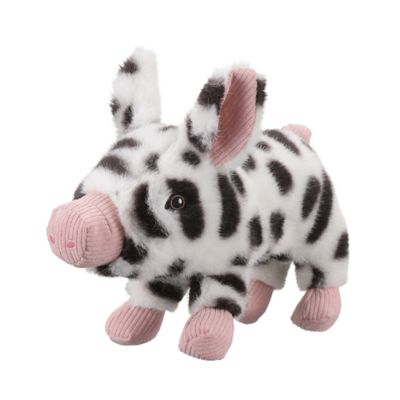
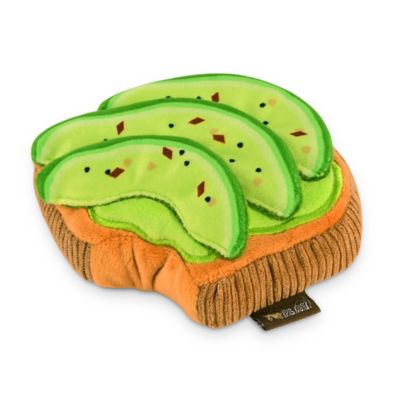
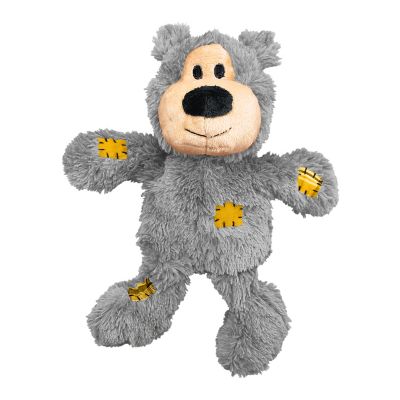
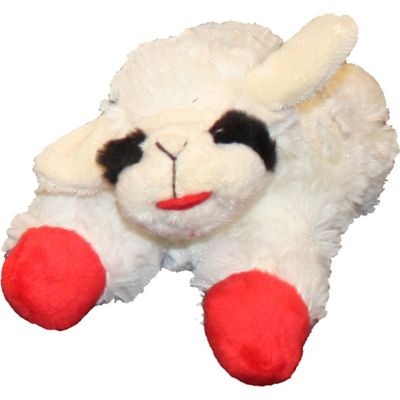
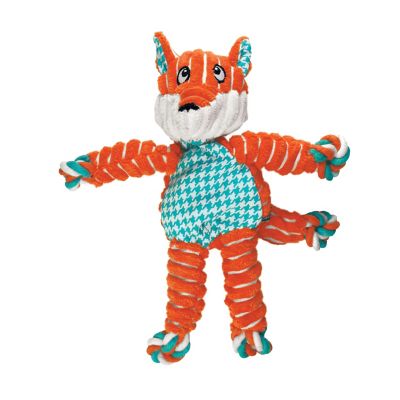
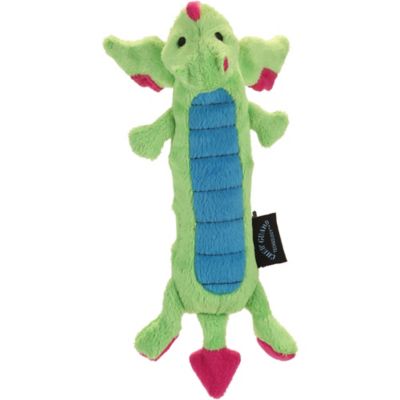
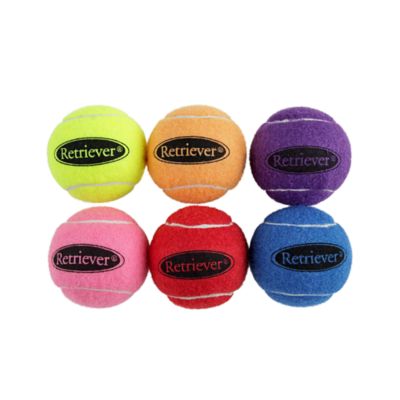
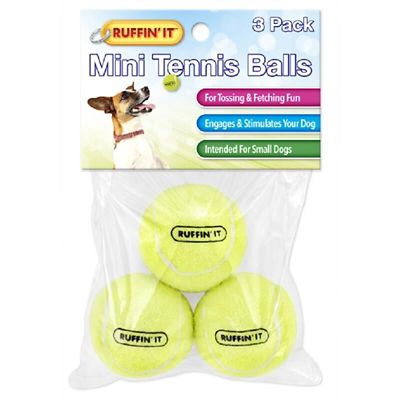
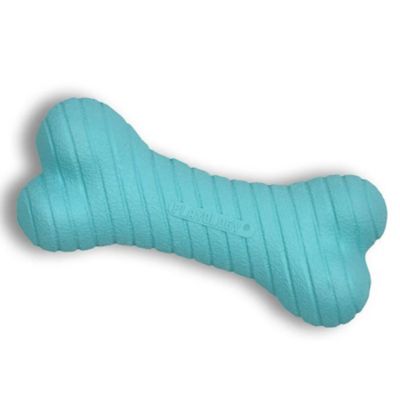
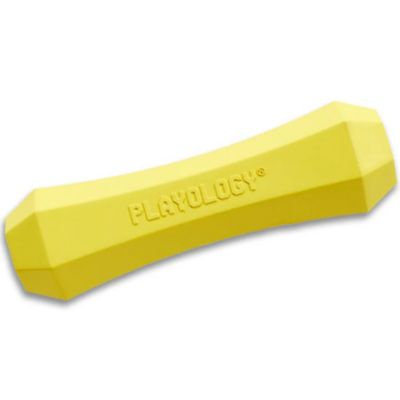
Dog toys for senior dogs can keep playtime part of everyday life, even when a longtime fetching partner would rather stay close than race across the yard. The best match depends on the dog’s mouth comfort, chewing habits, mobility, and favorite way to play—not age alone. Many older dogs enjoy pliable rubber, soft fabric, and easy-to-grip shapes that allow gentle chewing or carrying without a hard bite. Others still have plenty of chewing strength and need construction that stands up to their usual enthusiasm. Softness by itself does not make a toy safe, especially for a dog that pulls apart seams or tears off pieces. Materials, size, and shape all matter: a toy should be large enough that the dog cannot swallow it, yet manageable enough to pick up without struggling. Rounded shapes, broad openings, and lighter weight can make handling easier, though the right fit varies with muzzle shape and body size. A big farm dog with a tender mouth may prefer something lighter than expected, while a small terrier may still put stitching through its paces. Plush dog toys suit some gentle carriers who like having a soft companion beside their bed, but stuffing, squeakers, and loose fabric call for close supervision. Flexible rubber toys can provide a different feel for dogs that enjoy mouthing and licking, provided the material suits their chewing strength. Very hard toys may pose a tooth-fracture risk, and a senior label does not replace checking how a toy feels and how the dog handles it. Missing teeth, sore gums, or a history of dental trouble are good reasons to ask a veterinarian about suitable materials before introducing another chew toy. A dog that suddenly drops toys, chews on one side, or stops wanting to play may need a dental or health check rather than simply a softer toy. Comfortable play starts with a toy the dog can handle willingly, without repeated slipping, awkward gripping, or signs of soreness.
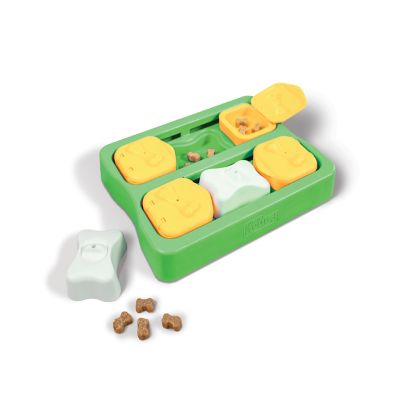
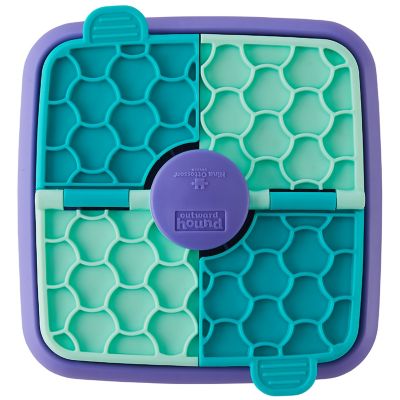
Mental enrichment gives older dogs something satisfying to do without making every game a workout. Treat-dispensing toys, food puzzles, and snuffle mats encourage sniffing, licking, and problem-solving while allowing a slower pace. A dog that once chased a ball clear to the fence may be just as interested in finding a few pieces of kibble tucked into fabric folds near the kitchen table. The challenge should fit the dog’s experience and physical abilities. Easy-to-reach food pockets and pieces that move with a light nudge can offer a more comfortable starting point than tight lids or compartments that demand forceful pawing. For dogs with limited mobility, puzzles that stay in place can reduce the need to chase a rolling toy across the room. A nonslip surface helps provide steady footing, and enough open space around the toy lets the dog change position without bumping into furniture. Dogs with reduced vision may enjoy scent-based activities, while familiar shapes and a consistent play area can make finding a toy less frustrating. Sound can interest some dogs, but a loud squeak may startle others; the dog’s response matters more than how lively a toy seems. Food rewards should fit the dog’s diet, with treats counted toward daily calories. A portion of the regular meal can serve as the reward when the toy design and food type allow it. Washable food-contact surfaces and accessible compartments also make these toys more practical for daily play. Not every senior dog wants a puzzle, though. A short roll along the floor, a gentle carry-and-return game, or supervised time with a soft toy may be a better fit for a companion that simply likes sharing a quiet moment. Keep fetch low to the ground, avoid sharp turns and jumping, and let the dog set the pace. Gentle tug may suit some dogs, but pulling hard or lifting a dog by the toy places unnecessary strain on the mouth and neck. Several brief play sessions can be easier to enjoy than one long stretch, particularly when the dog needs frequent breaks.
Everyday care matters as much as the first few minutes of interest. Dog toys for senior dogs should be straightforward to inspect and clean, especially when they hold food or spend time being carried between a bed, the porch, and the living room rug. Follow the manufacturer’s washing directions rather than assuming every rubber toy belongs in the dishwasher or every fabric toy can go through a hot wash. Remove leftover food promptly, rinse food-holding spaces thoroughly, and let toys dry completely before putting them away. Deep crevices, narrow openings, and layers of fabric can trap moisture or crumbs, so their upkeep deserves a look before they become part of the daily routine. Check seams, edges, and flexible sections often for cracks, fraying, or missing pieces. Replace a toy when damage creates parts that could break loose; no toy is indestructible, and an older dog may still dismantle a favorite faster than expected. Rope fibers, torn fabric, and exposed squeakers should not remain within reach. In a home with several dogs, separate play spaces can help a slower senior enjoy a food puzzle without being crowded by a younger companion. Putting a few toys away and rotating them can also renew interest without leaving a cluttered path around beds and water bowls. For a gift, a familiar style in a suitable size is often a better bet than an elaborate challenge, especially when the person caring for the dog can share details about chewing habits and dietary restrictions. Toys are for play and enrichment, not a substitute for dental treatment or a veterinarian’s oral-care plan. For a separate look at chew options,
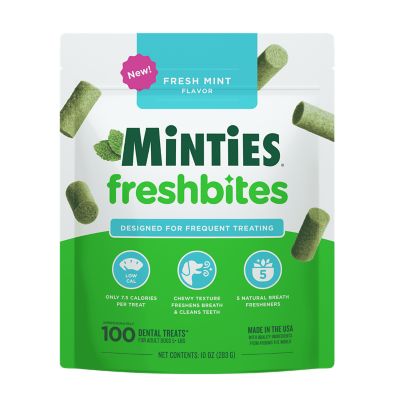
dental chews for senior dogs offer another category to consider with mouth comfort and chewing ability in mind. Whether a senior dog favors sniffing out supper, carrying a soft companion, or nudging a treat toy beside a favorite chair, a well-matched toy leaves room for that familiar personality to shine without asking for more effort than the dog wants to give.