Care for senior dogs brings together food, bedding, mobility support, and everyday essentials that suit a slower pace without taking the fun out of a familiar routine. The longtime chore buddy who still follows along to the gate may need different support than the little lap dog who spends most of the day close to home. Many dogs enter their senior years around age seven, though larger breeds generally reach that stage earlier than smaller breeds. Age alone does not tell the whole story; body condition, appetite, dental health, and ease of movement all matter when comparing senior dog supplies. Veterinarians often recommend checkups about every six months for older dogs, with the schedule adjusted to individual needs. Those visits can help shape food choices rather than leaving the decision to an age printed on a bag. When comparing
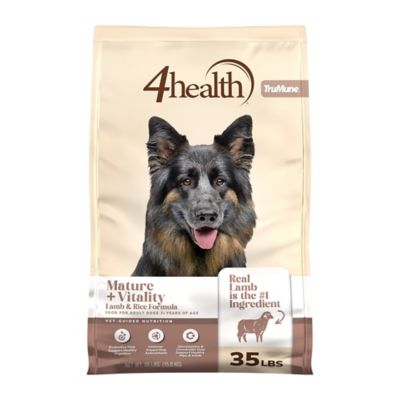
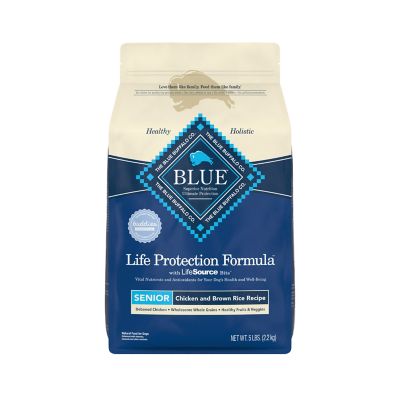
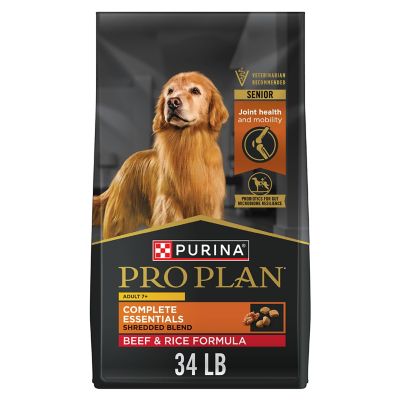
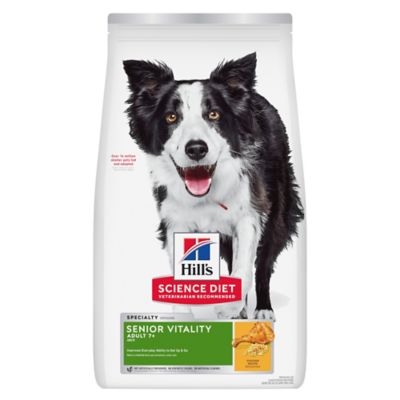
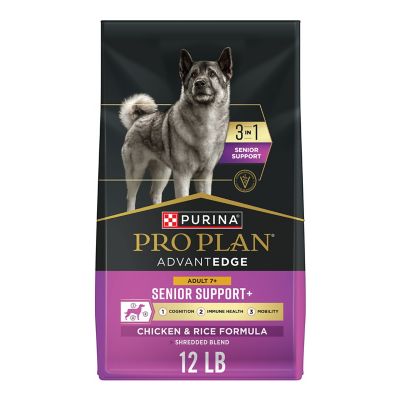
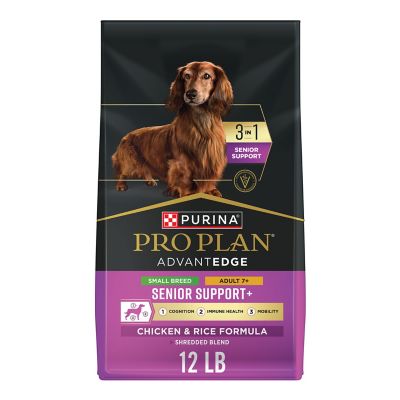
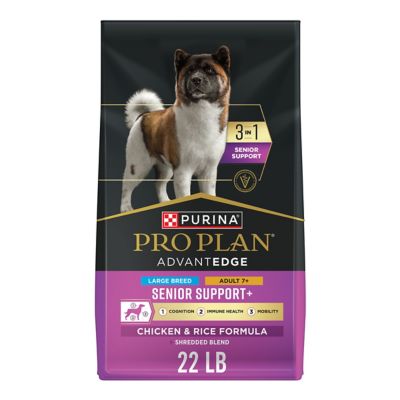
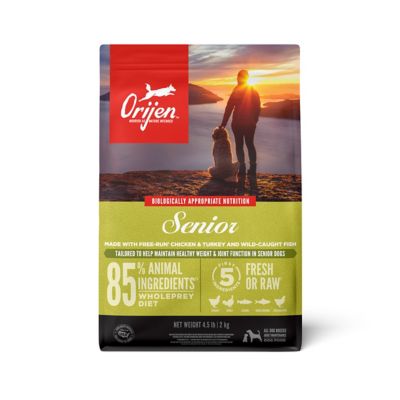
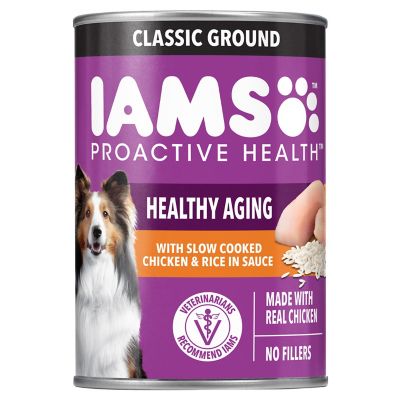
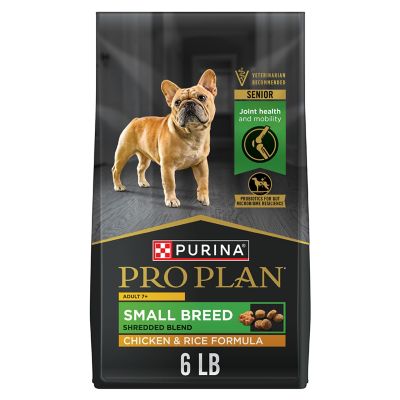
Senior Dog Food, useful label details include nutritional adequacy, calorie content, feeding amounts, and the intended life stage. Some older dogs need fewer calories as activity slows, while others need help maintaining weight and muscle. Protein needs also vary with health, so a lower-protein diet is not an automatic part of getting older. Dry food, wet food, and softer textures offer different feeding options, but difficulty chewing or a sudden change in appetite deserves veterinary attention rather than just a different bowlful. Gradual food transitions can help limit digestive upset, and measured portions make it easier to account for treats alongside regular meals. Feeding supplies matter, too. Smooth stainless steel bowls are straightforward to wash, while a nonslip base helps keep dinner from sliding across the kitchen floor. Bowl height and placement should suit the individual dog, especially when bending or standing appears uncomfortable; raised feeders are not the right answer for every dog. Food storage containers with secure lids help keep meals protected, and retaining the original packaging keeps feeding directions and lot information close at hand. Together, these feeding essentials support a routine that stays familiar while making room for changing nutritional needs.
A comfortable resting spot is another important part of senior dog care, especially for a dog who takes a little longer to settle down after a walk around the property. Orthopedic dog beds often feature foam designed to spread body weight across a broader surface, but the construction matters more than the name alone. A bed should offer enough cushioning beneath shoulders and hips without sinking so deeply that getting up becomes a struggle. Dense foam, layered cushioning, and a stable base each affect how a bed feels under a particular dog's weight. Size matters just as much: a dog who sleeps stretched out needs room from nose to hind paws, while a side sleeper may appreciate extra width. Bolstered edges can provide a place to rest a head, but a low entry leaves a clearer path for stiff legs. For dogs who circle several times before lying down, an open sleeping surface can feel less cramped than a bed with tall sides all around. Removable covers, washable fabrics, and protected inner cushions make everyday cleanup more manageable when muddy paws, shedding, or bladder leaks are part of the picture. Water-resistant fabric and a waterproof liner offer different levels of protection, so care labels and construction details deserve a close look. Zippers tucked away from chewing mouths, tightly stitched seams, and replacement covers can also help a bed stay in service longer. Laundry directions matter because some foam inserts cannot go through a washing machine, even when the outer cover can. Placement finishes the job: a quiet spot near the family, with a clear route to water and the door, keeps an older dog included without putting the bed in the middle of foot traffic. Nonslip mats or runners nearby can provide footing on slick floors, provided their edges lie flat and their backing stays put. For a dog who moves between the kitchen and a favorite resting corner, that steady path can be as useful as the cushioning itself.
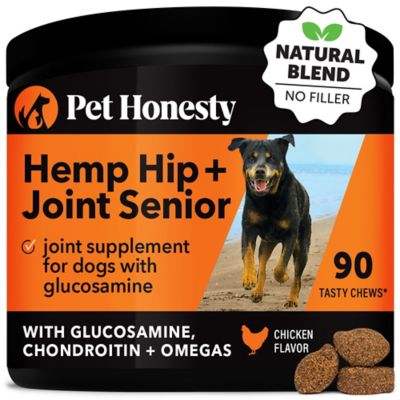
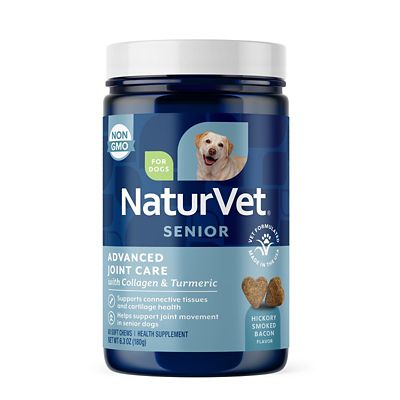
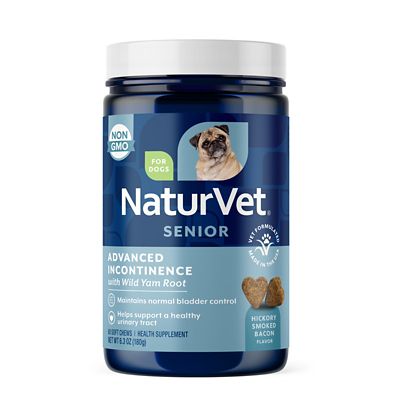
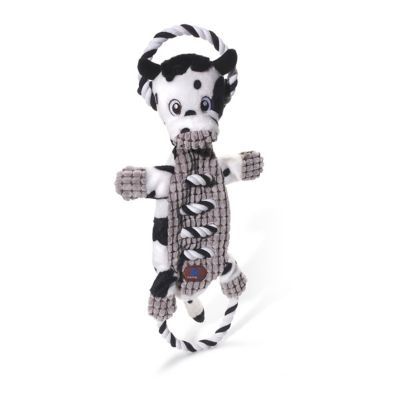
Mobility and enrichment supplies help keep familiar outings and small pleasures within reach. A senior dog may still enjoy sniffing fence posts, riding along in the truck, or carrying a soft toy across the room, even when jumping and fast turns no longer come easily. Dog ramps and steps serve different spaces, and the best fit depends on the dog's stride, balance, body size, and comfort with the surface. A ramp needs enough length for a manageable incline, a secure resting point, and a weight rating suited to the dog. Traction on the walking surface matters, as does keeping the ramp steady during entry and exit. Steps require a dog to lift each leg onto a separate platform, which may not suit every mobility problem. Support harnesses offer another option for some dogs, with broad contact areas and adjustable straps that help spread pressure rather than concentrating it under a narrow band. Measurements around the chest and body are more useful than breed names alone, and buckles or seams should not rub behind the legs. A veterinarian can help determine whether a lifting aid is appropriate and how to assist without causing discomfort. For everyday activity, short, comfortable walks and low-impact play often fit better than repeated jumping or hard chasing. Treat puzzles, scent games, and easy-to-grip toys can add interest without requiring a long run, though toy size, chewing habits, and supervision still matter. Joint supplements belong in the same thoughtful comparison process: ingredient amounts, serving directions, and possible interactions with medications are worth reviewing with a veterinarian. They are not a substitute for evaluating pain, limping, or a sudden reluctance to move. Gentle grooming tools and washable pads can round out the daily routine, especially when standing through a long brushing session becomes tiring. The right mix of senior dog essentials supports comfort, manageable cleanup, and time together, whether that means a short stroll to the mailbox or a good nap beside a familiar chair.