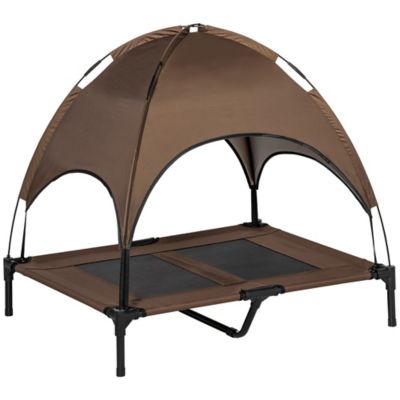
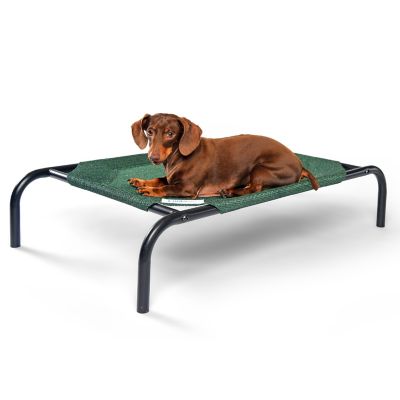
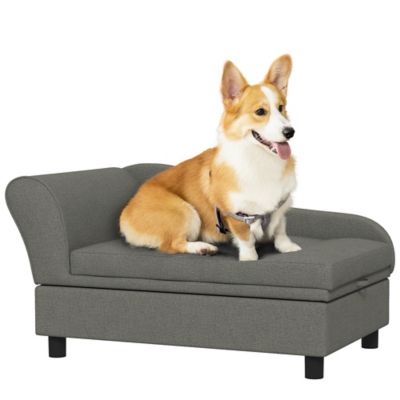
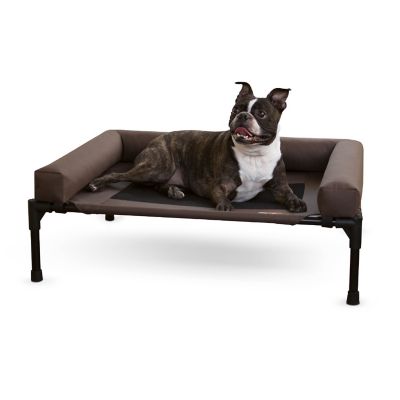
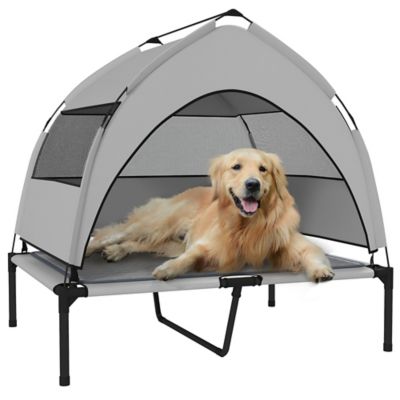
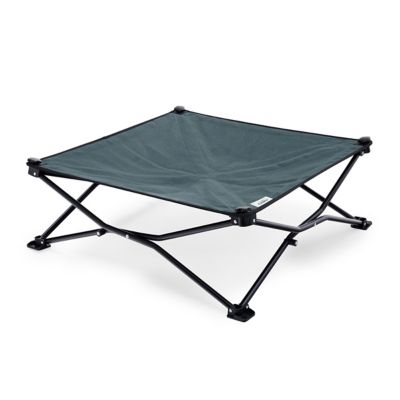
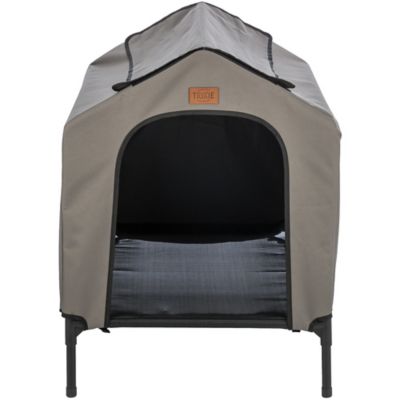
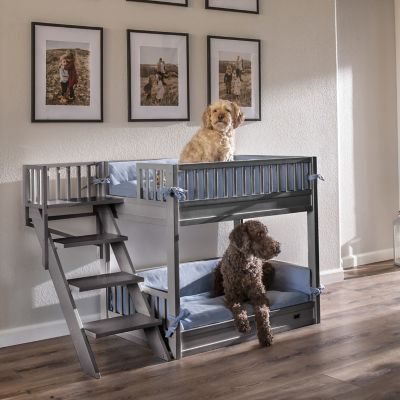
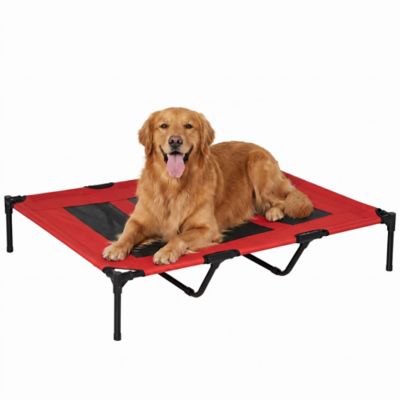
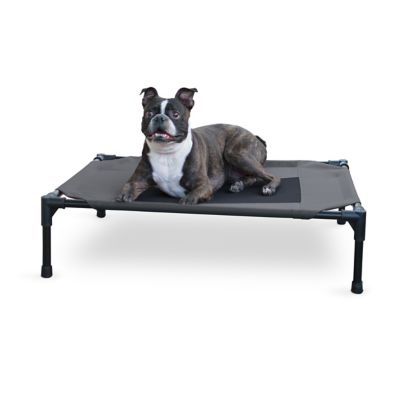
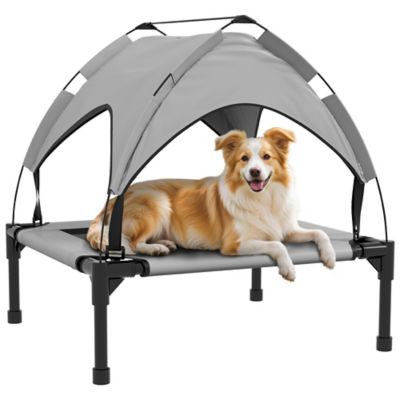
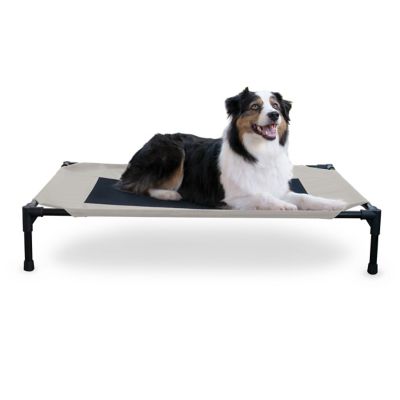
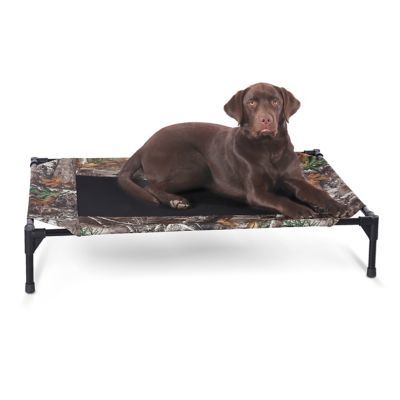
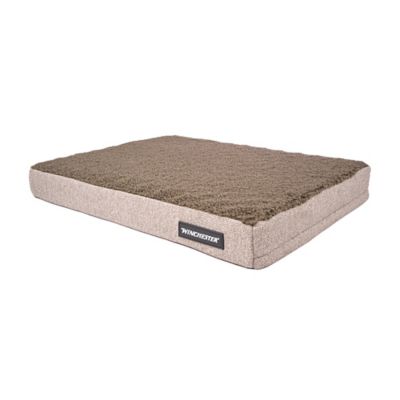
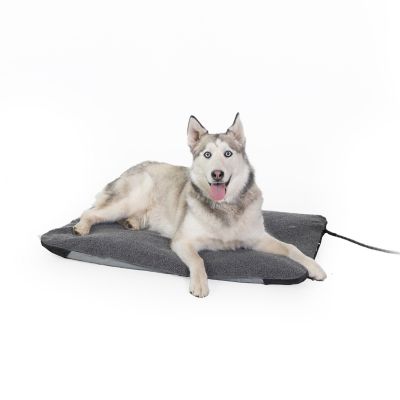
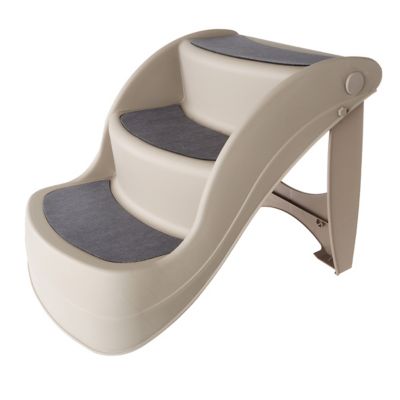
Raised dog beds for small dogs provide an elevated resting surface, usually with a fabric panel stretched across a frame supported by short legs. This cot-style design keeps the sleeping area off the floor and allows air to move underneath, while giving a little dog a defined spot to settle near the family. A compact bed can fit beside a favorite chair, along the wall of a mudroom, or in a quiet corner where paws stay clear of foot traffic. For a terrier that likes to stretch out after a walk around the property, an open sleeping surface leaves room for legs and a wagging tail. For a small companion that curls into a tight ball, a properly sized frame offers a resting place without taking over the room. Small-breed labels are a starting point, but the bed’s sleeping-surface measurements and stated weight capacity matter more than the size name alone. The usable fabric area may be smaller than the overall frame dimensions, so both measurements help explain how much space the dog gets and how much floor space the bed needs. A dog resting on its side should have room for its body without leaning against a hard frame edge. Bed height matters, too: short legs, long backs, and limited mobility can make a high step more challenging. A low raised bed may be easier to approach, but an elevated design is not automatically the right fit for every dog with sore joints or trouble getting around. Dogs with ongoing mobility concerns may need a different sleeping setup based on veterinary advice. Some dogs prefer the slight give of a suspended surface, while others settle better with padding. Raised beds with compatible cushions can offer both, provided the cushion fits securely and does not crowd the usable sleeping area. The right match comes down to the dog’s size, movement, and everyday sleeping habits, not simply how small the bed looks.
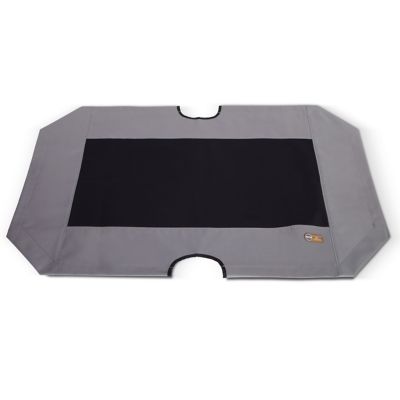
The materials in an elevated dog bed shape its feel, strength, and care needs. Steel frames can provide a sturdy base, while aluminum frames may be easier to carry from room to room. Powder-coated finishes cover the metal surface, though scratches, loose connections, and exposed edges still deserve attention over time. Mesh panels let air pass through and often have less padding than a conventional stuffed bed. Woven polyester and coated mesh fabrics can differ in texture, flexibility, and cleaning requirements, so the material description helps distinguish a smooth, lightly yielding surface from a firmer woven panel. Fabric tension also matters. A well-fitted panel supports the dog without sagging so far that its body rests against a crossbar or the floor. Seams, corner attachments, and the way the fabric meets the frame are worth considering for a dog that circles several times, digs before lying down, or pulls at exposed edges. A metal frame does not make the entire bed chew-proof, and a determined chewer can damage fabric, feet, or other parts. For everyday household use, rounded edges and secure fittings help keep the resting area comfortable, while nonslip feet can limit shifting on smooth floors. The feet should also suit the flooring beneath them; a bed that stays put on a rug may behave differently on tile. Frame shape affects placement as much as material does. Legs that angle outward need more clearance than the sleeping panel alone suggests, especially beside a doorway or narrow hallway. If a raised bed is intended for a crate or kennel, the complete dimensions, leg placement, and entrance clearance need to fit that space. A snug fit should not block the door or leave awkward gaps where a paw could slip. Some designs have removable fabric panels or replacement parts, which can make upkeep simpler when one component wears before the rest of the bed. Those features depend on the bed’s construction rather than on the raised style itself.
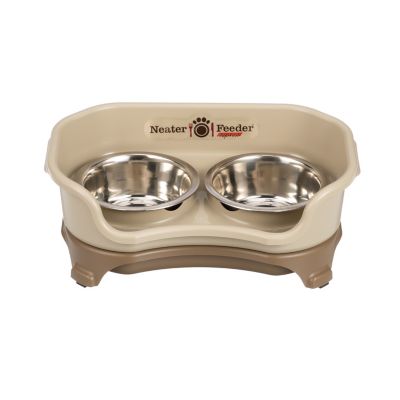
Daily life with a small dog can mean loose hair, muddy paws, spilled water, and the occasional accident, so cleaning details deserve as much attention as the frame. An elevated surface leaves space underneath for sweeping or vacuuming, although hair and crumbs can still collect around the feet and fabric edges. Some panels can be wiped down or rinsed; others detach for washing according to their care directions. A removable cover is not necessarily machine washable, and cleaning methods that suit one fabric may damage another. After cleaning, the panel and any added cushion should dry fully before the dog settles back in. Regular checks of fasteners, seams, and fabric tension help catch wobbling legs or stretched areas before they interfere with the bed’s support. For dogs that scratch their sleeping spot, keeping nails trimmed can reduce snagging, though no fabric should be treated as immune to claw damage. Intended use matters just as much as easy cleanup. A bed for a living room may need floor-friendly feet and a compact footprint, while a bed for a porch, kennel area, or travel setup needs materials and care instructions suited to that setting. Outdoor suitability should come from the product’s stated use, not from the presence of a metal frame alone. A lighter bed can be handy for a dog that follows the family between the kitchen and the porch, while a bed that folds or comes apart may take up less room during travel. Familiar bedding can help some dogs settle into a new resting spot, as long as it stays secure and does not interfere with footing. A nearby feeding area can include
Elevated Dog Bowls For Small Dogs, with bowl height chosen separately for comfortable reach. For a friend welcoming a small dog home, a raised bed can make a practical gift when the dog’s measurements and living space are known. A well-matched bed earns its place by fitting the dog, staying steady, and keeping everyday care manageable.