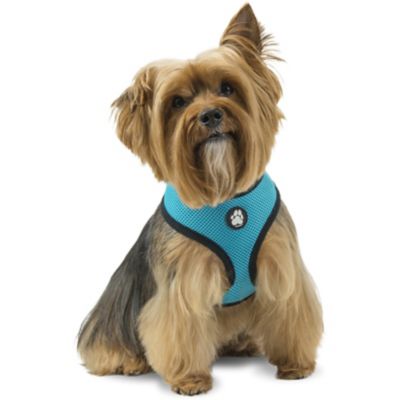
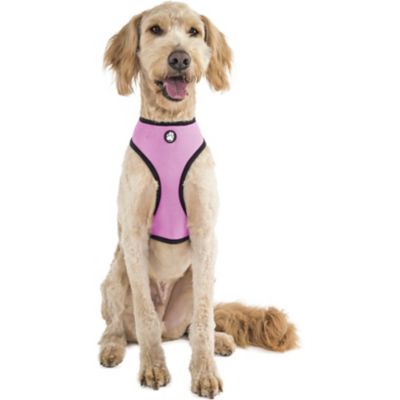
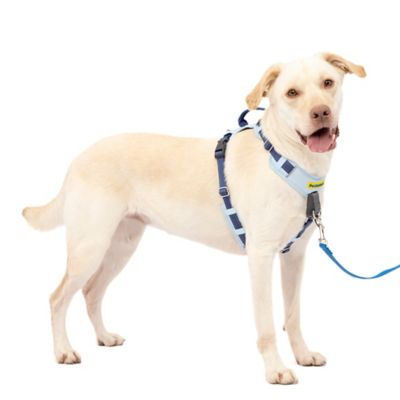
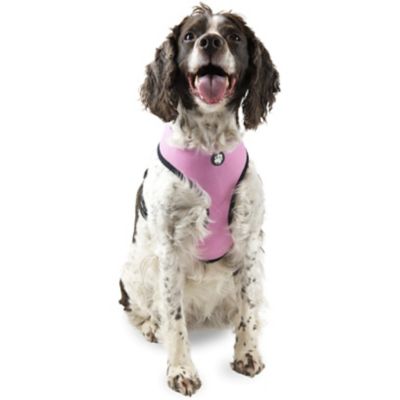
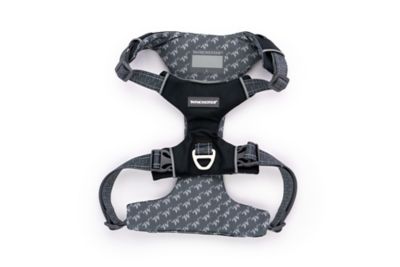
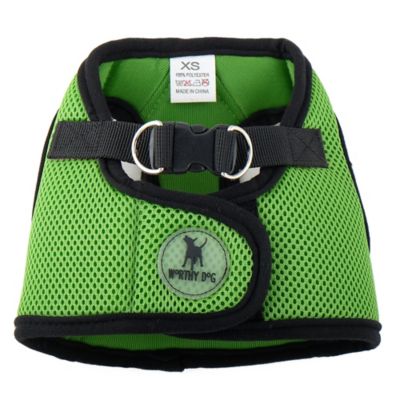
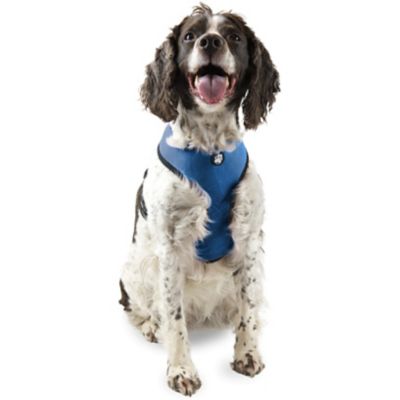
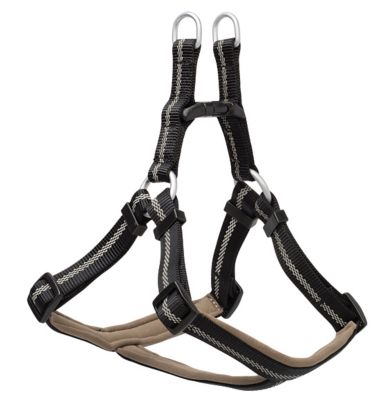
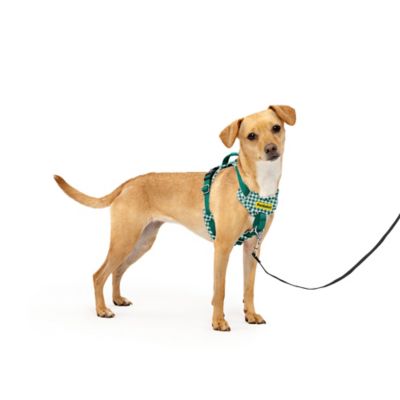
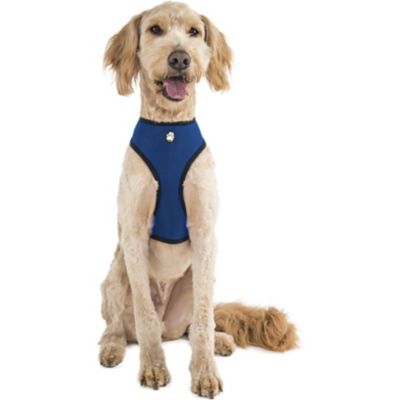
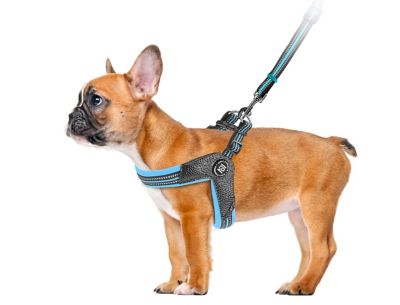
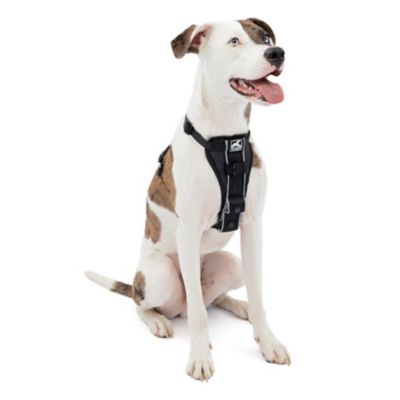
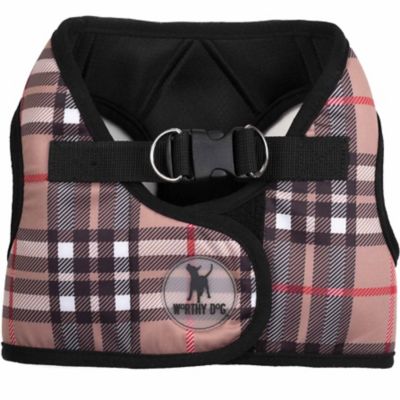
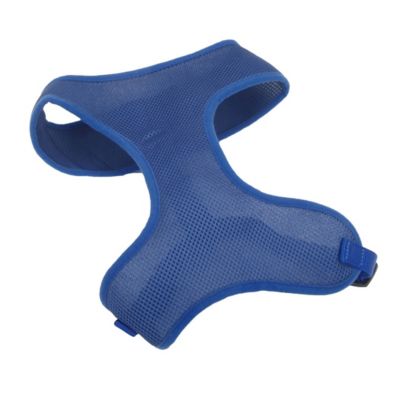
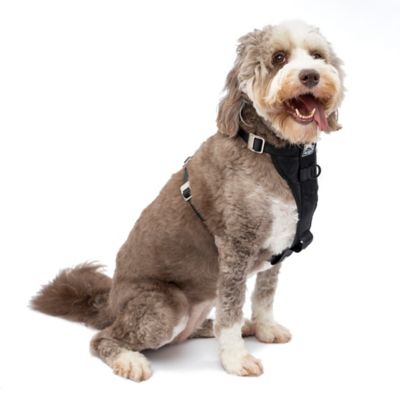
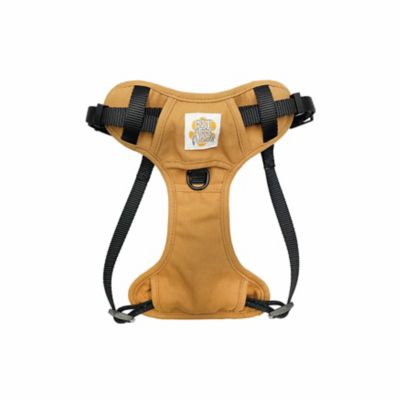
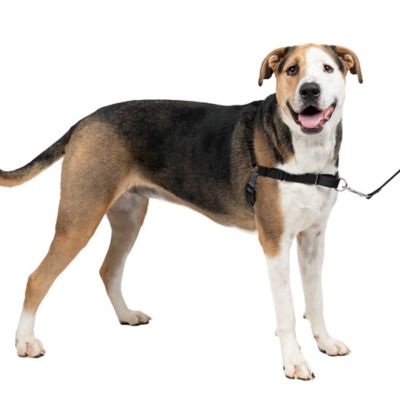
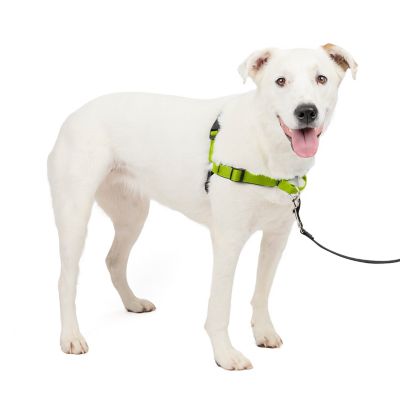
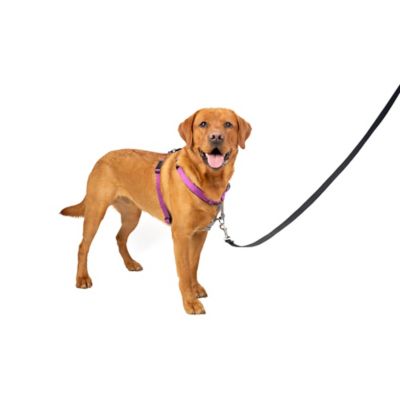
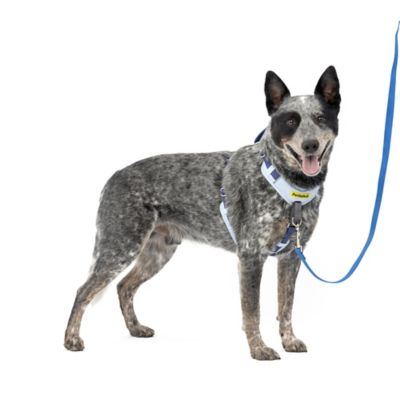
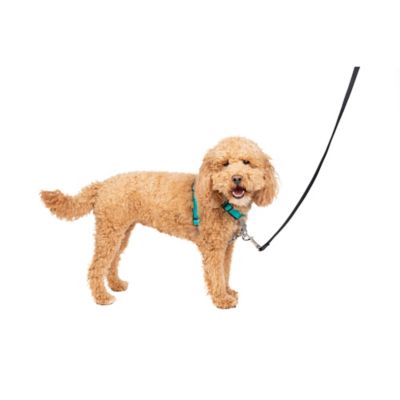
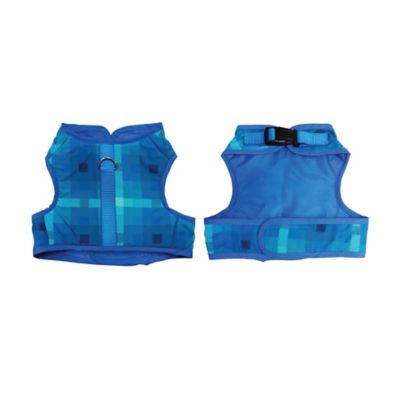
Comfortable harnesses for dogs combine a well-fitting shape, soft contact surfaces and adjustable straps that spread leash pressure across the chest rather than concentrating it at the neck. Comfort comes from how those features work together, not padding alone. A thick cushion cannot make up for a strap that rubs behind the front legs or a chest panel that shifts sideways with every step. Y-shaped harnesses have straps that meet over the chest, and a properly fitted design can leave the shoulder joints clear for a natural stride. The shape still needs to suit the dog wearing it: a broad-chested farm companion, a narrow little terrier and a lanky young hound may need different proportions even when their measurements fall within the same size range. Chest circumference, neck measurements where requested and the manufacturer’s sizing chart give a better starting point than breed or weight alone. Several adjustment points allow the fit to be fine-tuned around the neck and rib cage without tightening one area to compensate for another. Enough room for two fingers between the straps and the dog’s body is a common fit check, but the harness should also stay centered and resist slipping over the head or shoulders. Walking, sitting and bending down to sniff should not cause the straps to dig in, bunch up or press into the armpits. For puppies still growing into their legs, adjustable straps leave room for fit changes, with regular checks as their chest fills out. For older dogs, a design that goes on without much leg lifting may make getting ready less of a chore. Step-in styles and over-the-head styles offer different ways to dress for a walk, so the right choice depends partly on what the dog tolerates comfortably. Whether the outing is a lap around the yard or a stroll down a gravel lane, a harness should let the dog move freely while giving the handler a secure leash connection.
Materials make a noticeable difference where a harness rests against the coat and skin. Nylon and polyester webbing provide structure without adding much weight, while mesh panels can allow airflow and reduce the amount of fabric against the body. Foam padding cushions pressure points, and smooth linings help limit friction when a dog trots beside the fence or stops to investigate every scent along the path. Neoprene and fleece linings offer a softer contact surface, though thicker fabrics can hold moisture or take longer to dry after cleaning. Softness matters most at the chest, along strap edges and anywhere the harness comes close to the front legs. Rounded edges, flat seams and covered stitching can help reduce rubbing, especially on short-coated dogs or dogs with sensitive skin. Long coats bring a different concern: buckles and adjustment sliders should sit where they are less likely to catch hair, and straps should lie flat rather than twist into the coat. Lightweight construction can suit small dogs that do not need much hardware, while larger dogs may benefit from wider straps that distribute contact over a broader area. Strong stitching, securely attached leash rings and buckles that close fully all matter when a dog suddenly leans toward a squirrel or another dog. Extra padding does not replace sound construction, and heavier hardware is not automatically more comfortable. Everyday care also affects how a harness feels. Grit trapped beneath a chest panel can turn a soft surface into an irritating one, while tangled hair and dried mud can interfere with strap adjustment. Care instructions vary by material and construction; some harnesses allow machine washing, while others call for hand washing and air drying. A clean, fully dry harness, with intact seams and properly working fasteners, gives the dog a more comfortable starting point for the next outing.
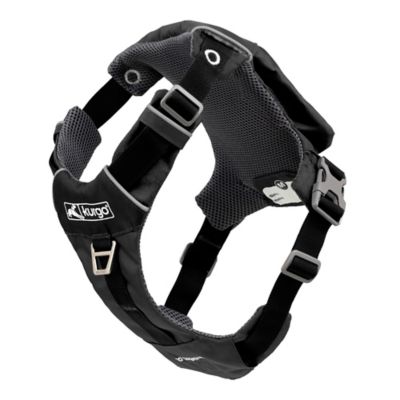
The intended outing helps narrow down which features earn their place on a comfortable dog harness. For relaxed walks, a back leash attachment keeps the connection above the shoulders and can help keep the leash away from the front feet. A front attachment may help redirect some dogs that pull, giving the handler another option for leash training, but it does not teach loose-leash walking on its own. Harnesses with both attachment points offer flexibility as walking habits improve or the route changes from an open path to a busier sidewalk. The front connection should not pull the harness out of position or alter the dog’s gait. On longer walks, freedom of movement and stable positioning matter more than extra straps or accessories that serve no clear purpose. Reflective details can make a harness easier to notice when light hits it, though they do not replace close supervision or other visibility measures. A grab handle can offer brief help keeping a dog close while passing through a gate, but it should not be treated as a lifting handle unless the manufacturer specifically allows that use. For strong dogs and more demanding outings,
Heavy Duty Dog Harnesses offer another category to consider, with the same attention to fit, padding and unrestricted movement. A walking harness is not automatically a vehicle restraint; travel calls for equipment specifically designed for that purpose. Dogs that back out of gear need particular attention to secure fit and an appropriate escape-resistant design rather than simply tighter straps. A comfortable harness can also make a practical gift for someone welcoming a dog home, provided the dog’s measurements and the person’s preferred fastening style are known. From quick bathroom breaks to walks with the whole family, the most useful features are the ones that make getting out the door easier without getting in the dog’s way. Flat straps, thoughtful adjustment and soft contact points help keep attention on the trail ahead instead of on rubbing gear.