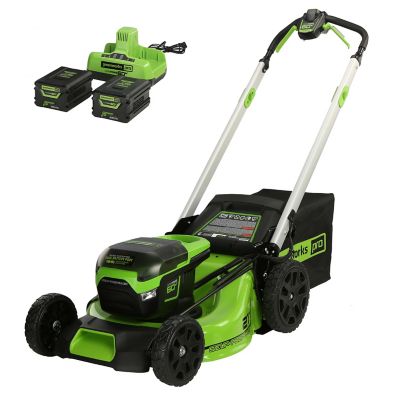
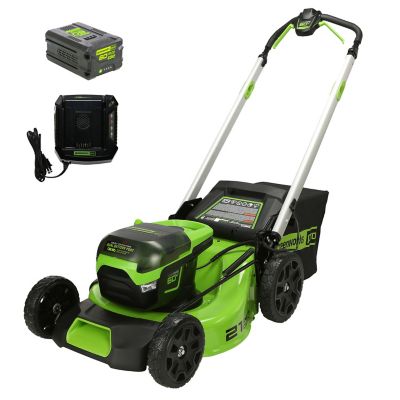
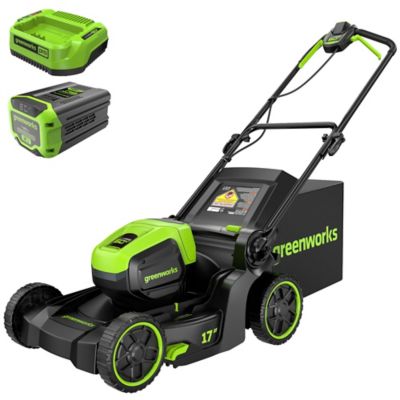
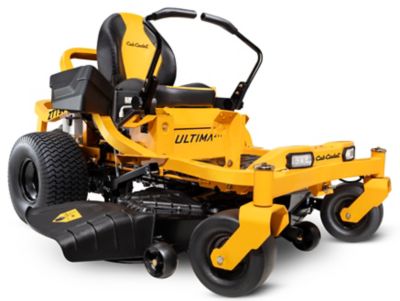
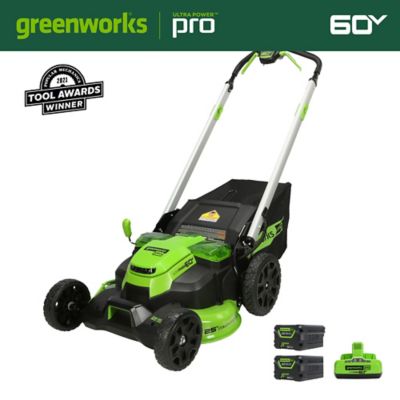
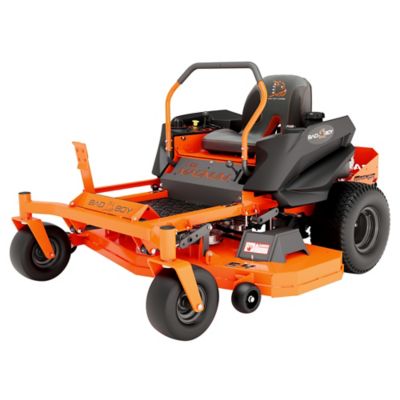
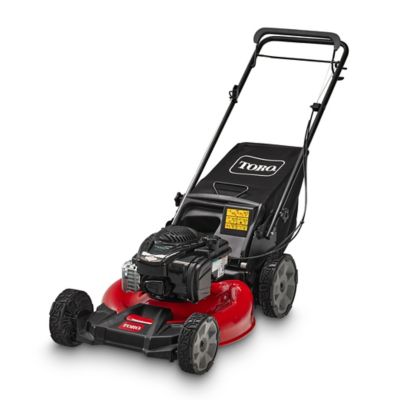
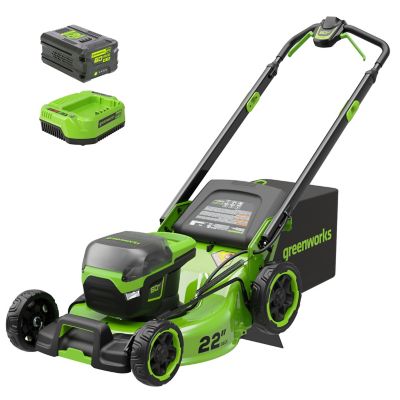
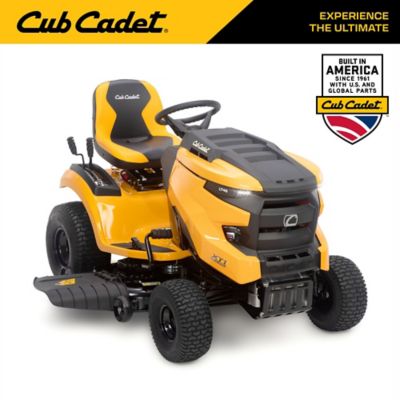
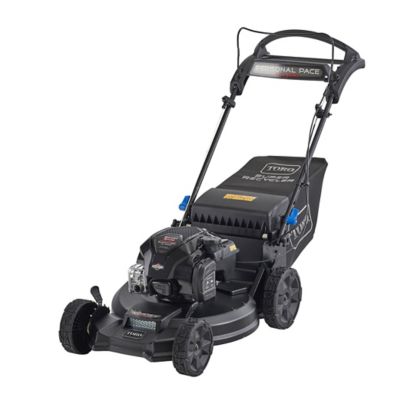
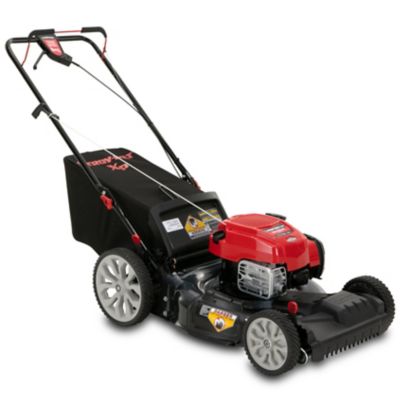
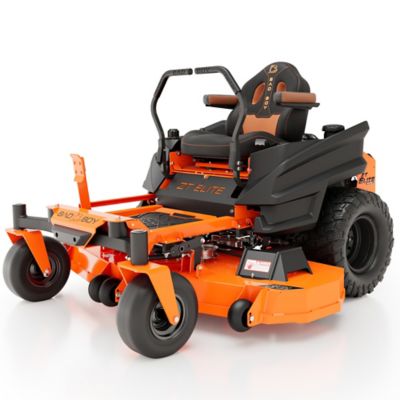
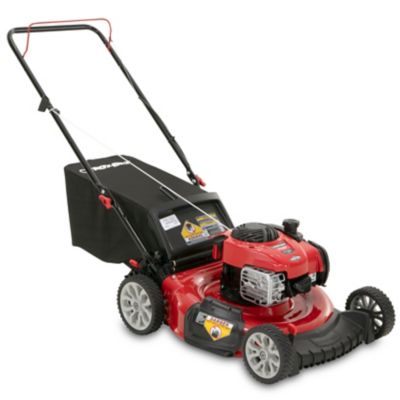
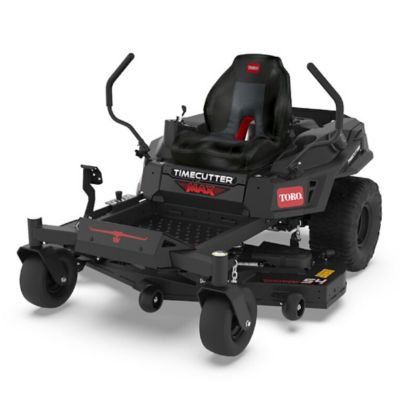
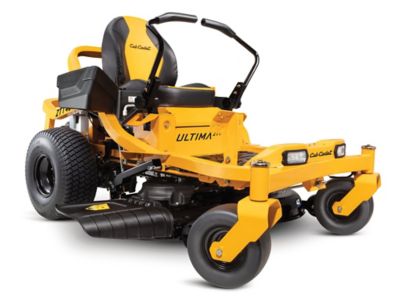
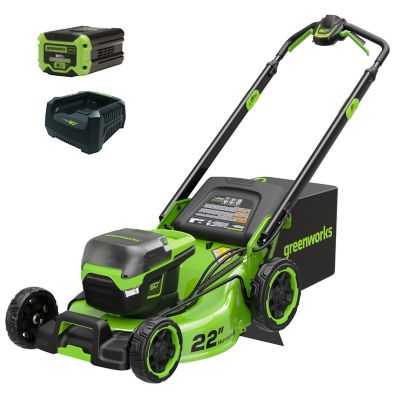
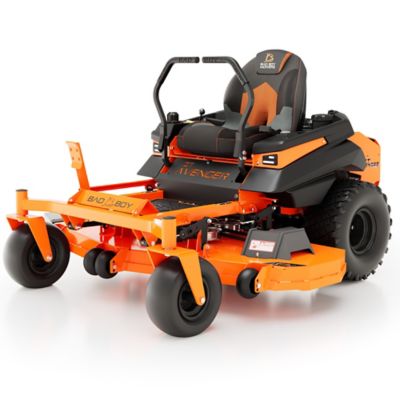
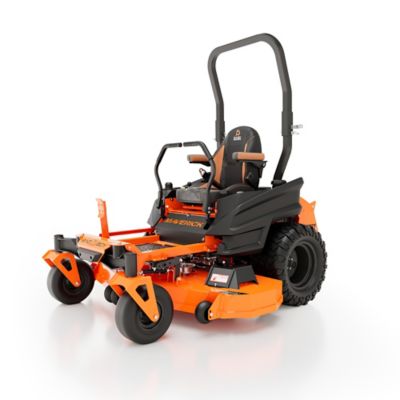
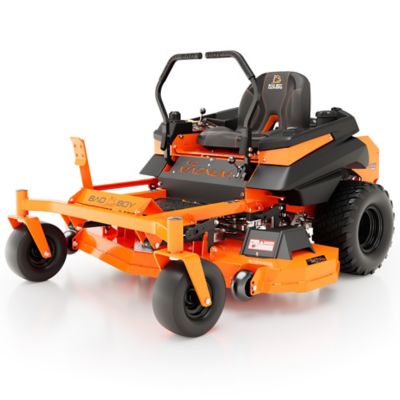
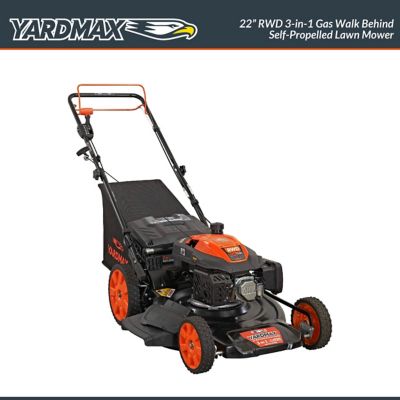
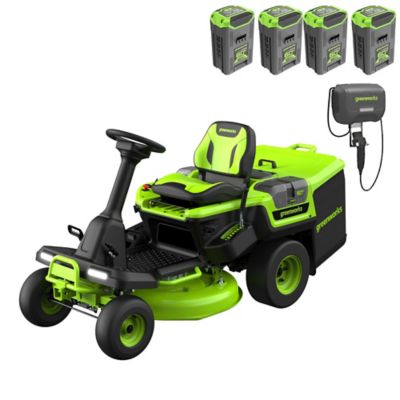
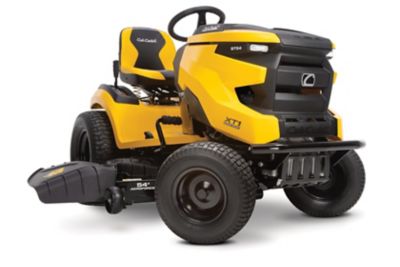
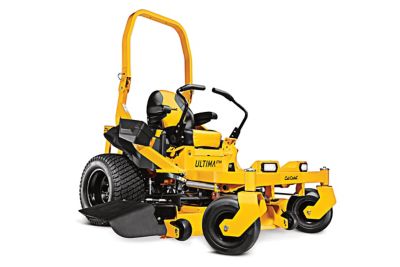
A lawn mower for rural property care should match the acreage of maintained grass, the terrain, and the clearance around gates, trees, and outbuildings. A five-acre property does not necessarily mean five acres of mowing: the house, barn, garden, pasture, and gravel drive all change how much turf needs attention. For homeowners, homesteaders, and folks keeping up a family place, the best fit balances open-ground coverage with the ability to work around everyday obstacles. Walk-behind mowers suit smaller lawn areas, fenced spaces, and narrow stretches beside a shed, while riding mowers can take some of the legwork out of maintaining larger lawns. Zero-turn mowers offer maneuverability around trees and beds, though their suitability depends on the terrain and the manufacturer's operating limits. A finish-cut lawn mower belongs on maintained turf, not in woody brush or fields hiding rocks, wire, and stumps. Rough vegetation calls for equipment specifically designed for that job. Cutting width matters, too, but wider is not automatically better. A broad deck covers more ground with each pass, while a narrower deck may fit through a gate or follow the shape of a smaller yard more easily. Deck width, overall machine width, and width with the discharge chute extended can differ, making those measurements important for both access and storage. Around fence corners, orchard rows, and the space between a workshop and a garden, turning room can matter as much as acreage. Deck construction also deserves attention. Stamped steel, fabricated steel, and composite materials each have different weight, corrosion, and maintenance considerations; material alone does not tell the whole story. Deck shape, reinforcement, protective finishes, and access for cleaning all contribute to how a mower handles regular property work. A mower that suits the ground and fits the buildings is a better match than one chosen by cutting width or engine size alone.
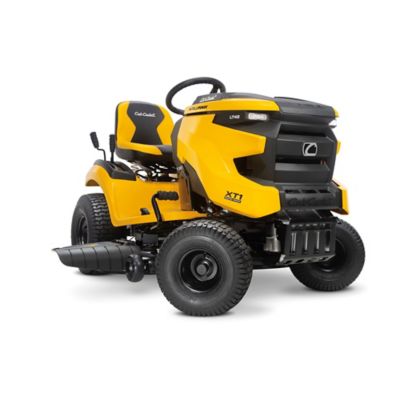
Long stretches beside a driveway and broad lawns beyond the back porch put a different set of demands on mowing equipment than a small yard near the house. Riding mowers bring seat comfort, steering feel, traction, and travel speed into the picture, along with the deck and cutting system. An adjustable seat, controls within easy reach, and enough foot room can make a noticeable difference over a long mowing session. Hydrostatic drive systems allow speed changes without shifting through fixed gears, although pedal arrangements and control styles vary. Steering-wheel and lap-bar machines have different handling characteristics, so operator familiarity matters alongside the layout of the property. The
Riding Lawn Mower For Big Properties collection is a natural place to explore equipment for larger areas of maintained grass. On uneven ground, deck movement and anti-scalp features can help the cutting system follow changes in the lawn, but they do not make a machine suitable for every slope. Manufacturer slope limits and operating directions remain essential, especially near ditches, pond banks, and drop-offs. Horsepower by itself does not establish traction, slope capability, or mowing performance. Tire design, machine weight, transmission specifications, cutting width, and grass density all affect the job. Gas-powered and battery-powered mowers also bring different ownership considerations. Gas equipment involves fuel handling, engine maintenance, and a suitable storage setup. Battery equipment involves charging access, battery compatibility, and enough operating time for the area being maintained. Published runtime figures depend on test conditions, and thick grass, cutting height, travel speed, and attachments can change actual results. For properties with several separate lawn areas, the distance between mowing spots matters as well. A machine may spend part of its working time traveling between the house, barnyard, and roadside entrance rather than cutting grass. That mix of mowing and travel helps explain why acreage ratings are a starting point rather than a promise about how quickly every rural yard can be finished.
The way a mower handles clippings affects both the appearance of the lawn and the work left afterward. Side discharge returns clippings across the turf, mulching systems cut them into smaller pieces, and compatible bagging systems collect them for disposal or other appropriate handling. Not every mower supports every method, and some setups require separate components. Around a porch, walkway, or vegetable garden, discharge direction deserves attention so clippings and thrown debris stay away from people, animals, buildings, and traffic. Cutting-height adjustment is another practical detail, especially where the lawn includes different grass types or uneven patches. Keeping blades sharp and avoiding an overly short cut supports a cleaner finish without expecting the mower to compensate for ruts or buried obstacles. On a working property, a quick check for fallen branches, loose fencing wire, toys, and stones is part of keeping the mowing area ready. Maintenance access matters throughout ownership: reachable oil-service points on gas engines, accessible filters, clear belt routing, and room to inspect the deck can make routine care less awkward. Grass buildup under the deck, damaged blades, worn belts, and incorrect tire pressure can all affect performance. Cleaning, adjustments, and blade service should follow the manufacturer's directions, with the machine secured and its power disabled as specified before work begins. Storage space needs to accommodate the mower's full dimensions, along with room to get on and off or move around it safely. For riding equipment, attachments such as carts and collection systems require confirmed compatibility and adherence to weight and towing limits; a hitch alone does not establish capacity. Hearing protection where appropriate, eye protection, sturdy footwear, and keeping bystanders clear belong alongside the equipment itself. From the grass around a farmhouse to the wide lawn beside a machine shed, rural mowing calls for a practical balance of reach, handling, upkeep, and a clean cut. The strongest match is equipment suited to the work the property actually demands.