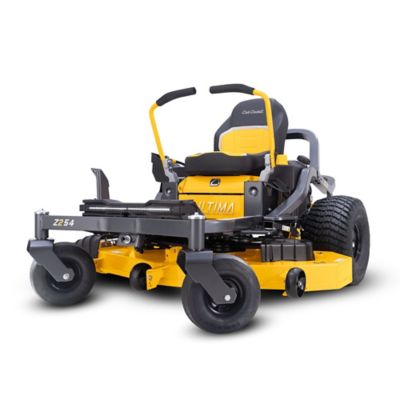
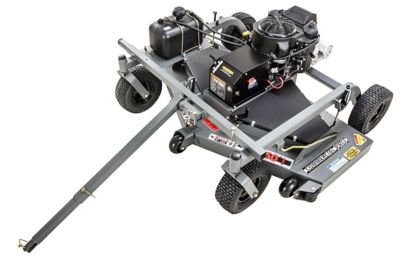
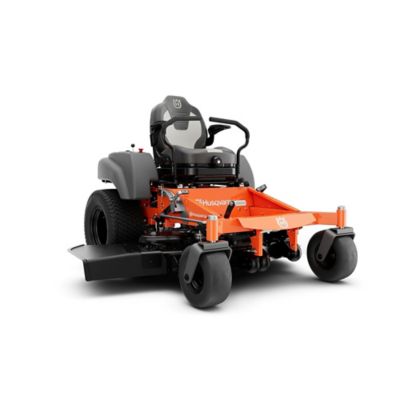
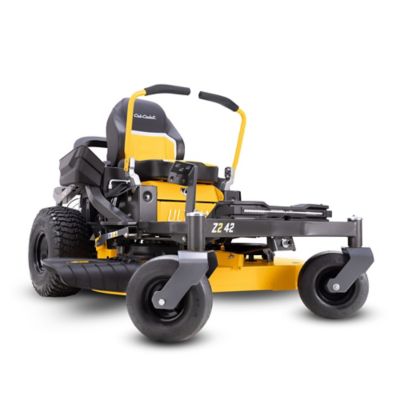
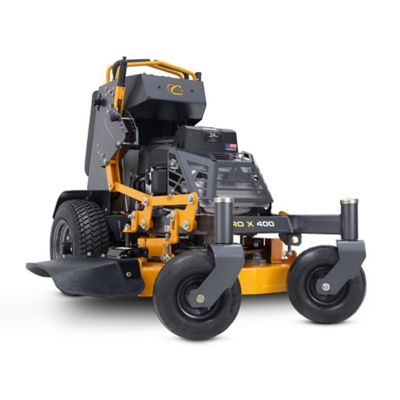
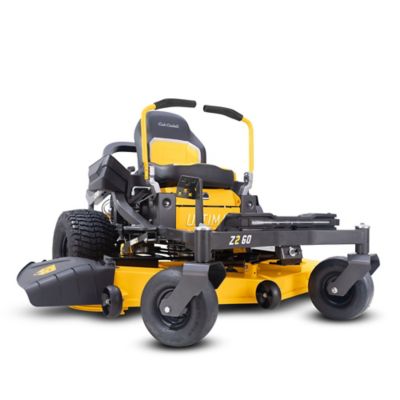
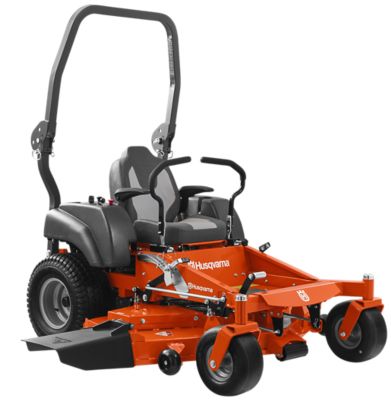
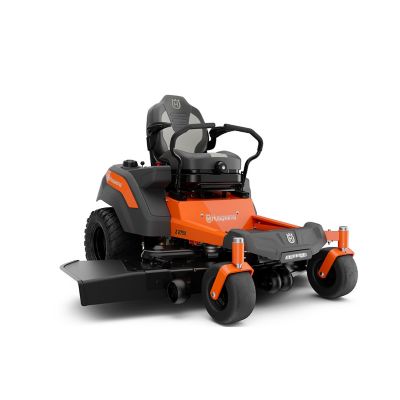
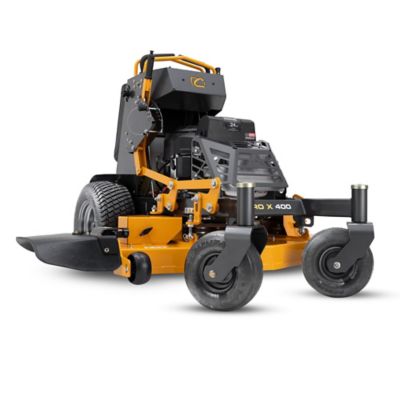
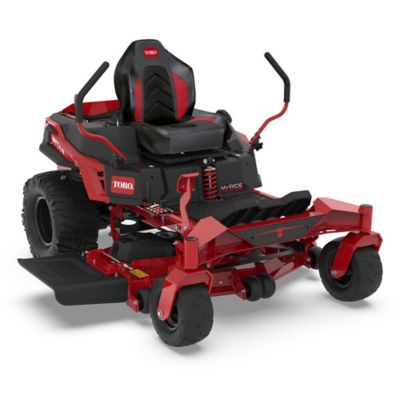
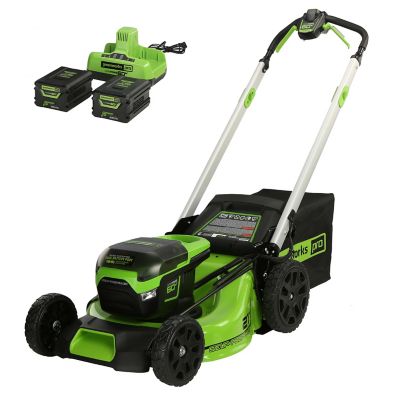
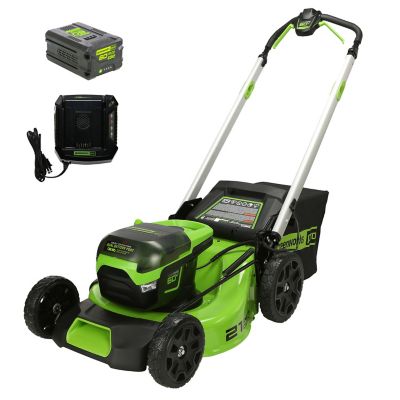
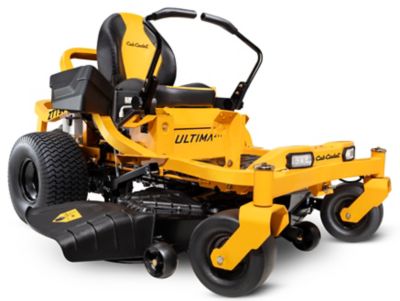
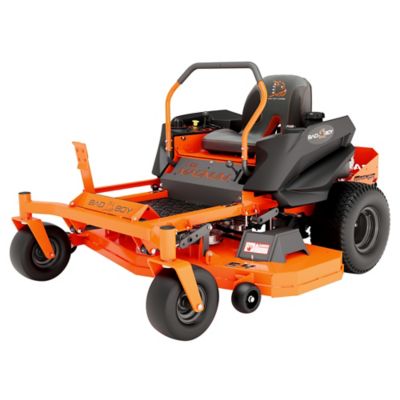
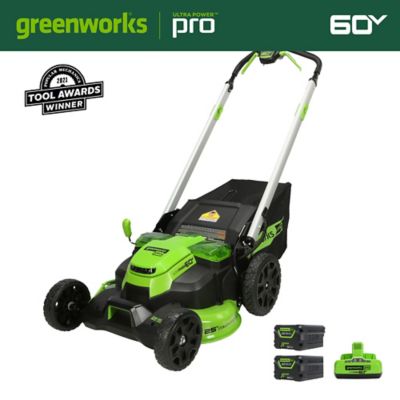
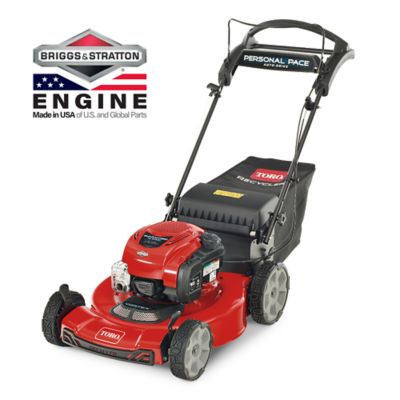
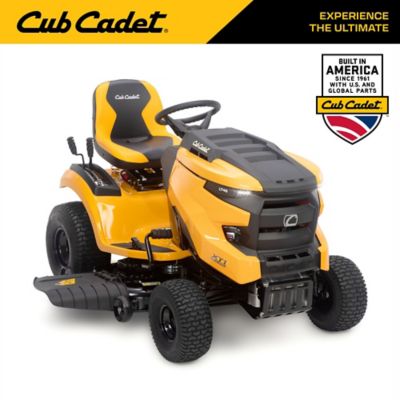
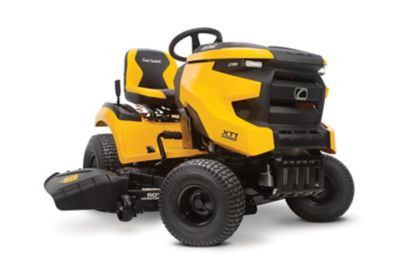
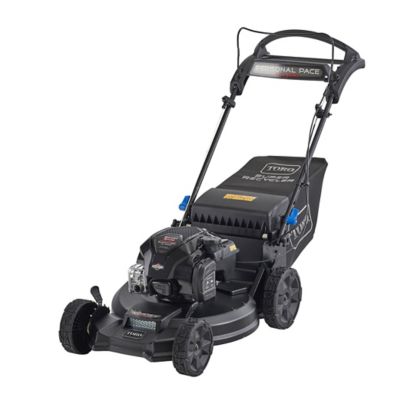
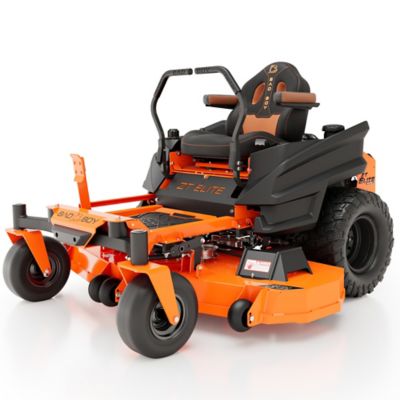
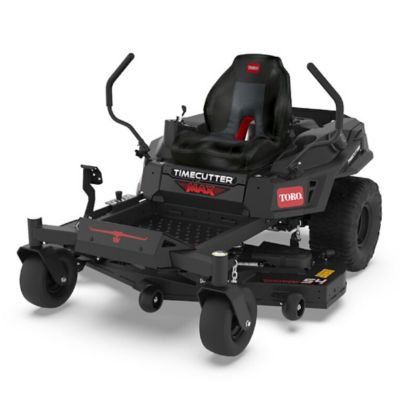
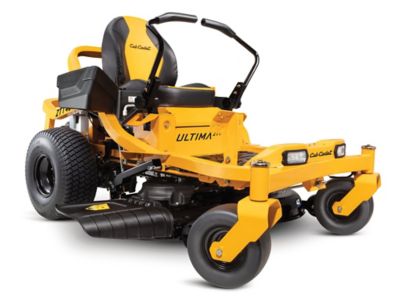
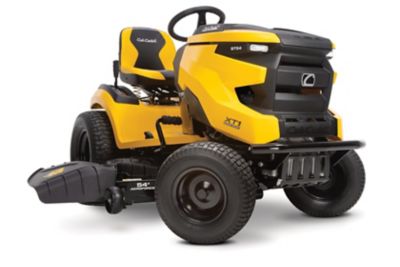
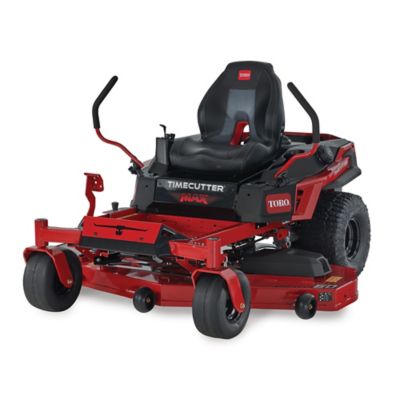
Lawn mowers for large property owners are best matched to the acres that actually need cutting, the shape and slope of the ground, and the operator’s preferred steering style. A wide cutting deck can reduce passes across an open lawn, while a more compact deck may make better sense where gates, trees and fence corners break up the route. Zero-turn mowers can cut down on turning and repositioning around obstacles on suitable terrain; steering-wheel lawn tractors offer familiar handling and, on properly equipped models, the ability to pull compatible lawn-care attachments. Neither style is the right fit for every piece of ground, and each machine’s slope limits matter more than its advertised travel speed. Total property acreage tells only part of the story. A five-acre homesite with woods, a pond and outbuildings may have far less grass to mow than a smaller parcel covered almost entirely in lawn. The distance between mowing areas matters, too, especially when the route runs from the house to a barnyard and back along a long driveway. Broad, clear stretches give a wider deck room to work, but a narrow opening beside the shed can determine whether that mower reaches the back lawn at all. Overall machine width, including the discharge chute where applicable, deserves attention alongside the stated cutting width. Room to turn at the end of a pass also affects how smoothly the job goes. A mower that fits the grass but barely fits the storage doorway can become a nuisance every time it comes out. These same acreage, access and terrain considerations help narrow the selection of
Lawn Mowers For Large Yards, whether the property has one broad lawn or several separate stretches connected by paths. The goal is a machine that handles the whole route comfortably, not simply the widest deck that fits on the main lawn. That balance can mean fewer awkward turns, less trimming along boundaries and a mowing routine that leaves time for the rest of the chores.
Construction and cutting features help separate a mower suited to repeated acreage work from one that is simply large. Steel decks come in different thicknesses and designs, including stamped and fabricated construction, but construction type alone does not tell the whole story. Deck support, spindle protection, service access and the manufacturer’s intended application all play a part in long-term ownership. A deck suspended beneath the machine needs to follow the lawn without repeatedly digging into uneven spots. Anti-scalp wheels can help limit turf scraping when properly adjusted, though they do not turn rough ground into smooth lawn. Cutting-height adjustment is especially handy on properties with different turf areas, where the grass around the house may call for a different finish than the broad strip along a fence. Sharp blades, a level deck and an appropriate mowing pace all contribute to an even cut; more engine power does not make up for dull blades or a deck packed with clippings. Power and drivetrain capacity matter most when considered with deck size, grass density and the work expected of the machine. Hydrostatic controls can make frequent speed changes easier around trees and buildings, while steering layout affects how the operator handles corners and long passes. Zero-turn maneuverability is helpful around scattered obstacles, but it is not permission to mow steep banks or work close to pond edges, ditches or drop-offs. Steering-wheel machines also have operating limits, and uneven ground calls for careful attention to traction and the operator’s manual rather than assumptions based on appearance. Mowing direction, allowable slopes and any rollover protection or seat-belt requirements should follow the instructions for that machine. Lawn mowers are intended for maintained turf, not woody growth, hidden debris or neglected pasture beyond their stated capabilities. For acreage owners, keeping that distinction clear helps match the equipment to the job without asking a lawn-cutting machine to do brush-clearing work.
Comfort, upkeep and storage become a bigger part of the decision when mowing takes more than a quick lap around the house. A supportive seat, useful adjustment range and controls within easy reach can make long stretches behind the mower less tiring. Foot space, clear sightlines toward the deck edges and a mounting position that suits the operator deserve attention, particularly when more than one person shares mowing duties. Armrests and suspension features may add comfort, but proper fit starts with reaching the controls without stretching or sitting awkwardly. Gas-powered and battery-powered riding mowers also bring different ownership routines. Gas engines need the specified fuel, oil and scheduled engine service; battery-powered machines need compatible charging equipment, suitable electrical access and charging and storage practices that follow the manufacturer’s directions. For either power source, working time depends on the machine and the mowing conditions, including grass density, deck load and travel demands. A clear maintenance schedule is more useful than expecting any mower to run without attention. Accessible service points, replaceable blades and belts where applicable, and straightforward deck-cleaning access can make routine care less of a chore. Before cleaning, clearing clogs or servicing cutting components, the mower needs to be shut down and secured against accidental starting according to its manual. Grass buildup beneath the deck can interfere with cutting and discharge, while damaged blades, loose hardware and incorrect tire pressure can affect operation. Regular checks help catch those problems before the next long mowing session. Storage space should accommodate the whole machine with room to get on and off, reach service areas and connect charging equipment if needed. Compatible bagging, mulching or towing equipment can broaden a mower’s role, but attachment ratings and installation requirements still govern what it can handle. For homeowners tending a roomy lawn, small-acreage owners maintaining the grounds around a barn, or families sharing property chores, a well-matched mower brings cutting capacity, manageable handling and practical care together in one hardworking piece of equipment.