


Fall Beehive Preparation Supplies
When the honey harvest winds down, it's time to check what your colonies need for cooler days. Shop fall beehive preparation supplies at Tractor Supply, from entrance hardware and feeders to supplemental feed and weather-protective hive parts. Start with a hive inspection, check food stores and equipment fit, then round up what's missing before cold weather settles in.
Shop 3 Collections
Harvest Lane Honey
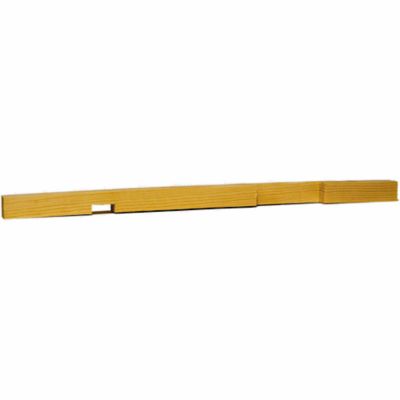
Harvest Lane Honey Wooden Beehive Entrance Reducer
A wooden beehive entrance reducer with multiple gap options for Langstroth beehives.
What customers like:
Limits pest intrusion
Reliable
Good fit
Long-lasting
Inexpensive
$2.99
$2.99
SALE
Mellivo
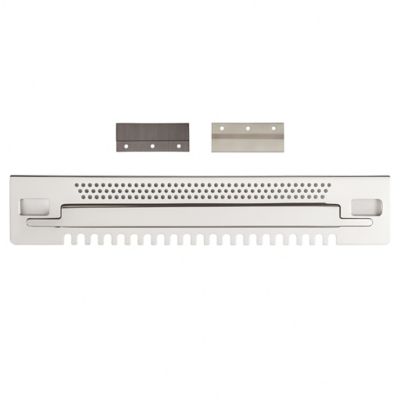
Mellivo Mouse Guard
A galvanized steel guard that keeps mice out of beehives while allowing bees and airflow through.
$9.99
$9.99
SALE
Harvest Lane Honey
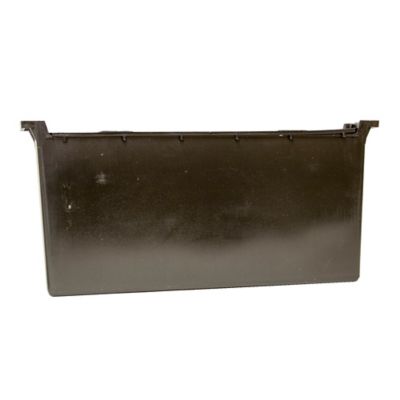
Harvest Lane Honey 96 oz. Beehive In Hive Feeder
A 96 oz. beehive in-hive feeder made from plastic, with ladders to prevent drowning in bees.
What customers like:
Versatile and convenient
Durable and well-made
Good value for money
Easy to clean and use
Suitable for various weather conditions
$12.99
$12.99
SALE
Harvest Lane Honey
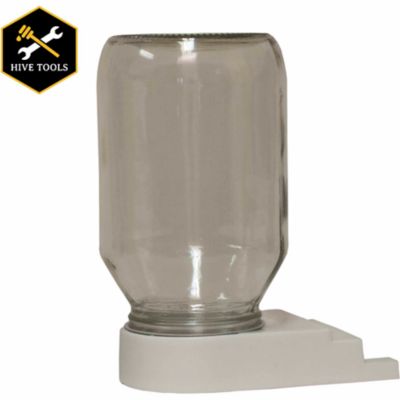
Harvest Lane Honey 1 qt. Glass Jar Beehive Entrance Feeder
A plastic hive entrance feeder with a glass jar, designed for outdoor use.
What customers like:
Attracts bees
Well priced
Good quality
Serves its purpose
Easy to use
$9.99
$9.99
SALE
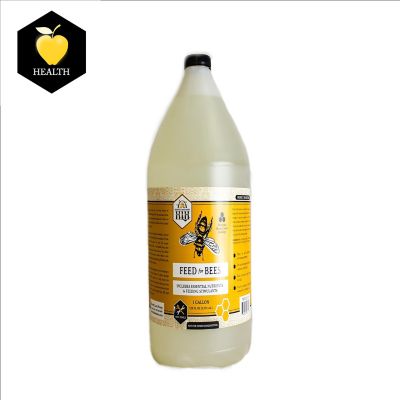
Harvest Lane Honey
Harvest Lane Honey 1 gal. Liquid Bee Feed with Essential Oils
A liquid bee feed with essential oils that encourages healthy hive building and can be used during times of dearth or weakness.
What customers like:
Compact size and portability
High quality and durability
Convenient feeding for multiple cats
Good results and improved fur quality
Effective and reliable performance
$16.99
$16.99
SALE
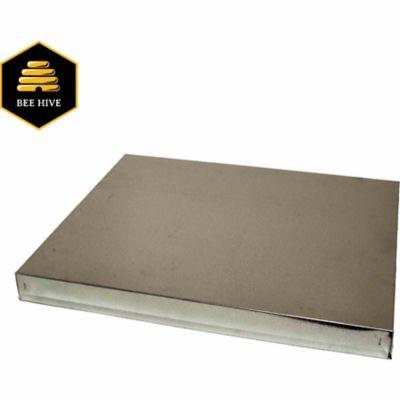
Harvest Lane Honey
Harvest Lane Honey Wooden/Steel Wasatch Telescoping Flat Beehive Top
A durable, galvanized steel and wooden beehive top with a drip edge for weather protection.
What customers like:
Good quality and appearance
Sturdy and durable construction
Reasonable price
Versatile and convenient design
Timely delivery and good customer service
$39.99
$39.99
SALE
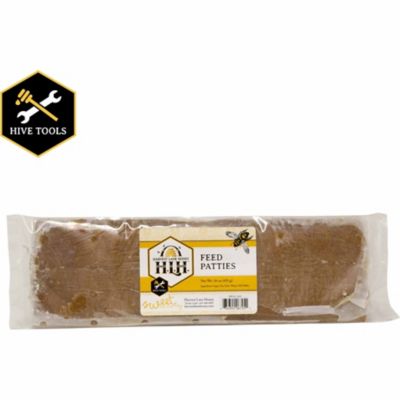
Harvest Lane Honey
Harvest Lane Honey 1 lb. Bee Feeding Patties
A nutritious bee food to nourish hives during spring build-up and times of dearth.
What customers like:
Bees consumed it quickly
Stimulates brood making
Bees loved them
Great price
Easy to use
$4.99
$4.99
SALE
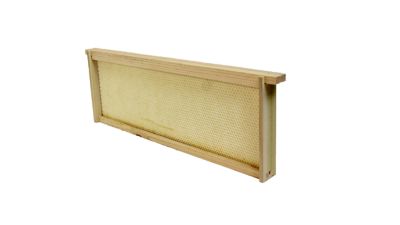
Harvest Lane Honey
Harvest Lane Honey Medium Beehive Frames Assembled with Medium Plastic Foundation, 5 ct.
A set of 5 medium beehive frames with plastic foundation, resistant to wax moths and easy to use.
What customers like:
Removes stains
Dogs love them
Accuracy
Ease of setup
Works great
$21.99
$21.99
SALE
Harvest Lane Honey
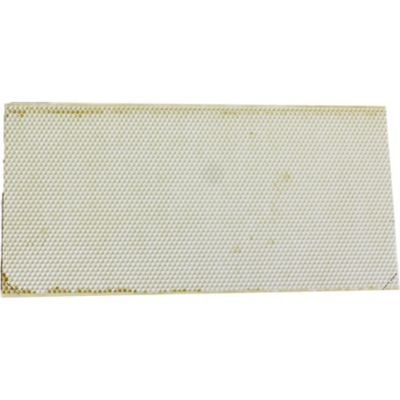
Harvest Lane Honey Deep Beehive Plastic Foundation, 5 ct.
A pack of 5 deep beehive plastic foundations with wax moth resistance and textured cell pattern.
What customers like:
Fit
Convenience
Quality
Durability
Coverage
$11.99
$11.99
SALE
Harvest Lane Honey
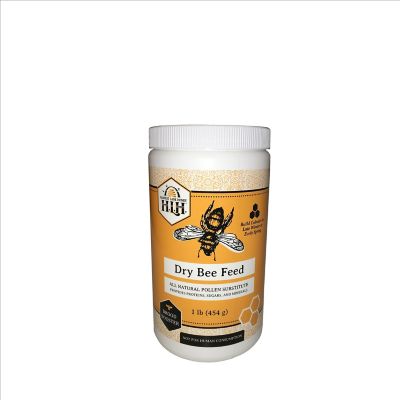
Harvest Lane Honey 1 lb. All-Natural Pollen Substitute Dry Bee Feed
A natural pollen substitute dry bee feed that provides essential nutrients for bees to build colonies and increase brood production.
$12.99
$12.99
SALE
Harvest Lane Honey
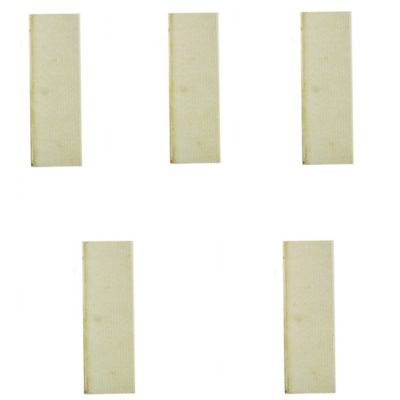
Harvest Lane Honey Medium Beehive Plastic Foundation, 5 ct.
A durable and long-lasting beehive foundation with a textured cell pattern and 100% beeswax coating.
$11.99
$11.99
SALE
Mellivo
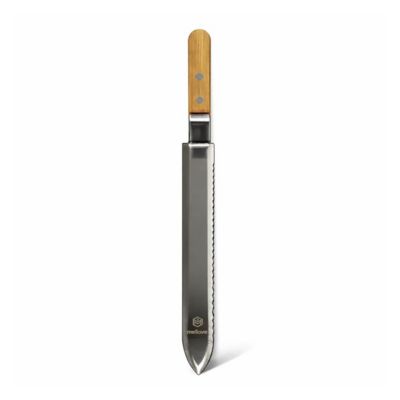
Mellivo Cold Knife
A lightweight tool with a Z-shaped stainless steel blade and beechwood handle for precise hive cleaning.
$9.99
$9.99
SALE
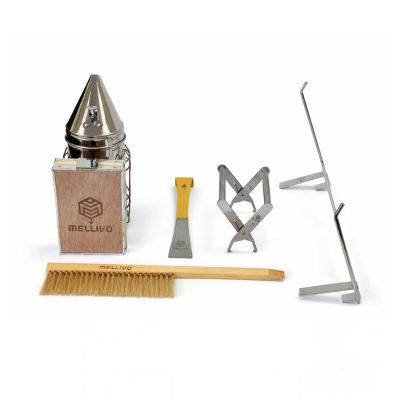
Mellivo
Mellivo 5 Tool Starter Kit
A comprehensive beekeeping starter kit featuring durable stainless steel tools and a soft-bristle brush.
$74.99
$74.99
SALE
FAQ
Start assessing colonies after your main honey harvest, while there's still time to address low food stores, equipment repairs and mite concerns. September can be a useful checkpoint in many areas, but colder regions may need an earlier start. Plan around local nectar flow and temperatures rather than waiting for the first frost.
Let your inspection guide the shopping list. For a smaller entrance that bees can defend more easily, browse beehive entrance reducers. If food stores need attention, compare bee feeds and choose a compatible feeder. For a damaged roof or better protection from rain, check beehive tops and covers. A mouse guard serves a separate purpose: helping keep rodents out while allowing bees through.
An in-hive feeder keeps feed inside the colony and is generally a better choice when robbing pressure is high. The Harvest Lane Honey 96 oz. model replaces one frame in a brood/deep box and includes a cap and ladders. An entrance feeder makes the feed level easy to see, but exposed syrup can draw robbing bees during a nectar shortage. Check fit, prevent leaks and follow the feeder instructions.
No. Base feeding on stored honey, colony size, available forage and local winter needs. Feed only after removing honey supers intended for harvest, and follow the feed label. Liquid feed requires temperatures warm enough for bees to take it; pollen substitutes serve a different nutritional purpose and aren't a replacement for winter carbohydrate stores. Ask a local beekeeping adviser which feeding approach fits your conditions.
Confirm the hive style, frame count and actual measurements before buying. Eight-frame and 10-frame equipment aren't interchangeable, and feeder clearance matters too. For example, the Harvest Lane Honey Wasatch telescoping top is designed for a standard 10-frame Langstroth hive. Check entrance hardware against the opening and make sure the assembled setup leaves room for bee traffic.