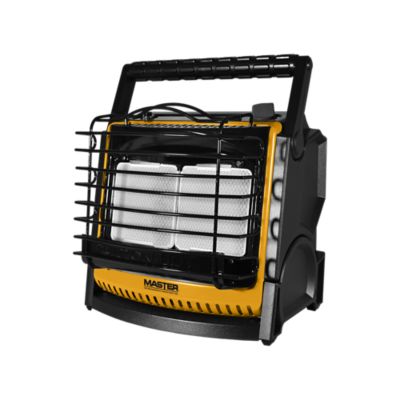
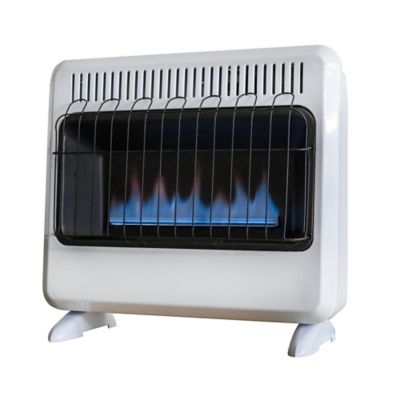
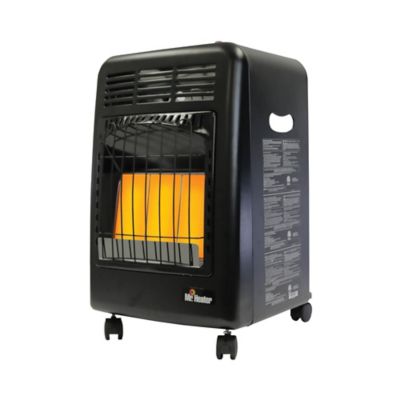
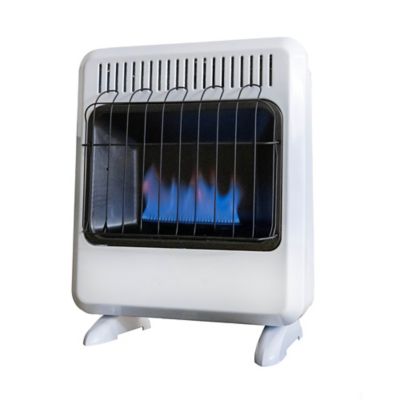
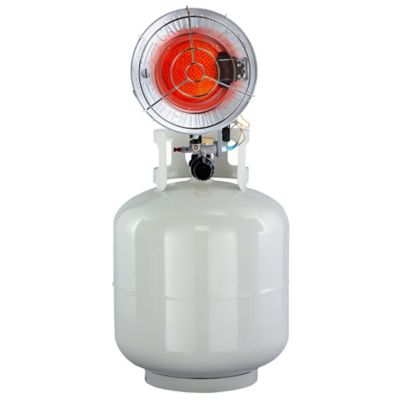
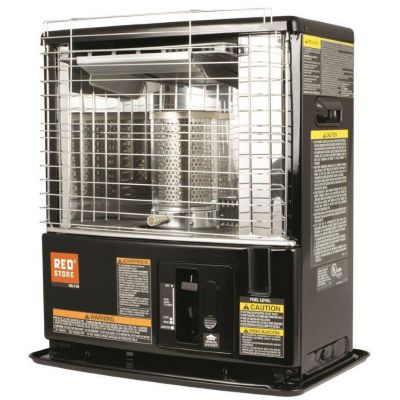
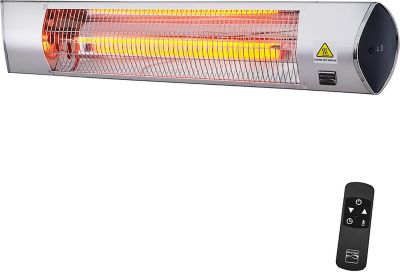
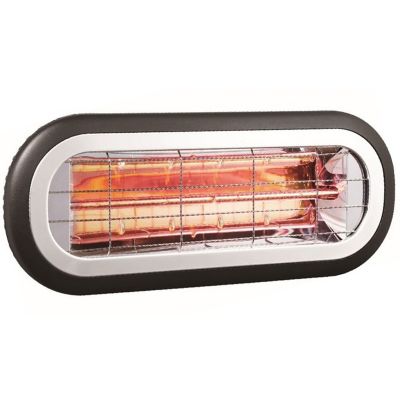
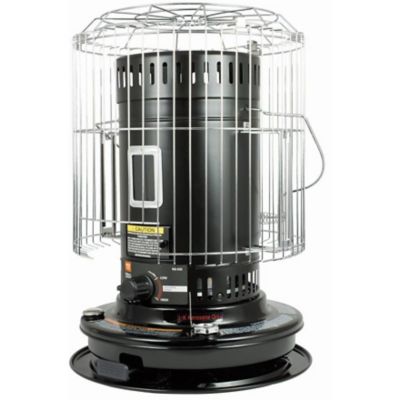
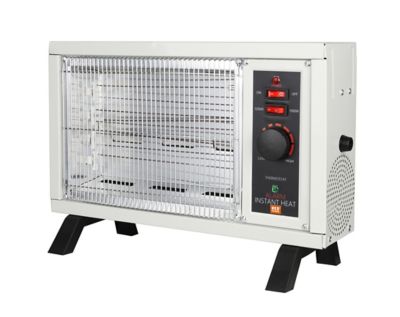
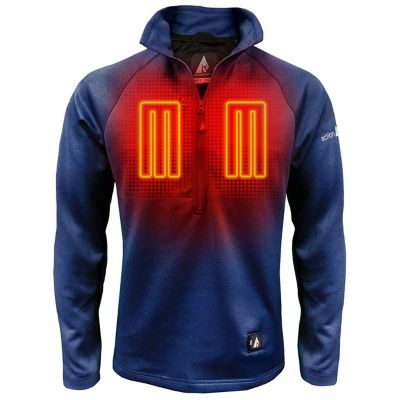
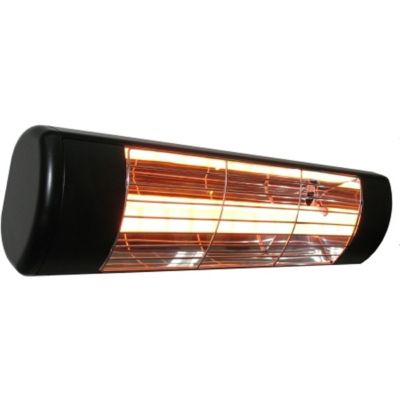
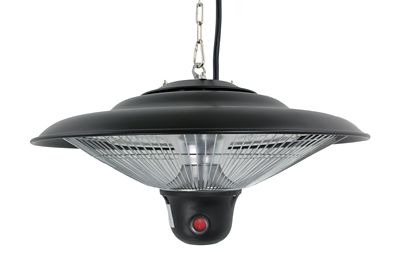
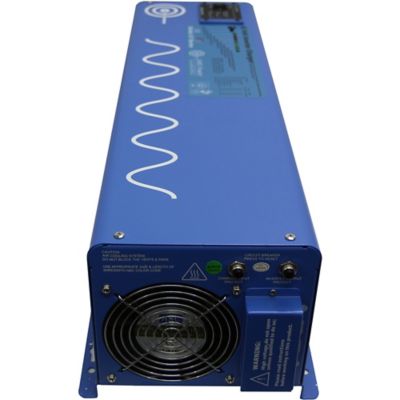
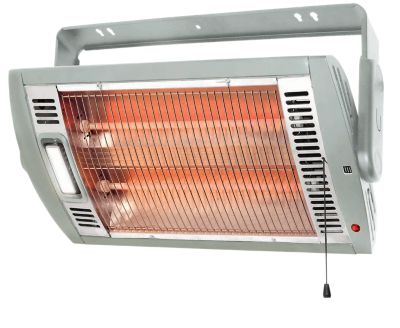
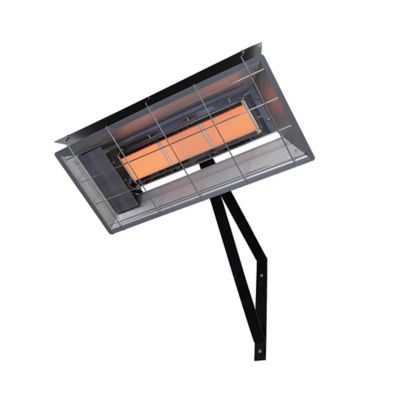
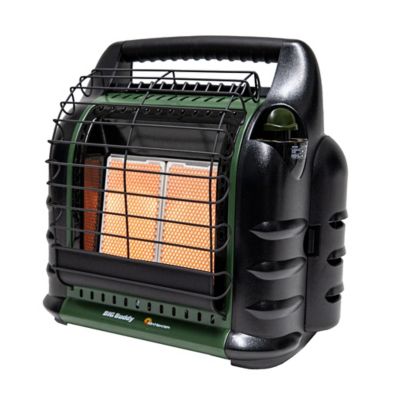
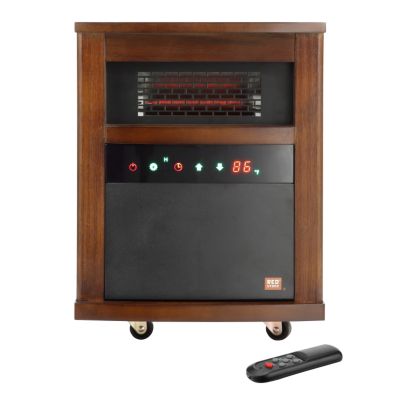
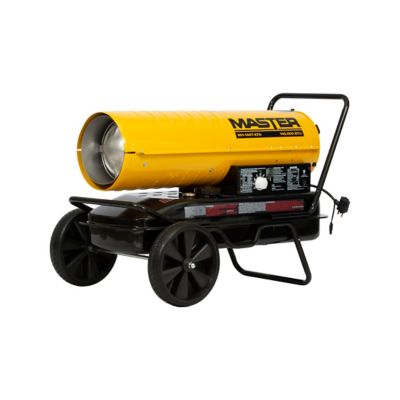
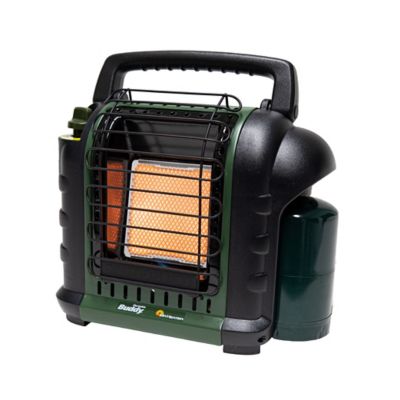
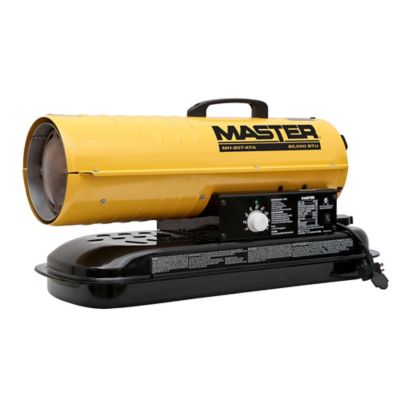
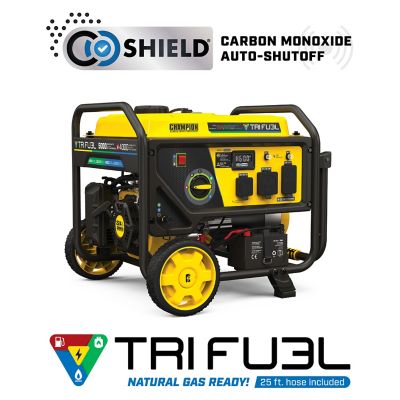
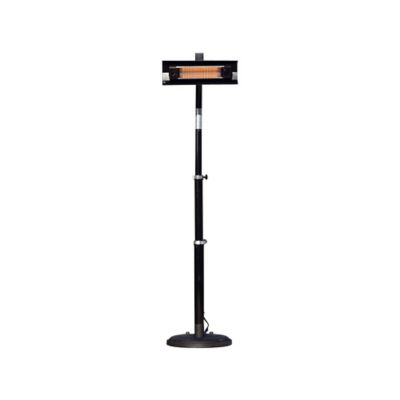
When the power goes out during the cooler months, a dependable heat source can make the house feel a whole lot more manageable. Heaters for power outages are useful for farmhouses, cabins, workshops, hunting camps, garages, barns with people or livestock nearby, and any home where a winter storm or downed line may leave the furnace fan without electricity. The right choice depends on the space, the fuel you can store, and how long you may need to stay without grid power. Portable propane heaters made specifically for indoor use are a popular option because they can provide steady warmth without relying on household electricity. Kerosene heaters can cover larger areas and offer long run times when properly fueled, while a wood-burning stove or fireplace may provide reliable radiant heat in a home that is already equipped for it. Electric heaters can still be useful when paired with a properly rated generator or battery power station, though high-wattage heating appliances can drain backup power quickly. A small room heater may warm a confined area, but it generally will not heat an entire home through closed doors and separate rooms. For a closer look at fuel-powered options, browse
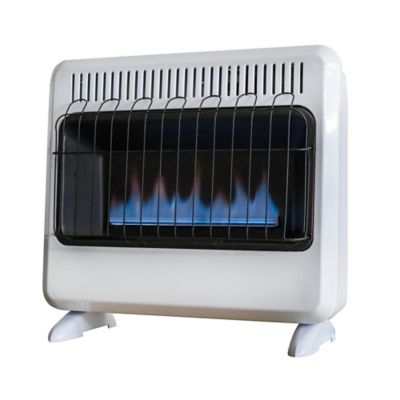
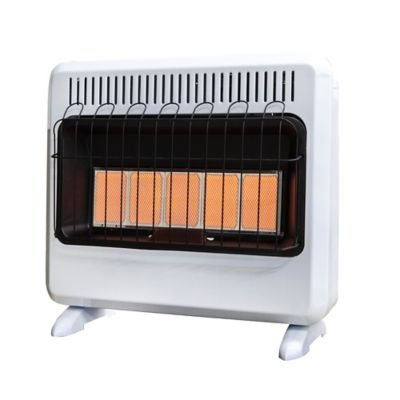
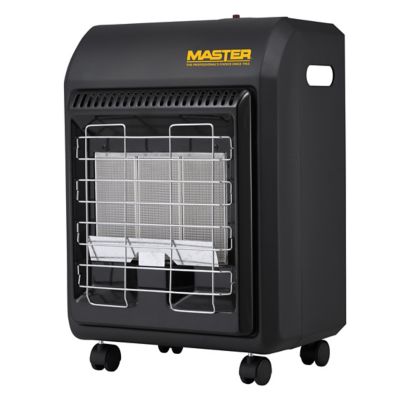
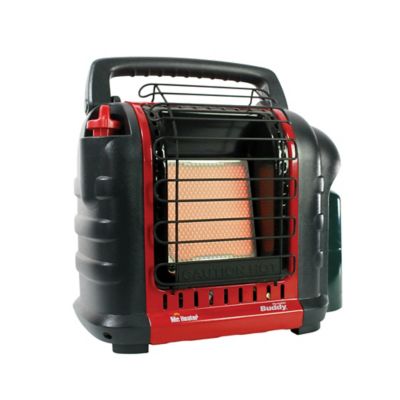
Emergency Propane Heaters and compare the features that fit your emergency setup.
Safety should come before heat output, especially when a heater burns propane, kerosene, or another fuel inside or near a living space. Only use a fuel-burning heater that is clearly rated by the manufacturer for the location where it will operate, and follow every clearance, ventilation, fueling, and operating instruction in the manual. Outdoor heaters, grills, camp stoves, and other appliances not approved for indoor use should never be brought into a house, garage, tent, shed, or enclosed porch. Burning fuel can create carbon monoxide, an invisible, odorless gas that can become dangerous without warning, so keep working carbon monoxide detectors on every level and near sleeping areas, and check their batteries before cold weather settles in. Good ventilation may be required even with an indoor-rated heater; open vents or windows only as directed by the manufacturer, and never block an appliance’s air intake or exhaust. Set the heater on a solid, level, nonflammable surface with plenty of room around it. Keep bedding, curtains, feed bags, clothing, paper, hay, straw, and other combustibles well away from the heat source, and use a tip-over shutoff and low-oxygen safety feature when available. Refuel only as directed, with the heater turned off and cooled, and store fuel in approved containers away from living areas and ignition sources. A heater with an adjustable thermostat, multiple heat settings, a sturdy handle, and a clear fuel gauge can be easier to manage when hands are cold or the lights are out. Before an emergency, run a brief test according to the instructions so everyone in the household knows where it belongs, how it starts, and how to shut it down.
Choosing a heater is mostly a matter of matching the equipment to the space and the people who will depend on it. Measure the room or area, review the heater’s stated coverage, and remember that an open floor plan, high ceilings, drafty windows, and uninsulated walls can make a space harder to warm. Many families choose to close off unused rooms and gather in one smaller room, where a properly rated heater can work more efficiently. Roll towels along drafty door bottoms, close curtains, and dress in layers with warm socks, hats, and insulated clothing to help hold onto body heat. Heavy blankets, sleeping bags, and thermal covers provide another layer of backup if fuel runs low or the heater needs to be turned off while everyone sleeps. Households with children, older adults, pets, or anyone who has trouble feeling the cold may want easy-to-carry controls, stable construction, and a heater that can be monitored without constant adjustment. On a farm or rural property, it also helps to plan for animals: never place a household heater in a stall, coop, or other animal area unless it is specifically designed and approved for that use, and keep cords, fuel, and hot surfaces away from curious noses and bedding. A portable heater can also be a practical gift for someone settling into a new house, preparing a hunting cabin, caring for a workshop, or building an emergency supply shelf, especially when paired with fresh batteries for detectors, approved fuel storage, warm blankets, and a written safety checklist. Keep backup heat where it is easy to reach, protect it from moisture and damage, and replace aging hoses, seals, batteries, or fuel as recommended. With the right size, safe fuel plan, and a few simple ways to retain warmth, a power outage is easier to handle from the first chilly evening through the return of dependable electricity.