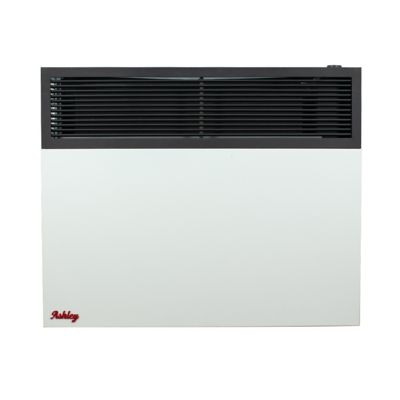
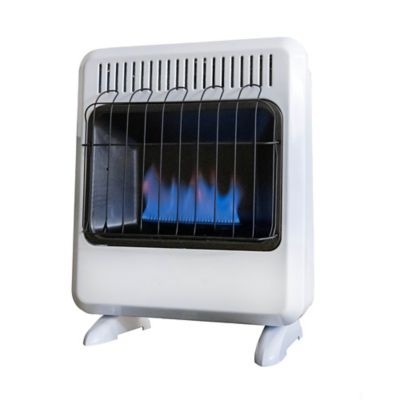
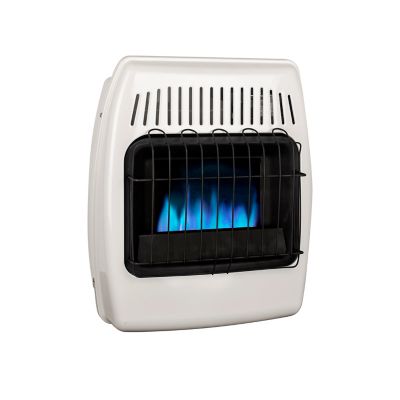
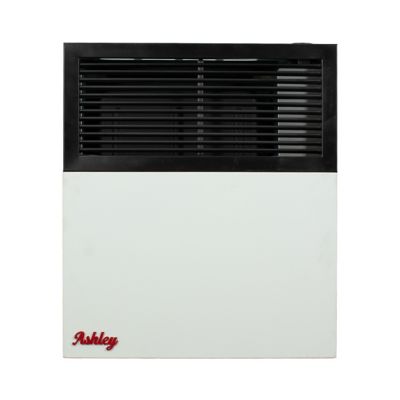
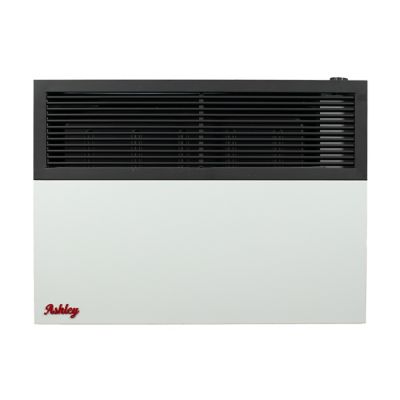
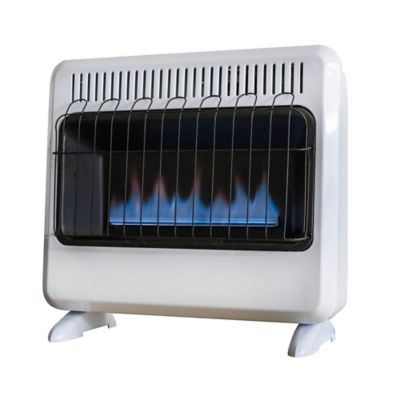
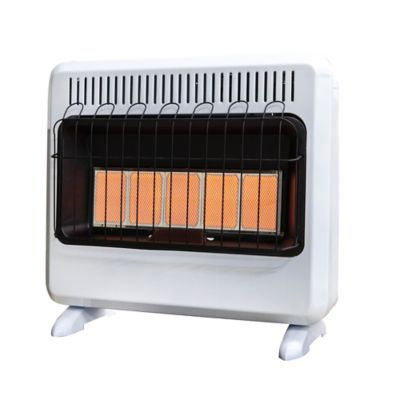
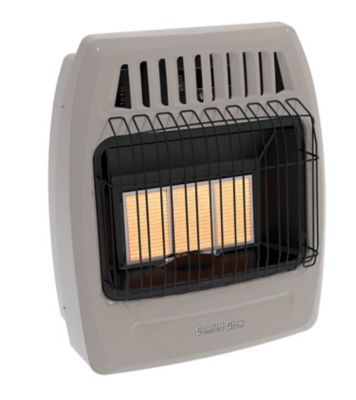
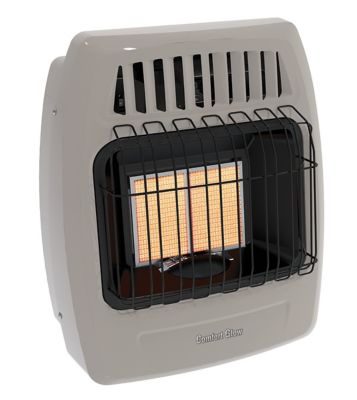
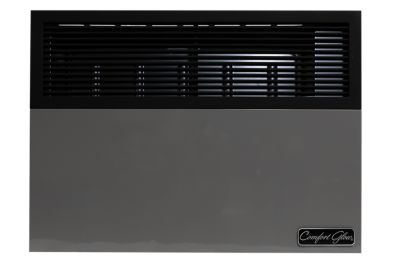
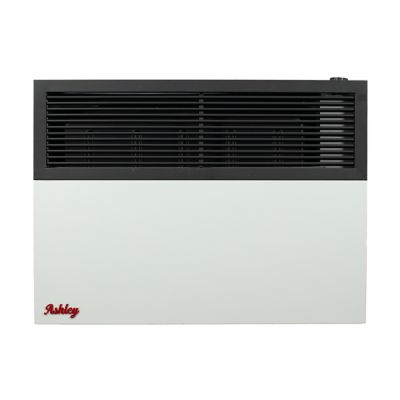
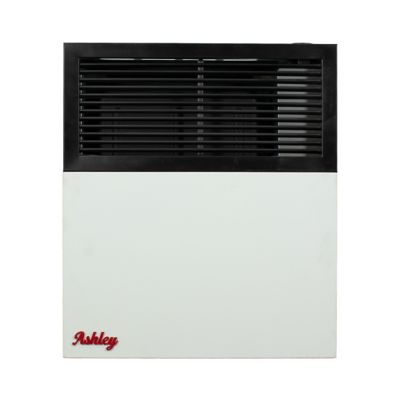
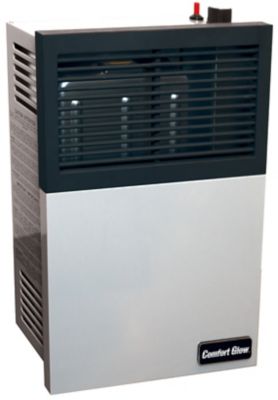
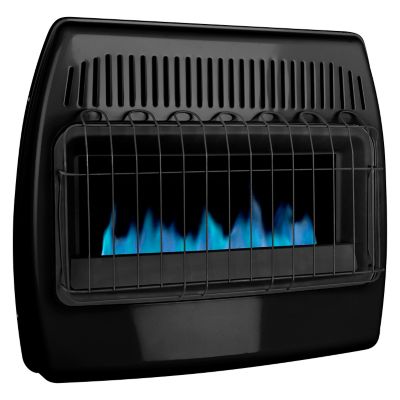
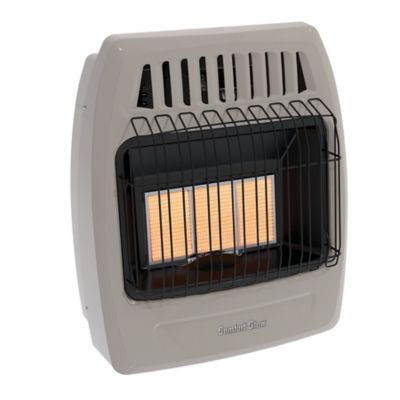
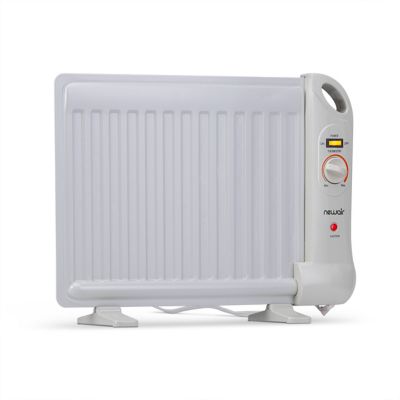
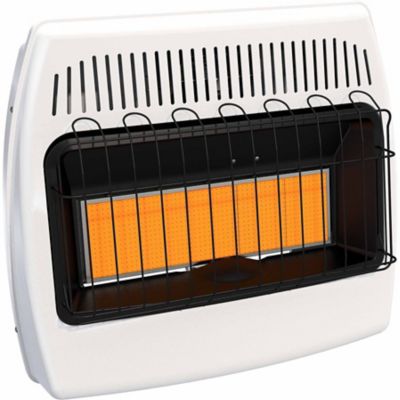
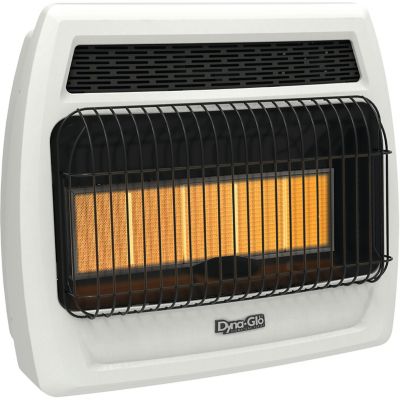
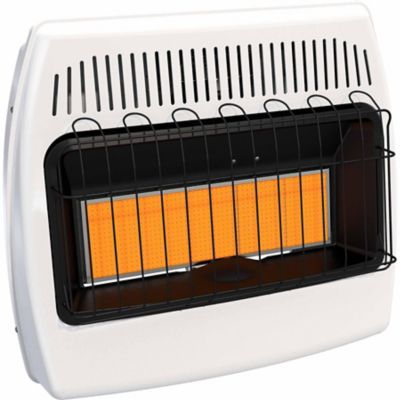
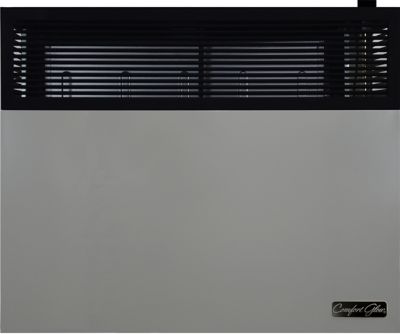
Propane gas wall heaters are wall-mounted heating appliances that burn liquid propane to provide warmth in a room or defined area. They can serve as supplemental heat in a home or as a heating source for a cabin or workroom when the appliance is approved for that location. Mounting a heater on the wall keeps the floor clear, which can make a difference in a compact room where every square foot has a job. A heater near a cabin’s sitting area, for example, serves a different purpose than one warming a large room with tall ceilings and frequently opened doors. Room dimensions, insulation, window condition, ceiling height and outdoor temperatures all affect the heating capacity a space needs. BTU-per-hour ratings help describe capacity, but square-footage estimates alone do not account for drafty walls or an open stairwell that lets heat rise into another part of the building. Proper sizing helps a heater maintain a comfortable space without frequent on-and-off cycling or long stretches of struggling to reach the thermostat setting. Propane wall heaters also deliver warmth in different ways. Radiant designs warm nearby people and surfaces directly, while convection designs primarily warm air that circulates through the room. The right fit depends on whether the goal is warmth around a seating area or a more even temperature throughout an enclosed space. Wall dimensions matter, too: the cabinet needs room for required clearances, accessible controls and service access. Metal cabinets, protective grilles and appliance finishes are practical construction features to consider, especially in spaces where boots, coats and everyday traffic pass nearby. A wall-mounted design still needs protection from bumps, and its front surface can become hot. Placement should keep children, pets, furniture and hanging clothing away from the appliance without blocking the room’s normal walking paths.
Venting is one of the biggest differences among propane gas wall heaters because it determines how combustion air reaches the burner and where exhaust goes. For rooms with a suitable exterior-wall location,
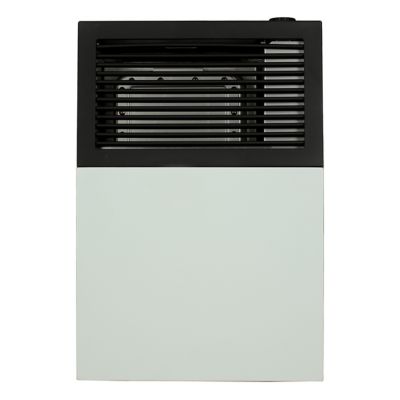
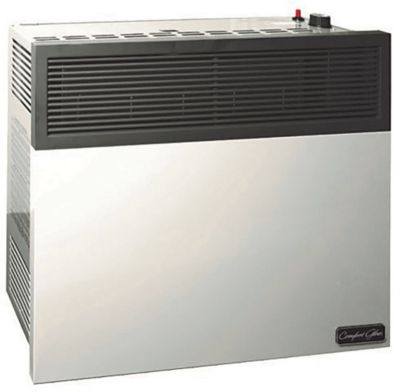
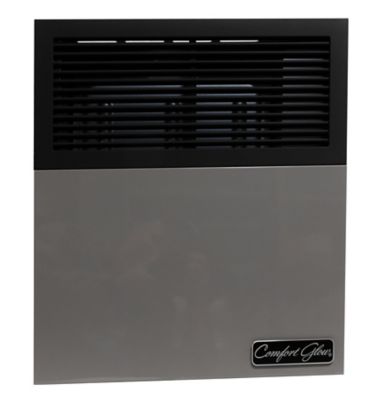
Propane Direct Vent Heaters draw combustion air from outdoors and discharge exhaust outside through a sealed vent system. That arrangement separates the combustion process from room air, but it still requires a vent route and exterior termination that meet the appliance instructions and local codes. Windows, doors, roof overhangs and nearby obstructions can affect where a vent may terminate. Other vented designs have their own approved venting requirements; an existing chimney or wall opening is not automatically a suitable connection. Vent-free propane wall heaters release combustion byproducts, including water vapor, into the room and have specific requirements for room size, combustion air and installation location. They are not permitted in every jurisdiction or every room, and restrictions can apply to bedrooms, bathrooms and tightly enclosed spaces. An oxygen depletion shutoff is not a carbon monoxide detector and does not replace required ventilation or household carbon monoxide alarms. These differences make the heater’s installation manual and local requirements just as important as its dimensions or heat rating. A qualified installer can evaluate the room, wall construction, fuel supply and venting before installation. Propane appliances need the correct gas pressure, regulator arrangement and supply-line capacity, with outdoor propane storage positioned according to applicable requirements. A natural gas appliance is not interchangeable with a propane appliance unless the manufacturer expressly allows conversion with the specified components and procedures. Manufactured homes, recreational vehicles and similar spaces also have separate approval requirements, so a general room-heating description does not establish suitability. In a workshop or garage, the appliance must be approved for the setting and installed away from gasoline, solvents, combustible dust and other ignition hazards. Required mounting height and clearances depend on the appliance and governing codes, not simply on where an open patch of wall happens to be.
Controls and operating features shape how a propane wall heater fits into everyday life. A thermostat can help maintain a selected room temperature, while manual heat settings provide a different level of control. Control placement matters when the heater sits near a doorway, beneath a window or along a narrow wall, since settings should remain reachable without leaning over hot surfaces. Ignition systems also vary. Some heaters can operate without household electricity, while others need power for ignition, controls or a circulating blower. A propane connection alone does not guarantee heat during an outage; that capability depends on the complete appliance design. Optional or built-in fans can help move warmed air, but their electrical needs and operating sound are worth considering in a quiet bedroom-adjacent space or small cabin. Wall construction is another practical concern. Mounting brackets need the support specified by the manufacturer, whether that means framing, approved backing or suitable masonry fasteners. A substantial cabinet cannot depend on a wall finish alone for support. Over time, keeping air openings and accessible exterior surfaces free of dust helps support proper operation. Cleaning should follow the appliance instructions, with the heater shut down and cool, and without spraying cleaners into burners, controls or gas components. Periodic professional service can address burner condition, gas connections, ignition components and venting where present. Rust, loose mounting points, unusual soot or changes in operation call for attention rather than continued operation. Outdoor vent openings also need to remain clear of snow, leaves, nesting material and other obstructions. For a cabin visited only occasionally, a room heater should not be assumed to protect every pipe or distant room from freezing. Its job is to heat the space it is sized and approved to serve. Matching capacity, venting, mounting requirements and controls to that space makes propane wall heat a practical part of a well-planned heating setup.