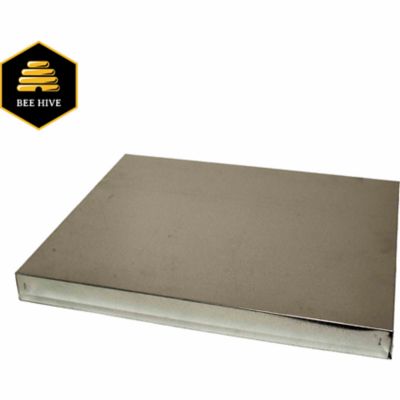
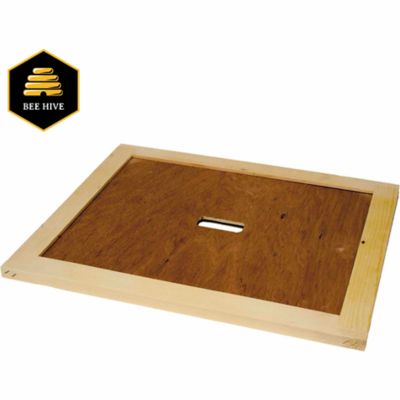
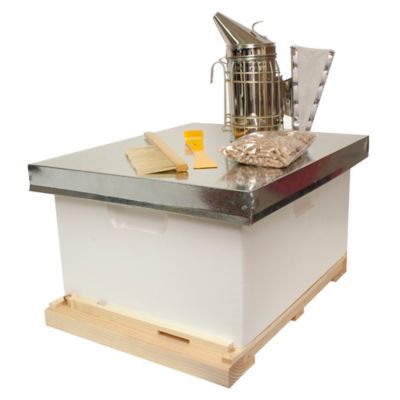
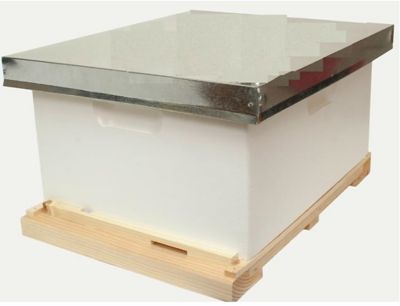
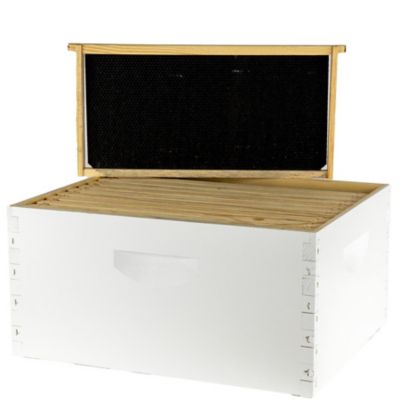
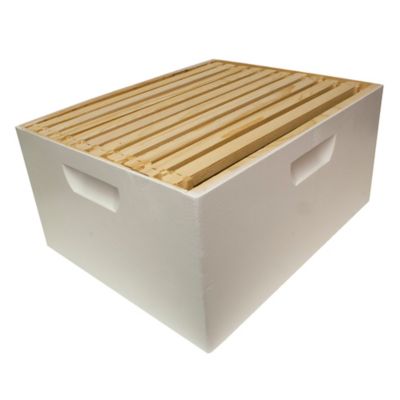
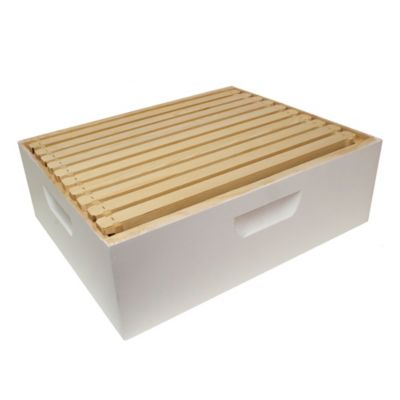
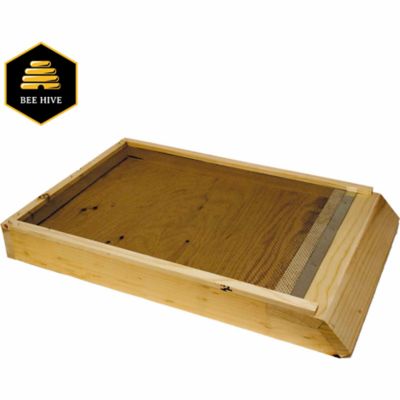
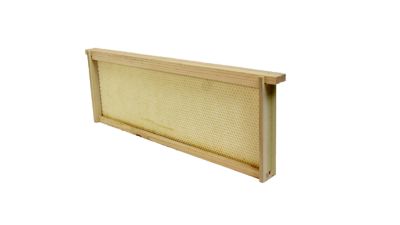
Beehive tops and covers finish off the hive stack, helping keep the colony’s living space enclosed while giving the beekeeper a practical way to reach the boxes below. For someone tending a few colonies behind the barn or managing a larger bee yard, that top assembly gets handled often. It comes off for inspections, goes back on after feeding and needs to fit properly each time without rocking across the box rim. Different cover styles serve different setups, so the distinction between an inner cover and an outer cover matters. An inner cover sits beneath the outer lid and creates a separation between the hive body and the roof. Depending on its design, it may include a center opening for compatible feeding equipment or a bee escape, along with a notch that can provide an upper opening. Not every inner cover has the same features, and its orientation can affect how those openings function. A telescoping outer cover has edges that extend down around the top of the hive, overlapping the box or inner cover beneath it. That overlapping shape makes it a familiar choice for stationary hives where neighboring colonies have some room between them. A migratory cover generally has a flatter profile without the same side overlap, allowing hive boxes to sit closer together when the arrangement calls for it. These styles are not interchangeable in every setup, especially when feeders, shims or other components sit above the frames. Fit starts with the hive’s actual outside dimensions, not just a familiar-looking shape. Eight-frame and ten-frame equipment require different widths, and hive bodies from different construction systems may have other dimensional differences. The relationship between the lid, rim and uppermost box affects both seating and access. A cover that matches the equipment beneath it makes the whole stack easier to work with, whether the hive stands beside a pasture fence or in a dedicated apiary.
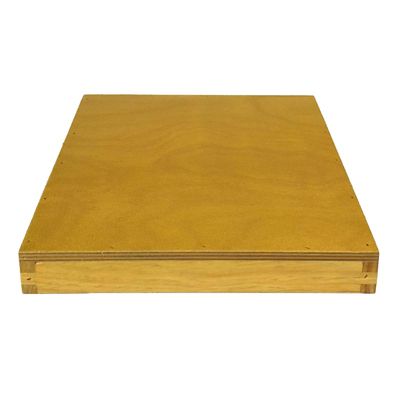
Materials make a noticeable difference in how beehive tops and covers handle, wear and respond to regular maintenance. Solid wood rims offer a substantial edge for lifting and seating, while plywood panels can form broad, flat surfaces without requiring a single wide board. Construction details matter as much as the material name: panel thickness, corner joints, fasteners and the attachment between the rim and top all contribute to how well a cover holds its shape through repeated handling. Metal-capped outer covers add a protective surface over the panel beneath them, though bent corners or lifted edges can make a lid awkward to grasp. Molded plastic designs have a different feel and care routine, with their own requirements for support, cleaning and compatibility. Weight is another practical consideration. A heavier lid may feel substantial on the hive, but it also takes more effort to lift from a tall stack while wearing gloves. A lighter cover can be easier to manage, although any hive that needs restraint still requires an appropriate securing arrangement rather than relying on lid weight alone. In a working bee yard, covers may rest on a stand during an inspection or serve as a temporary landing place for equipment, so smooth edges and sound joints are worth a close look. Propolis can build up where hive components meet, making separation harder over time. Cover construction that tolerates routine hive-tool handling can help limit damage around those contact points. Care needs vary by material and finish; wooden surfaces may need attention to exposed edges, while metal surfaces benefit from checks for loose attachments and sharp spots. Cleaning also calls for attention to the colony’s surroundings, since treatments suitable for ordinary outdoor equipment may not belong near bees or hive interiors. Between colonies, the condition and health history of any equipment matter alongside its appearance. Sound surfaces, intact rims and a lid that still sits squarely are more meaningful than a freshly painted finish.
The right top arrangement also depends on how the hive functions as a complete system. A backyard beekeeper making frequent inspections may appreciate a cover that lifts cleanly and returns to position without a struggle, while someone moving colonies has to consider clearance between stacks and compatibility with transport restraints. Taller hive stacks bring their own handling concerns, especially when the upper box is near shoulder height. Even a well-fitting lid can become awkward if its rim offers little grip or if nearby equipment leaves no room to lift it straight off. Feeders, upper entrances, spacers and other additions can change the height and shape of the assembly beneath the cover, so matching those pieces helps prevent gaps or interference. Space above the frames deserves attention, too. Extra room is not automatically helpful; depending on its size and purpose, an unintended gap can encourage bees to build comb where the beekeeper needs clear access. At the other end of the hive,
Beehive Entrance Reducers address the size of the lower opening, complementing a broader setup in which entrances, upper openings and covers each have a separate job. Neither a lid nor an entrance component replaces sound colony management, and hive openings should suit the equipment arrangement and the colony’s needs rather than simply closing every gap. For a new beekeeper, understanding these connections makes tops and covers easier to compare without treating every lid as the same piece of equipment. For an experienced keeper, matching an established hive system can simplify repairs, replacements and the rotation of equipment between compatible stacks. Tops and covers can also make a practical gift for someone building out a bee yard, provided the recipient’s hive dimensions and preferred cover style are known beforehand. The best match is one that belongs on the existing setup: the correct footprint, suitable clearance, manageable weight and construction that stands up to the ordinary work of lifting, setting down and opening the hive again.