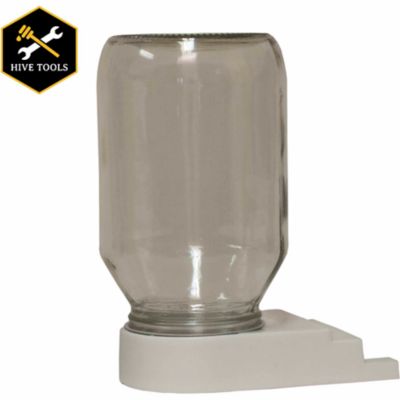
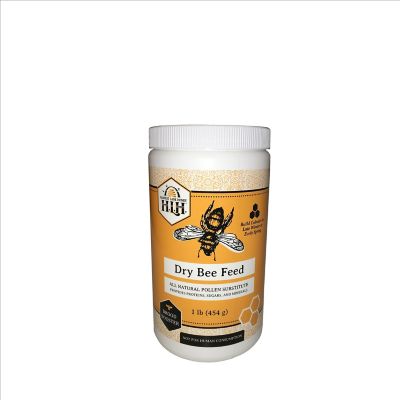
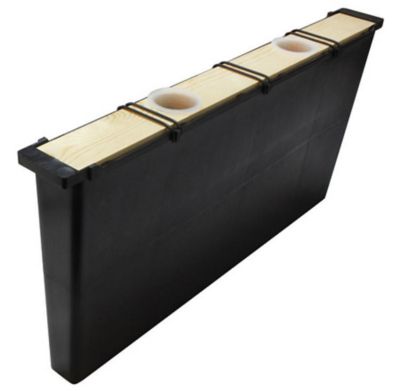
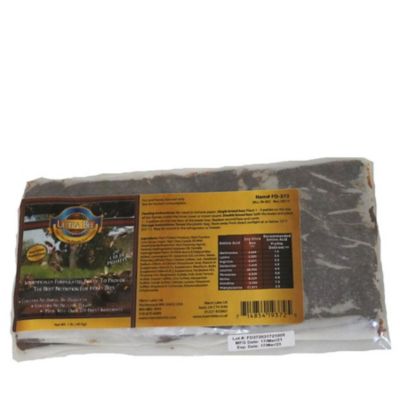
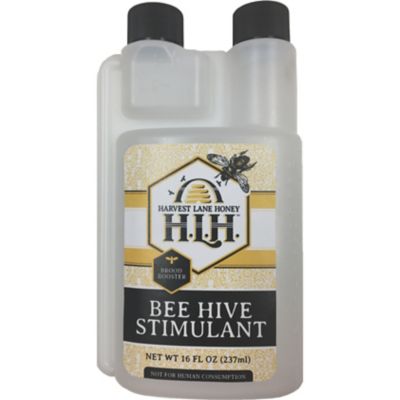
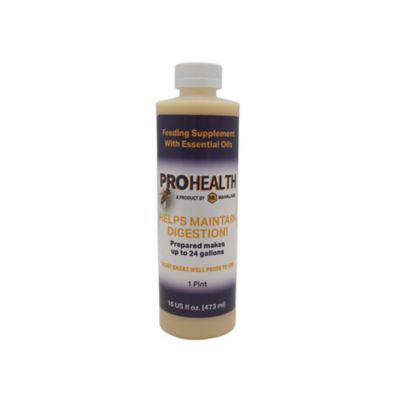
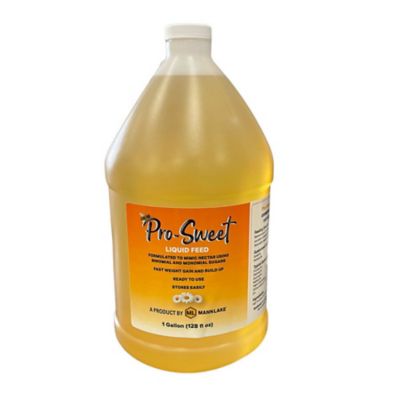
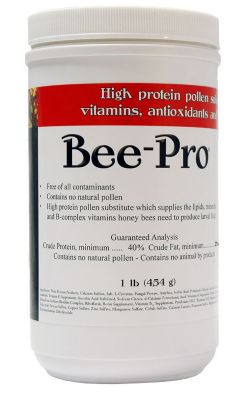
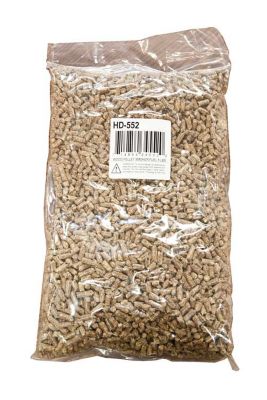
Bee feeds help beekeepers support a hive when flowers are not offering enough nectar or pollen. Honey bees normally gather carbohydrates from nectar and protein, vitamins and minerals from pollen, but weather, drought, mowing, heavy rain and gaps between blooming plants can leave a colony short on forage. Supplemental feed can be useful for a new package of bees, a small or newly established hive, a colony recovering from stress, or a strong hive that needs help building stores before cooler weather settles in. Carbohydrate feed supplies quick energy and can encourage bees to draw comb and maintain brood rearing when natural nectar is limited. Protein feed, often made with pollen substitutes, can help support brood production during a pollen shortage. These two types of nutrition serve different jobs, so choosing feed starts with looking at what the colony is missing rather than treating every hive the same. A beekeeper working a few backyard hives may use supplemental feed to help a colony get established, while a larger operation may use it as part of a planned management routine. Bee feeds can also make a thoughtful gift for someone who keeps bees, especially when paired with practical hive-care supplies, a sturdy veil, or a notebook for tracking inspections. Even a seasoned beekeeper appreciates having feed on hand when a stretch of poor weather keeps the bees close to the hive. Keep all bee feed clean, fresh and protected from rain, ants, rodents and other animals. Feeders should be easy to inspect and clean, and they should be placed in a way that limits spills and discourages robbing from nearby colonies. Keeping bee supplies separate from other animal and wild-bird items, including anything connected with a
Bird Food Chain, helps prevent mix-ups and keeps each type of feed used for its intended purpose.
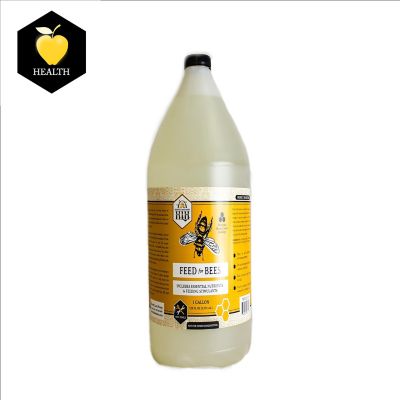
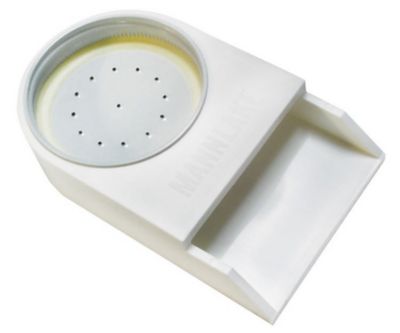
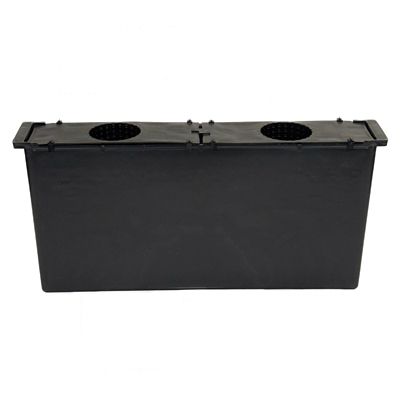
Sugar syrup is a common carbohydrate feed, but the recipe and timing matter. For lighter syrup used during the growing season or when a colony needs encouragement to draw comb and raise brood, many beekeepers use a one-to-one ratio of white cane or beet sugar to water by weight. As forage fades and bees begin putting away stores for cooler weather, a heavier two-to-one sugar-to-water ratio by weight can provide more concentrated energy and help the colony store food with less work to evaporate excess water. Always use plain white table sugar. Brown sugar, raw sugar, powdered sugar, molasses and other sweeteners can contain minerals or additives that are hard on bee digestion and are not suitable substitutes. Mix syrup with clean water, allow it to cool fully before offering it to the bees, and make only enough to be used while it is fresh. Cloudy syrup, fermentation, mold or an off smell are signs it should be discarded. Feeders that sit inside or above the hive can reduce exposure to weather, while entrance feeders may be convenient but can attract robbing and make a weak colony more vulnerable. Whichever style fits the hive, check for leaks and make sure bees have access without becoming trapped or drowned. Feed in the evening when practical, clean up drips promptly, and avoid open containers that invite bees from several colonies to gather in one place. Most important, do not routinely feed syrup while a strong natural nectar flow is filling the honey supers intended for harvest. Supplemental syrup can be stored by the bees and may contaminate honey if it is taken into the wrong part of the hive. Follow local beekeeping guidance, product directions and any rules that apply to honey intended for sale or family use.
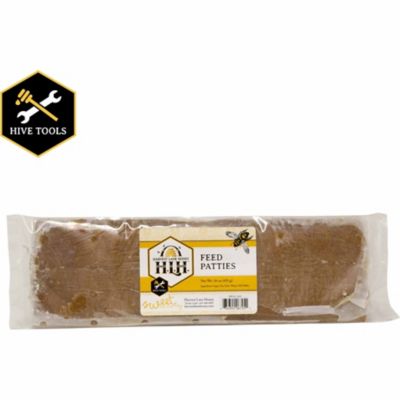
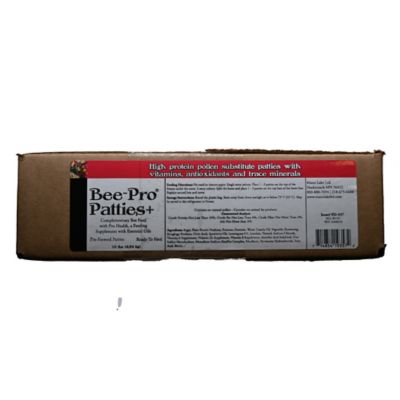
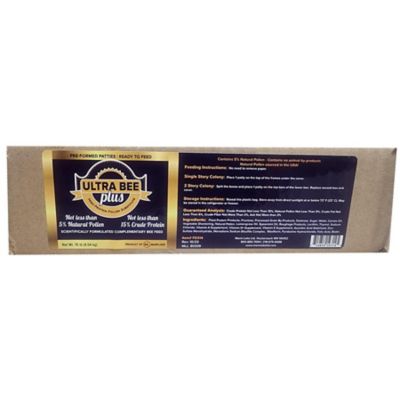
Protein feed becomes especially useful when pollen is scarce, although it should be used thoughtfully. Natural pollen varies in quality, and a pollen substitute can help bridge a short forage gap when blooming plants are limited or weather keeps bees from flying. Protein supplements may be offered as dry feed near the hive or as a soft patty placed where the bees can reach it, depending on the product and the beekeeper’s management plan. A colony with plenty of stored pollen and steady incoming forage may not need extra protein, while a colony raising brood during a prolonged dearth may benefit from added support. Watch the hive and the feed rather than leaving large amounts out unattended. Old or damp protein feed can mold, attract pests or go unused, and leftover material should be removed when it is no longer fresh. Avoid placing feed where it blocks the bees’ path, interferes with inspections or encourages robbing. During the warmer part of the season, feed only when the colony needs help and natural forage is not meeting demand; as cooler weather arrives, the focus generally shifts toward confirming that the hive has adequate stores, a healthy queen, enough worker bees and good protection from wind and moisture. Supplemental feed cannot correct every hive problem, and it should not replace regular inspections, mite management, clean water nearby or advice from an experienced local beekeeper. Regional conditions make a difference: a dry pasture, a fall nectar flow, a sudden cold snap and a neighborhood full of flowering trees can all change how much feed a colony requires. With the right feed, clean equipment and careful timing, beekeepers can help their colonies make it through lean stretches with less strain and head into the cooler months in better shape.