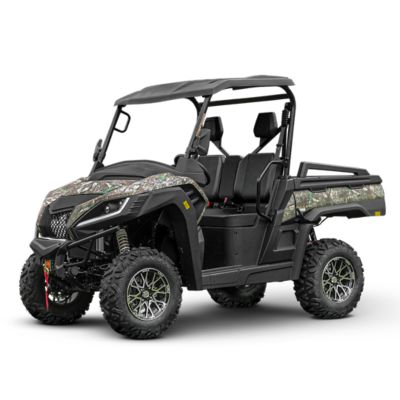
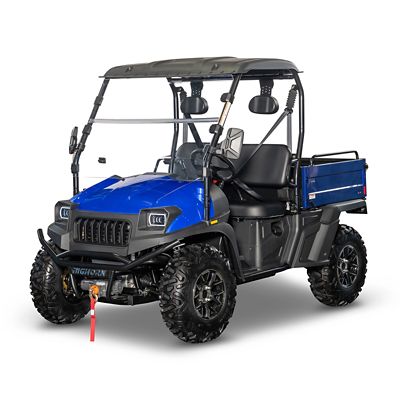
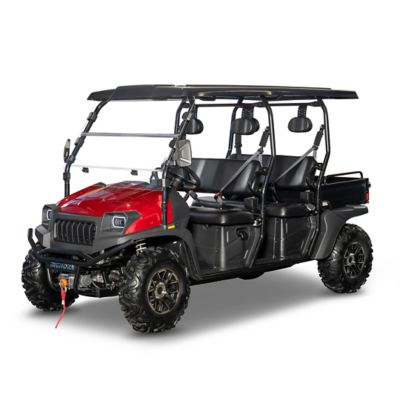
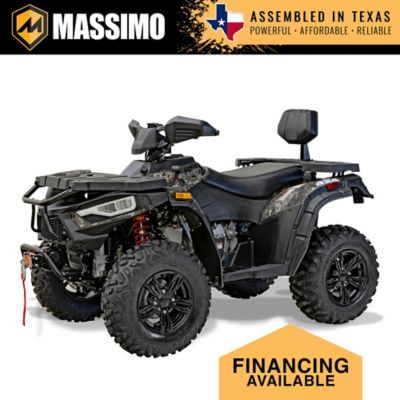
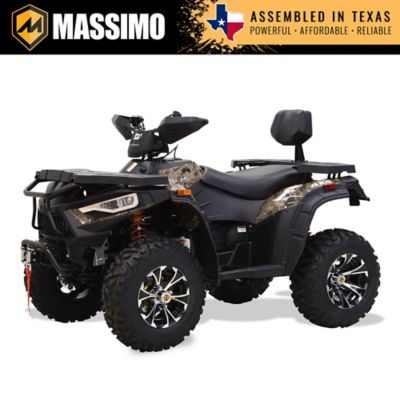
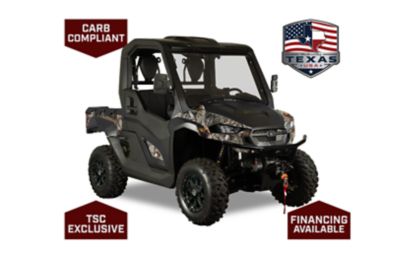
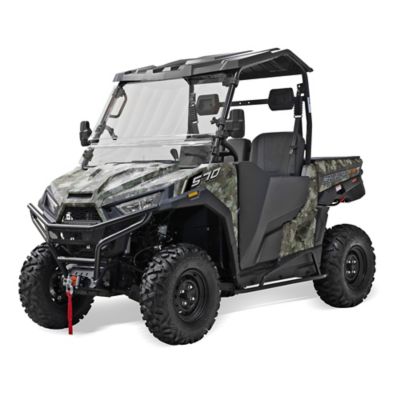
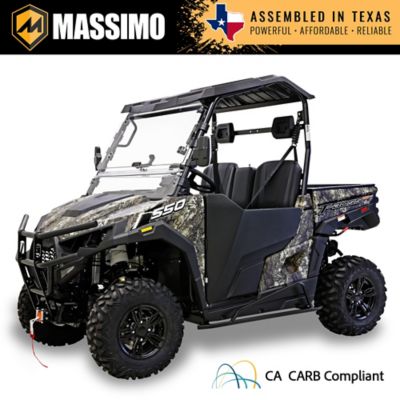
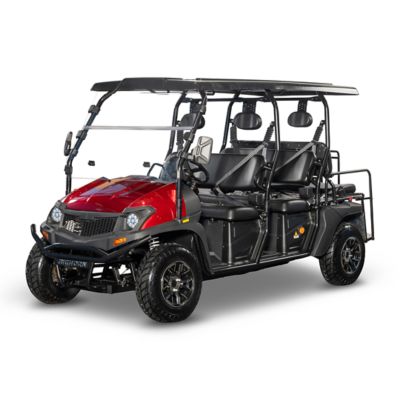
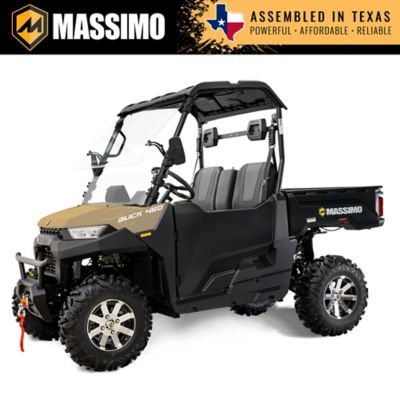
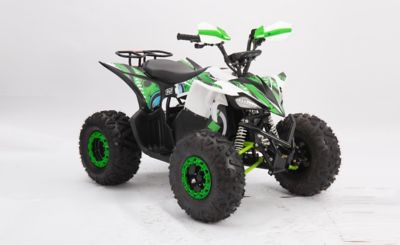
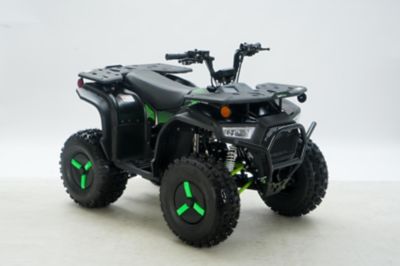
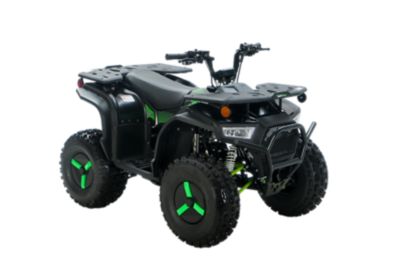
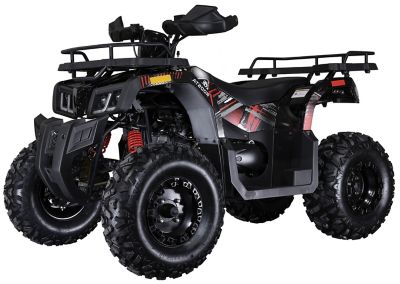
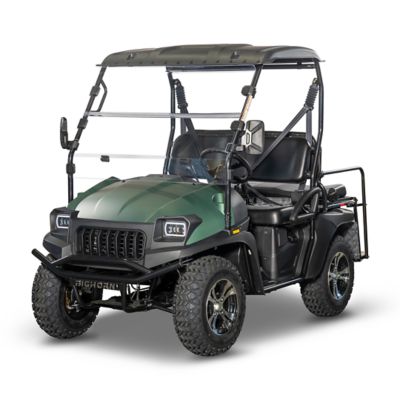
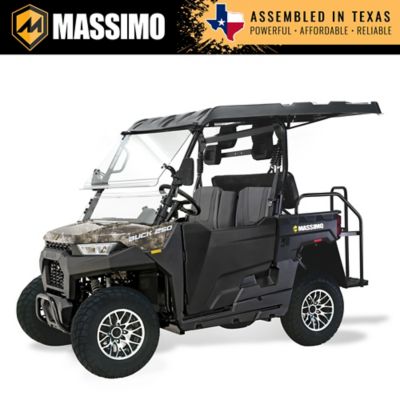
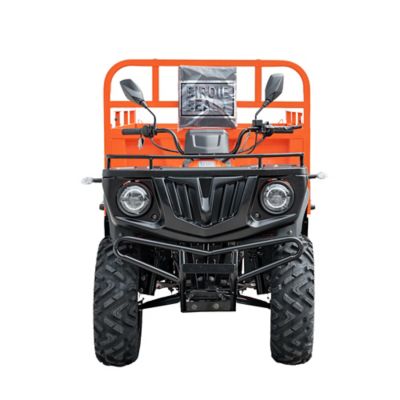
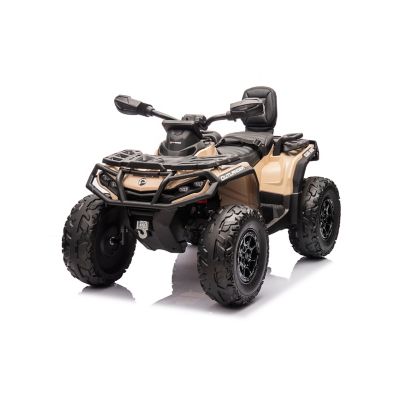
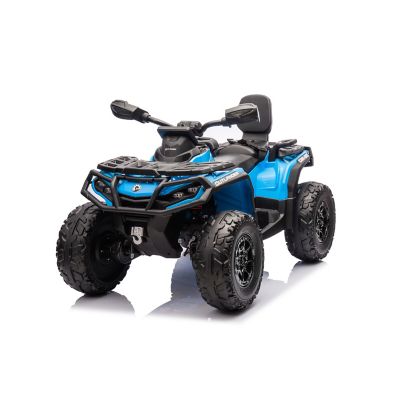
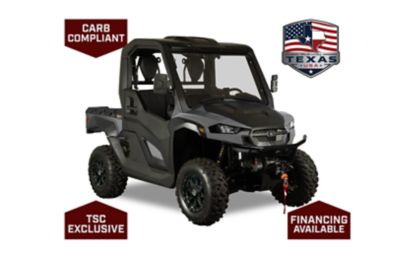
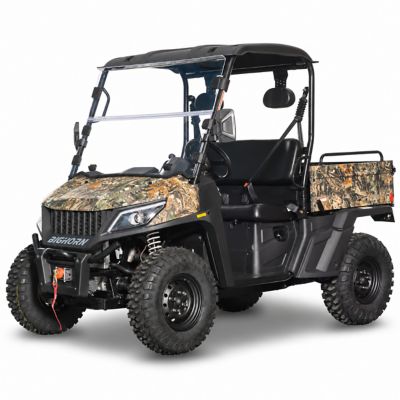
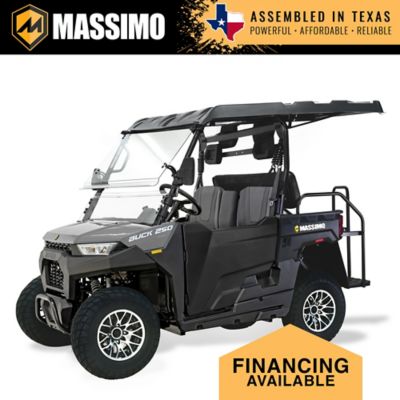
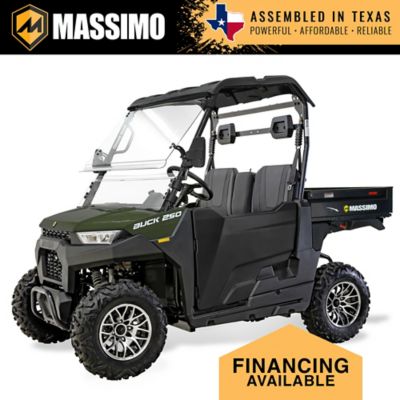
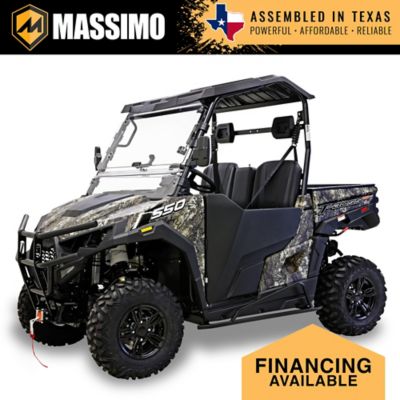
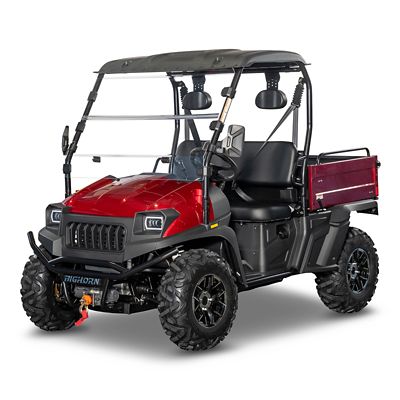
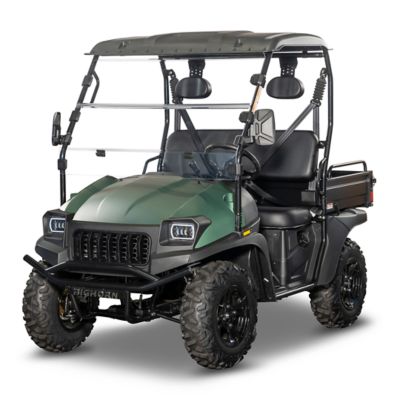
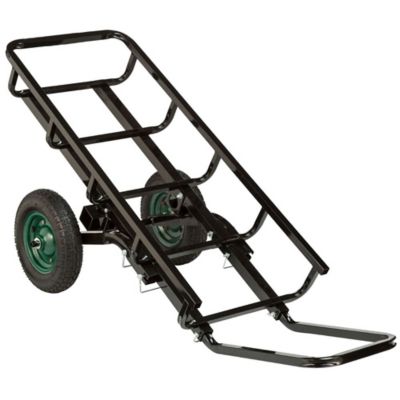
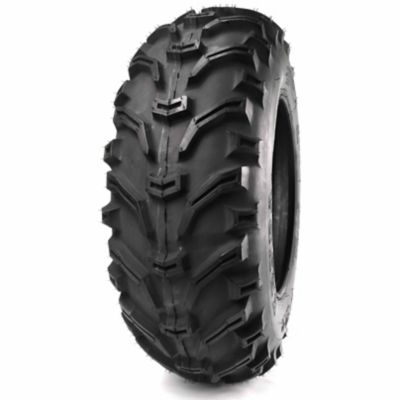
Four-wheel drive ATVs are built for the kind of ground that makes ordinary vehicles work hard: muddy lanes, loose gravel, steep pasture paths, wooded trails, snowy driveways, and uneven ground around a farm or rural property. With power sent to all four wheels, these utility-minded machines can provide added traction when conditions turn slick or the trail gets rough. They’re a practical choice for property owners, farmers, hunters, land managers, and outdoor riders who need more than a smooth ride around the yard. A 4x4 ATV can help haul feed, fencing supplies, tools, firewood, or a small trailer from one part of the property to another, while still offering the freedom to explore back roads and marked trails during the warmer part of the year. Many riders also use them for checking livestock, tending food plots, clearing storm debris, or reaching remote corners of a large parcel during the cooler months. When shopping from a selection of four wheel drive ATVs, start by thinking about the work and terrain the machine will see most often. Engine size affects available power, but it is only one part of the picture. Pay attention to ground clearance, suspension travel, overall width, turning radius, seat comfort, and the machine’s rated towing and hauling capacity. A compact ATV may be easier to maneuver between trees, gates, and outbuildings, while a larger model may be better suited to heavy loads, steep grades, and longer rides. Front and rear cargo racks make it easier to carry a toolbox, sprayer, chainsaw, fence posts, or a cooler, and a receiver hitch can add versatility for pulling an approved trailer or other attachment. A winch may be especially useful around muddy fields, downed trees, or rocky trails, though it should always be used within the machine’s rated limits and with proper recovery equipment. Four-wheel drive systems can vary, too. Some allow the rider to switch between two-wheel drive and four-wheel drive as conditions change, helping save wear and fuel on firm ground while keeping extra traction available for mud, loose soil, or climbs. A differential-lock setting can help send power evenly to the wheels when one side starts to spin, but it may make steering feel heavier, so it is generally reserved for difficult spots rather than everyday riding. Electronic power steering can reduce the effort needed to guide the ATV over ruts and rocks, which is a welcome feature on long rides or during jobs that require frequent turns. Transmission choices deserve a close look as well. Automatic continuously variable transmissions are simple to operate and make it easier to focus on the trail, load, and terrain, while gear-driven systems can offer a more direct feel and predictable control. Match the transmission, drive system, and accessories to the way you actually plan to ride instead of paying for features that will spend most of their time unused.
A four-wheel drive ATV can be a useful addition to a working homestead, hunting setup, camp, or recreational property, and it can make a thoughtful gift for an experienced adult rider who has the space, training, and proper place to operate one. It is not a toy, however, and a new rider should begin with instruction, protective gear, and easy terrain before taking on mud holes, hills, or wooded trails. Helmets, eye protection, gloves, sturdy boots, long pants, and durable outer layers help protect against branches, flying gravel, and changing weather. Riders should follow local age requirements, registration rules, trail regulations, and landowner permissions, and an ATV should never be used on public roads unless local law specifically allows it. Before each ride, check tire pressure, tread, brakes, steering, lights, fuel or battery level, winch cable, hitch points, and the condition of the racks. Keep loads balanced and secured, stay within the manufacturer’s weight limits, and remember that a heavy load can change braking and handling. On hills, use a controlled speed, keep your body positioned as recommended in the owner’s manual, and avoid crossing slopes that are too steep or unstable. Mud can look shallow while hiding ruts, rocks, or soft ground, so ease in slowly and keep recovery plans in mind. During late-summer heat, bring water and watch for dust and overheating; as the weather cools, layers, gloves, and a reliable light become more important on early-morning or evening rides. After wet or muddy work, rinse the undercarriage, inspect the air intake and drive components, and let the machine dry before storing it. Regular oil, filter, belt, battery, and tire maintenance can help keep an ATV ready for the next fence repair or trail ride. Shoppers comparing 4x4 ATVs may also want to browse the broader
Universal ATV selection when they are weighing different sizes, drivetrains, and intended uses. Whether the goal is carrying supplies across a spread-out property, checking a hunting blind, grooming a private trail, or enjoying a steady ride through changing terrain, the right four-wheel drive ATV should feel capable without being more machine than the rider can comfortably control. Look for a sensible balance of traction, cargo capacity, comfort, service access, and operating cost, then choose protective equipment and accessories that fit the jobs ahead.