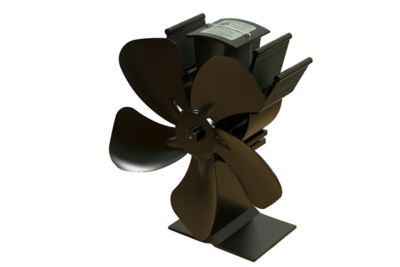
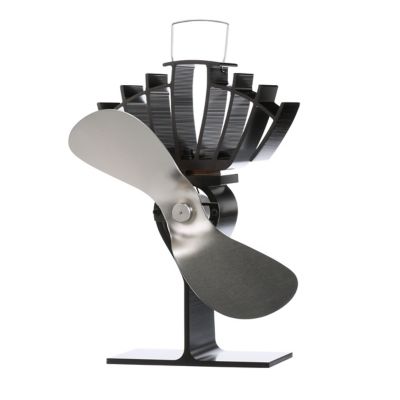
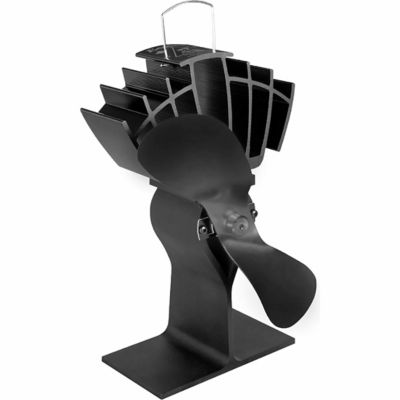
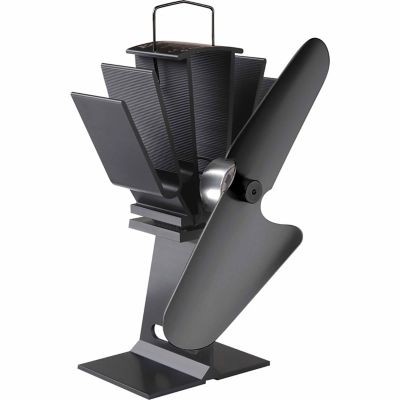
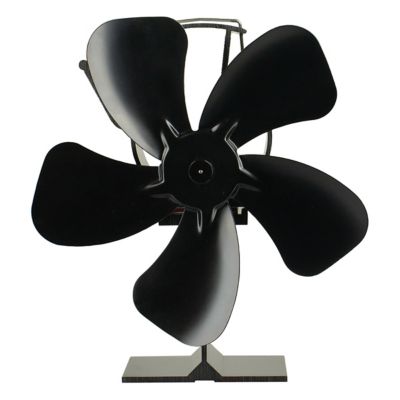
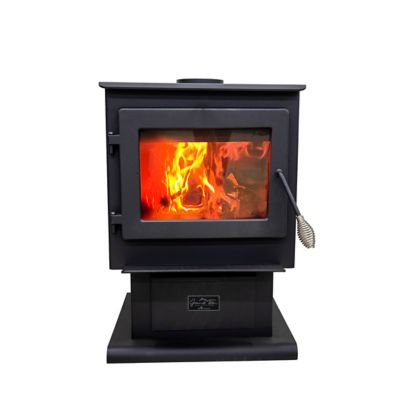
Heat activated fans for wood stoves help move warmth away from the stove and into the surrounding room without a power cord or batteries. A typical heat-powered stove fan has a thermoelectric module between a hot metal base and a cooler upper section. The temperature difference generates a small electrical current that runs the motor and turns the blades. Once the base reaches the fan’s starting temperature, the blades begin moving; as the stove cools, they slow down and eventually stop. That makes these fans a practical addition to a farmhouse sitting room, a cabin’s main room, or a workshop with a properly installed wood stove. Rather than letting so much warmth linger close to the stove, the airflow helps carry it farther into the room. The effect is generally a gentle push of warm air, not the strong breeze of a plug-in room fan. A seat across from the hearth may feel more comfortable even though the fan has not increased the stove’s heat output. It is an air-circulation accessory, not a heater, a combustion blower, or a substitute for proper chimney draft. The fan responds to conditions at the stove surface rather than a wall thermostat, so its speed can change as a fire settles into a steady burn or burns down to coals. Performance also depends on the room’s layout, ceiling height, doorways, and furniture placement. An open living area gives moving air a different path than a series of small rooms down a hallway. For homes heated with
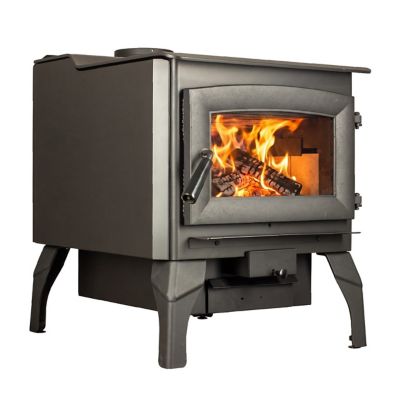
Wood Burning Stoves, matching the fan to the appliance and the space matters more than simply choosing the largest blade span. These fans can help redistribute warmth, but they cannot promise even temperatures throughout a house or a set reduction in firewood consumption.
Stove-top fans need materials and construction suited to repeated heating and cooling. Aluminum is common in bases, blades, and finned heat sinks because it transfers heat readily while keeping the assembly relatively light. An anodized finish can help protect exposed aluminum, while a broad, steady base helps the fan sit securely on an appropriate stove surface. The upper fins are more than part of the fan’s appearance: they release heat so the thermoelectric module can maintain the temperature difference it needs. Clearance around that upper section matters, especially beneath a low mantel, inside an alcove, or near a stovepipe. Overall height, base dimensions, and blade clearance deserve as much attention as airflow claims. A fan needs a flat, level landing spot that meets both the stove maker’s and fan maker’s placement requirements without blocking controls, loading access, cooking surfaces, or vents. Not every stove top is suitable. A raised trivet, a curved casting, a heat shield, or a jacketed surface may prevent the base from receiving enough heat, while another surface may become hotter than the fan can tolerate. Each fan has its own starting temperature and operating limits; those limits should match the actual surface where it will sit. A stove-top thermometer can help track that surface temperature, provided it is intended for that location rather than for measuring a flue pipe. Some fans include a heat-sensitive lifting feature that reduces contact with the stove when temperatures climb, but that feature does not replace attention to the rated maximum. Blade count alone does not settle the choice, either. Blade shape, motor design, operating temperature, and testing conditions all affect airflow. Published airflow figures are most helpful alongside dimensions, temperature ratings, and the room’s needs. Noise deserves a look as well: a small motor and turning blades may be unobtrusive beside a crackling fire, but no moving fan should be assumed completely silent.
Everyday fit comes down to how the stove area works when the house is busy. A compact fan may suit a small stove with limited open space on top, while a broader assembly needs enough room for its base and spinning blades without crowding nearby fittings. In a workshop, airborne sawdust and shop debris make regular inspection especially worthwhile; in a living room, clearance from curtains, loose papers, children, and pets is just as important. The entire fan should be treated as hot while the stove is running and for a while afterward. A carrying handle does not mean it is safe to grab during operation, and a stopped fan may still hold enough heat to burn skin. Routine care is usually straightforward once both the stove and fan have cooled completely. A soft brush or dry cloth can lift settled dust from blades and cooling fins, following the maker’s cleaning directions. Keeping those fins clear supports heat release, while a clean base helps maintain proper contact with its approved resting surface. Water, household sprays, and added lubricants can harm electrical components or bearings unless the manufacturer specifically allows them. Bent blades, a loose base, unusual scraping, or a fan that no longer turns as expected call for inspection rather than a harder push or continued exposure to heat. For someone who tends a wood fire every day, these details matter more than an accessory that merely looks good beside the stovepipe. A heat-powered fan can also make a thoughtful gift for a cabin owner or someone who enjoys tending a stove, provided the recipient’s appliance, clearances, and operating temperatures are known beforehand. The strongest match is a fan that fits the stove safely, starts within the stove’s normal operating range, and supplies the kind of gentle circulation the room needs. It earns its place by helping spread the fire’s warmth while staying out of the way of loading logs, tending coals, and enjoying a comfortable place to sit.