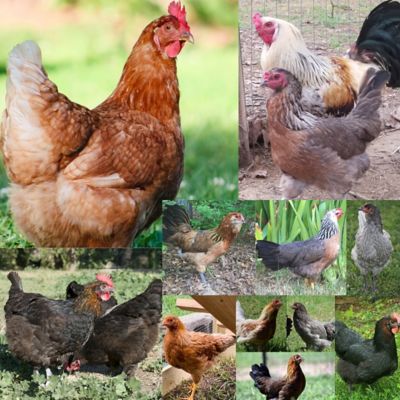
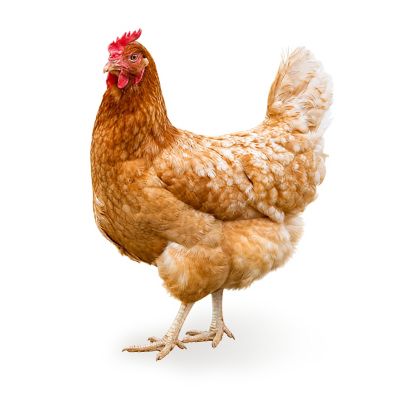
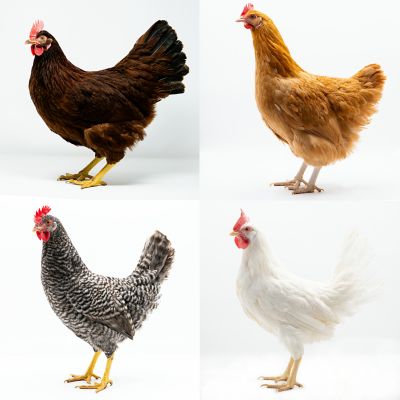
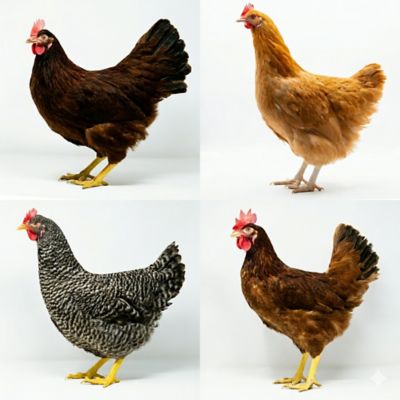
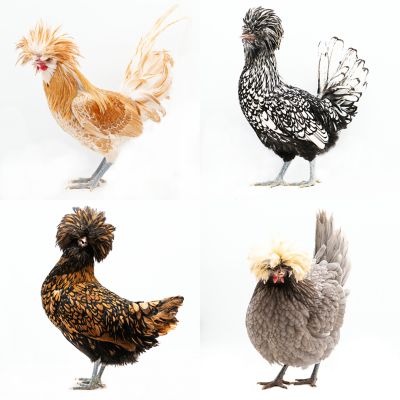
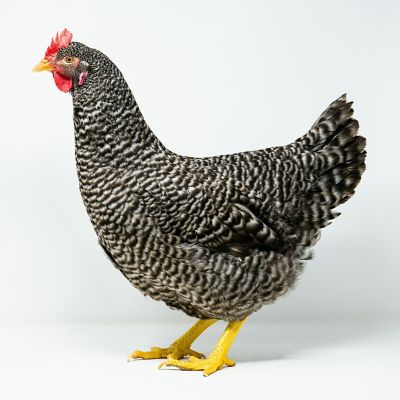
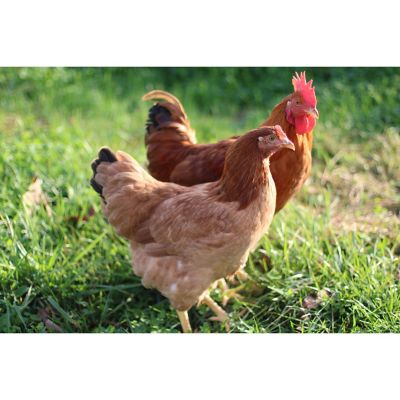
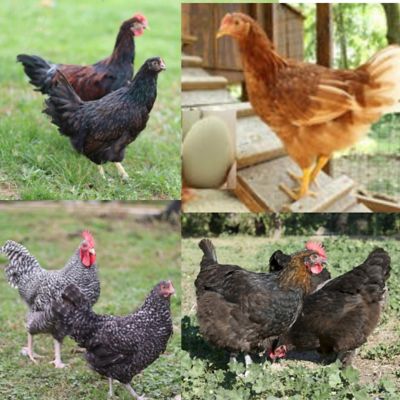
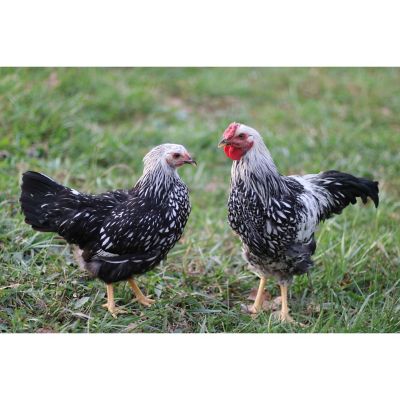
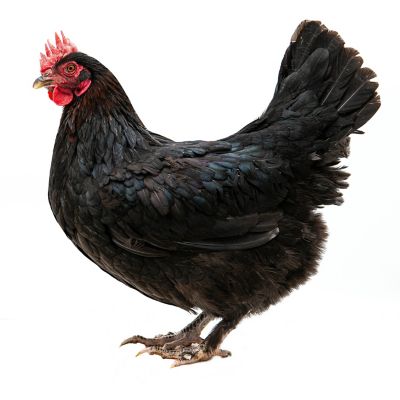
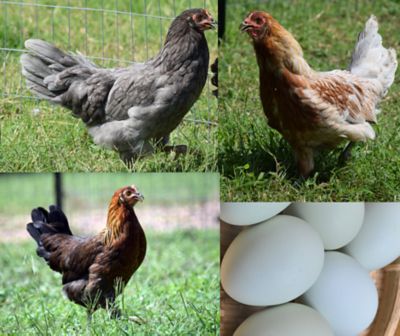
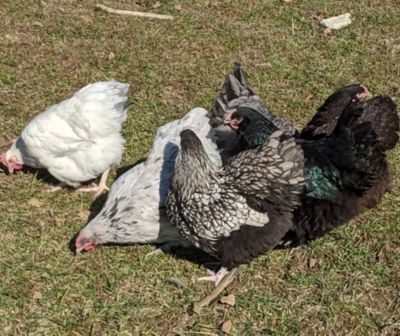
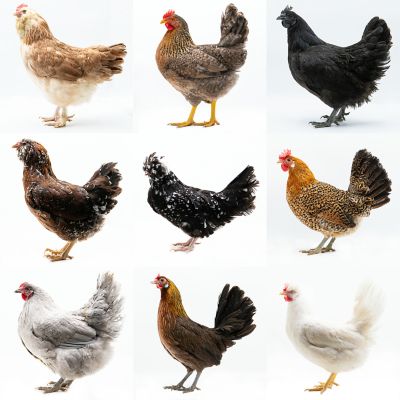
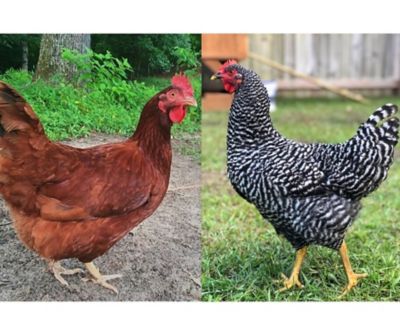
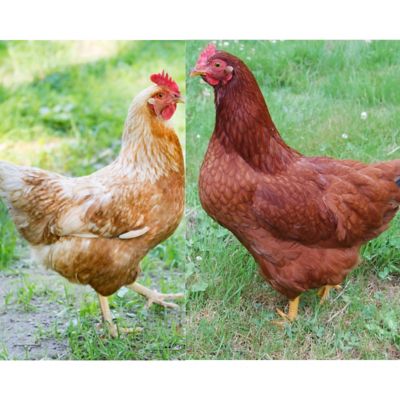
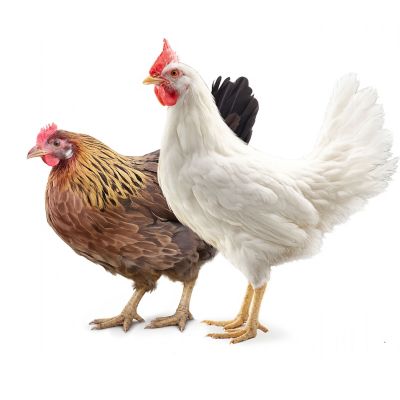
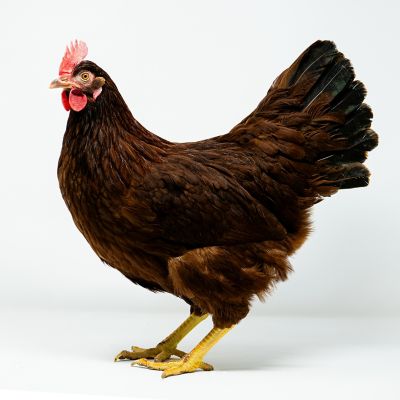
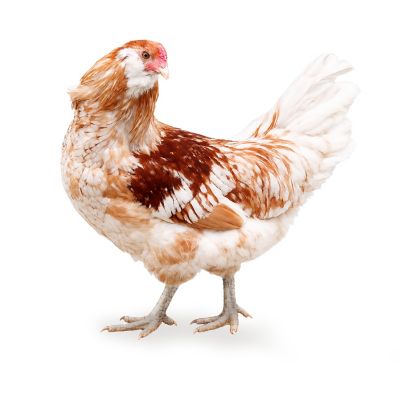
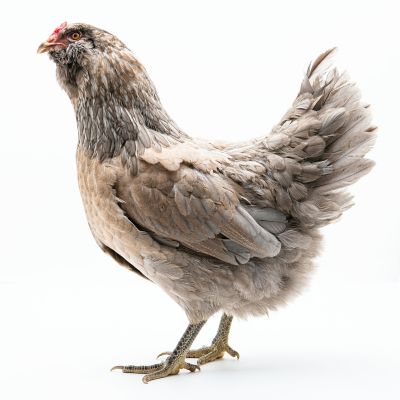
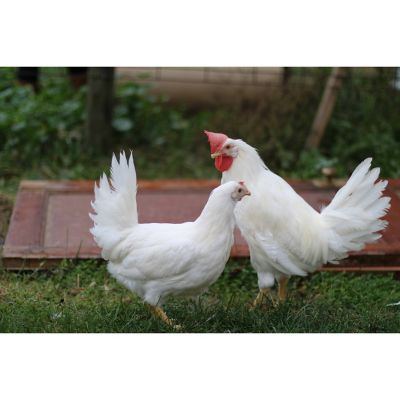
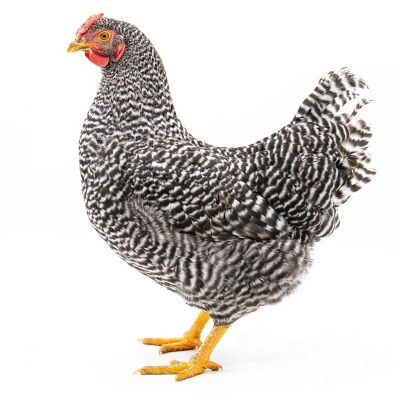
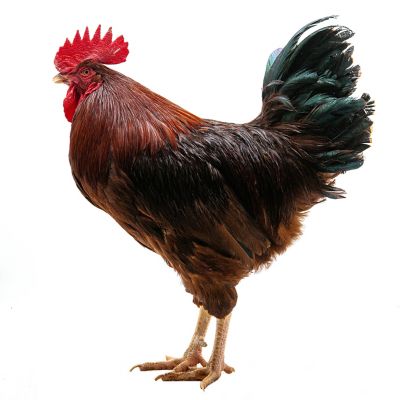
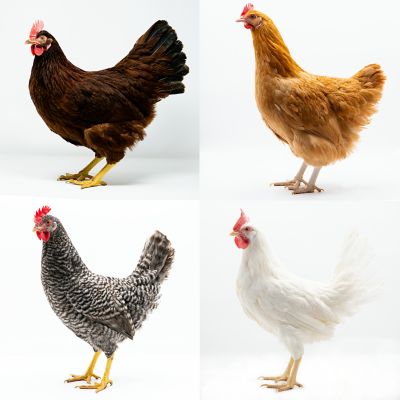
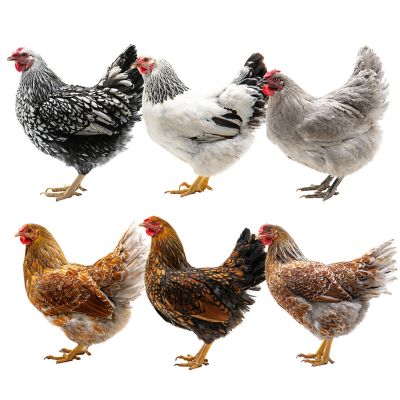
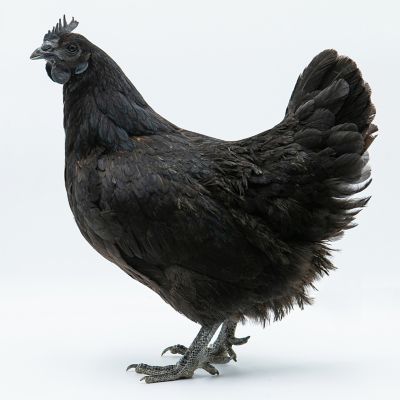
Egg-laying chickens bring a steady rhythm to a backyard, homestead, or working farm. The soft cluck from the coop, the rustle of bedding, and a warm egg gathered from the nesting box can become one of the most rewarding parts of keeping poultry. Whether you are raising a small group for your household, adding hens to a larger flock, or putting together a thoughtful gift for someone starting a homestead, the right supplies help make daily care simpler and more dependable. Hens do not need a rooster to lay eggs, so a flock made up of hens can provide fresh eggs without the added management of breeding. Production varies with breed, age, health, nutrition, stress, and daylight, but high-producing egg-laying chickens may provide roughly 200 to 330 eggs per year. A White Leghorn is known for efficient production of white eggs, while Rhode Island Reds, Golden Comets, and Plymouth Barred Rocks are popular for brown eggs, sturdy temperaments, and dependable performance in a range of conditions. Every hen has her own personality, too. Some are friendly and easy to handle, while others prefer to keep their distance and scratch through the bedding on their own terms. When choosing supplies, consider the number of hens you plan to keep, the size and layout of the coop, your local weather, and how much time you can give to feeding, watering, cleaning, and collecting eggs. A setup that works for four hens may not be practical for a larger flock, and equipment should be easy to reach, refill, wash, and inspect.
Nutrition is at the heart of steady egg production. Laying hens generally need a complete layer feed with about 16% to 17% protein, along with clean water available throughout the day. A sturdy feeder helps keep feed off the ground, where it can be wasted or contaminated, while a dependable waterer supports hydration during hot afternoons and freezing weather alike. Calcium is especially important for strong shells, so many keepers offer a separate source such as oyster shell rather than mixing it directly into the main ration. Hens use calcium differently from one another, and allowing them to take what they need helps support shell quality without forcing every bird to consume the same amount. A hen takes about 24 to 26 hours to form an egg, which is why laying times can gradually shift from one day to the next. As daylight decreases during the cooler months, many hens naturally slow their production, even when they are healthy and well fed. Good care can help them maintain condition through seasonal changes, but it is normal for the egg basket to be less full at certain times of year. Fresh bedding in nesting areas gives eggs a clean, cushioned place to land and makes routine cleanup easier. Nesting areas should be dark, quiet, dry, and protected from drafts without being sealed up so tightly that air becomes stale. A hen that feels crowded, exposed, or harassed may lay fewer eggs or choose an inconvenient spot, so enough nesting space and room to move can make a noticeable difference. Look for supplies that fit your flock now while leaving a little room for growth, especially if you plan to add pullets or expand your flock later.
Daily care is easier when the coop and surrounding run are arranged with both chickens and people in mind. Feed and water should be placed where hens can use them without climbing through bedding or tracking manure into the containers. Secure fencing, covered runs, and properly latched doors help protect birds from common predators, particularly during the quiet hours around dawn and dusk. Check for sharp edges, loose boards, gaps, and places where rain can collect. During warmer weather, shade and airflow help hens stay comfortable, while cooler conditions call for dry bedding, protection from wind, and water that remains available without freezing. Avoid making the coop airtight; fresh air helps control moisture and ammonia, which can irritate a chicken’s respiratory system. A simple routine goes a long way: check the flock’s activity, refill feed and water, gather eggs, remove wet spots, and take a quick look at feet, feathers, and combs. Clean eggs are easiest to collect when nesting areas are kept fresh, but eggs should still be handled gently and stored properly after gathering. For additional information on keeping collected eggs in good condition, visit
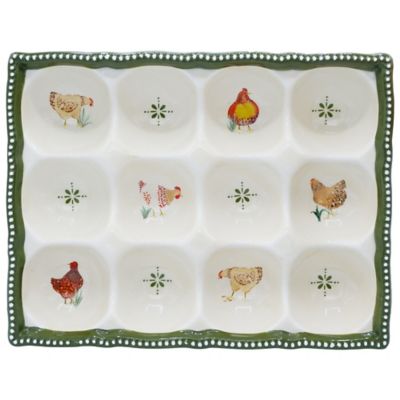
Egg Storage. Egg-laying chicken supplies can also make a practical gift for a new poultry keeper, a young person learning farm chores, or a family building a small flock for homegrown food. A useful gift does not have to be fancy; dependable care equipment, fresh bedding, nutrition support, or a well-chosen item for collecting and organizing eggs can save time every day. Whether your hens live behind a rural farmhouse, along the edge of a garden, or in a compact backyard setup, choosing supplies that suit their size, habits, and environment helps create a cleaner coop, calmer flock, and more reliable supply of fresh eggs through the changing seasons.