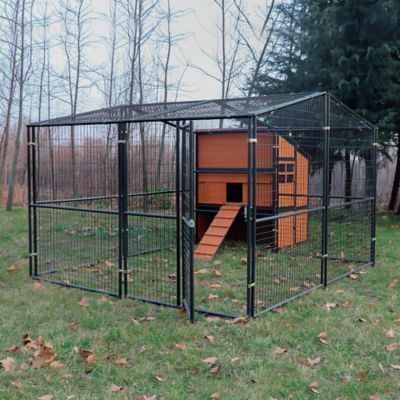
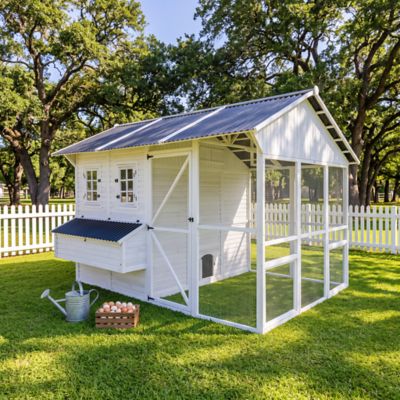
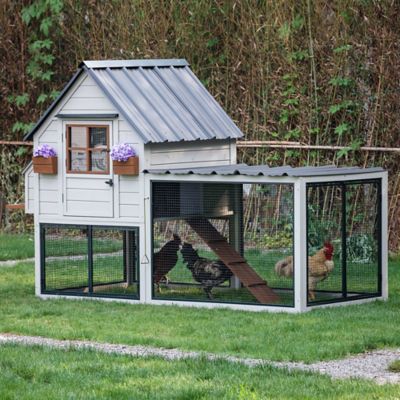
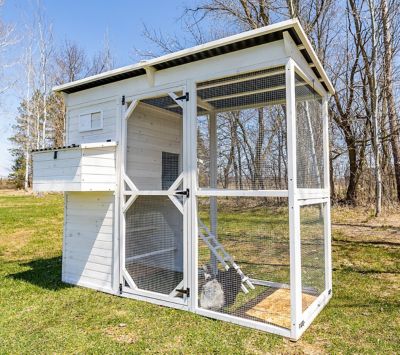
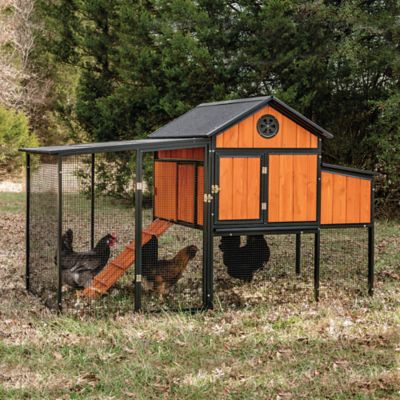
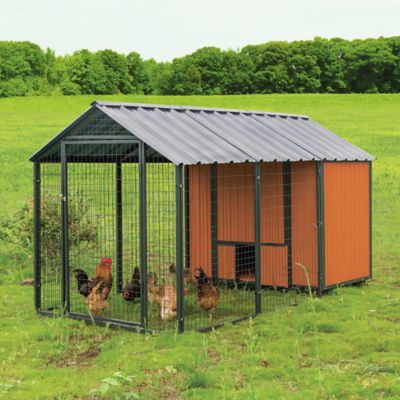
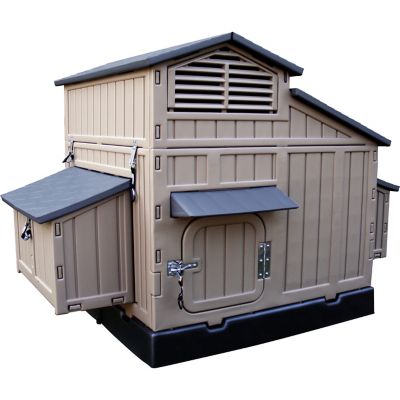
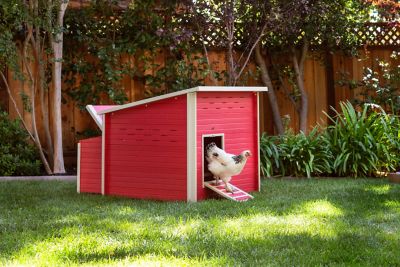
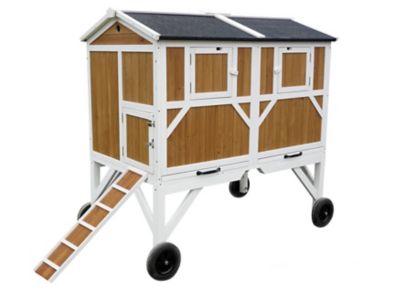
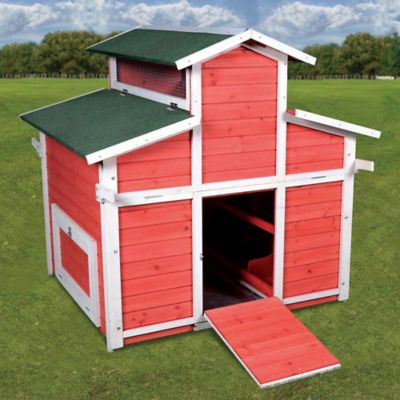
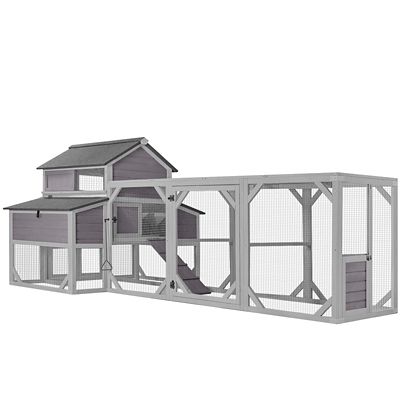
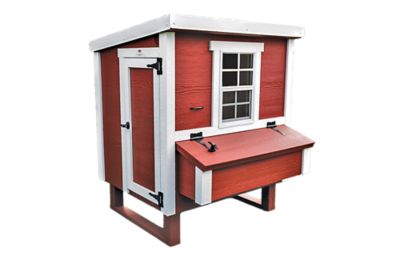
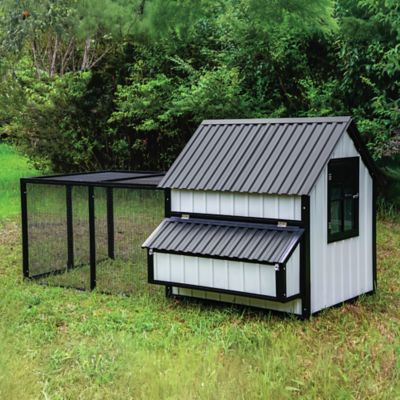
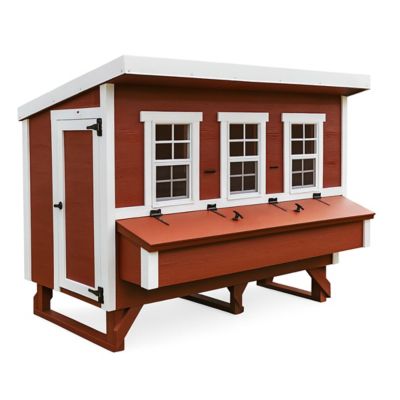
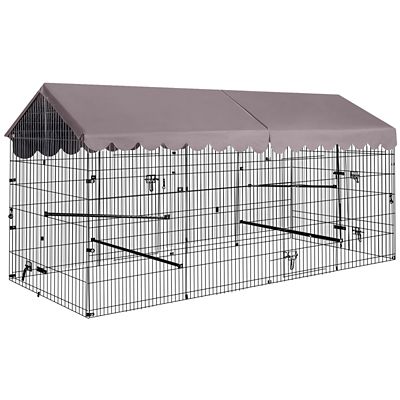
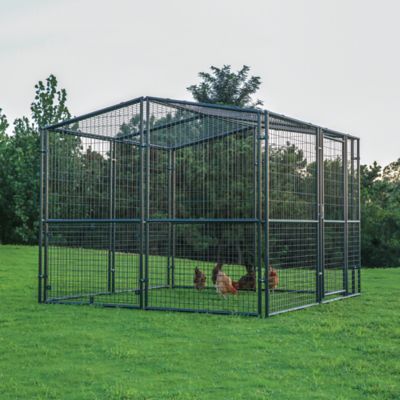
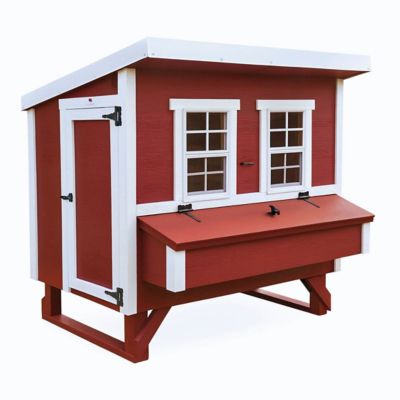
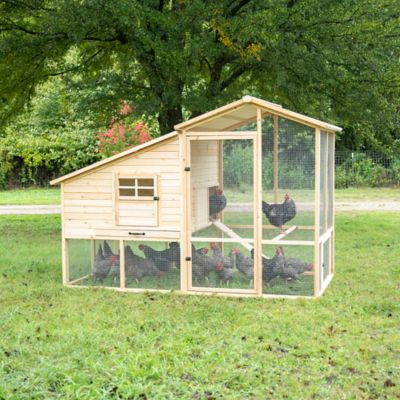
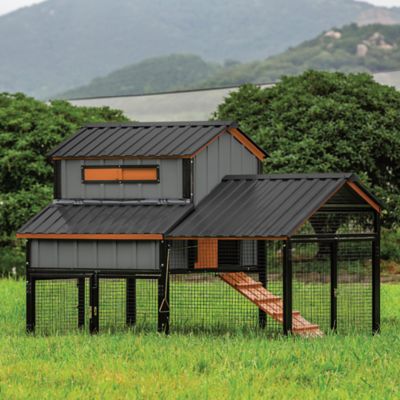
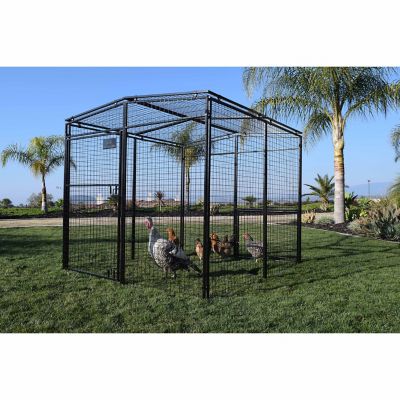
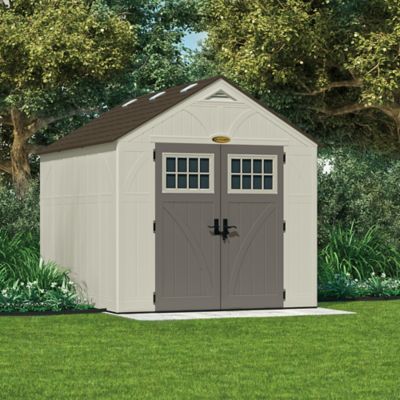
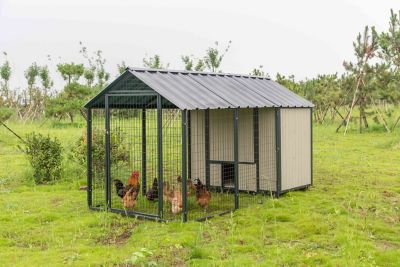
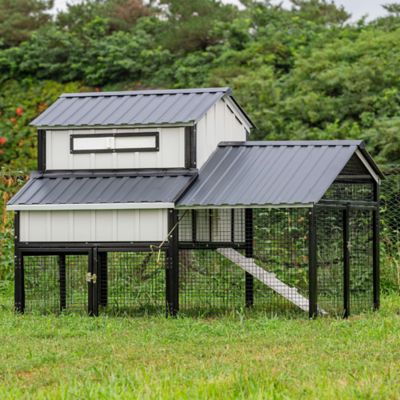
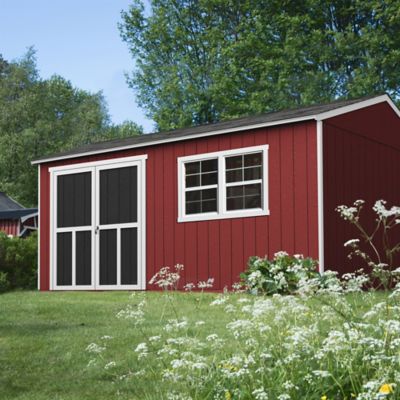
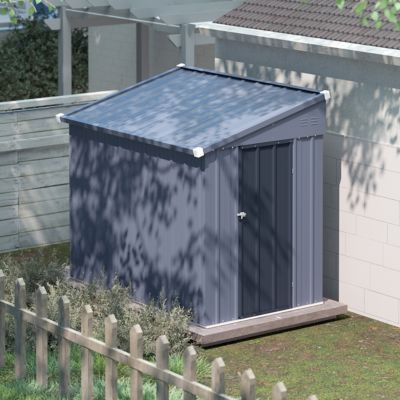
Chicken sheds, also called coop sheds, give backyard poultry a dedicated place to roost, lay eggs, eat and stay protected from weather and predators. They can be as simple as a compact shelter for a small flock or as roomy as a walk-in outbuilding with space for feed storage and daily chores. When choosing a chicken shed, start with the number of hens you plan to keep, then allow enough room for movement, nesting, roosting and cleaning. A small portable unit may work well for a few birds and can be moved to fresh ground, while a larger walk-in shed is often a better fit for a growing flock or a keeper who wants easier access. Many poultry keepers plan for a little extra capacity because a flock can grow over time, and crowded birds are more likely to squabble, soil their bedding and struggle with heat during warmer weather. Look for a layout that makes the everyday routine feel manageable: doors wide enough to carry in feed, a roof that sheds rain, and a location with good drainage and some shade. A level, well-drained spot near your home or barn makes it easier to check on the flock, gather eggs and notice changes in behavior. If you are adding a shed to an existing yard, check local rules, property lines and any neighborhood requirements before setting it in place. Pre-built chicken sheds can save time and provide a ready-made structure, while a shed conversion or DIY build may allow more control over size and placement. Larger structures, including general-purpose
Modern Sheds, may also be considered when you need a flexible building that can be arranged for poultry use, provided the interior is properly ventilated, secure and suitable for animals.
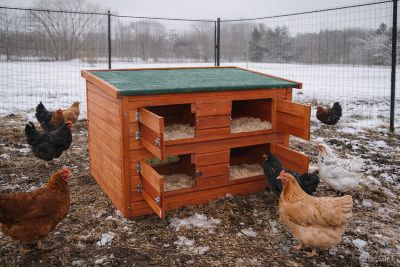
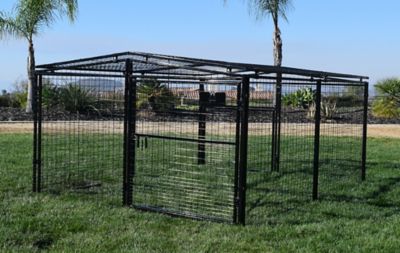
Good chicken sheds balance shelter, airflow and security. Wood frames offer a familiar farmstead look and can be painted or stained to suit the property, while other building materials may be easier to wipe down or less likely to absorb moisture. Whatever the construction, inspect seams, corners, roof edges and the ground line for openings. Raccoons, foxes, coyotes, dogs and other predators can take advantage of surprisingly small gaps, and a simple hook is rarely enough to keep determined animals out. Choose sturdy latches that are difficult for wildlife to lift, and consider reinforcing lower sections with hardware cloth rather than relying on ordinary poultry netting. A secure run gives birds room to scratch and dust-bathe while adding another layer between the flock and nighttime predators. Inside the shed, elevated roosting bars let chickens settle off the floor, where they are generally more comfortable and less exposed to damp bedding. Roosts should be sturdy, easy to reach and arranged so birds are not crowded together. Nesting boxes should be placed in a darker, calmer section of the shed, with enough room for the hens to enter without stepping over one another. External nest access can make egg collection easier, especially in a larger walk-in setup. Ventilation is just as important as warmth. Windows, vents or screened openings placed above the birds’ heads allow stale, humid air to escape without creating a cold draft directly across the roost. During the warmer part of the year, cross-ventilation helps reduce heat buildup; as cooler weather arrives, adjustable openings make it easier to balance fresh air with protection from wind and rain. A solid, easy-to-clean floor is another worthwhile feature. Bedding, feathers and spilled feed collect quickly, so removable trays, smooth flooring or a well-sealed surface can make routine cleaning less of a chore. Keep feed and water where chickens can reach them without blocking nest boxes, and use containers that limit spilling, since damp feed and standing water invite pests.
A chicken shed is useful for first-time poultry keepers, families raising hens for fresh eggs, hobby farmers and experienced flock owners who need an organized home for additional birds. It can also make a thoughtful gift for someone starting a backyard flock, especially when paired with practical poultry supplies, feed storage or fencing materials. Before purchasing, think through the whole setup rather than judging a shed by appearance alone. Measure the available space, account for door swing and run placement, and leave room to walk around the structure for repairs and cleaning. Portable sheds are handy when pasture rotation or changing yard conditions matter, but they still need a secure base and a way to prevent shifting in strong wind. Fixed sheds may offer greater stability and room for built-in features, though they require more planning before delivery or assembly. In areas with hot summers, prioritize shade, airflow and a roof that will not turn the interior into an oven. During cooler, wetter stretches, focus on dry bedding, a roof with reliable overhang and walls that block prevailing wind without sealing the shed so tightly that moisture builds up. Check the shed regularly for loose fasteners, damaged screens, wet bedding and signs of digging around the perimeter. A few minutes spent closing doors at dusk, refreshing bedding and checking latches can protect the flock and keep the coop smelling fresher. With the right size, secure construction and practical interior arrangement, a chicken shed becomes more than a shelter; it is the dependable home base where hens settle in at night, lay clean eggs and stay part of the daily rhythm of a working yard.