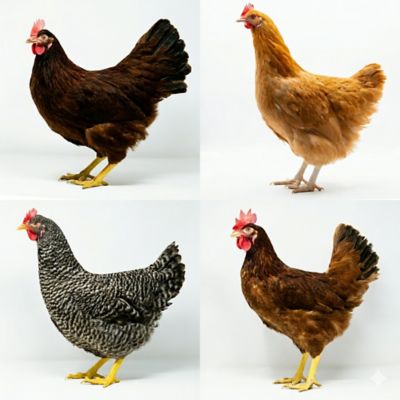
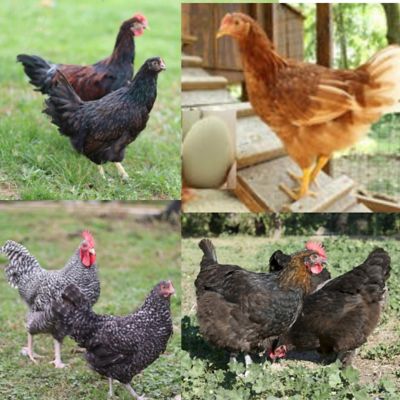
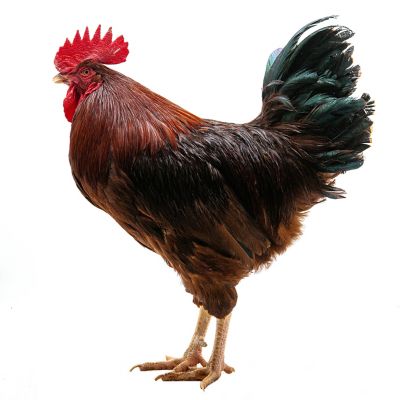
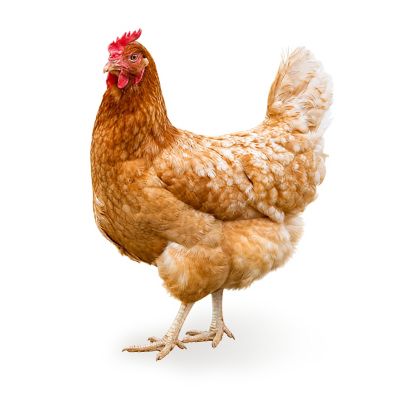
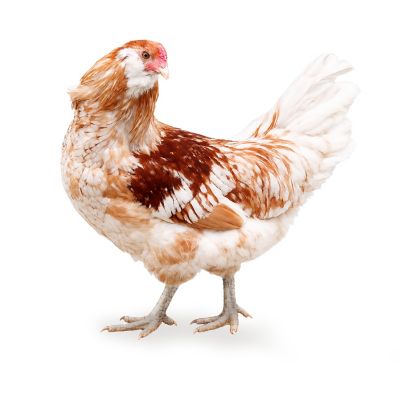
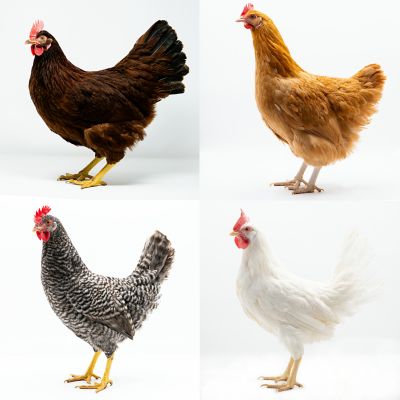
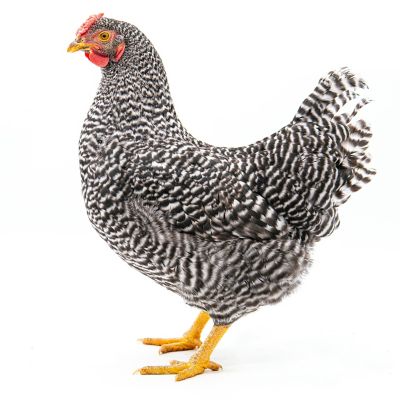
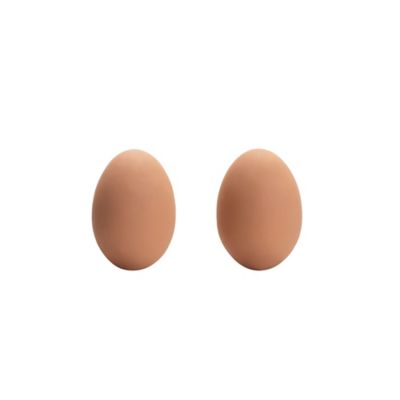
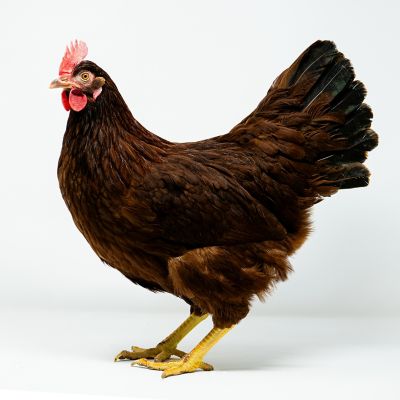
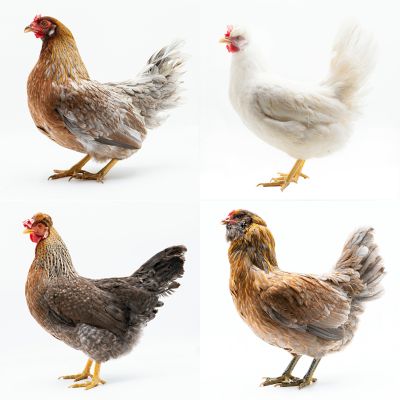
Brown egg chickens are a popular choice for backyard flocks, family farms and first-time poultry keepers because they can provide a dependable supply of fresh eggs along with plenty of personality around the coop. The shade of a brown egg may range from pale tan to warm chestnut, deep mahogany or nearly chocolate-colored, depending on the hen and her individual laying cycle. Popular brown-egg breeds include Isa Browns, Golden Comets, Rhode Island Reds, Plymouth Rocks, French Marans, Welsummers, Barnevelders and Buff Orpingtons. Product descriptions can help you compare expected laying traits, temperament and mature size, but keep in mind that egg production varies with age, daylight, nutrition, health and living conditions. Some productive brown egg layers may provide roughly 200 to 300 eggs in a year, while heritage breeds and heavier, more docile birds may lay fewer eggs but bring other qualities to the flock. Isa Browns and Golden Comets are often valued for early, steady production and friendly behavior. Rhode Island Reds and Plymouth Rocks are known as hardy, useful birds that can adjust well to changing weather when they have a dry, draft-protected shelter. French Marans are sought after for their unusually dark eggs, while Welsummers and Barnevelders may lay rich brown eggs with attractive speckles. Buff Orpingtons are generally known for a calm, gentle nature and can be a good fit for households that enjoy watching their hens as much as collecting eggs. Whether you are adding a few layers to an established flock, starting a small homestead setup or choosing a thoughtful gift for someone who already keeps poultry, match the birds to the keeper’s space, experience and daily routine. Live poultry should never be given as a surprise gift without making sure the recipient is prepared for housing, feed, protection from predators and regular care.
Before choosing brown egg chickens, take a close look at your coop, run and local conditions. A healthy flock needs a secure shelter with ventilation near the roof, protection from wind and rain, clean bedding and enough room for birds to move without crowding. During the cooler months, dry bedding and good airflow matter more than simply sealing every opening, since trapped moisture can contribute to respiratory problems and frostbite. In warmer weather, shade, fresh water and ventilation help hens stay comfortable. Check local rules as well, since some communities limit flock size or restrict roosters. Most backyard keepers choose hens when their main goal is a steady basket of eggs, and it is wise to plan for a gradual change in production as birds mature. Young pullets may need time before they begin laying, while older hens may produce less often but still make valuable flock members. Feed should be appropriate for the bird’s age and stage of life, with clean water available every day. Once laying begins, a balanced layer ration and access to calcium support strong shells, while occasional treats should remain a small part of the diet. Keep feed dry and stored away from rodents, and make a habit of observing the flock each morning. A hen that hangs back, stops eating, has a dull comb or spends too much time in the nest may need closer attention. Simple routines—opening the coop, checking water, gathering eggs and looking over the birds’ feet and feathers—make it easier to notice trouble early. New birds should be introduced carefully, with a separate observation period when possible, since even lively, healthy-looking chickens can carry illness or face stress when moved into a new flock.
Brown egg chickens can fit many kinds of poultry plans, from a few hens scratching beneath a shade tree to a larger family flock supplying eggs for breakfast, baking and neighbors. Their value is not limited to the color of the shell. A calm hen may become a familiar part of the yard, meeting you at the gate and clucking softly while you fill the feeder. Children can learn responsibility by helping with safe, supervised chores, and experienced keepers may enjoy combining reliable layers with breeds chosen for unusual egg color, appearance or temperament. When comparing available choices, consider the number of eggs your household can use, the amount of space you have, the breed’s expected mature size and how well its temperament suits your setup. It is also helpful to think about flock balance: active birds may do best with other energetic hens, while quieter birds may need protection from bullying. Collect eggs often, especially as the weather warms, and keep them clean, cool and handled according to safe food practices. Egg color does not determine flavor or nutritional value by itself; freshness, diet and hen health play a larger role. For broader planning help with housing, feeding and flock care, visit
Farm Chickens. With thoughtful selection and steady daily care, brown egg chickens can settle into a dependable rhythm—scratching through the bedding, settling into the roost at dusk and filling the nesting boxes with the warm, earthy-colored eggs that make a home flock feel especially rewarding.