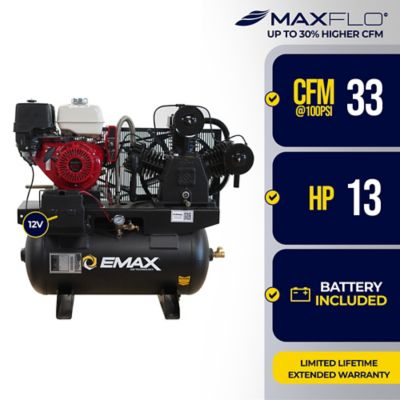
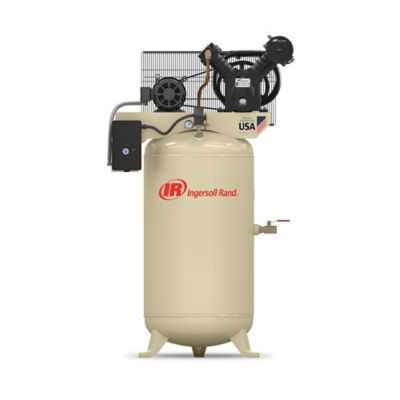
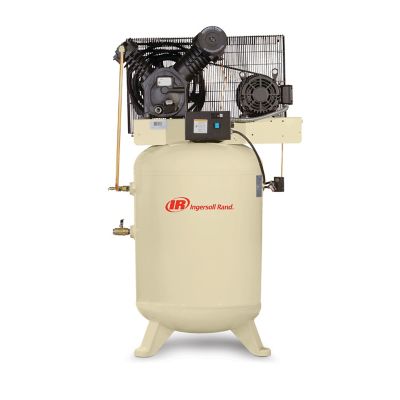
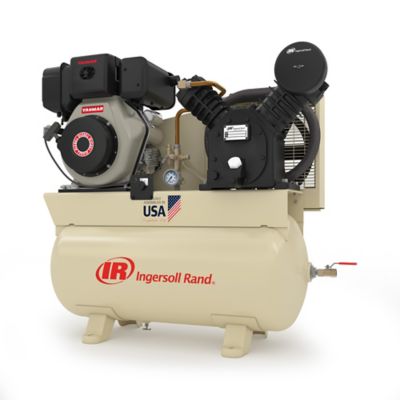
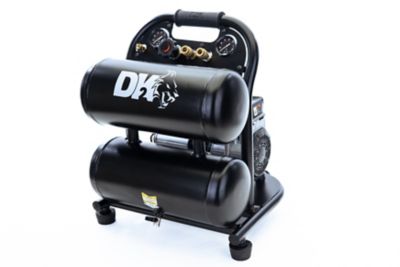
Drilling compressors are built for demanding work where ordinary shop air compressors cannot keep up. Used with water-well, geothermal, geotechnical, mining, quarrying and oil and gas drilling equipment, these heavy-duty air systems deliver the high pressure and steady airflow needed to keep a drilling operation moving. Many are portable diesel screw compressors designed for remote jobsites, while others are compact, rig-mounted units made to fit directly into a specialized drilling assembly. In either case, the compressor supplies air to a down-the-hole, or DTH, hammer, where compressed air drives the hammer’s internal piston against the bit. That repeated impact breaks through hard rock, while the same moving air carries crushed stone, dust and other cuttings back up and out of the borehole. Airflow also helps cool the bit and hammer during extended drilling, which can reduce heat-related wear when the work gets deep or the ground turns especially tough. When comparing drilling compressors, start with the requirements of the hammer, drill rig and jobsite rather than choosing by horsepower alone. CFM, or cubic feet per minute, describes the volume of air a compressor can deliver, and the needed amount depends on hole diameter, drilling depth, ground conditions and the design of the hammer. PSI, or pounds per square inch, describes pressure. The compressor should meet or exceed the hammer’s operating pressure under real working conditions, not merely show a high maximum number on a specification sheet. A unit with plenty of pressure but not enough airflow may struggle to clear cuttings, while a high-volume compressor that cannot maintain the required PSI may slow penetration and leave debris in the hole. For a broader look at equipment for demanding jobs, visit
Professional Air Compressors.
The right drilling compressor also has to suit the way your crew travels and works. A portable unit may be the better fit for well drilling contractors, utility crews, fence and foundation specialists, or drilling teams that move from one rural property to another. Trailer-towable compressors offer flexibility when access roads are rough, power is limited or the next bore is several miles from the nearest service connection. Before choosing one, check the compressor’s operating weight, overall dimensions, hitch requirements, braking setup and ground clearance against the tow vehicle and route. A unit that looks manageable on a paved yard can feel very different behind a truck on a narrow gravel lane, especially when a wet stretch of ground or a steep grade is involved. Rig-mounted models can save space and reduce setup time, making them useful where the compressor needs to travel as part of the drilling machine. They may also provide a cleaner, more balanced installation, but they require careful attention to mounting points, vibration, cooling airflow and access for maintenance. Pressure and flow should be matched to the job’s full operating range. Shallow water wells in softer formations may call for a different setup than deep geothermal holes, hard-rock exploration or large-diameter drilling. Ask about performance at sustained load, not just the peak rating. Continuous drilling can expose weak cooling systems, undersized filters or poor moisture control in a hurry. Diesel-powered compressors are common in field work because they can operate independently of grid power, but fuel capacity, noise, exhaust direction and emissions requirements matter. Equipment used near homes, schools, municipalities or enclosed work areas may need to meet applicable Tier 4 Final or other local standards. In dusty country, look for serviceable intake filtration and a layout that makes routine checks practical. Clean filters, proper oil levels and unobstructed coolers are simple details, yet they have a direct effect on pressure, fuel use and compressor life.
A drilling compressor is a serious investment for the people who depend on reliable air from the first hole of the day to the last. Contractors, well drillers, site investigation crews, quarry operators and farm owners handling their own larger projects should consider the full cost of ownership, including delivery, towing, fuel, scheduled service, replacement filters, hoses, fittings and operator training. A compressor that is inexpensive at purchase can become costly if it burns excess fuel, requires hard-to-find service parts or cannot handle the hammer’s demands without frequent shutdowns. Look for clear specifications on rated CFM, working PSI, pressure range, engine and fuel information, duty cycle, sound level, dimensions and service access. It is also smart to confirm whether the air outlet arrangement matches the drill rig and whether additional separation, filtration or aftercooling equipment is needed for the application. Moisture and oil carryover can affect tools, hoses and drilling performance, particularly as warm air travels through long lines and cools in changing outdoor conditions. Proper hose sizing, secure couplers and rated fittings help prevent pressure loss and keep high-pressure connections safer. During the warmer part of the year, good ventilation and shade can help a compressor manage heat; as cooler weather arrives, protect fuel systems, batteries and water-sensitive components from freezing conditions and condensation. Keep the machine on firm ground, follow the manufacturer’s startup and shutdown procedures, and give the crew a clear plan for lockout, pressure release and daily inspection. Drilling compressors are not casual gift items, but they can be a practical addition to a contractor’s equipment fleet or a well-planned purchase for a farm, excavation business or field-service operation. With the right balance of airflow, pressure, mobility, emissions compliance and serviceability, a drilling compressor can help a crew work more steadily through hard formations, clear the borehole cleanly and spend less time waiting on equipment when the job is far from the shop.