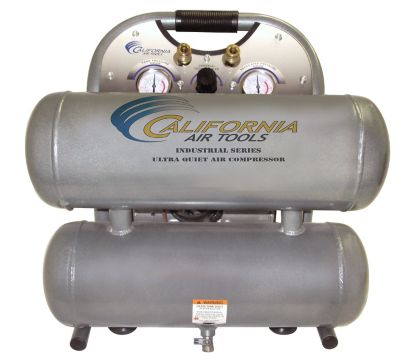
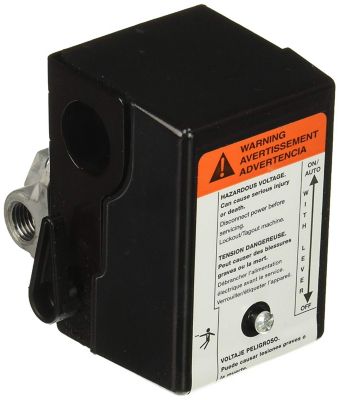
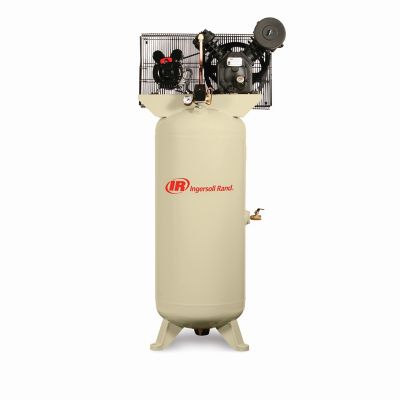
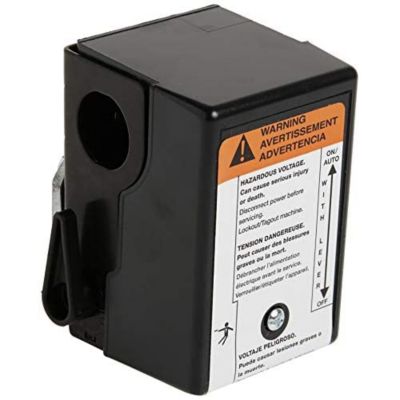
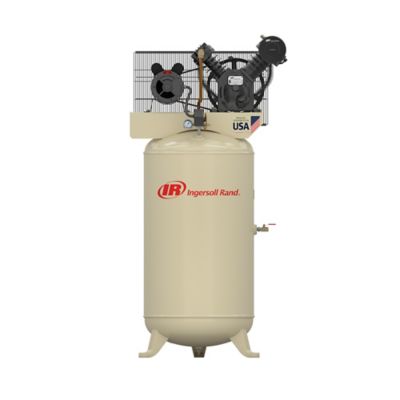
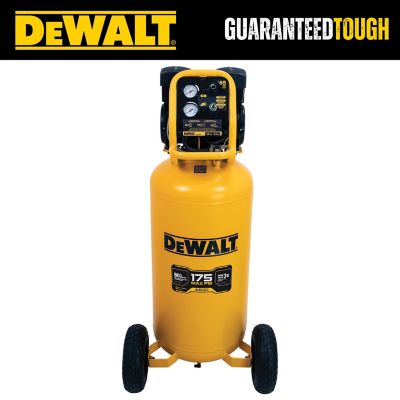
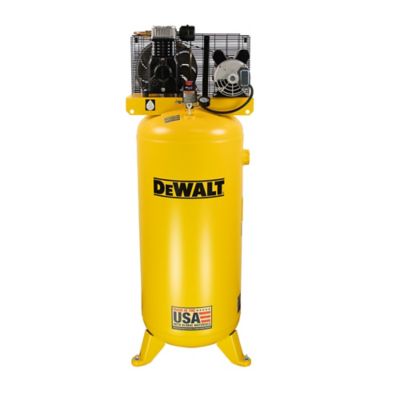
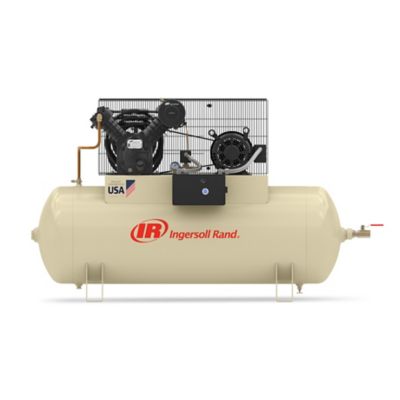
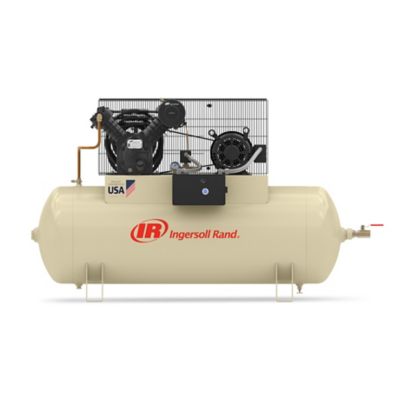
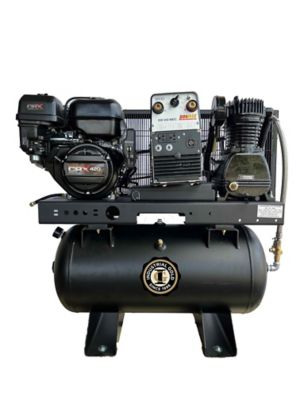
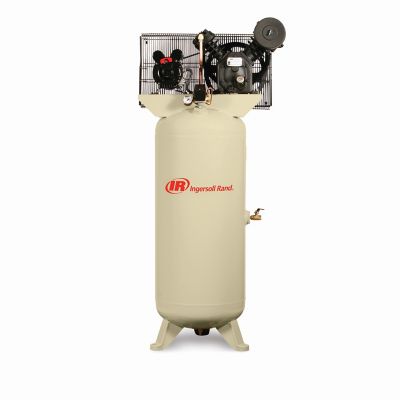
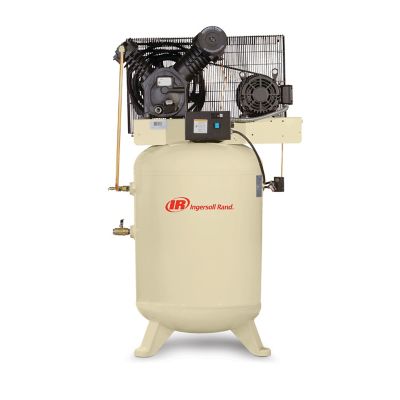
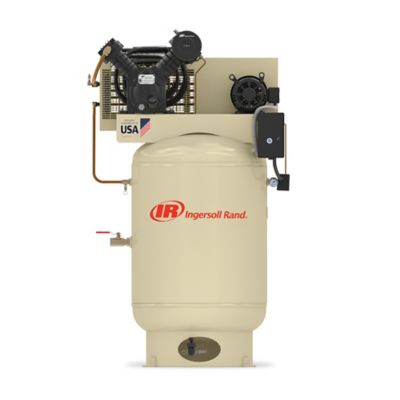
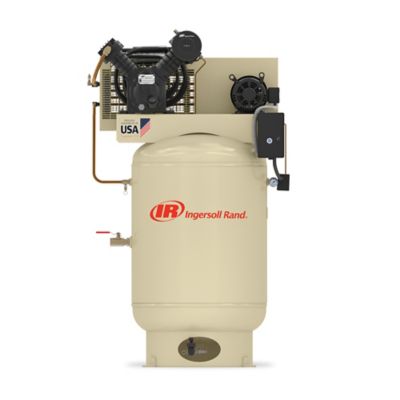
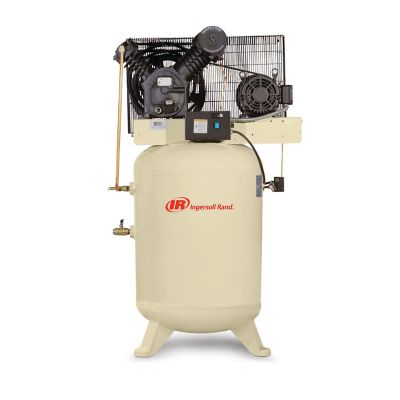
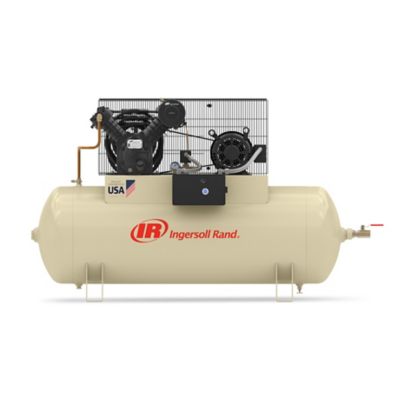
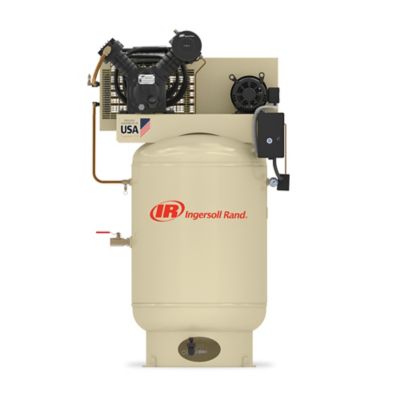
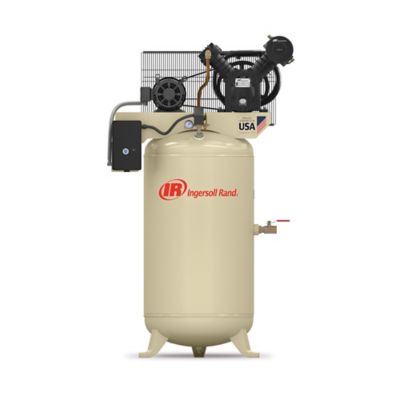
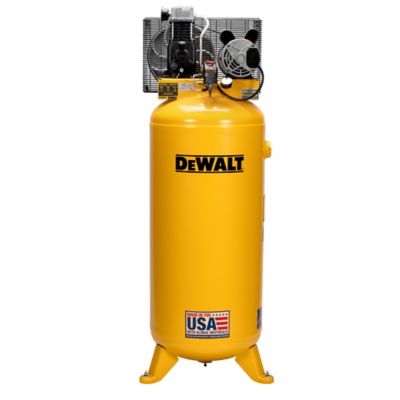
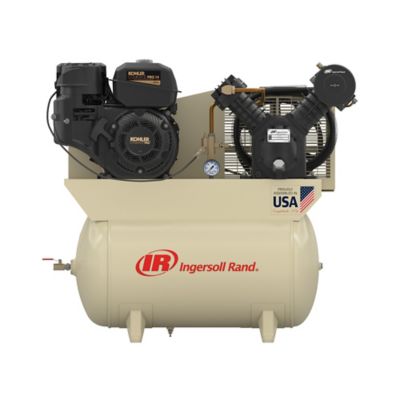
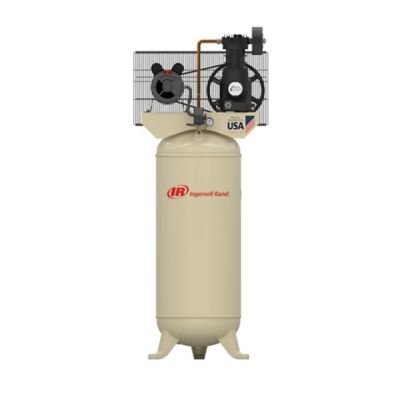
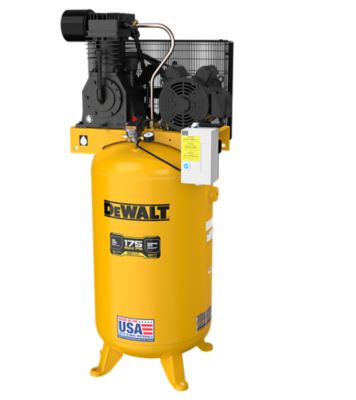
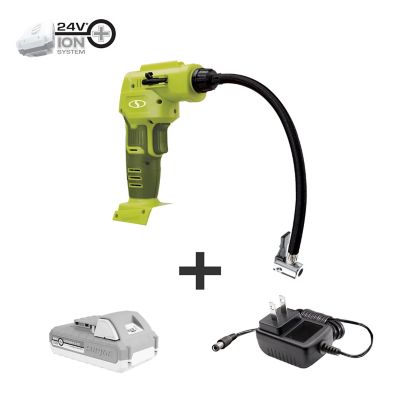
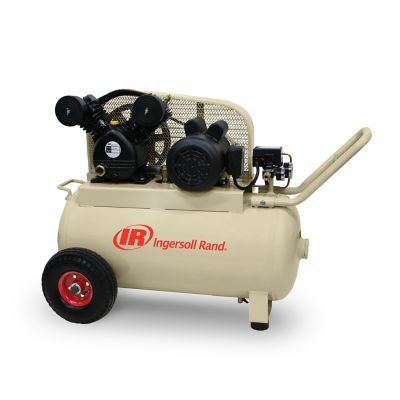
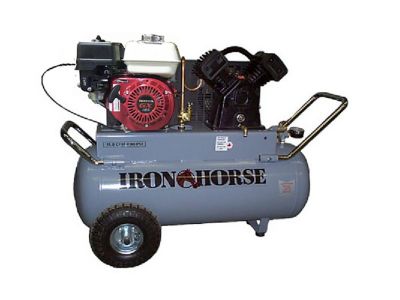
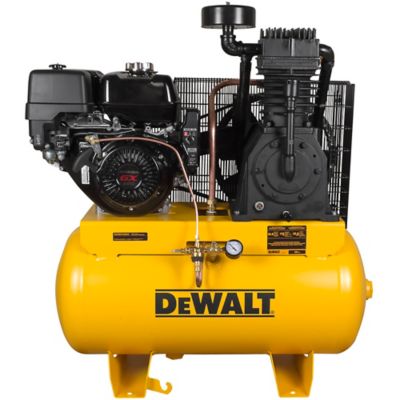
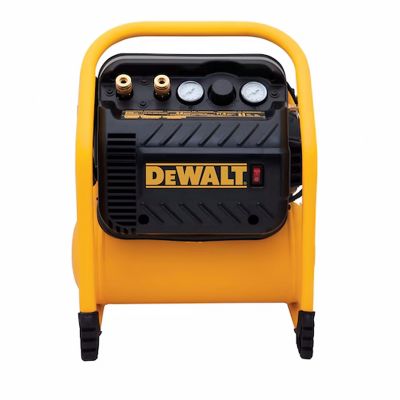
Industrial air compressors are built for the kind of work that keeps a busy shop, farm, garage or production floor moving. Unlike a small portable compressor meant for occasional nailing or inflating, an industrial unit is designed to deliver dependable compressed air for demanding tools and equipment, often through long workdays and repeated duty cycles. These stationary machines can power impact wrenches, grinders, sanders, spray equipment, blow-off guns, tire changers, lifts and other pneumatic tools without the frequent pauses that come with undersized equipment. In an automotive shop, compressed air may be used from the first repair of the morning through the last tire service of the day. Around a farm, it can help with equipment maintenance, cleaning debris from hard-to-reach areas and handling repair work in a well-equipped shop as the weather shifts from warm days to cooler working conditions. A cabinet or manufacturing operation may use compressed air for assembly, controls or production equipment, while a contractor may rely on a dedicated shop compressor to keep several air tools ready at once. When comparing industrial air compressors, start with the air demand of the tools you plan to run. CFM, or cubic feet per minute, tells you how much air a compressor can deliver at a stated pressure, commonly measured at 90 PSI. Add the CFM requirements of tools that may operate at the same time, then leave some extra capacity so the compressor is not running at its absolute limit all day. PSI, or pounds per square inch, describes the pressure the system can produce and maintain. A higher maximum PSI can provide more stored pressure, but it does not automatically mean the compressor supplies more usable air, so CFM and duty cycle deserve just as much attention. Horsepower gives a general sense of motor and pump size, but it should be considered alongside the actual air delivery rating, tank size and intended workload. A large receiver tank stores compressed air and helps handle short bursts of heavy demand, while the pump and motor determine how quickly that supply can be replenished. For steady, high-volume use, look for a machine matched to the shop’s production needs rather than choosing by horsepower alone. Our selection of
Pneumatic Air Compressors can help you compare options for shop air systems, equipment service and other jobs that call for reliable compressed air.
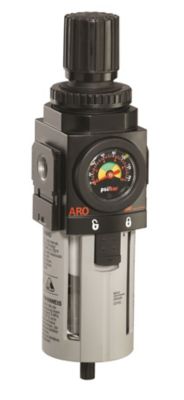
The compressor design also matters. Reciprocating piston compressors are a familiar choice for heavy intermittent use, automotive work, repair shops and farm shops where air demand comes in stretches rather than running continuously without a break. They generally use cylinders and pistons to compress air and can offer a practical starting point for serious shop work. Rotary screw compressors use interlocking helical screws and are made for steady, continuous air demand, including production environments and operations that need a consistent supply throughout the day. They are often selected for efficiency and smooth delivery when a shop cannot afford long recovery periods. Oil-free and scroll-style compressors keep oil out of the compression chamber, which can be important for applications involving medical equipment, pharmaceutical processes, food handling or other sensitive work where air purity is a top concern. The right choice depends on more than the name on the pump. Think about how many hours the compressor will run, whether air use is occasional or constant, and whether your tools need clean, dry air. Moisture naturally collects as air is compressed, especially when a tank cycles through warm and cool conditions. A properly sized air dryer, water separator, drain system and line filtration can help protect tools, painted surfaces and finished work from water or oil carryover. In a body shop, a little moisture in the line can spoil an otherwise smooth finish. In a tire or repair shop, contaminants can shorten the life of valves and air tools. Piping layout matters, too. Rigid piping with suitable drops and drain points can help deliver air more consistently than a long, undersized hose stretched across the floor. Keep the compressor in a clean, well-ventilated area with enough clearance for cooling, service and routine inspection. Dust from feed, sawdust from a farm project and metal shavings from fabrication can all find their way into filters and cooling surfaces, so a tidy installation pays off over time. If a compressor will be hardwired, placed in a commercial building or tied into a larger air system, have the electrical and installation work handled according to local requirements. The unit should have the correct voltage, circuit protection, ventilation and foundation for its size, and every air line should be rated for the pressure it will carry.
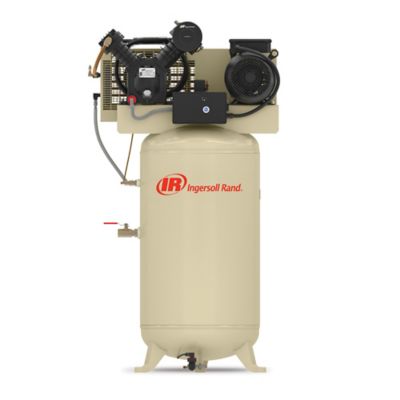
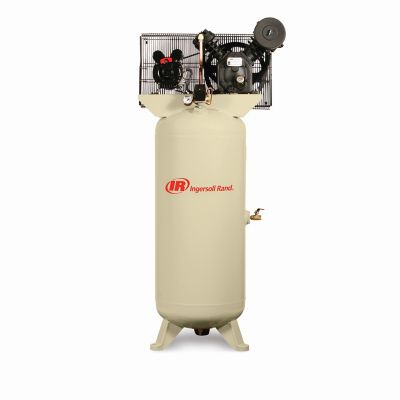
A well-matched industrial air compressor becomes one of those shop machines that quietly earns its keep. It may not be the first tool visitors notice, but it is often the one that makes a whole row of other tools useful. Before choosing, measure the available floor space, check the electrical service and consider whether the unit will need to pass through a doorway or be moved into a service bay. A vertical tank can save floor space in a crowded shop, while a horizontal configuration may fit better beneath shelving or along a wall. Pay attention to operating noise if the compressor will sit near an office, livestock area or customer counter, and look for features that make regular service easier, such as accessible filters, clear oil-level checks where applicable and convenient tank drains. Routine care typically includes draining moisture, checking belts and fittings, cleaning intake filters, inspecting hoses and watching for air leaks. A small leak may sound like a faint hiss behind the bench, but over a long workday it can make the compressor run far more often than it should. Leak checks and scheduled maintenance can help protect energy use and extend equipment life. During the warmer part of the year, good airflow around the motor and pump helps prevent heat buildup; during cooler months, allow the machine and lines to reach suitable operating conditions and keep drain points from collecting excess moisture. Industrial air compressors can be a smart investment for mechanics, welders, fabricators, maintenance crews, farmers, serious hobbyists and small businesses that depend on dependable shop air. They are also a practical gift for someone building a home workshop, outfitting a new service bay or turning a simple garage into a capable place for equipment repair and fabrication, though the recipient will need enough space and the proper electrical setup. Choose capacity based on real work, not just the biggest number on the label, and consider the compressor, air treatment and distribution system as one complete setup. With the right match, compressed air is ready whenever the impact wrench comes out, the spray gun is cleaned, the tire needs service or another long day of work begins.