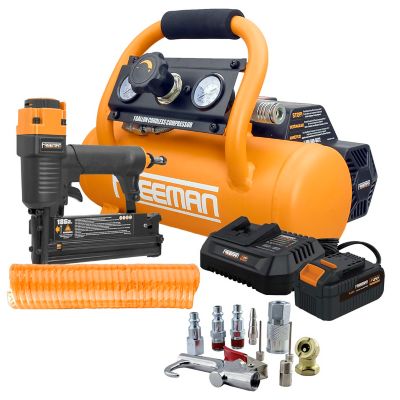
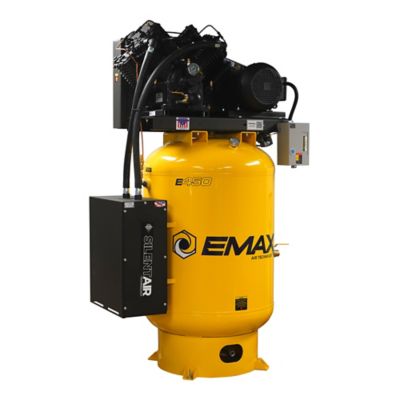
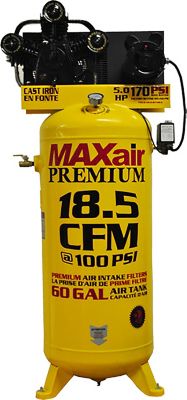
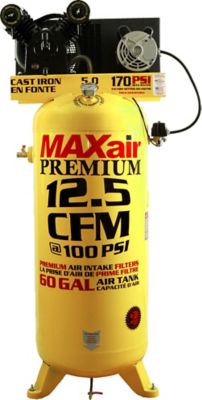
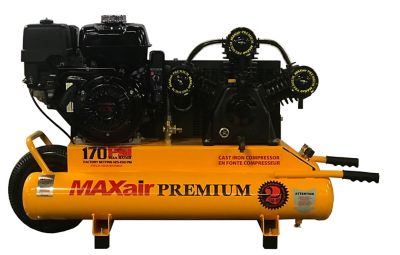
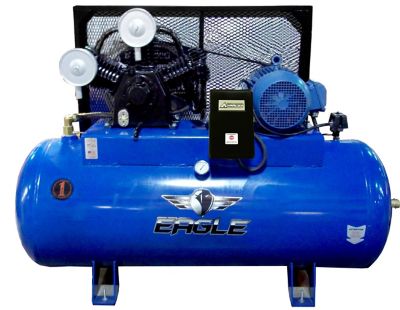
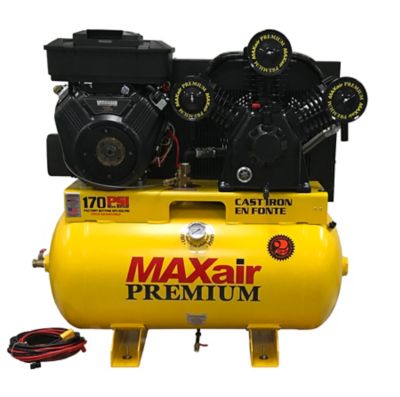
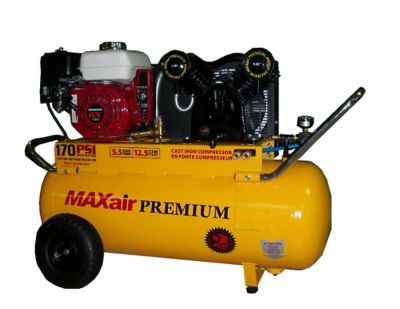
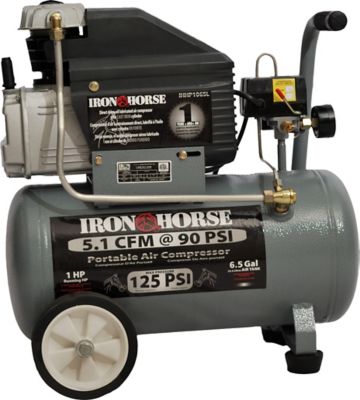
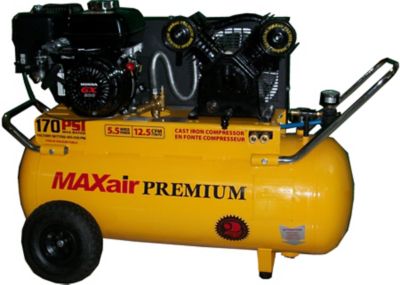
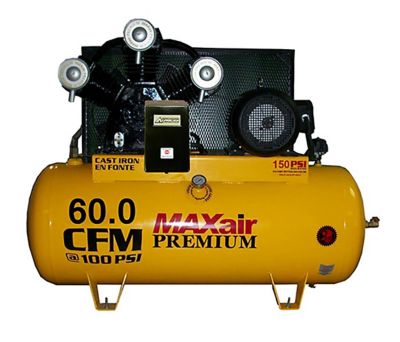
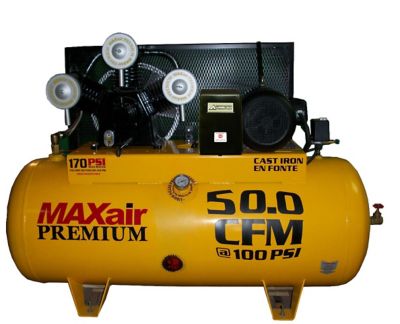
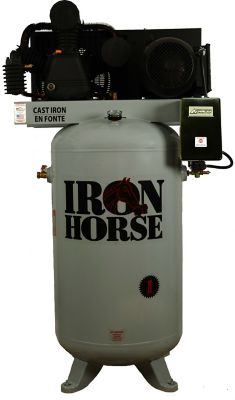
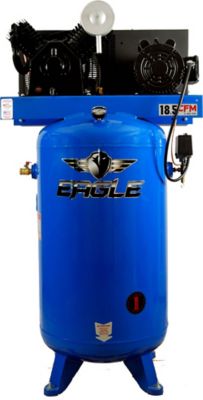
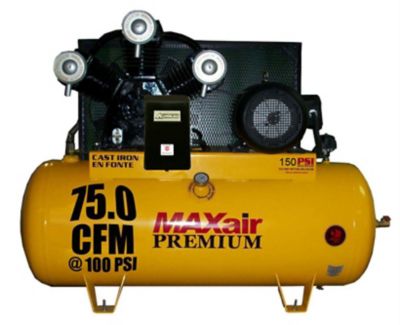
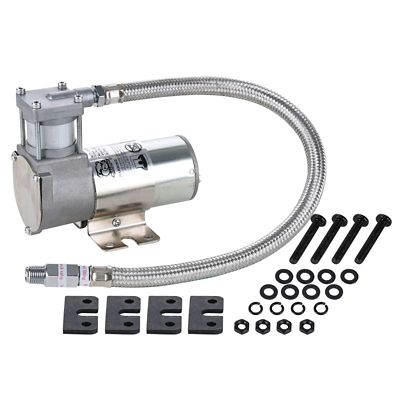
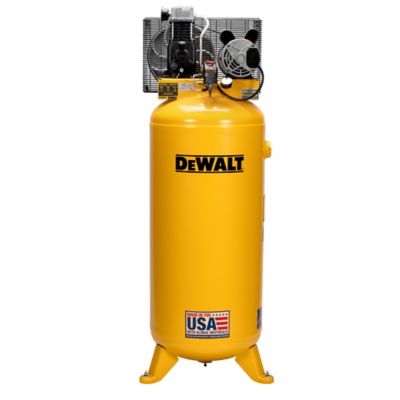
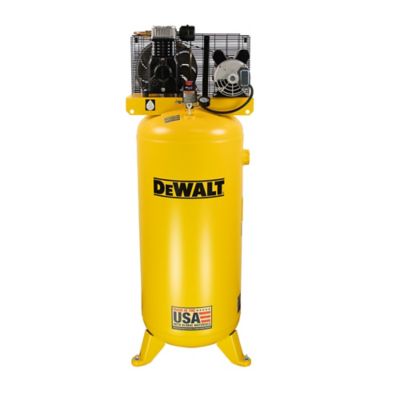
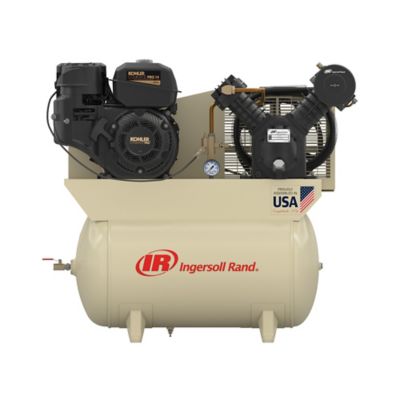
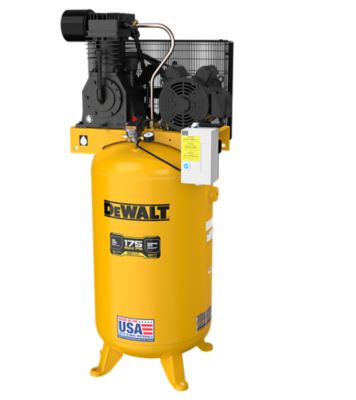
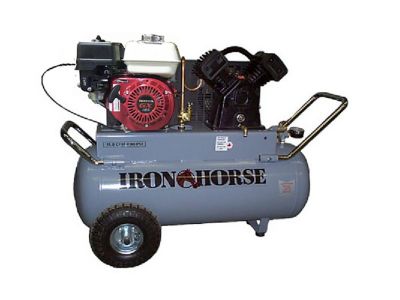
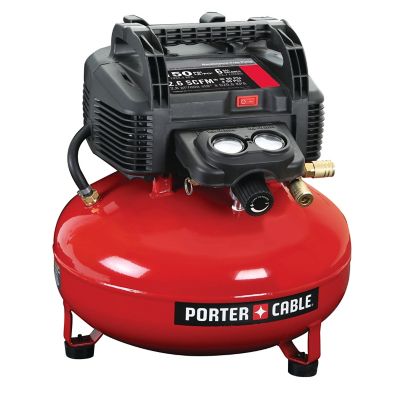
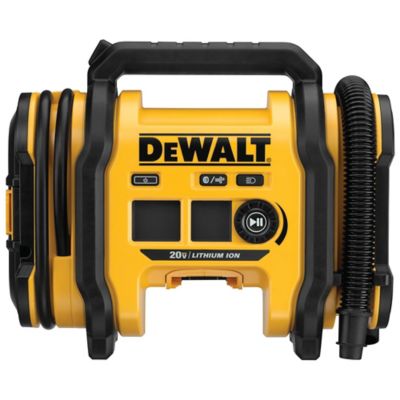
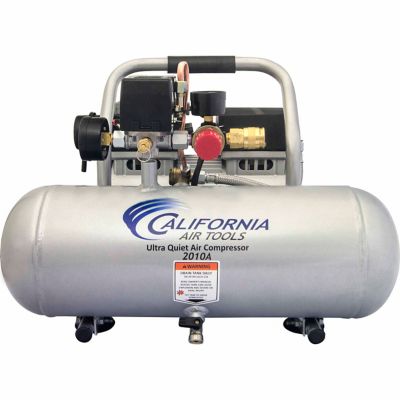
Professional air compressors bring dependable compressed air to busy shops, farms, garages, construction sites and maintenance areas where a small occasional-use unit may not keep up. They power air impact wrenches, ratchets, grinders, sanders, nailers, staplers, blow guns, spray equipment and other pneumatic tools, giving them steady force without relying on a separate motor in every tool. A compressor can be especially useful around a working farm or rural property, where one machine may help with equipment repairs, tire inflation, cleaning debris from hard-to-reach places and finishing projects in the shop. When choosing among professional air compressors, start with the tools you expect to run and check their air requirements. CFM, or cubic feet per minute, tells you how much air the compressor can deliver at a stated pressure, while PSI, or pounds per square inch, describes the pressure the system can build and hold. The CFM rating matters most when a tool runs continuously, such as a grinder, sander or paint sprayer. A compressor with a higher delivered CFM rating gives the tool a better chance of working smoothly without frequent pauses while the tank refills. PSI still matters for tools that need higher pressure, but a high maximum PSI alone does not guarantee enough airflow for demanding work. Look for ratings measured at a practical pressure, commonly 90 PSI, and compare the compressor’s output with the tool manufacturer’s requirements. For occasional bursts, choosing a compressor that meets the tool’s needs may be enough; for a busy professional workspace, extra capacity can help reduce strain and keep the job moving.
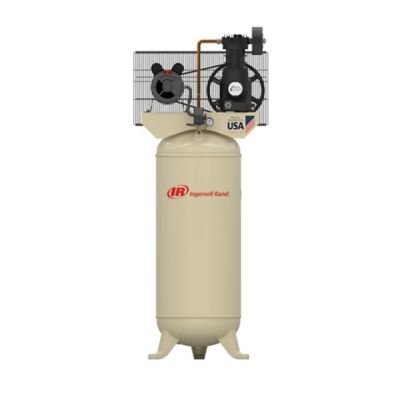
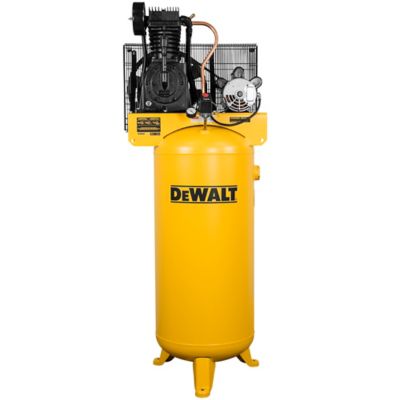
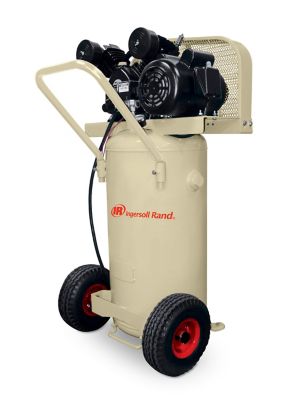
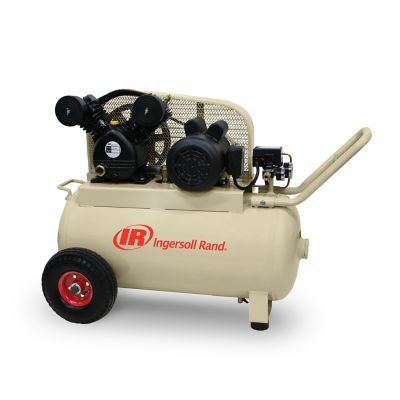
Tank size and compressor design also shape how a unit performs. A smaller tank can be convenient for intermittent tasks and may recover quickly when paired with an appropriately sized pump, while larger tanks hold more reserve air for repeated bursts and help smooth out demand from tools that cycle on and off. Stationary professional air compressors with larger horizontal or vertical tanks are a natural fit for a dedicated garage, repair bay or workshop with a suitable power supply and a permanent air line. Portable units offer more flexibility for service calls, framing, fencing, finish work and projects spread around a property. If you need to carry the compressor up steps, load it into a truck or move it between buildings, pay close attention to total weight, wheel design, handles and overall footprint. Pump construction is another important consideration. Cast-iron pumps and two-stage designs are commonly selected for demanding workloads because they are built to run cooler and handle repeated use, though the right choice depends on the required airflow, operating schedule and available budget. Oil-lubricated pumps can offer long service in a shop when maintained properly, while oil-free designs may simplify certain tasks and avoid oil contamination concerns. Check the motor horsepower, voltage and phase requirements before purchase, especially if the unit will be installed in a barn, detached garage or older shop. Some professional units require a dedicated 230-volt circuit, and larger systems may need electrical work completed by a qualified professional. A compressor that fits the work but not the available power supply will not be a practical addition, so confirm electrical requirements and installation needs ahead of delivery. For jobs that call for a lighter footprint, explore
Compact Air Compressors for smaller shop spaces and portable applications.
Before settling on a professional air compressor, think through the whole air system rather than the tank alone. A properly sized hose, fittings, regulator, filter and moisture separator can make a noticeable difference in tool performance and finish quality. Long or undersized hoses may restrict airflow, while moisture in the line can affect pneumatic tools, stain a painted surface or contribute to corrosion. A filter and dryer setup is useful for spray finishing and other work where clean, dry air matters. Look for accessible drain valves, easy-to-read gauges, a reliable pressure switch and service points that are simple to reach. Noise can be a major factor when the compressor sits near a home, office or livestock area, so compare sound ratings and consider placing the unit in a well-ventilated enclosure designed for safe airflow rather than simply closing it inside a small room. Leave adequate clearance around the motor and pump, and never block cooling vents. Routine care helps protect the investment: drain tank moisture as recommended, inspect hoses and fittings, check oil levels on lubricated pumps, clean intake filters and watch for unusual vibration, heat or air leaks. Follow the owner’s manual for break-in, belt tension, lubrication and service intervals. Safety matters every time the compressor runs. Wear eye and hearing protection, use the correct pressure rating for every hose and fitting, secure the tank on a stable surface and never use compressed air on skin or clothing. A professional air compressor can be a practical gift for a mechanic, contractor, serious DIYer, maintenance worker or farm owner, especially when paired with useful accessories such as a quality hose, tire inflator, blow gun or air-tool kit. As the weather warms, it can help with outdoor repairs and equipment upkeep; during the cooler months, it provides a dependable way to keep shop projects, vehicle work and routine maintenance moving indoors. With the right airflow, power setup, tank capacity and maintenance plan, a professional compressor becomes a hardworking part of the shop instead of a machine that sits unused.