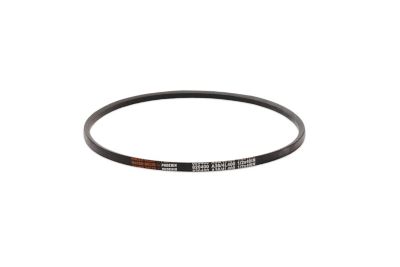
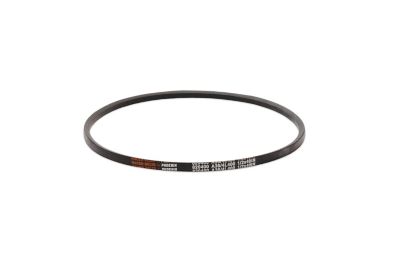
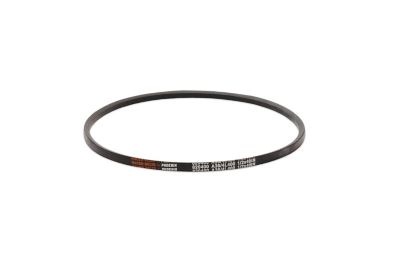
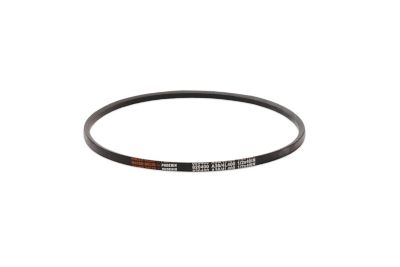
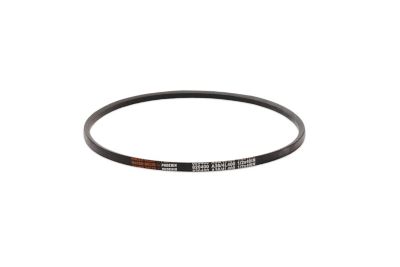
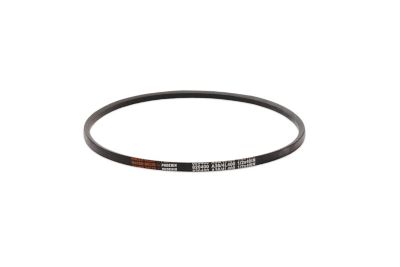
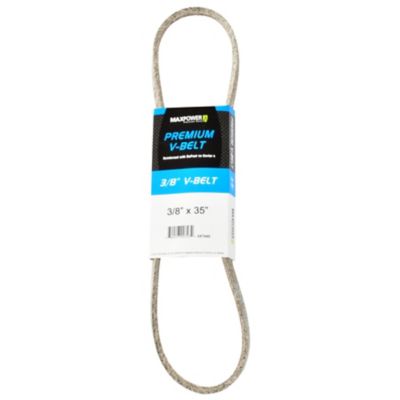
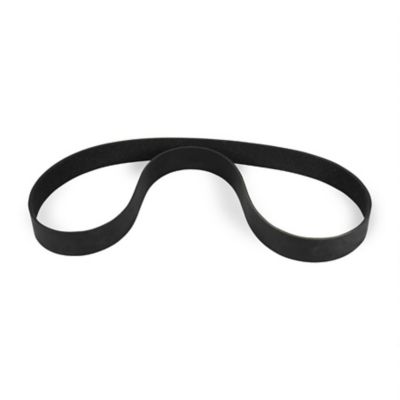
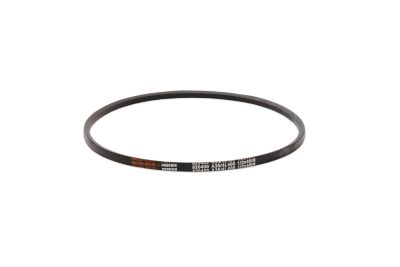
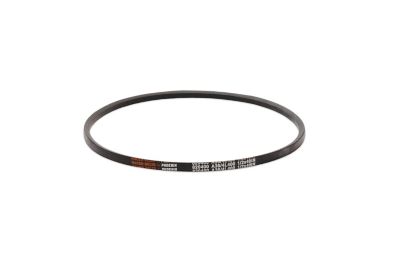
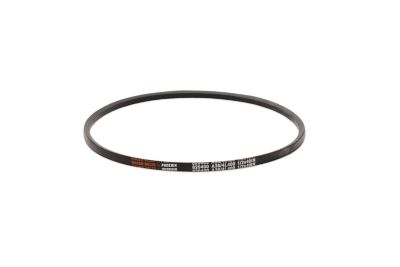
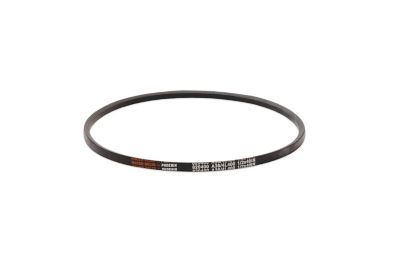
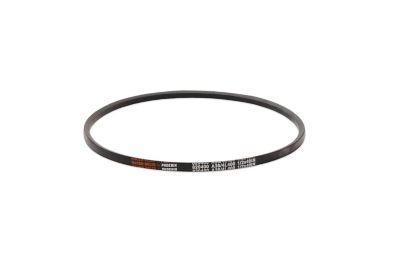
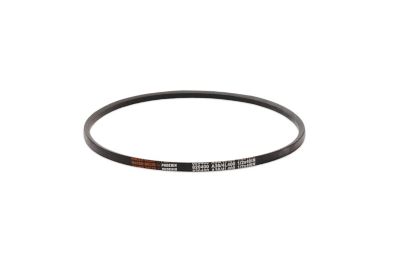
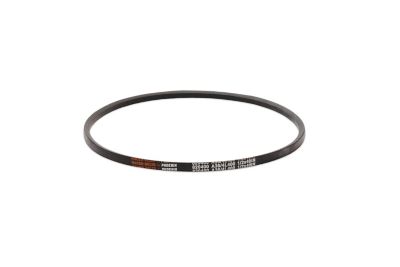
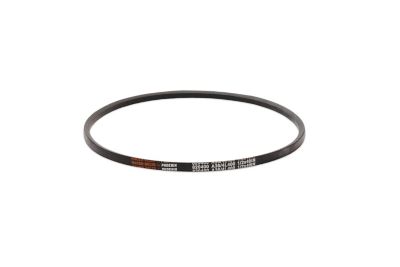
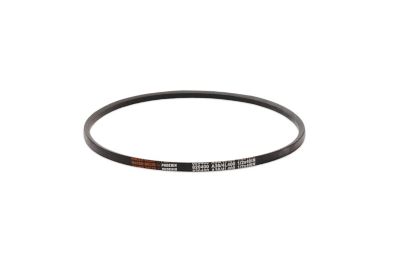
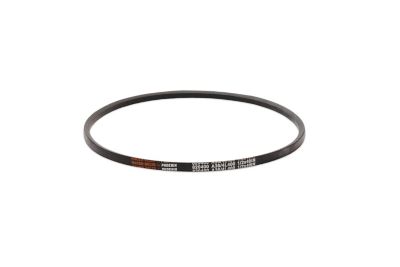
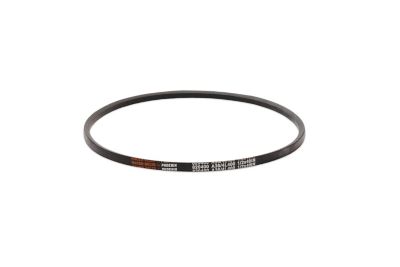
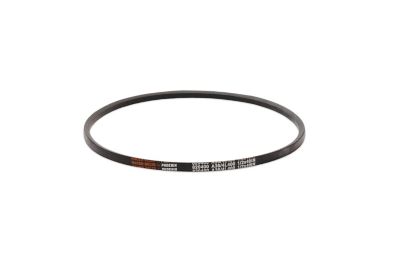
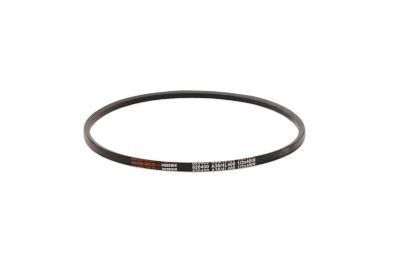
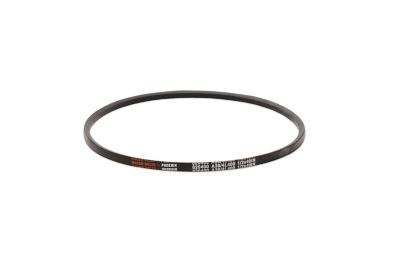
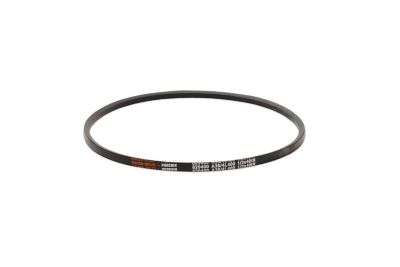
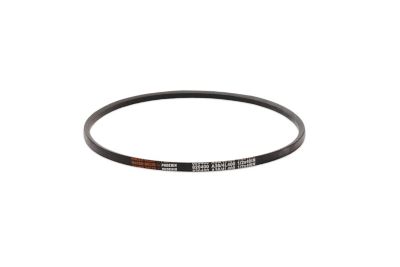
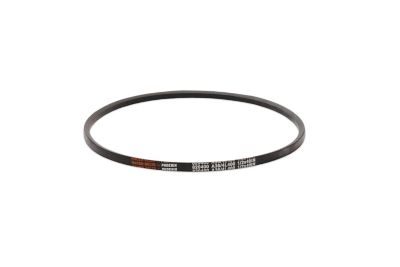
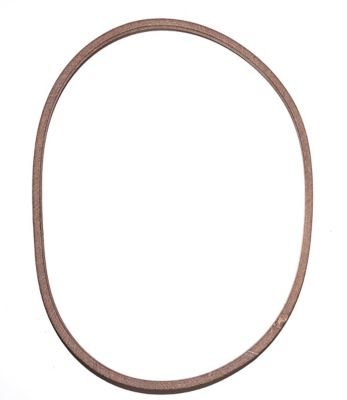
When it comes to keeping your air compressor running smooth out in the shop, barn, or garage, it’s hard to overstate the importance of a good air compressor belt. These belts are the unsung heroes, transferring power from the motor to the pump and making sure you get the airflow you need for all sorts of jobs—from airing up tractor tires and running nail guns to powering paint sprayers and shop tools. Folks who rely on their air compressors for daily chores know that a worn-out or slipping belt can bring everything to a halt. Whether you’re a farmer, a rancher, a backyard mechanic, or just someone who likes to keep their own equipment in top shape, having the right air compressor belt on hand can save you time, money, and frustration. Even if you don’t use your compressor every day, it’s smart to give that belt a look every so often, especially as the weather warms up and projects start piling up. Signs like squealing, reduced performance, or visible cracks mean it’s probably time for an air compressor belt replacement. And if you’ve ever been halfway through a job when the belt gives out, you know it’s worth having a spare tucked away on the shelf.
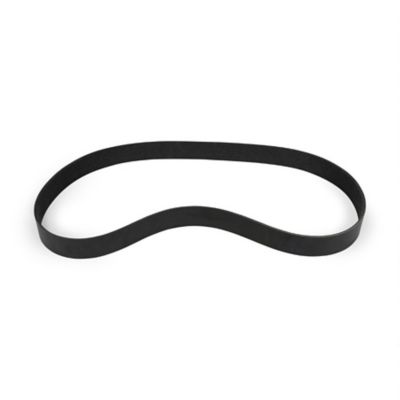
Choosing the right air compressor belt isn’t just about grabbing the first one you see. It’s important to match the size, profile, and material to your specific compressor—most commonly, you’ll find V-belts, poly belts, or flat belts made from durable rubber, sometimes reinforced with Kevlar for extra strength. Getting the tension just right is key; too loose and it’ll slip and squeal, too tight and you risk putting extra strain on the bearings. A good rule of thumb is about a half-inch of deflection with five pounds of force, but always check your owner’s manual for the specifics. For folks who work with their hands every day, keeping an eye out for compressor belts near me or air compressor belts near me is just part of regular maintenance, especially during those busy stretches when the compressor is getting a workout. Air compressor belts also make a thoughtful gift for anyone who loves tinkering with tools or keeping their equipment in top-notch shape—think of the satisfaction when a buddy or family member opens up a box and finds exactly what they need to finish a project. And if you’re already looking to upgrade or repair your compressor setup, it’s worth checking out related parts like
Compressor Lines to keep everything running as it should.
No matter if you’re prepping for another season of farm work, gearing up for a round of home repairs, or just making sure your gear is ready for whatever comes next, having the right air compressor belt on hand is a small step that makes a big difference. Regular inspection and timely replacement keep your tools humming and your projects on track, so you’re not left scrambling when you need reliable air power the most. From seasoned pros to weekend warriors, everyone appreciates the peace of mind that comes from knowing their equipment is ready to go—especially when the days are long and there’s plenty of work to be done. With a little attention to detail and the right parts, your air compressor will be ready to tackle whatever the summer and fall seasons throw your way.