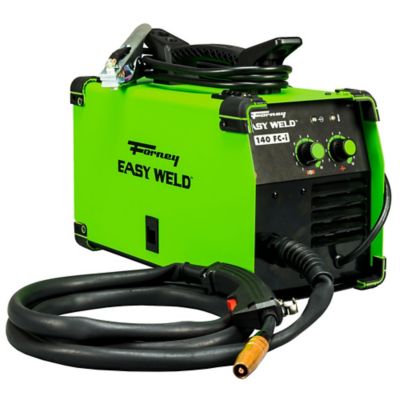
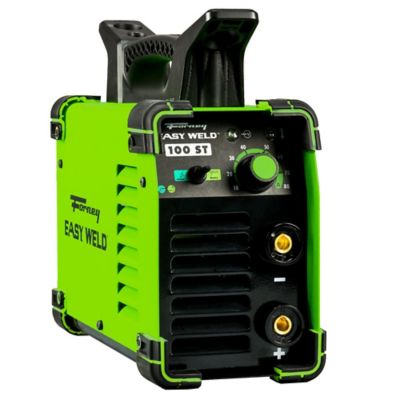
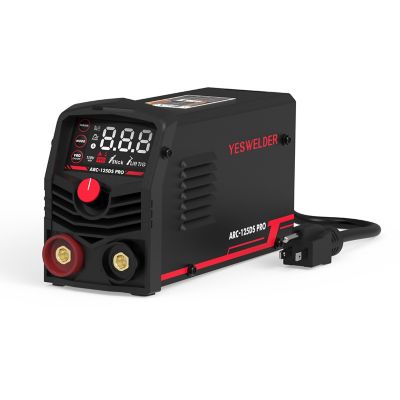
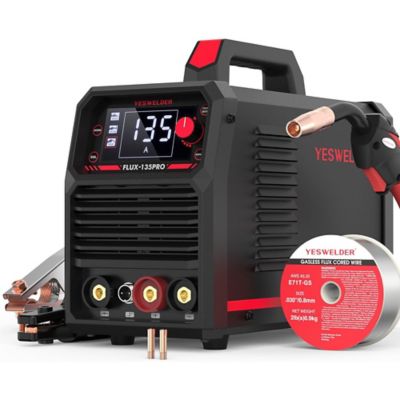
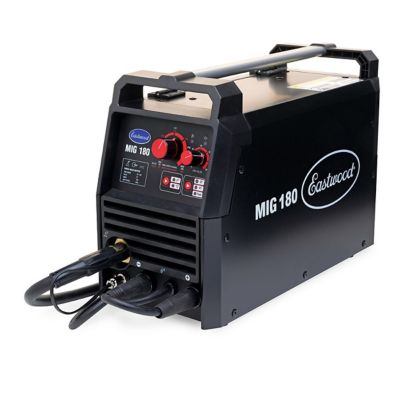
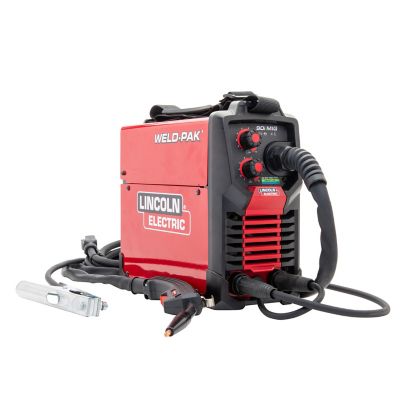
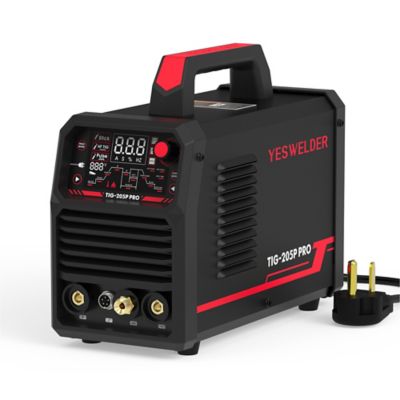
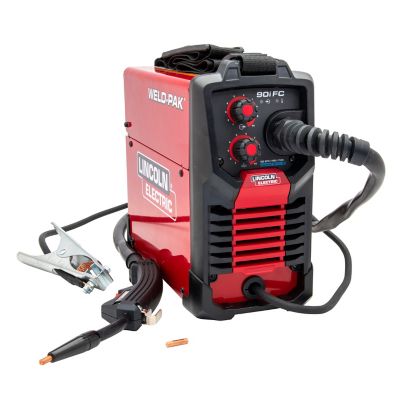
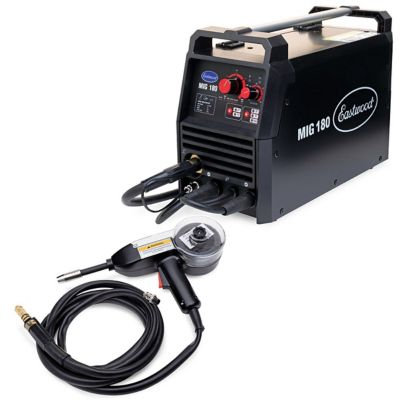
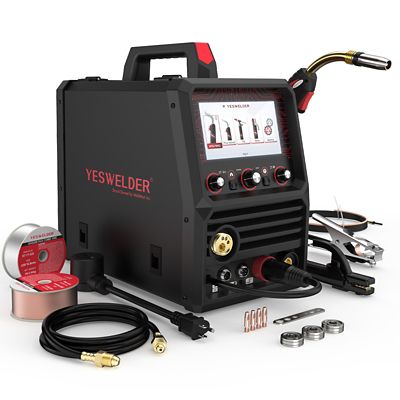
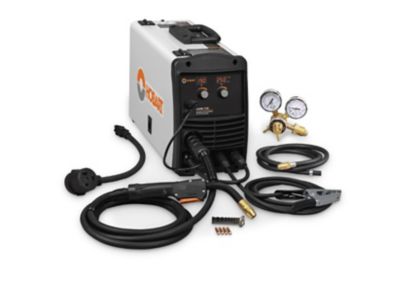
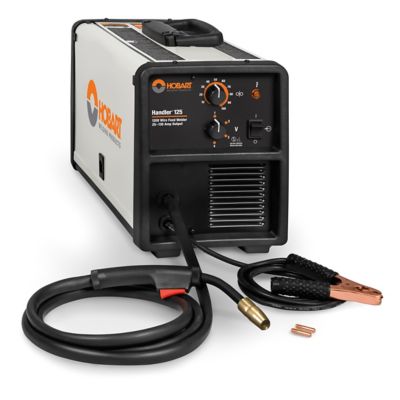
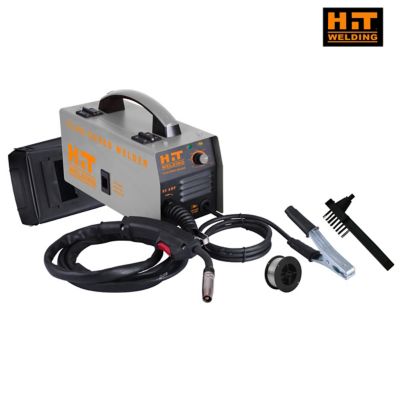
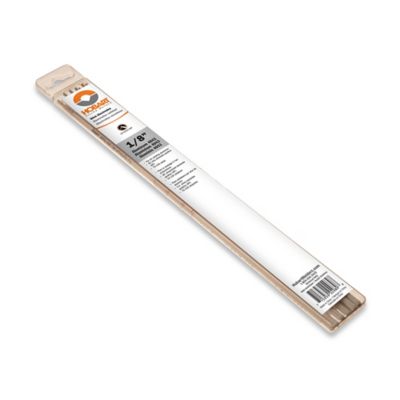
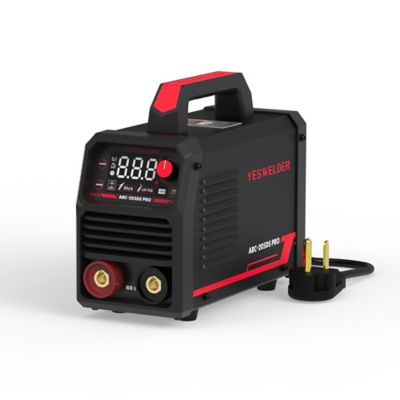
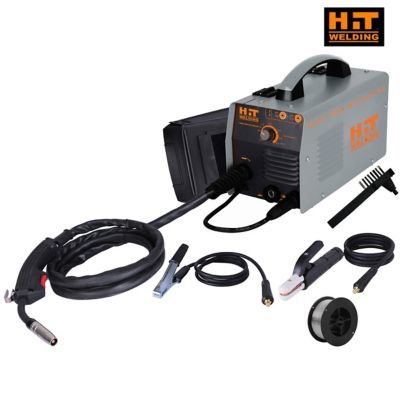
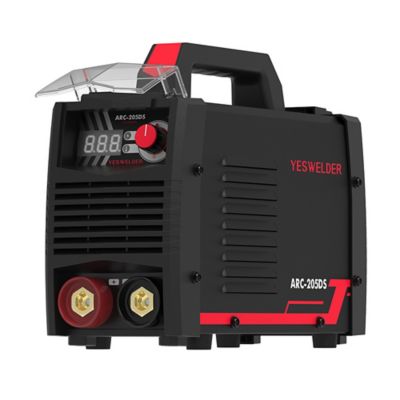
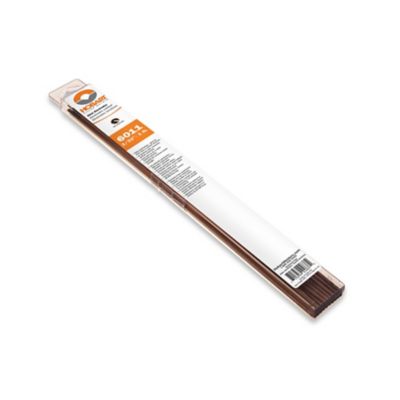
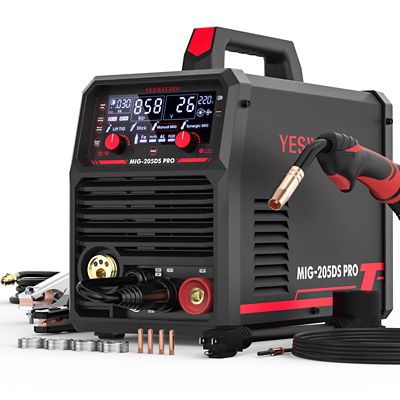
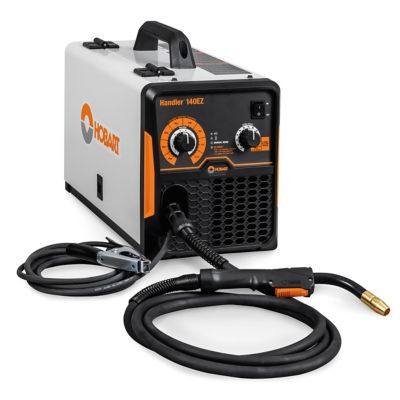
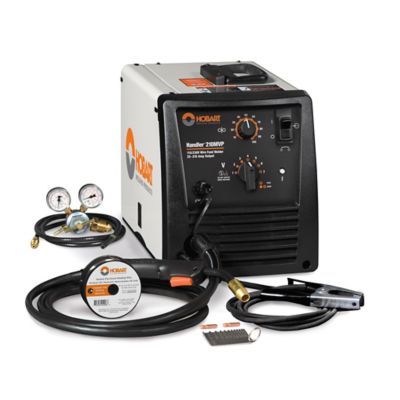
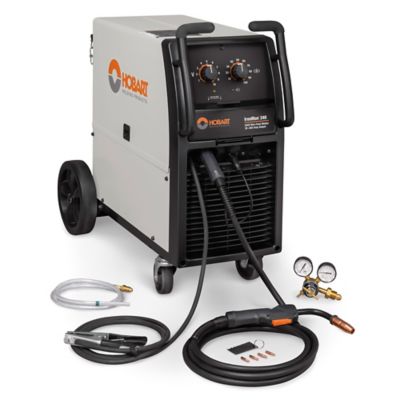
Welding tools for beginners generally fall into four groups: a welding machine matched to the job, protective gear, metal preparation and measuring tools, and workholding and cleanup equipment. A practical starter setup brings those pieces together around the kind of metalwork ahead, whether that means practicing beads on scrap steel, making small shop organizers, or learning basic fabrication in a home garage. For folks setting up a farm shop or working alongside an experienced welder, straightforward controls and clearly marked settings can make equipment easier to get familiar with. Mild steel is a common starting material, but its thickness still matters when choosing a machine’s output range. Wire-feed machines include MIG setups that require shielding gas and machines compatible with self-shielded flux-core wire, which does not need an external shielding-gas supply. Not every wire-feed machine supports both processes, so process compatibility deserves a close look. Stick welding equipment offers another approach to steel work, while TIG equipment provides fine control but asks for more coordination and careful preparation. Aluminum and stainless steel bring their own requirements for machine capability, filler metal, shielding gas, and cleaning supplies; a setup suited to mild steel is not automatically ready for every metal. Electrical requirements matter just as much as the welding process. Input voltage, circuit capacity, plug configuration, and manufacturer requirements all affect whether equipment belongs in a particular workspace. Duty cycle is another useful comparison: it describes how long a machine can weld at a stated output before it needs a cooling interval, commonly within a ten-minute period. Machine weight, handle placement, cable length, and room for a shielding-gas cylinder also shape how comfortably a setup fits the shop. A compact machine may be easier to move between benches, while longer leads can provide more working room without shifting the machine itself. Clear documentation, accessible controls, and compatible replacement consumables help make the equipment easier to understand and maintain as skills develop.
Protective equipment is a central part of any beginner welding setup, not an extra to consider after the machine. A welding helmet needs a filter shade appropriate to the process and amperage, along with headgear that stays put when the wearer bends over a workpiece. Auto-darkening helmets can make positioning easier, but lens shade range, response specifications, viewing area, and adjustment controls still deserve attention. Safety glasses belong beneath the helmet, and grinding calls for eye and face protection suited to flying particles. A welding helmet alone does not provide the right protection for every shop task. Gloves also need to match the process: heavier welding gloves offer more coverage against heat and spatter, while TIG gloves generally favor finger movement and control. Fit matters because loose fingertips can make handling filler metal awkward, and tight gloves can restrict movement. Flame-resistant clothing, properly fitted welding sleeves or jackets, and leather work boots help cover exposed skin. Clothing that traps sparks in cuffs or open pockets creates another concern, while many synthetic fabrics can melt when exposed to welding heat. Helmet clearance around prescription glasses, glove cuff coverage, and freedom of movement through the shoulders are worth considering together rather than as separate purchases. The work area needs attention, too. Welding screens help shield nearby people from arc radiation, but they do not replace eye protection for the person welding. A noncombustible work surface, separation from flammable materials, and suitable fire protection belong in the overall setup. Welding fumes require proper ventilation and, when needed, local exhaust and respiratory protection selected for the hazard. A respirator is not a substitute for ventilation. Painted, plated, or unidentified metals can introduce additional hazards, and containers that have held fuel or chemicals are not beginner practice material. Hands-on instruction and the equipment manuals provide an important foundation for recognizing these risks before the first arc.
Metal preparation and workholding tools often make the difference between an awkward practice session and a manageable one. Rust, mill scale, paint, oil, and poorly fitting edges can interfere with a weld, so the surrounding tools deserve as much thought as the machine. Grinders, suitable abrasive wheels, files, and wire brushes serve different preparation and cleanup jobs. Wheel type, size, speed rating, and guard compatibility need to match the tool and task; an attachment that fits the spindle is not necessarily the right attachment for the work. Separate brushes and abrasives for different metals can help prevent cross-contamination, especially when working with stainless steel. For the cutting, drilling, and grinding jobs that go along with metalwork,
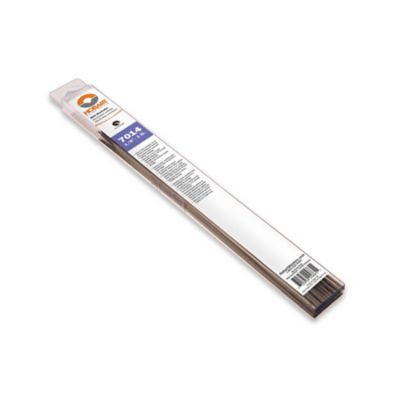
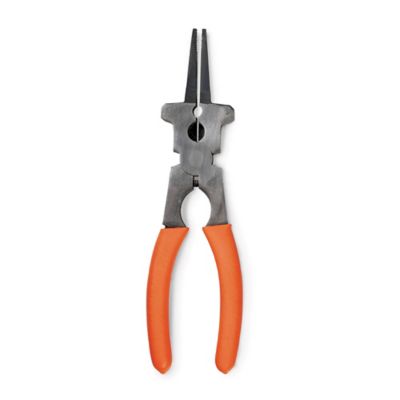
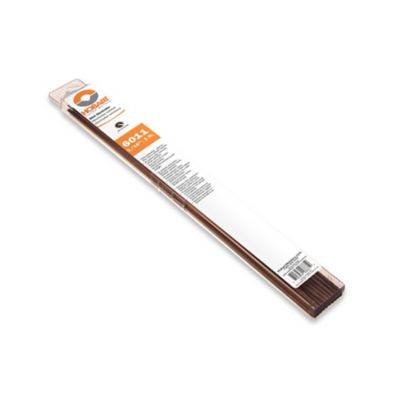
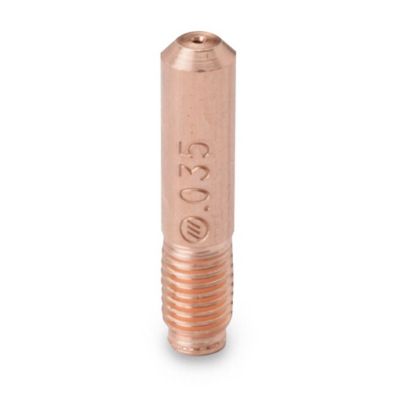
Power Tools For Beginners offers a look at related equipment. At the welding bench, tape measures, squares, marking tools, and clamps help hold parts where they belong while fit-up gets checked. Clamps need enough opening and throat depth to reach the work, and a stable metal table gives small pieces a steady resting place. Purpose-built welding pliers can handle several wire-feed tasks, while a chipping hammer and wire brush suit processes that leave slag behind. Consumables such as contact tips, nozzles, wire, and electrodes must match the machine, process, and material rather than simply look similar. Storage matters here: filler metals need protection from moisture and contamination according to their manufacturer’s directions, and helmet lenses need a clean, scratch-free place between jobs. Routine checks of leads, connectors, electrode holders, and work clamps can reveal damage before it interrupts a session or creates a hazard. For someone giving welding equipment as a gift, measuring tools, suitable clamps, or protective gear with confirmed sizing can support a learner without guessing at machine compatibility. Practice pieces and noncritical projects offer room to build familiarity; structural, lifting, pressure-containing, and road-going repairs call for qualified assessment and the right procedures. A well-matched beginner setup supports that progression with equipment that fits the work, the workspace, and the person behind the helmet.