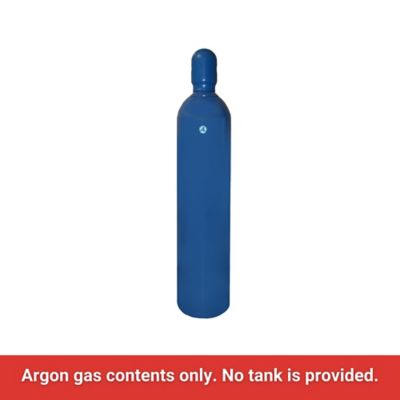
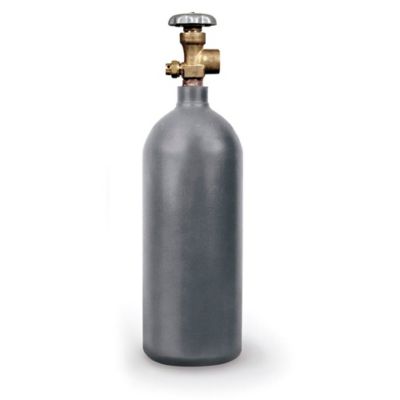
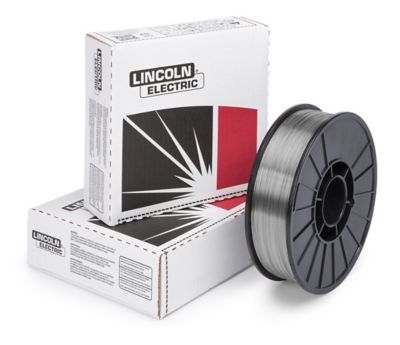
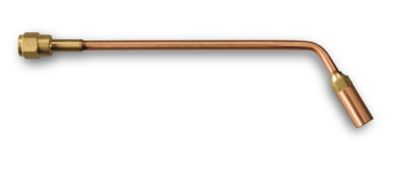
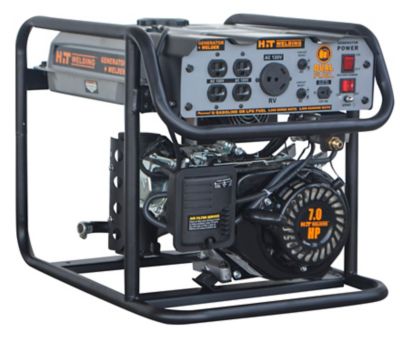
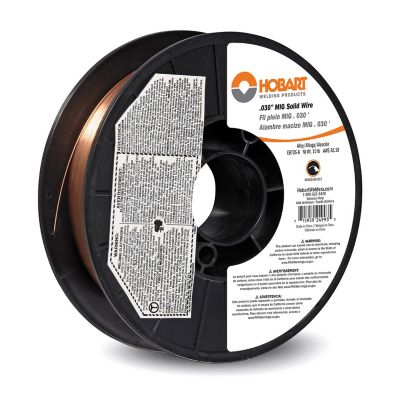
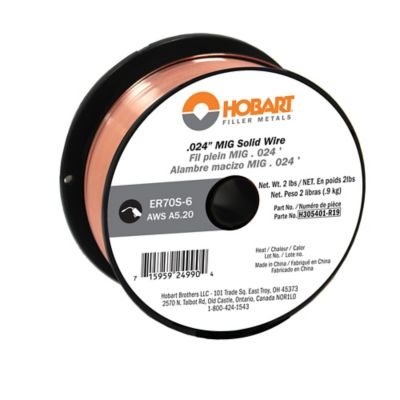
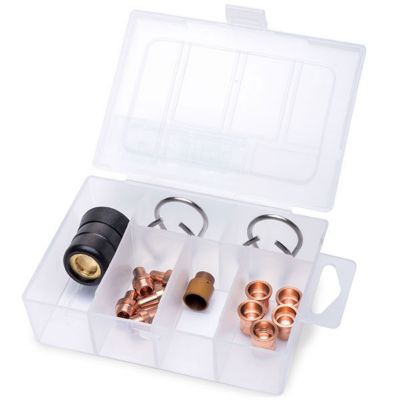
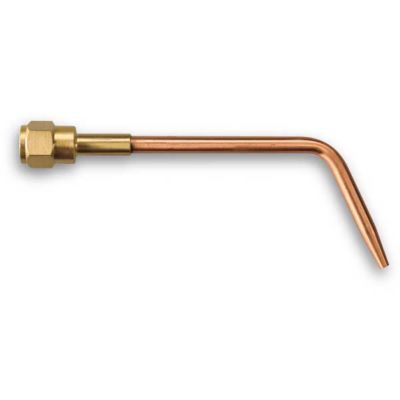
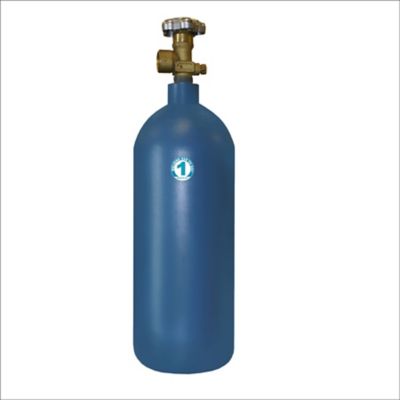
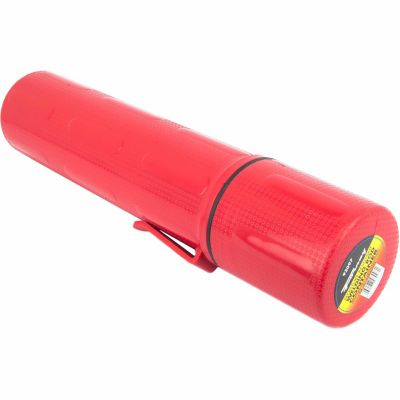
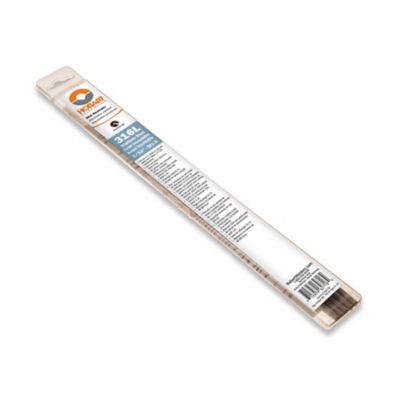
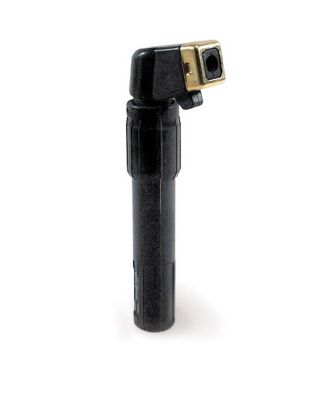
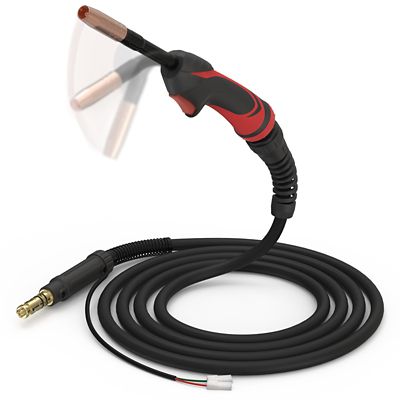
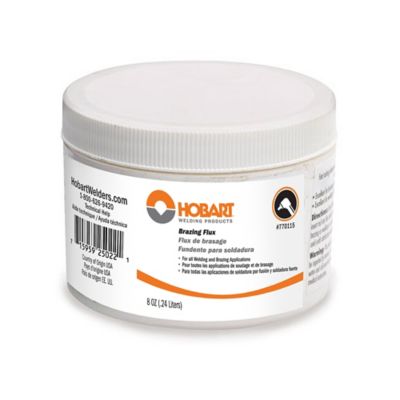
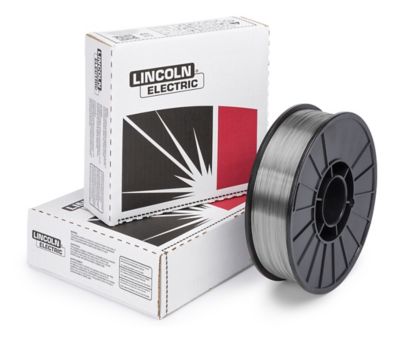
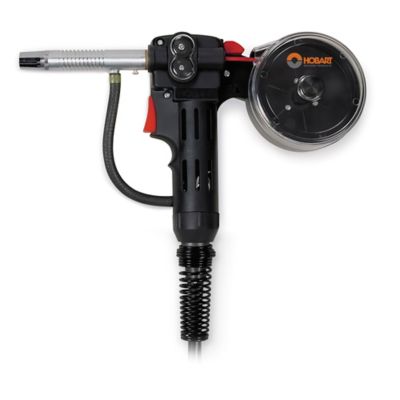
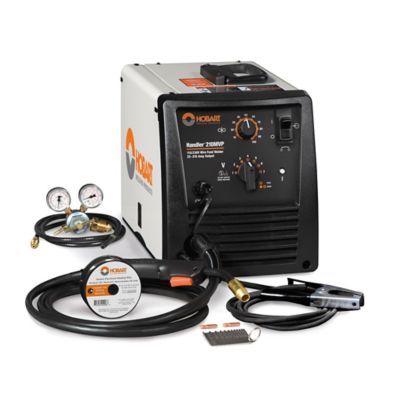
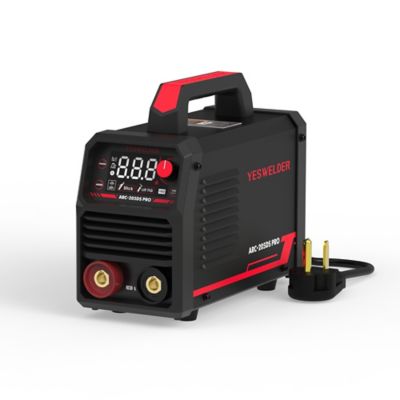
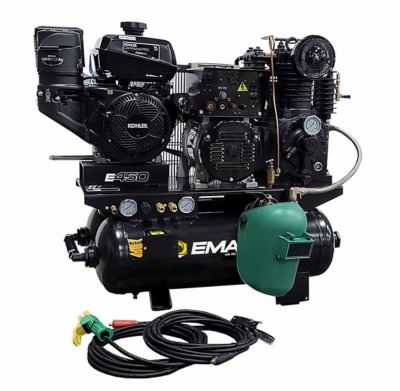
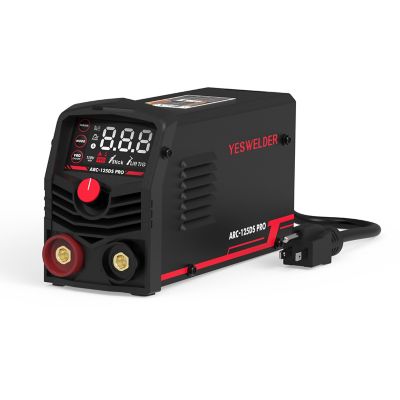
Welding supplies help turn a repair job, farm project or weekend build into something solid enough to stand up to hard use. On a rural property, welding often starts with a practical need: a gate hinge that needs reinforcing, a trailer ramp that has seen better days, a cracked bracket on a piece of equipment or a custom frame that would cost far more to replace than to repair. A well-stocked welding setup can also support fabrication projects, from shop tables and storage racks to livestock panels, handrails and heavy-duty fixtures. When choosing supplies, consider the type and thickness of the metal you expect to work with, the kind of welding process your equipment uses and the location where you will be working. A home shop with dependable power calls for different planning than a remote repair beside a pasture or gravel drive. If your projects may take you away from a standard outlet,
Welding Generators can offer a practical way to bring welding capability to equipment sheds, fence lines, job sites and other hard-to-reach places. Matching your supplies to the job helps improve control, reduce wasted material and create cleaner, stronger welds.
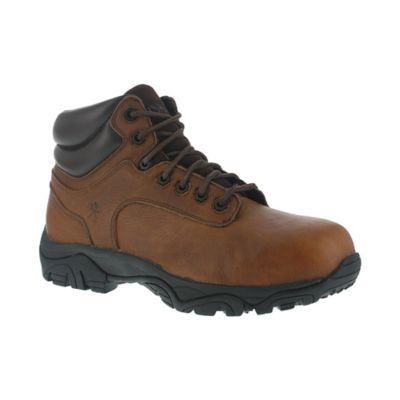
A dependable welding area should include more than the welding machine itself. Protective clothing, gloves made for the heat and a properly rated welding helmet help shield you from sparks, ultraviolet light and hot metal, while sturdy footwear and clothing made from natural fibers provide another layer of protection. Keep a clear work surface nearby for holding parts in position, and use clamps or other supports when a piece needs to stay steady through the entire weld. Consumables should be stored clean and dry, since moisture, dirt and surface rust can affect the arc and make a bead harder to control. Before starting, remove paint, oil, scale and other debris from the joint whenever the material and project allow. Good ventilation matters just as much as good technique, especially when coatings or unknown metals may produce unpleasant or hazardous fumes. A fire-resistant work area, a charged fire extinguisher and a careful check for nearby hay, sawdust, fuel or other flammable materials are important habits in a farm shop or garage. These details may feel like extra steps when a repair is waiting, but they are the same small routines that help a quick fix stay safe and hold together through hauling, weather and years of daily use.
Welding supplies can be useful for experienced fabricators, maintenance crews, farmers, ranchers, mechanics and do-it-yourself builders who enjoy making practical improvements around the property. They can also make a thoughtful gift for someone setting up a new workshop, learning a skilled trade or taking on more repairs at home, especially when paired with items that improve comfort, organization and safety. A beginner will benefit from supplies that are straightforward to use and suited to the materials they plan to work on, while a seasoned welder may appreciate having backup essentials on hand before a project gets underway. During the warmer parts of the year, welding work may move outdoors for fence repairs, equipment maintenance and construction projects, while cooler months often bring more time in the shop for fabrication and restoration. Wherever the work takes place, check connections, inspect cords and hoses, keep protective gear in good shape and allow freshly welded metal plenty of time to cool before handling it. With the right preparation, welding can be a satisfying, hands-on way to keep useful equipment working, build something made to fit your needs and take pride in repairs that are truly your own.