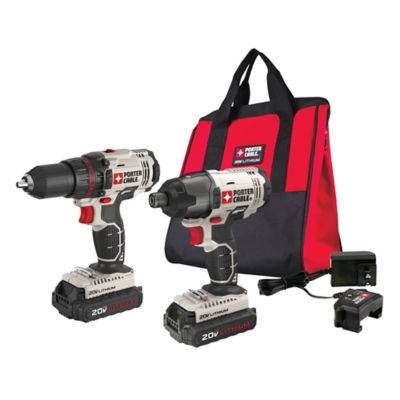
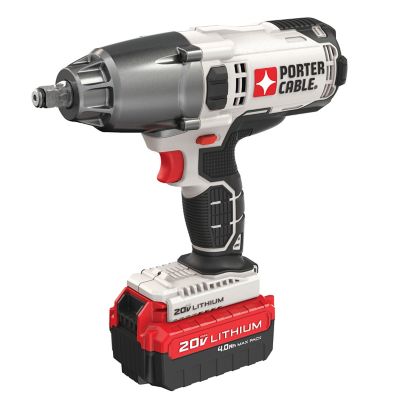
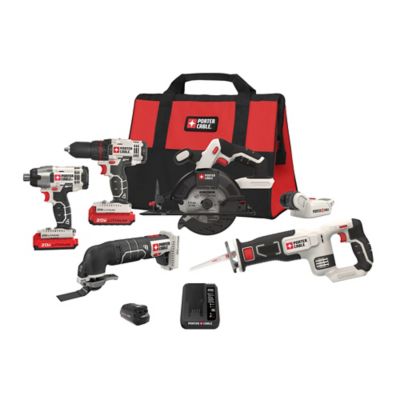
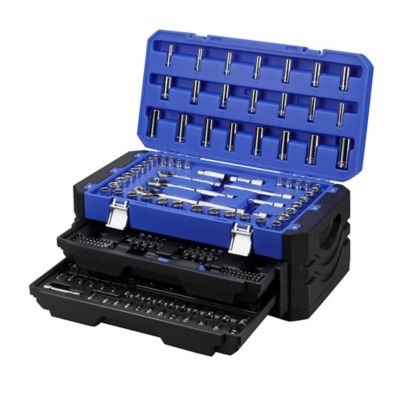
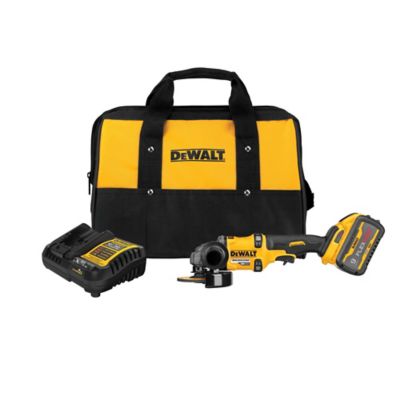
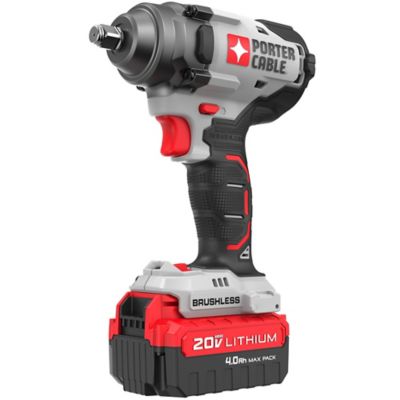
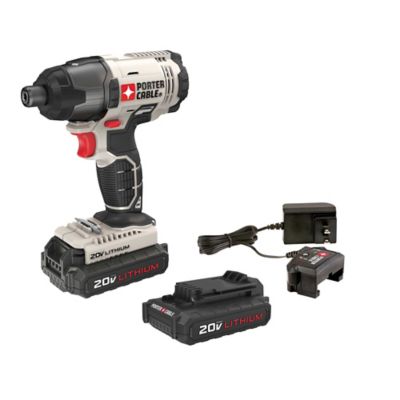
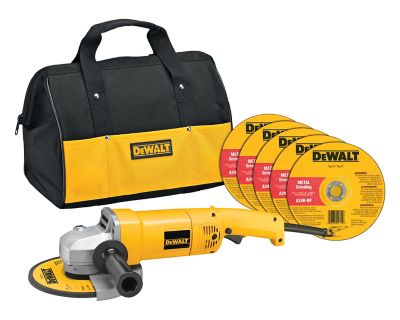
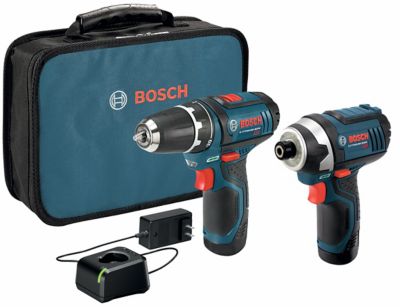
Power tools for beginners can make everyday repairs, weekend projects and small building jobs feel a whole lot more manageable. For many new DIYers, a cordless drill/driver is the best place to start. It can drill holes in wood, drywall and some metal, while also driving screws for shelves, fence repairs, cabinet hardware, picture hanging and countless other jobs around the house, garage or barn. A compact model may be easier to handle for lighter tasks, while a higher-voltage option can offer more power for longer jobs and tougher materials. Look for a comfortable grip, simple speed controls, a clutch with several settings and a battery that is easy to remove and recharge. If you are putting together a starter set, combo kits can be a practical choice because they often include several useful tools, batteries and a charger in one package. Sticking with one rechargeable battery platform can also save money and storage space down the road, since compatible batteries may work across a drill, saw, light or other tool in the same system. That can be especially handy in a rural home, where a quick repair may happen well away from the nearest outlet. A drill that lives on a workshop shelf can help with everything from assembling a chicken coop gate to tightening loose hinges on a tack room door. It also makes a thoughtful gift for a first-time homeowner, college graduate, new renter or handy family member who is beginning to build a tool collection. For those interested in maintaining equipment, repairing small engines or working on vehicles,
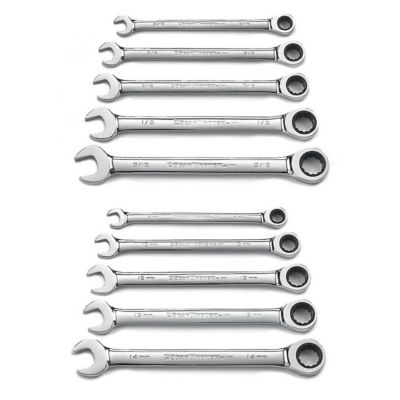
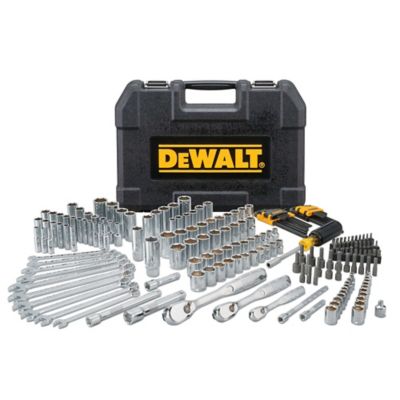
Beginner Mechanic Tools can help round out a basic setup with tools suited to garage and mechanical tasks.
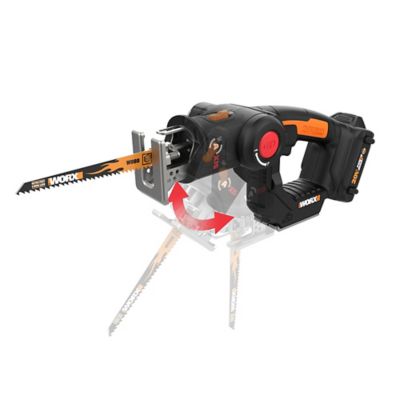
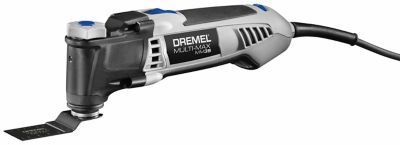
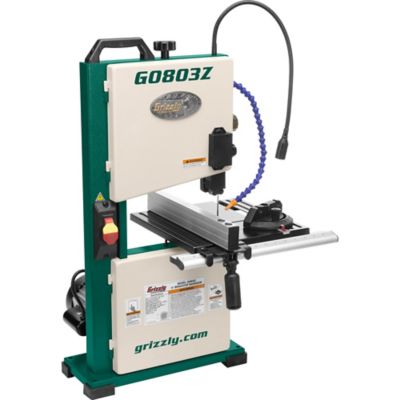
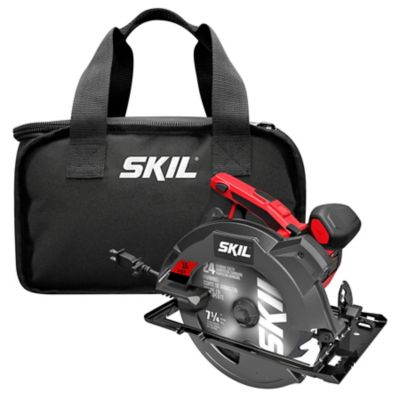
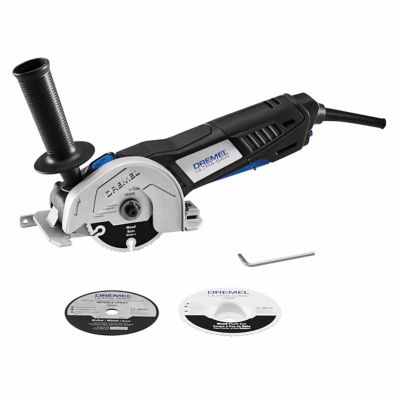
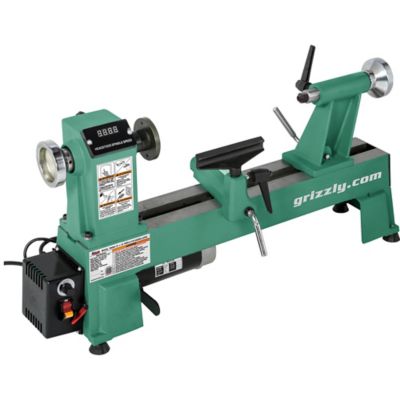
As confidence grows, other power tools can open up a wider range of projects. A circular saw is useful for making long, straight cuts through lumber, plywood and other sheet materials, making it a dependable choice for building simple shelves, workbenches, planter boxes, small animal shelters and utility projects. A guide or straightedge can help keep cuts steady, while a stable work surface keeps the material from shifting as the blade moves through it. A jigsaw is better suited to curved cuts, notches, openings and detailed shapes in wood or plastic. It can be useful when making a template for a garden sign, trimming a countertop opening or shaping a piece for a craft project. For smoothing rough boards and preparing wood for paint or stain, a random orbital sander can save considerable time compared with sanding by hand. It leaves a more even surface when used with the right grit and a light touch, though dust collection and cleanup still matter. Beginners may also appreciate a work light, extra blades, sanding discs and a sturdy case or organizer to keep everything close at hand. When comparing tools, pay attention to balance, trigger placement, visibility around the work area, adjustment controls and how easily accessories can be changed. Battery-powered tools are convenient for outdoor repairs, remote sheds and unfinished spaces, while corded tools can be useful when a job calls for extended run time near a reliable outlet. The right choice depends on the work, the materials and how often the tool will be used. Someone furnishing a first workshop may benefit from a versatile starter kit, while an experienced woodworker adding a specialty tool may care more about cutting control, speed settings or compatibility with accessories already on hand.
Safe habits are part of every good first experience with power tools. Read the manufacturer’s instructions before use, check that guards and safety features are in place, and inspect cords, batteries, blades, bits and sanding discs for damage. Wear safety glasses whenever drilling, cutting or sanding, and use hearing protection around loud tools. A dust mask or properly fitted respirator can help reduce exposure to sawdust and fine particles, especially when sanding indoors or working with manufactured boards. Secure the material before cutting, keep both hands clear of the blade path, and wait for moving parts to stop completely before setting a tool down. Loose clothing, jewelry and long hair should be kept away from rotating parts, and children and pets need to stay clear of the work area. Good lighting makes a difference, particularly during the cooler months when daylight fades earlier and projects often move into a garage or shed. Start with scrap wood when learning a new tool, make a few practice cuts and let the tool do the work instead of forcing it through the material. Store batteries in a dry place, keep chargers on a clear surface and brush dust from tools after each use. With a little patience, a beginner can move from tightening a loose gate latch to building a useful workbench, repairing a fence panel or finishing a handmade project that earns a place in the home. Choosing tools that feel comfortable, fit the intended work and can grow with new skills helps turn a first purchase into a reliable part of the household toolkit.