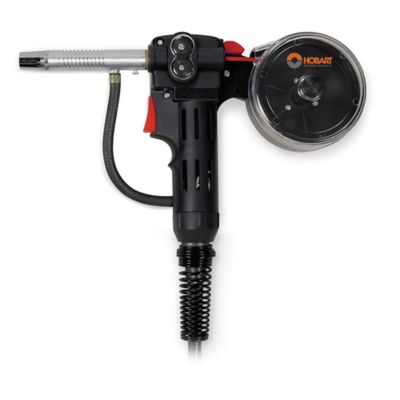
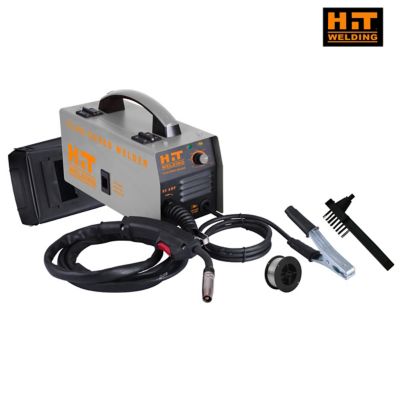
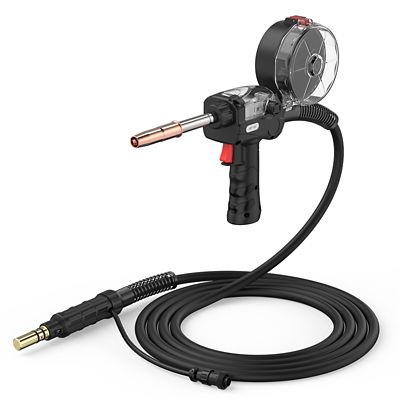
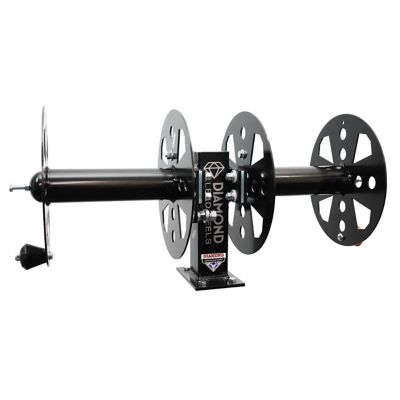
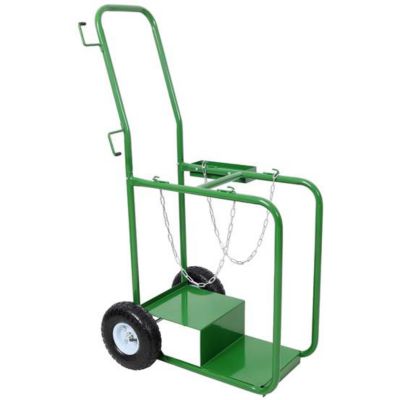
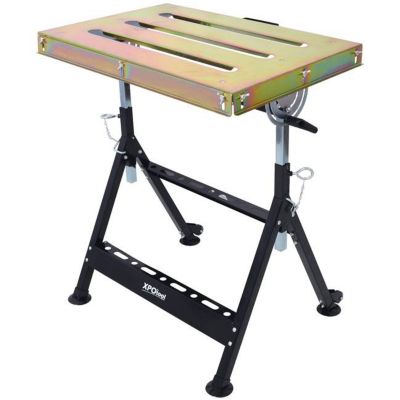
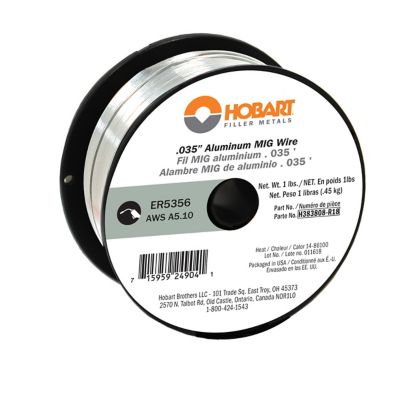
Welding equipment earns its place in a farm shop when there’s a steel workbench to build, a tool rack to put together, or a broken bracket holding up the day’s work. The right setup brings the welding process, base metal, material thickness, and available power into line with the jobs ahead. For Cyber Monday welding equipment shopping, those everyday needs provide a useful starting point, whether the equipment is headed to a home garage, an acreage workshop, or a working farm. A compact setup for occasional fabrication serves a different purpose than equipment expected to handle repeated welds on heavier steel. MIG welding with solid wire and shielding gas is a common choice for general steel fabrication, especially where consistent wire feeding and a clear view of the joint matter. Self-shielded flux-core wire offers another approach when the machine and wire are compatible, without a separate shielding gas cylinder. Stick welding has a long-standing place in farm repair and heavier steel work, while TIG equipment gives an experienced operator close control over the arc and filler metal. Each process brings its own requirements for consumables, surface preparation, and practice. Mild steel, stainless steel, and aluminum also call for different combinations of equipment, filler material, and shielding. Aluminum work, for example, may require AC TIG capability or a compatible wire-feed arrangement rather than a basic steel-welding setup. Material thickness matters just as much as material type: thin sheet needs controlled heat input, while thicker sections may require more output and joint preparation. A tidy-looking bead alone does not establish that a weld is sound. Good fit-up, clean metal, proper settings, and sound technique all contribute to the finished joint. That distinction matters when a project moves beyond a shop organizer into something carrying weight or protecting people. Structural members, lifting attachments, and other safety-critical assemblies belong with qualified welding professionals and applicable specifications, not guesswork. For everyday fabrication, equipment that matches the operator’s experience and intended work leaves room to build skills without expecting one machine to do every job.
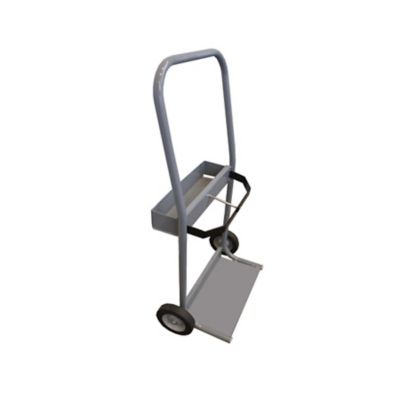
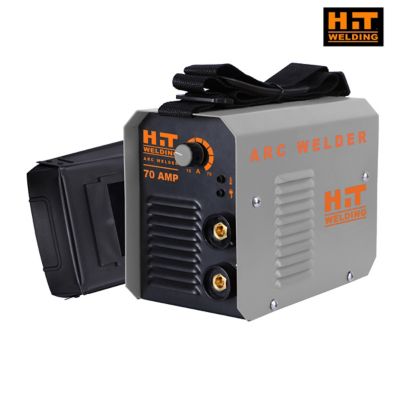
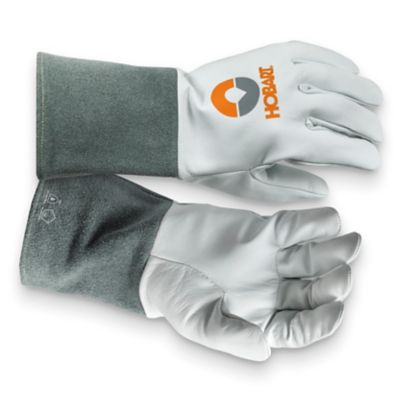
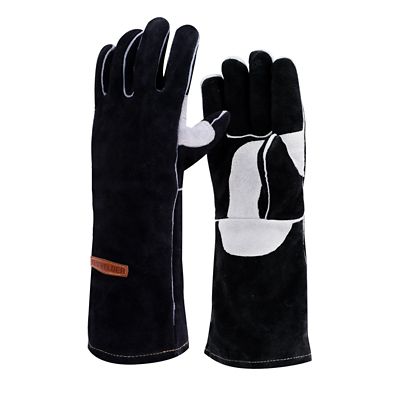
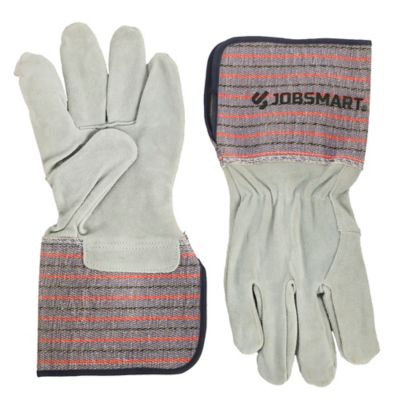
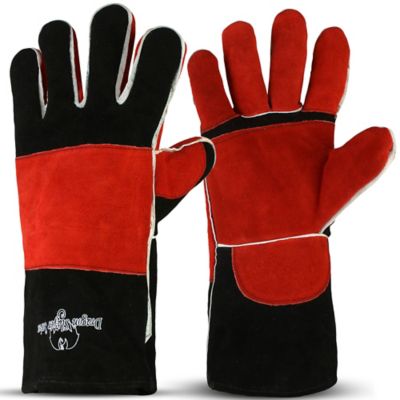
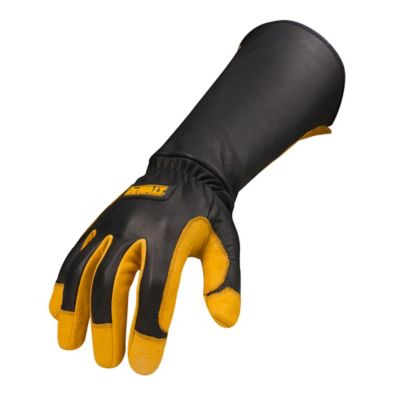
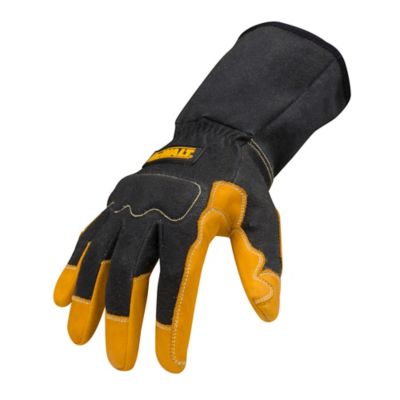
The details around a welder can make a real difference in how comfortably it fits the shop. Input voltage, circuit requirements, plug configuration, and extension-cord limitations all deserve attention before equipment is connected; a qualified electrician can assess whether the building’s wiring meets the equipment’s needs. Output range helps describe the work a machine can support, while duty cycle indicates how long it can weld within a stated period at a specified output before cooling is necessary. That matters during a run of repeated joints, even when the machine has enough amperage for an individual weld. Weight, carrying points, cart compatibility, and cable reach affect movement between a bench and a larger fabrication area. A crowded corner beside feed storage is a different workspace from a dedicated welding bay, and neither convenience nor a long lead replaces a properly prepared work area. Welding requires control of sparks, hot metal, fumes, and arc radiation. Combustible materials need separation from the work, and suitable screens help protect other people nearby from arc exposure. Ventilation and fume extraction need to suit the process and material; coatings, plating, and residues can introduce serious hazards that require assessment before welding begins. Personal protection also needs to work as a complete setup. A welding helmet should provide the appropriate shade and protection for the process, with safety glasses underneath. A secure, comfortable headgear fit helps keep the helmet in position without constant adjustment. Welding gloves need enough coverage for the task while allowing a steady grip, and their design should suit the heat and dexterity demands of the process. Flame-resistant clothing, suitable footwear, hearing protection when needed, and task-appropriate respiratory protection round out the picture. Regular sunglasses, bare forearms, and ordinary synthetic clothing do not belong in place of welding protection. For someone learning the craft, supervised instruction and practice on suitable scrap offer a better foundation than jumping straight into a working repair. A comfortable stance, clear sightline, and supported workpiece help make that practice more productive.
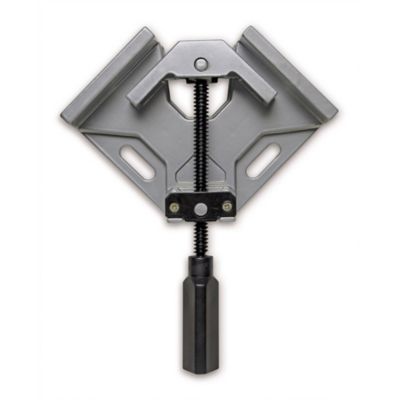
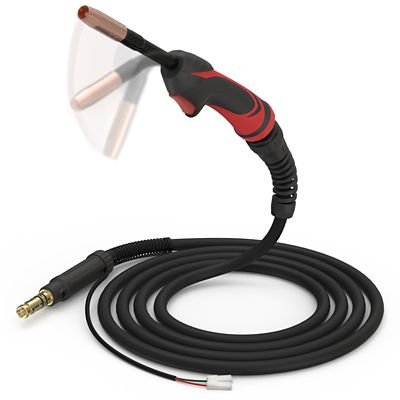
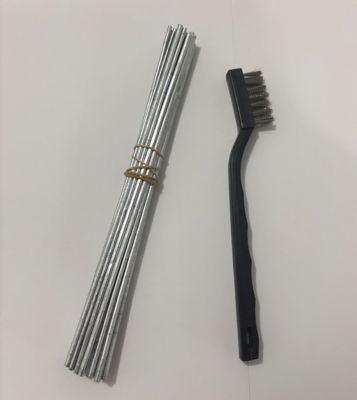
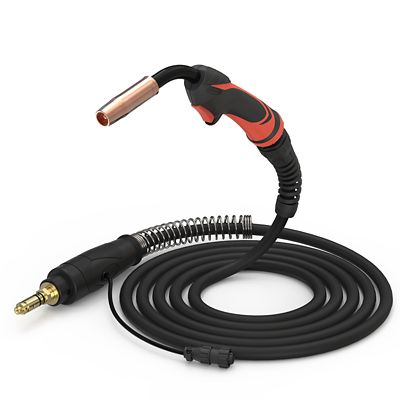
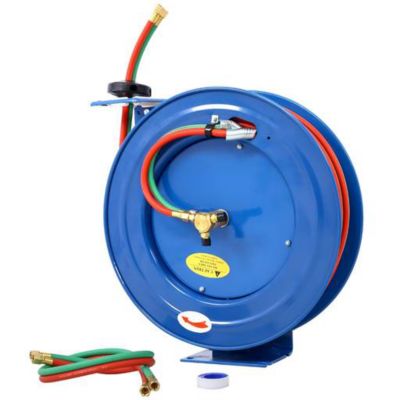
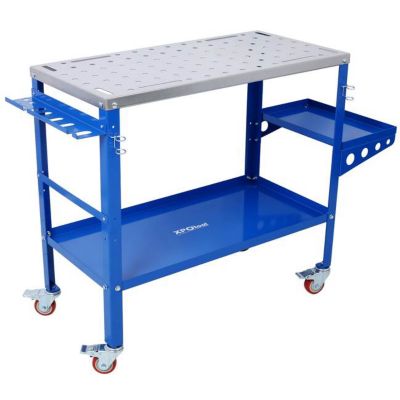
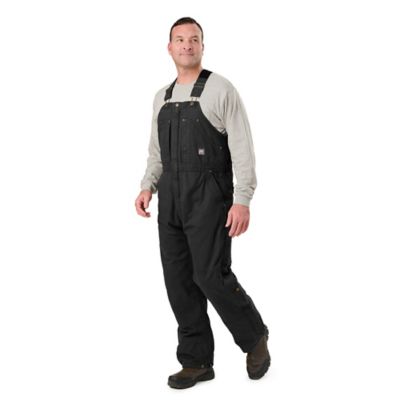
Long service life depends on more than the machine’s housing. Leads, connectors, torches, electrode holders, and work clamps all face handling, abrasion, and heat around a busy shop. Sound insulation, secure connections, and components sized for the equipment’s output help the whole setup function as intended. Contact tips, nozzles, liners, electrodes, and other process-specific consumables need the right fit rather than a close-enough substitute. A rough wire-feed path or a poor work-clamp connection can interrupt a job even when the power source is operating properly. Routine care includes checking cables for damage, keeping cooling passages clear according to the manufacturer’s directions, and storing equipment away from moisture and grinding debris. Maintenance belongs on de-energized equipment, with servicing handled as directed in the owner’s manual. Welding wire and electrodes also need storage suited to their type, since contamination or moisture exposure can affect performance. Shielding gas cylinders require secure upright storage and handling, valve protection where applicable, and compatible regulators and connections. Around the bench, a stable work surface and sound clamping help hold parts in position before the arc starts. Picture a pair of steel frame sections meeting at a corner: their alignment and joint preparation matter before the first tack, not just after the final weld. Clothing deserves that same attention to fit and function. Sleeves should provide coverage without loose fabric getting in the way, and pants and footwear should not create places where sparks can collect. The
Cyber Monday Deals On Workwear page covers another part of getting dressed for hands-on work, with welding tasks requiring clothing specifically suited to their hazards. Welding equipment can also make a thoughtful gift for a farm owner, fabricator, or family member building out a shop, provided the process, power requirements, and existing setup are known. Compatible equipment and properly fitted protection have a clear purpose long after the gift is opened: helping turn careful preparation and practiced skill into work that holds together.